
 By admin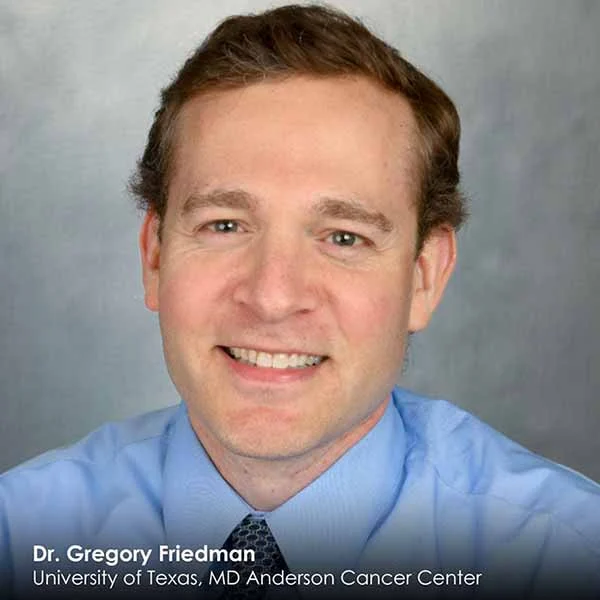
The Urgent Crisis in Pediatric Neuro-Oncology
Pediatric high-grade gliomas represent one of the most significant challenges in modern medicine. These tumors are characterized by their rapid growth, invasive nature, and resistance to conventional therapies such as radiation and chemotherapy. Currently, the median survival rate for children diagnosed with pHGGs is less than 30%, a statistic that underscores the failure of existing standard-of-care protocols. Within this category lies Diffuse Intrinsic Pontine Glioma (DIPG), a tumor located in the brainstem that remains effectively incurable.
The difficulty in treating pHGGs stems from the biological complexity of the tumors and their location within the central nervous system. The blood-brain barrier often prevents systemic chemotherapy from reaching the tumor in effective concentrations, while surgical resection is frequently impossible due to the tumor’s proximity to vital brain structures. Furthermore, the long-term side effects of radiation on a developing child’s brain can be devastating, leading to cognitive impairment, endocrine issues, and secondary malignancies. The partnership between CureSearch and LifeArc is born out of the necessity to move beyond these toxic, limited treatments and toward precision-based immunotherapy.
Dr. Gregory Friedman’s Innovative Immunotherapy Approach
At the center of this international funding effort is Dr. Gregory Friedman, a prominent researcher whose project was originally selected for the CureSearch Acceleration Initiative (AI) in 2022. Dr. Friedman’s work focuses on a dual-pronged immunotherapy strategy designed to maximize tumor destruction while minimizing damage to healthy brain tissue.
The first component of the treatment involves an oncolytic virus—specifically, a modified version of the herpes simplex virus (the common cold-sore virus). This virus has been engineered to selectively infect and replicate within brain tumor cells. As the virus multiplies, it causes the tumor cells to rupture and die, a process known as lysis. Crucially, the modification ensures that the virus cannot harm normal, healthy neurons or glial cells, providing a level of safety that traditional therapies lack.
The second component is a novel cancer vaccine known as SNAPvax. While the oncolytic virus begins the process of killing tumor cells, SNAPvax is designed to "prime" the immune system. It teaches the body’s T-cells to recognize specific proteins, or antigens, found on the surface of the glioma cells. By administering the vaccine before the virus, Dr. Friedman’s team has discovered that they can create a more robust and sustained immune response. This sequence prevents the immune system from prematurely clearing the therapeutic virus, instead directing its full force toward the tumor itself.
The Chronology of Development and the "Dream Team"
The path to this international partnership began years ago with early-stage laboratory research. In 2022, CureSearch recognized the potential of Dr. Friedman’s approach, granting him the AI award with additional support from the Rally Foundation for Childhood Cancer Research. This initial funding allowed Dr. Friedman to assemble what he describes as a "dream team" of multidisciplinary researchers, including experts in virology, immunology, and pediatric oncology.
Over the past two years, the team has achieved several critical milestones:
- Antigen Identification: Researchers successfully identified the specific brain tumor proteins that are most effective for vaccine targeting.
- Model Development: The team developed sophisticated tumor models to simulate the human pediatric brain environment, allowing for more accurate testing of the combination therapy.
- Optimization of Timing: Experimental data revealed that the sequence of treatment is vital. Delivering the SNAPvax vaccine prior to the viral injection "excites" the immune system to target the tumor, whereas reversing the order resulted in the immune system attacking the virus before it could reach the tumor cells.
- Industry Collaboration: Dr. Friedman is currently working with industry partners to transition these laboratory findings into a Phase I clinical trial, ensuring that the therapy meets the rigorous safety standards required for human testing.
The CureSearch Acceleration Initiative: A Proven Model for Success
The decision by LifeArc to join forces with CureSearch is a testament to the success of the Acceleration Initiative (AI) model. In the world of medical research, the "Valley of Death" refers to the gap between laboratory discovery and clinical application. Many promising drugs fail to reach patients because they lack the funding or industry support necessary to navigate the complex regulatory and manufacturing hurdles required for human trials.
CureSearch’s AI program was specifically designed to bridge this gap. The initiative focuses on projects that have a high probability of reaching the clinic within three years. The statistics reflect the effectiveness of this approach: while the average rate of translation for cancer drugs from preclinical research to clinical trials is less than 8%, CureSearch’s AI projects boast a 60% success rate.
Every project under the AI umbrella undergoes a rigorous vetting process by the Scientific and Industry Advisory Councils. These councils consist of global leaders in oncology and pharmaceutical development who evaluate research not just for its scientific merit, but for its commercial and clinical viability. By providing both financial support and strategic guidance, CureSearch ensures that innovative ideas like Dr. Friedman’s do not languish in the lab.
LifeArc’s Strategic Involvement and International Reach
LifeArc, a leading UK-based medical research charity, brings a wealth of experience in translational science to the partnership. With a mission to transform promising research into new interventions for patients, LifeArc’s "Childhood Cancer" strategy aligns perfectly with the goals of the Friedman project.
Dr. David Jenkinson, Head of Childhood Cancer at LifeArc, emphasized that the decision to co-fund was driven by the high unmet medical need in the field of pediatric neuro-oncology. The partnership allows LifeArc to leverage CureSearch’s established infrastructure in the United States while expanding the reach of the research to the international community. This bi-continental approach is increasingly necessary in pediatric cancer research, where the relatively small number of patients for any single type of tumor requires global collaboration to conduct effective clinical trials.
The Human Cost: The Legacy of Khushil Pandya
The urgency of this research is best understood through the stories of the families affected by these diagnoses. Namrata and Bhavesh Pandya, residents of Harrow, London, lost their 14-year-old son Khushil to a diffuse midline glioma (DIPG) in 2017. Their experience highlights the devastating reality of the current therapeutic landscape.
Despite his diagnosis, Khushil’s family fought to maintain a sense of normalcy, ensuring he could attend school and even complete his bronze Duke of Edinburgh expedition in a wheelchair. However, the lack of effective treatment meant that the disease progressed rapidly. Khushil passed away at home, just months after his diagnosis.
"Bhavesh and I will never be ready to accept that, in this day and age where science has progressed in so many areas, with this particular tumor, there’s very little knowledge on how and why it happens," said Namrata Pandya. Her call for increased investment in pediatric brain tumor research serves as a moral foundation for the CureSearch-LifeArc partnership. For families like the Pandyas, the development of less toxic and more effective treatments is not just a scientific goal, but a fundamental necessity to protect future generations.
Analysis of Implications: A Shift in Pediatric Oncology
The collaboration between CureSearch and LifeArc signals a broader shift in the funding and development of pediatric medicines. For too long, pediatric oncology has relied on "hand-me-down" treatments—drugs originally developed for adult cancers that are later adapted for children. Because the biology of childhood tumors is often distinct from adult versions, these treatments are frequently ineffective or overly toxic.
By specifically targeting the unique molecular signatures of pediatric high-grade gliomas, Dr. Friedman’s work represents a move toward "pediatric-first" drug development. Furthermore, the international nature of this funding model sets a precedent for how non-profits can pool resources to tackle rare diseases. As genomic sequencing and immunotherapy continue to advance, the ability to fund and execute trials across borders will be essential for the next generation of breakthroughs.
Looking Forward: The Path to Clinical Trials
As Dr. Friedman’s team moves closer to clinical trials, the focus remains on speed and safety. The goal is to provide a viable therapeutic option for children who currently have no recourse. The support from CureSearch, LifeArc, and the Rally Foundation ensures that the momentum of this project will continue through the critical transition to human testing.
The partnership demonstrates a shared belief that no child should face a terminal diagnosis due to a lack of research funding. By prioritizing innovation, rigorous validation, and international cooperation, CureSearch and LifeArc are not just funding a study; they are building a global framework for hope in the fight against childhood brain cancer. Through the integration of oncolytic viruses and advanced vaccines, the medical community is moving closer to a day when a diagnosis of a high-grade glioma is no longer a death sentence, but a challenge that can be met with the full force of modern science.
