
 By Gabriel Paijo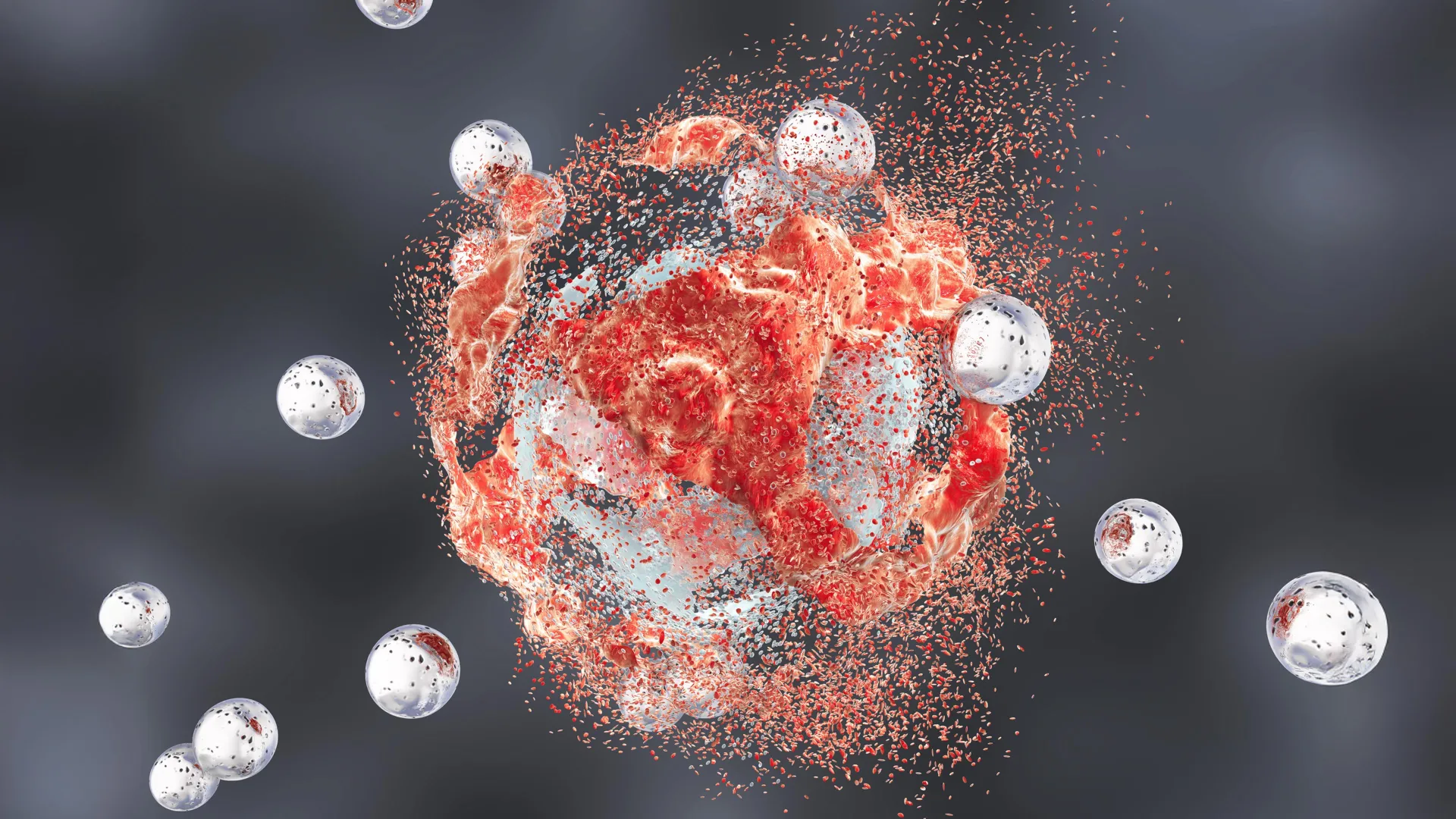
In a significant advancement for the field of nanomedicine and oncology, a multidisciplinary team of researchers from Weill Cornell Medicine and the Cornell Duffield College of Engineering has developed a sophisticated class of silica nanoparticles capable of neutralizing prostate cancer through a dual-pronged therapeutic strategy. According to a preclinical study published in the journal Cancer Research, these engineered particles not only induce direct tumor cell death but also fundamentally alter the tumor microenvironment, effectively "awakening" the immune system to recognize and attack malignant cells. The study, which utilized mouse models of highly aggressive prostate cancer, demonstrated that the particles could achieve complete tumor remission in a significant percentage of cases, paving the way for potential human clinical trials.
The research represents a culmination of years of collaboration between experts in radiology, materials science, and immunology. By leveraging the unique properties of amorphous silica—a material found naturally in the environment and human diet—the team has created a delivery system that is both biocompatible and lethal to cancer. This "one-two punch" approach addresses one of the primary hurdles in modern oncology: the tendency of prostate tumors to remain "immunologically cold," or invisible to the body’s natural defenses.
The Evolution of Cornell Prime Dots: From Imaging to Therapy
The nanoparticles at the center of this breakthrough are known as ultrasmall fluorescent core-shell silica nanoparticles, or "C’ dots" (Cornell Prime dots). Measuring less than 10 nanometers in diameter, these particles were originally conceptualized and developed in the laboratory of Dr. Ulrich Wiesner at Cornell University. For over a decade, C’ dots have been primarily utilized as high-resolution imaging agents, designed to help surgeons identify tumor margins and track the spread of cancer with unprecedented precision.
Due to their minuscule size, C’ dots possess unique pharmacokinetic properties, including the ability to circulate through the bloodstream and be cleared efficiently through the kidneys, reducing the risk of long-term toxicity. They have already moved through late-stage clinical trials for image-guided surgery, establishing a safety profile that is rare for engineered nanomaterials. However, the discovery that these particles could serve as a direct therapeutic agent marks a transformative shift in their application.
Recent investigations revealed that when these silica particles are modified and targeted toward specific cancer markers, they do more than just glow; they actively disrupt the internal machinery of the cancer cell. In this latest study, the researchers focused on prostate cancer, a disease that remains a leading cause of cancer-related mortality among men worldwide, particularly when it reaches an advanced, treatment-resistant stage.
Mechanisms of Action: Inducing Ferroptosis and Metabolic Disruption
The primary mechanism by which the C’ dots destroy prostate tumor cells is a specialized and relatively recently discovered form of programmed cell death known as ferroptosis. Unlike apoptosis, the most common form of cell death, ferroptosis is driven by an overwhelming accumulation of iron-dependent lipid peroxidation. Essentially, the process causes the fatty molecules in the cell membrane to "rust" and break down, leading to the catastrophic collapse of the cell.
The study suggests that the C’ dots act as a Trojan horse. While they are engineered to carry specific molecules, their silica structure naturally attracts positively charged iron ions from the bloodstream. Once the particles are internalized by the tumor cells—aided by targeting ligands that seek out the Prostate-Specific Membrane Antigen (PSMA)—they release this iron payload. The resulting oxidative stress triggers the ferroptotic pathway, bypassing the traditional resistance mechanisms that often allow cancer cells to survive chemotherapy or radiation.
Furthermore, the researchers observed that the nanoparticles disrupted the metabolic pathways within the tumor microenvironment. Cancer cells are notorious for "reprogramming" their metabolism to fuel rapid growth and evade the immune system. The C’ dots appear to interfere with these processes, creating a hostile environment for the tumor while simultaneously making it more susceptible to external intervention.
Transforming the Tumor Microenvironment: From Cold to Hot
Perhaps the most promising aspect of the study is the nanoparticles’ ability to remodel the immune landscape surrounding the tumor. Prostate cancer is notoriously difficult to treat with modern immunotherapies, such as checkpoint inhibitors, because the tumors are often "cold." This means they contain very few active T cells and are instead populated by immunosuppressive cells that shield the cancer from the immune system.
The study found that the administration of C’ dots caused a dramatic shift in this environment. Following treatment, the researchers observed a significant influx of cancer-fighting T cells and "M1" macrophages (which promote inflammation and tumor destruction) into the tumor site. Simultaneously, there was a decrease in the presence of "M2" macrophages and other cells that typically protect the tumor.
By transforming a "cold" tumor into a "hot" one, the nanoparticles effectively primed the cancer to be recognized by the body’s immune system. This shift is critical for the success of immunotherapy drugs, which require an active immune presence to function. When the C’ dots were used in conjunction with standard immune checkpoint blockade therapies, the results were significantly enhanced, suggesting a powerful new path for combination treatments.
Experimental Data and Survival Outcomes
The preclinical trials involved mouse models of aggressive, metastatic prostate cancer, designed to mimic the most difficult-to-treat human cases. The researchers compared several treatment groups: a control group, a group receiving only immunotherapy, a group receiving only C’ dots, and a group receiving a combination of both.
The data revealed that while single-agent treatments (either C’ dots or immunotherapy alone) provided a modest increase in survival, the combination therapy was far more effective. In the group receiving the C’ dot and immune checkpoint blockade combination, four out of ten mice experienced complete or nearly complete tumor remission, achieving indefinite survival.
To further optimize the results, the team introduced a third component: a CSF-1R blockade. This treatment specifically targets and inhibits tumor-associated macrophages that contribute to immune suppression. When this triple-combination therapy was applied, the number of complete remissions rose to five out of ten mice. These results are considered extraordinary in the context of aggressive prostate cancer models, where durable responses are rarely achieved.
Crucially, the study also addressed safety. By attaching a targeting molecule for PSMA, the researchers ensured that the C’ dots concentrated in the tumor tissue. While some accumulation was noted in the spleen—a common occurrence for nanoparticles—there were no observable signs of systemic toxicity or damage to healthy organs, reinforcing the potential for safe human application.
Institutional Perspectives and Future Clinical Outlook
The success of the study has been attributed to the seamless integration of various scientific disciplines. Dr. Michelle Bradbury, the senior author and a leading figure in molecular imaging at Weill Cornell Medicine, emphasized that a treatment capable of simultaneously killing cells and remodeling the immune system represents a "new clinical paradigm." The ability to induce ferroptosis specifically within the tumor site offers a way to overcome the limitations of current drugs.
Dr. Ulrich Wiesner, co-corresponding author, reflected on the broader implications of using silica—a material ubiquitous in nature. He noted that the unexpected multi-pathway effectiveness of the particles might stem from silica’s ancient biological relationship with living organisms. Since silicon is a trace element found in many foods, the body may have unique ways of interacting with these particles that researchers are only now beginning to understand.
Dr. Jedd Wolchok, a study co-author and director of the Sandra and Edward Meyer Cancer Center, highlighted the importance of the study for the future of immunotherapy. He noted that by creating conditions that support a more effective antitumor immune response, these particles might "unlock" the potential of immunotherapy for prostate cancer patients who previously had few options.
The research was supported by a diverse array of funding bodies, including the Department of Defense, the National Cancer Institute (NCI), and the Parker Institute for Cancer Immunotherapy. The involvement of these organizations underscores the high level of interest in moving this technology toward clinical application.
Conclusion and Next Steps
The findings published in Cancer Research mark a pivotal moment in the development of nanoparticle-based cancer therapies. The team is now focusing on the final stages of preclinical optimization required to file for Investigational New Drug (IND) status with the FDA. This will be the precursor to Phase I human clinical trials, which will evaluate the safety and efficacy of C’ dots in patients with advanced prostate cancer.
As the medical community seeks more effective ways to treat "cold" tumors and overcome drug resistance, the dual-action silica nanoparticle offers a promising glimpse into the future of precision medicine. By combining materials science with immunology, the researchers at Weill Cornell and Cornell Engineering have developed a tool that does not just target cancer, but fundamentally changes the rules of the engagement between the tumor and the host immune system.
