
 By Gabriel Paijo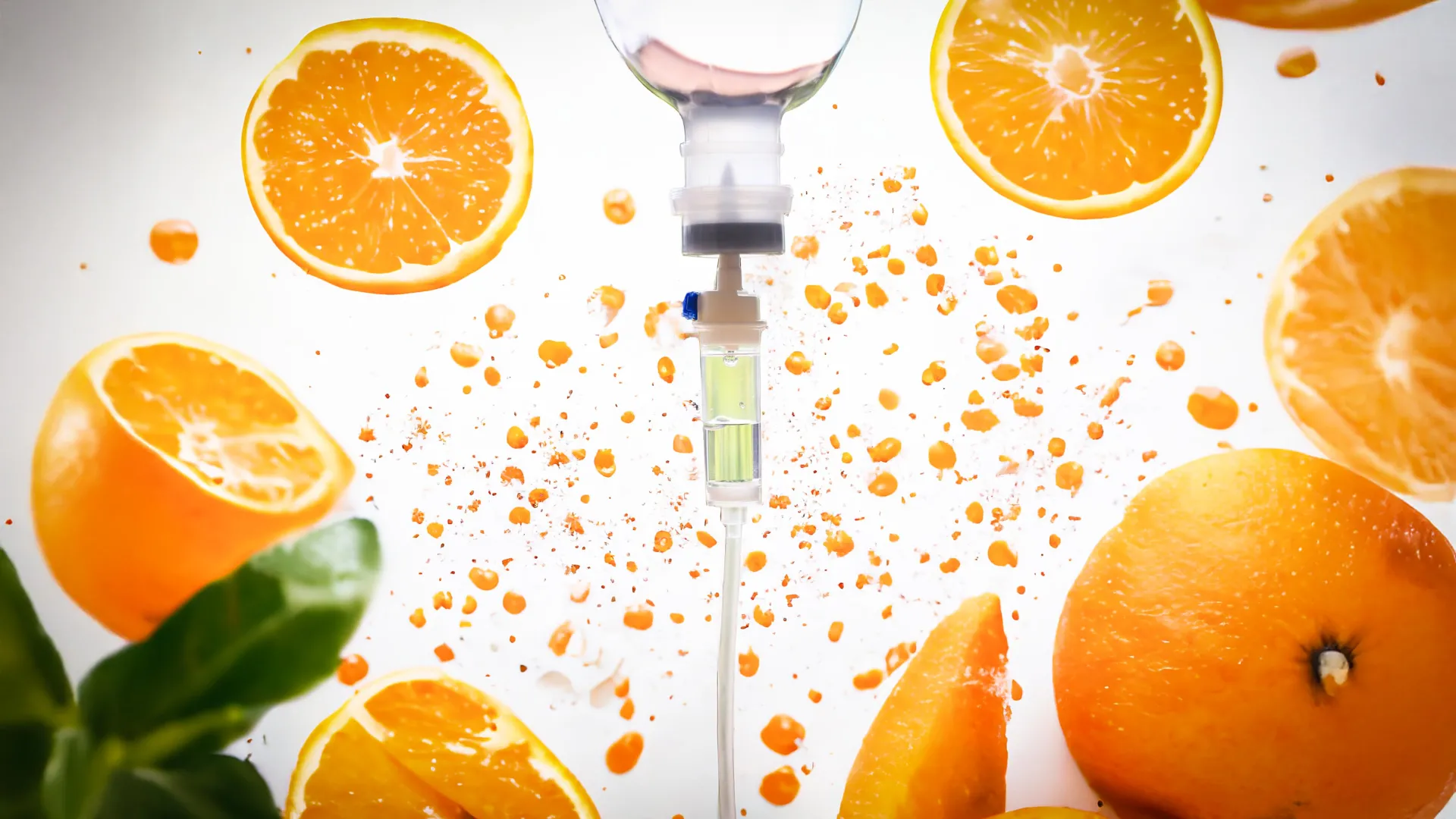
Linus Pauling remains one of the most towering figures in the history of science, a man whose intellectual reach spanned from the fundamental nature of the chemical bond to the complexities of protein structures. As the only person to ever win two unshared Nobel Prizes—one for Chemistry in 1954 and the Nobel Peace Prize in 1962—his legacy seemed unassailable. However, the final decades of his life were marked by a controversial crusade that many of his peers viewed as a departure from scientific rigor: the belief that megadoses of vitamin C could serve as a powerful weapon against cancer.
For decades, the medical establishment dismissed Pauling’s claims, citing them as a cautionary tale of the "halo effect," where brilliance in one discipline leads an individual to overstep their expertise in another. Yet, thirty years after his death in 1994, the narrative is shifting. New research into pharmacokinetics and the molecular behavior of ascorbic acid suggests that Pauling’s hypothesis was not a product of delusion, but rather a premature insight into a complex biological phenomenon that the technology of his time could not fully validate.
The Genesis of a Medical Controversy
The saga began in the early 1970s when Pauling collaborated with Dr. Ewan Cameron, a Scottish surgeon working at Vale of Leven Hospital. Together, they conducted a study on patients with advanced, terminal cancer. The treatment regimen was unconventional: patients were administered 10 grams of vitamin C daily, initially through intravenous (IV) infusion and subsequently via oral tablets.
In their 1976 report, Pauling and Cameron claimed that the treated group lived significantly longer—up to four times longer in some instances—and reported a vastly improved quality of life compared to a control group of patients who did not receive the vitamin. These findings sent shockwaves through the medical community, prompting both hope among patients and deep skepticism among oncologists.
The backlash was swift and institutional. To settle the matter, the Mayo Clinic, one of the world’s premier medical research centers, conducted two large-scale, randomized, double-blind, placebo-controlled trials in the late 1970s and mid-1980s. The results were definitive: vitamin C showed no benefit whatsoever in the treatment of advanced cancer. The survival rates of those taking the vitamin were nearly identical to those on the placebo.
Following the Mayo Clinic studies, the medical community effectively closed the book on vitamin C. Pauling was criticized for what many saw as reckless promotion of "alternative" medicine, and his reputation suffered a blow that would persist until his death at the age of 93.
The Pharmacokinetic Blind Spot
The dismissal of Pauling’s work rested on a fundamental assumption: that oral and intravenous administration of vitamin C were biologically equivalent. It was not until the early 2000s that researchers, led by Dr. Mark Levine at the National Institutes of Health (NIH), discovered a critical flaw in the Mayo Clinic’s refutation.
The human body possesses a tightly regulated "ceiling" for oral vitamin C absorption. The gut can only process a certain amount of the vitamin at once; beyond a modest dose, the excess is simply excreted. Even if a patient swallows massive amounts of vitamin C tablets, blood concentrations remain relatively low, plateauing at a level that serves the vitamin’s traditional role as an antioxidant.
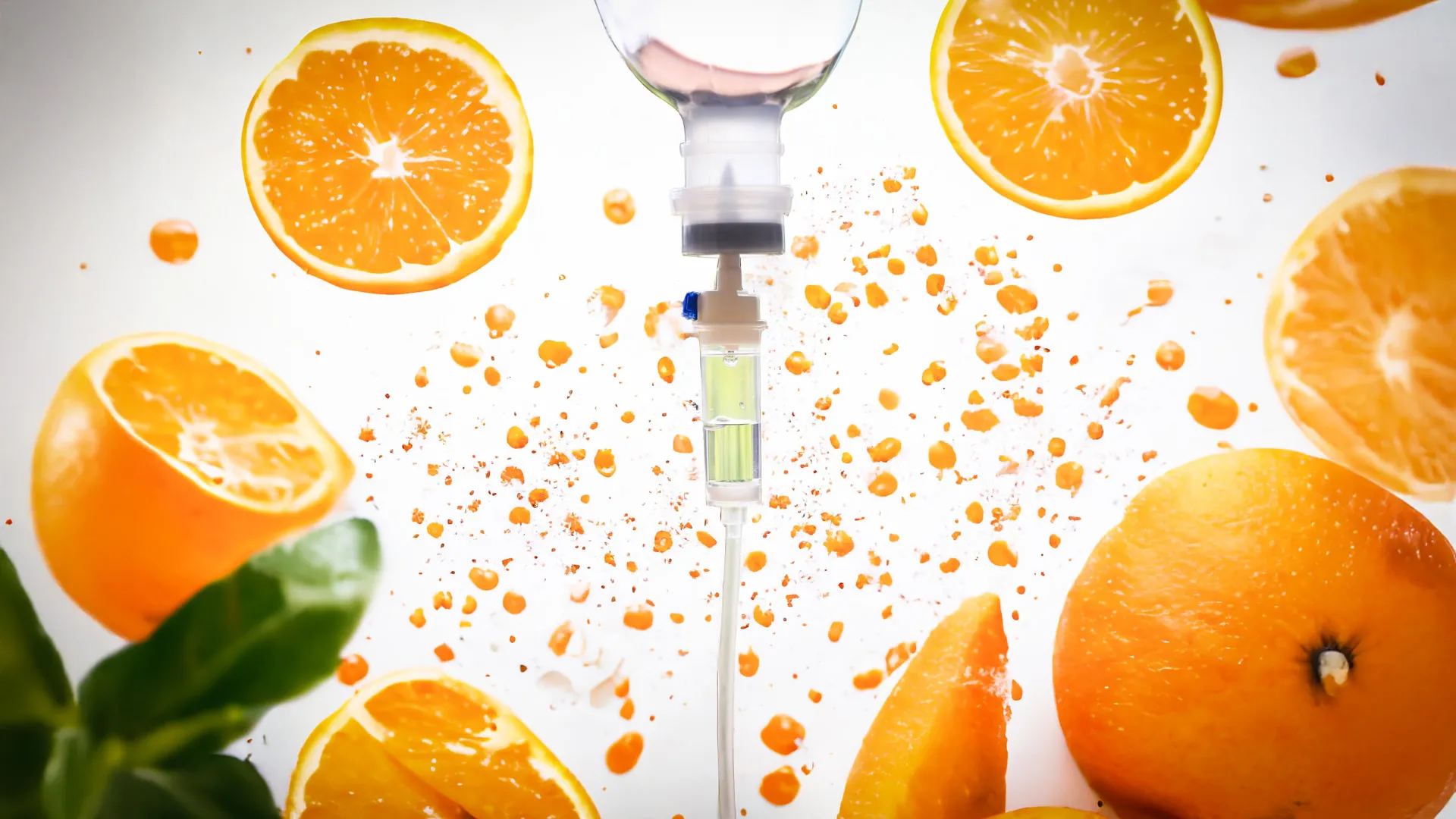
However, intravenous administration bypasses the digestive system’s "gatekeepers." When vitamin C is delivered directly into the bloodstream, it can reach concentrations 100 to 500 times higher than those achievable through oral intake. At these "pharmacologic" levels, the substance stops behaving like a nutritional supplement and begins to act like a drug. This distinction is the cornerstone of the modern re-evaluation of Pauling’s work. Pauling and Cameron’s original Scottish trials used IV delivery; the Mayo Clinic trials used only oral tablets. This discrepancy effectively meant the Mayo Clinic was testing an entirely different biological intervention.
A Pro-Oxidant Mechanism: Turning the Vitamin into a Weapon
At normal physiological levels, vitamin C is a celebrated antioxidant, protecting cells from oxidative stress by neutralizing free radicals. However, at the extreme concentrations achieved through IV delivery, its role flips. In the presence of certain metals, such as iron, high-dose vitamin C becomes a "pro-oxidant."
Research conducted in laboratory settings has shown that these high concentrations of ascorbic acid react within the tumor microenvironment to generate hydrogen peroxide. While healthy cells possess robust enzyme systems—such as catalase—to neutralize hydrogen peroxide and prevent damage, many types of cancer cells are uniquely vulnerable.
Cancer cells are often under significant metabolic stress. They grow rapidly, frequently in oxygen-deprived (hypoxic) environments, and their internal "cleanup" mechanisms are often compromised. When hit with a sudden pulse of hydrogen peroxide generated by high-dose vitamin C, the cancer cells’ DNA and energy-producing mitochondria suffer catastrophic damage. In this model, vitamin C acts as a selective, weak chemotherapeutic agent, potentially killing malignant cells while leaving healthy tissue relatively unscathed.
Chronology of Vitamin C in Cancer Research
The timeline of this research reflects a classic scientific arc of discovery, rejection, and nuanced return:
- 1954 & 1962: Linus Pauling receives his two Nobel Prizes, establishing him as a global scientific authority.
- 1970: Pauling publishes Vitamin C and the Common Cold, sparking public interest in megadoses.
- 1976: Pauling and Cameron publish their first study on IV vitamin C in terminal cancer patients, claiming a 4.2-fold increase in survival time.
- 1979-1985: The Mayo Clinic publishes results from two clinical trials showing no benefit for oral vitamin C in cancer, leading to the general abandonment of the therapy.
- 1994: Linus Pauling dies of prostate cancer, with many citing his death as proof of his theory’s failure.
- 2004: NIH researchers publish data on the pharmacokinetics of vitamin C, proving that IV delivery produces much higher blood levels than oral delivery.
- 2010s-Present: Phase I and Phase II clinical trials begin exploring IV vitamin C as an adjunct to standard chemotherapy for pancreatic, ovarian, and lung cancers.
Current Clinical Evidence and Official Responses
Modern clinical trials have moved away from viewing vitamin C as a "miracle cure" and instead focus on its role as an "adjunct therapy." The evidence currently available from small-scale trials suggests several potential benefits, though researchers remain cautious.
One of the most consistent findings in modern trials is the improvement in "quality of life" (QoL) metrics. Patients receiving IV vitamin C alongside standard chemotherapy often report significantly lower levels of fatigue, nausea, and pain. A 2014 study on ovarian cancer patients found that those receiving IV vitamin C reported fewer toxic side effects from their chemotherapy.
In terms of survival, the data remains mixed. Some small trials in pancreatic and brain cancer (glioblastoma) have shown promising signs that vitamin C might sensitize tumors to radiation and chemotherapy, potentially extending survival by several months. However, large-scale, Phase III randomized trials—the gold standard of medical evidence—are still lacking.
The medical community’s response today is one of "cautious interest." Major organizations like the National Cancer Institute (NCI) now acknowledge the biological plausibility of high-dose IV vitamin C, but they emphasize that it should not be used outside of a clinical trial or a supervised medical setting. They also warn of specific risks: high-dose vitamin C can be dangerous for individuals with kidney disease or a rare genetic condition called G6PD deficiency, which can cause red blood cells to rupture when exposed to high doses of the vitamin.
Implications and the Future of Oncology
The re-emergence of vitamin C in cancer research carries significant implications for the future of oncology and the philosophy of scientific discovery.
First, it highlights the importance of "re-evaluating the dismissed." The failure of the Mayo Clinic trials to replicate Pauling’s delivery method serves as a reminder that the methodology of a study is just as important as its results. Had the pharmacokinetics been understood in 1979, the trajectory of cancer research over the last 40 years might have looked very different.
Second, the vitamin C story underscores the challenges of funding research for non-patentable substances. Because vitamin C is a naturally occurring molecule that cannot be patented, there is little financial incentive for major pharmaceutical companies to fund the massive, expensive trials required for FDA approval. Much of the current research is being driven by academic institutions and non-profit grants, which often results in slower progress.
Finally, the legacy of Linus Pauling is being quietly rehabilitated. While he was undoubtedly wrong to suggest that oral vitamin C was a cure-all, and his advocacy sometimes bordered on the dogmatic, his fundamental intuition—that vitamin C could interact with cancer biology in a unique, dose-dependent way—has been proven correct.
As science moves forward, vitamin C is unlikely to become the "magic bullet" Pauling once envisioned. Instead, it is being refined into a potential tool within a broader oncological toolkit—a way to potentially make standard treatments more effective and more tolerable for patients. Pauling may not have been entirely right, but he was far from deluded. He was a pioneer who looked at a familiar substance and saw a potential that would take the rest of the scientific world half a century to begin to understand.
