
 By Budi Oetomo Narendra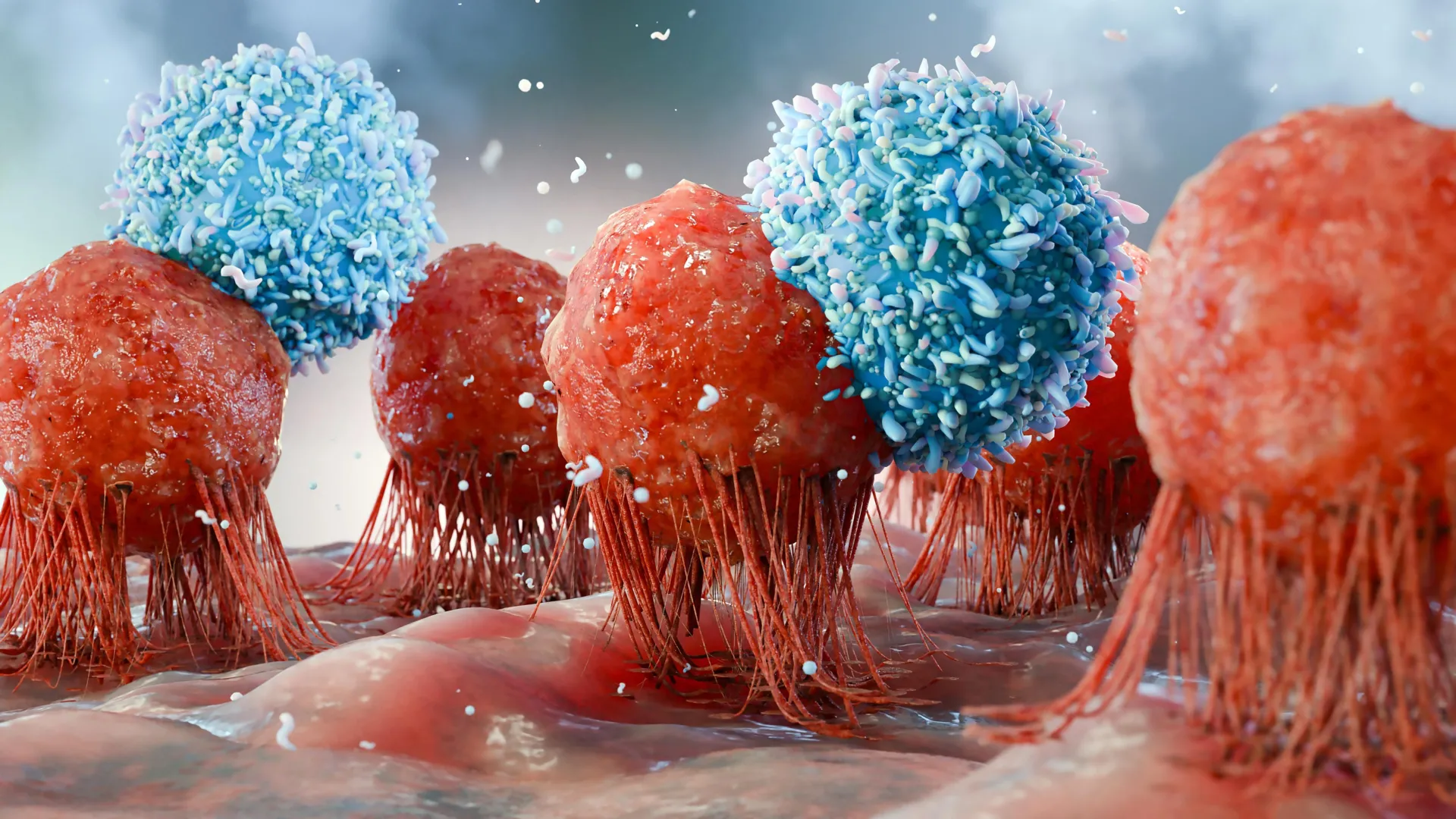
This groundbreaking research, published in the esteemed scientific journal Cell Reports, unveils a promising dietary intervention capable of enhancing the body’s innate defenses against various cancers, particularly in the context of obesity-induced immune dysfunction. The collaborative effort between two of Ireland’s leading academic institutions points towards a potentially accessible and safe method to bolster anti-tumor immunity, with profound implications for public health.
The Genesis of the Discovery: Reprogramming Immune Defenses
The study’s primary revelation is that a common yeast-based dietary supplement, specifically yeast beta-glucan, can effectively reprogram early-stage immune cells within the bone marrow of laboratory mice. This reprogramming leads to the development of stronger, more robust cancer-fighting immune responses. What makes this finding particularly significant is its application in obese mice, a population known to suffer from compromised immune function, making them more susceptible to various diseases, including cancer.
Led by Frederick Sheedy, Associate Professor in Immunology in Trinity’s School of Biochemistry and Immunology, and Helen Roche, Professor in Nutrigenomics, UCD School of Public Health, Physiotherapy and Sports Science and Director of the UCD Conway Institute, the research team embarked on an investigation into "trained immunity." Trained immunity refers to the ability of the innate immune system to respond more effectively to a secondary infection or challenge after an initial exposure, essentially developing a form of ‘memory’ akin to adaptive immunity, but within the innate system.
Dr. Anna Ledwith, a postdoctoral researcher in Prof. Roche’s group and the first author of the paper, elaborated on the study’s design. "We wanted to investigate whether a common dietary supplement, yeast beta-glucan, could reprogram early-stage immune cells in the bone marrow to produce long-lasting, enhanced anti-tumor immune responses." The research meticulously examined how dietary intake of this supplement could influence immune cell development and function.
In the controlled experiments, mice were fed either a standard diet or a high-fat diet, with a subset receiving additional yeast beta-glucan supplementation for a period ranging from 4 to 12 weeks. Following this dietary regimen, their immune systems were challenged with various types of cancer cells, including colorectal, skin, and breast cancer, providing a comprehensive assessment of the supplement’s efficacy across different tumor models. A crucial aspect of the study also involved assessing whether yeast supplementation could not only counteract immune dysfunction caused by obesity but also whether these protective effects would endure even after weight loss, addressing a critical clinical challenge.
Unpacking Trained Immunity and Beta-Glucans
To understand the profound nature of these findings, it is essential to delve into the concept of trained immunity and the role of beta-glucans. Unlike adaptive immunity, which involves highly specific B and T cells that ‘remember’ specific pathogens, trained immunity provides a broader, non-specific enhancement of innate immune responses. This ‘training’ often involves epigenetic modifications in innate immune cells, such as monocytes and macrophages, leading to altered gene expression and a more robust inflammatory response upon re-stimulation. This phenomenon has garnered significant attention in immunology for its potential to boost host defense against various threats, including infections and cancer.
Beta-glucans are polysaccharides, or complex carbohydrates, naturally found in the cell walls of yeasts, fungi, oats, and barley. While various forms of beta-glucans exist, those derived from yeast (typically Saccharomyces cerevisiae) are particularly renowned for their immunomodulatory properties. These molecules are recognized by specific receptors on immune cells, such as Dectin-1, triggering intracellular signaling pathways that lead to the epigenetic reprogramming characteristic of trained immunity. This reprogramming essentially ‘primes’ the bone marrow stem cells, which are the precursors to all immune cells, to produce progeny that are inherently more capable of mounting a strong anti-tumor response.
Professor Roche highlighted the innovative aspect of their methodology. "This is the first demonstration that dietary delivery of yeast beta-glucan is sufficient to induce trained immunity through reprogramming of bone marrow stem cells. Previous research required injections." This distinction is critical for potential clinical translation. Administering a supplement orally is far more practical, scalable, and patient-friendly than intravenous injections, paving the way for wider applicability.
The Global Burden of Obesity and Its Immune Toll
Obesity has reached epidemic proportions globally, affecting hundreds of millions of people worldwide. It is not merely a metabolic disorder but a complex condition with far-reaching health consequences, including a significant impact on immune function. Chronic low-grade inflammation, a hallmark of obesity, perturbs the delicate balance of the immune system, often leading to a state of chronic immune activation that paradoxically impairs effective responses to new threats. This immune dysregulation contributes to increased susceptibility to infections, autoimmune diseases, and, crucially, a higher risk of developing certain cancers and poorer prognosis for existing ones.
The interference with immune function makes it more challenging for the body to mount an effective response against nascent tumors or to benefit optimally from cancer therapies. The new findings from Trinity and UCD suggest that a yeast-based supplement could potentially help restore some of that lost immune activity, offering a novel strategy to mitigate one of obesity’s most dangerous collateral effects.
Professor Roche underscored the profound clinical implications of their findings, stating, "Crucially, this dietary intervention restores anti-tumor innate immunity in obese mice and reverses long-term immune memory defects that persist even after weight loss, a major unmet clinical challenge." This aspect of the research addresses a critical gap in understanding and treating obesity-related immune dysfunction. It has been observed that even after successful weight loss, some of the detrimental immune changes induced by prolonged obesity can persist, leaving individuals vulnerable. The ability of yeast beta-glucan to reverse these lingering immune memory defects presents a significant therapeutic opportunity.
Cancer: A Persistent Global Health Challenge
Cancer remains one of the leading causes of morbidity and mortality worldwide, accounting for millions of deaths annually. Despite advancements in diagnostics and treatments such as chemotherapy, radiation, surgery, and more recently, immunotherapy, the relentless search for new, effective, and safe approaches continues. Immunotherapy, which harnesses the body’s own immune system to fight cancer, has revolutionized treatment for many cancers, but it is not effective for all patients or all cancer types. The quest for complementary strategies that can enhance the efficacy of existing treatments or provide benefits to those who don’t respond well to current therapies is therefore paramount.
The prospect of a widely available, safe, and cost-effective dietary supplement capable of boosting the immune system’s cancer-fighting ability is immensely appealing. Yeast beta-glucan already enjoys a strong safety record and is sold as a dietary supplement, making it an attractive candidate for further clinical development. Its established safety profile could significantly accelerate its transition from preclinical studies to human trials, bypassing some of the lengthy and costly early-stage drug development hurdles.
The Road Ahead: From Preclinical Success to Clinical Translation
Looking to the future, Professor Sheedy articulated the exciting potential of this research: "This research paves the way for dietary intervention studies in people living with obesity, chronic infections and other immunocompromised populations." The specific yeast beta-glucan utilized in the study, WellmuneTM, produced by Kerry Group, is already food-grade and commercially available. This critical factor facilitates rapid clinical trials, as the product’s safety and manufacturing processes are already established.
The ultimate vision is for a simple dietary supplement to act as a potent adjuvant, enhancing the immune system’s capacity to combat cancer. This could work synergistically with existing treatments like chemotherapy and immunotherapy, potentially improving their efficacy and broadening their reach. Furthermore, the implications extend beyond cancer, with the potential to improve vaccine responses and enhance resistance to various infections, particularly in vulnerable populations such as the elderly or those with chronic conditions.
The researchers emphasize that these findings provide a robust foundation for initiating dietary intervention studies in human populations. Such studies would focus on individuals with obesity, those suffering from chronic infections, and other groups experiencing weakened immune function. While the mouse experiments offer compelling evidence, the scientific community awaits the outcomes of human trials to definitively confirm whether the immune benefits observed in mice can be replicated in humans. This transition from preclinical models to human clinical trials is a complex but necessary step in validating any potential therapeutic intervention.
Broader Impact on Public Health and Nutritional Science
The implications of this research extend beyond immediate cancer treatment, touching upon fundamental aspects of public health and nutritional science. If proven effective in humans, a readily available dietary supplement like yeast beta-glucan could become a powerful tool in preventative healthcare, particularly in populations at higher risk due to obesity or other immune-compromising factors. It could empower individuals with a simple, dietary means to bolster their immune resilience.
From a nutritional science perspective, this study reinforces the growing understanding of how diet profoundly impacts immune function. It highlights the potential of specific food components, or "nutraceuticals," to modulate complex biological pathways in a beneficial manner. This opens new avenues for research into personalized nutrition, where dietary recommendations could be tailored to an individual’s immune status and risk factors.
The collaboration between Trinity College Dublin and University College Dublin also underscores the importance of interdisciplinary research in tackling complex health challenges. By combining expertise in immunology, nutrigenomics, and public health, the team has produced insights that would likely not have emerged from a single disciplinary approach.
In conclusion, the discovery that dietary yeast beta-glucan can reprogram bone marrow stem cells to enhance anti-tumor immunity in obese mice represents a significant leap forward. While human trials are the next critical step, the initial findings offer a beacon of hope for a future where a simple, safe dietary supplement could play a vital role in strengthening our body’s natural defenses against cancer and other immune-related challenges, ultimately improving global health outcomes. The promise of this research resonates deeply, holding the potential to transform how we approach immune health and cancer prevention and treatment in the years to come.
