
 By Budi Oetomo Narendra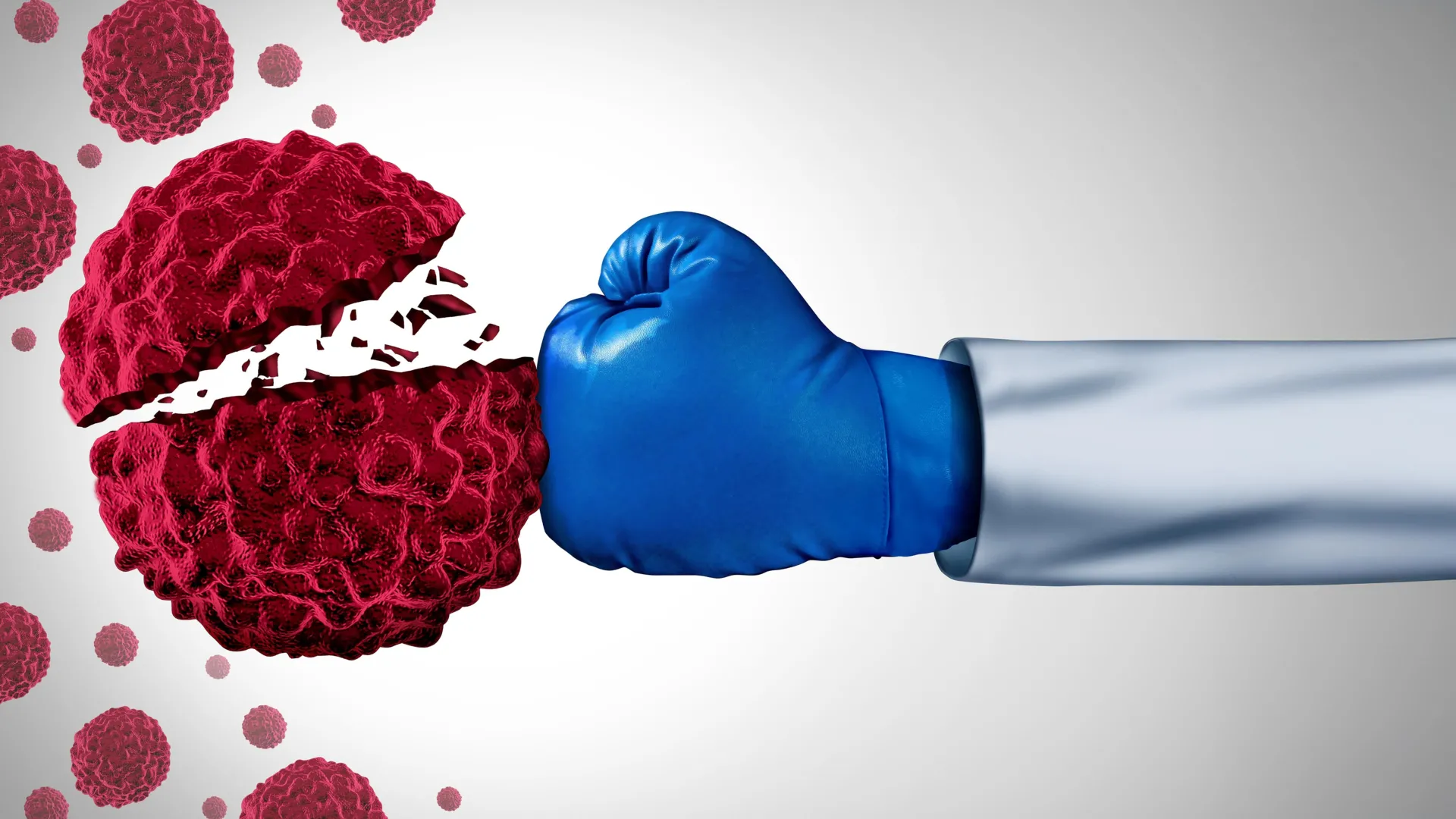
A groundbreaking new study proposes a significant shift in cancer treatment paradigms, suggesting that doctors could dramatically improve cure rates by preemptively altering therapies before a tumor has the opportunity to fully recover and develop resistance. This innovative approach, moving away from the conventional strategy of waiting for cancer to return after initial treatment, advocates for switching to an alternative therapy while the tumor is still in a state of regression. The research, spearheaded by Dr. Robert Noble from the Department of Mathematics at City, St George’s, University of London, harnesses principles of evolutionary biology to tackle one of oncology’s most formidable challenges: acquired drug resistance.
The Persistent Challenge of Drug Resistance in Oncology
Drug resistance stands as a primary obstacle in effective cancer care, frequently undermining the success of otherwise potent treatments. Globally, cancer remains a leading cause of death, with an estimated 10 million deaths in 2020, and a significant proportion of these fatalities are linked to treatment failure due to resistance. For many solid tumors, such as advanced breast, lung, and colorectal cancers, initial therapeutic success often gives way to relapse within months or a few years, as resistant cell populations emerge and proliferate.
Dr. Noble explains the fundamental mechanism: "Although tumors may at first shrink under therapy, in many cases they eventually regrow. These relapses stem from a small number of cancer cells that have gained mutations making the cells resistant to the treatment." These mutations are random changes in a cell’s genetic instructions, occurring naturally as cancer cells rapidly divide. While most mutations are harmless or even detrimental to the cell, some confer a survival advantage, particularly under the selective pressure of a chemotherapy drug or targeted therapy. If a mutation allows a cancer cell to evade the cytotoxic effects of a drug that kills its counterparts, that resistant cell can continue to multiply unchecked, eventually repopulating the tumor with its drug-resistant progeny. This phenomenon, known as clonal evolution, is a microscopic arms race between cancer cells and therapeutic interventions.
The standard clinical protocol typically involves continuing a treatment until diagnostic tests, such as imaging scans, confirm that the cancer has begun growing again – a visible relapse. Only at this juncture do clinicians usually pivot to a different drug or therapeutic modality. The critical flaw in this reactive approach, as highlighted by the new study, is that waiting for overt relapse provides surviving cancer cells ample time to evolve further. By the time a second treatment is introduced, some cancer cells may have already acquired additional mutations, rendering them resistant to the subsequent therapy as well, leading to a vicious cycle of treatment failure. This evolutionary progression of cancer cells under selective pressure mirrors the challenges observed in other biological systems, notably in the development of antibiotic-resistant bacteria.
Evolutionary Principles: A Paradigm Shift in Medical Strategy
The innovative strategy proposed by Dr. Noble and his team draws heavily from evolutionary theory, advocating for a proactive approach rather than a reactive one. Instead of waiting for the first treatment to demonstrably fail, doctors could strategically switch to a second therapy while the tumor is still responding and shrinking. The researchers aptly describe this as a "kick it while it’s down" strategy, designed to exploit the tumor’s vulnerability when its population of sensitive cells is depleted, but before resistant clones can fully establish dominance.
This concept is particularly promising for cancers where clinicians already anticipate that even the most effective initial treatments frequently succumb to resistance. By changing treatments early, the tumor is subjected to a constantly shifting selective pressure. Each new therapy presents a different challenge, making it exceedingly difficult for any single resistant group of cancer cells to gain a lasting foothold and proliferate. This continuous disruption of the evolutionary trajectory of the cancer cells could severely limit the tumor’s overall ability to adapt and survive.
The application of evolutionary thinking to medical challenges is not new, and its success in other fields provides compelling evidence for its potential in oncology. As Dr. Noble elaborates in a podcast discussing the study, "Evolutionary approaches have been very successful in other contexts, such as combating antibiotic resistance, or predicting what vaccines we should use in a particular flu season. There is every reason to suppose that similar approaches should work in tumors."
Indeed, the development of antibiotic resistance follows a remarkably similar evolutionary process. Bacteria exposed to antibiotics undergo selective pressure; those with natural or acquired resistance mutations survive and reproduce, passing their resistance genes to future generations, eventually leading to dominant resistant strains. Similarly, scientists meticulously track the rapid evolution of influenza viruses, predicting which strains are most likely to circulate in upcoming seasons to inform the composition of seasonal vaccines. This foresight, driven by evolutionary understanding, has been instrumental in public health efforts. The researchers believe that cancer treatment could derive analogous benefits from adopting this kind of evolutionary foresight.
Mathematical Models: Illuminating Tumor Evolution and Guiding Therapy
To rigorously investigate this hypothesis, Dr. Noble and his colleagues employed sophisticated mathematical tools typically used to model the evolution of plant and animal populations under various environmental pressures, such as climate change or resource scarcity. In this novel application, each cancer treatment is conceptualized as an environmental pressure, exerting selective forces on the heterogeneous tumor cell population. It effectively eliminates vulnerable, drug-sensitive cells while inadvertently allowing cells harboring useful resistance mutations to survive and potentially flourish.
These mathematical models serve as powerful predictive instruments, enabling researchers to simulate and analyze how different treatment schedules and sequences might influence the composition of the remaining cancer cell population and its subsequent growth dynamics. The models incorporate various parameters, including mutation rates, cell division rates, drug efficacy, and tumor heterogeneity, to create a dynamic representation of tumor evolution.
The team’s extensive modeling results consistently suggest that switching treatments before the tumor begins visibly regrowing could generally yield superior outcomes compared to the current standard of care. The mathematical simulations indicate that this proactive approach is more effective at controlling tumor burden and delaying or preventing relapse.
It is crucial to note, however, that these findings are currently based on theoretical mathematical modeling. While robust, the strategy necessitates rigorous validation through subsequent stages of research, including controlled laboratory experiments (in vitro and in vivo studies) and, most importantly, large-scale clinical trials involving human patients. This progression from theoretical modeling to empirical validation is a standard and essential pathway in medical research.
From Theory to Clinic: The Road Ahead
The promising nature of these mathematical predictions has already spurred early-stage clinical investigations. Currently, three small clinical trials are underway, exploring this adaptive therapy strategy in patients with soft-tissue cancer, prostate cancer, and breast cancer. These initial trials are critical for assessing the safety, feasibility, and preliminary efficacy of the "switch-before-relapse" approach in human subjects. Additional trials are actively being developed, indicating growing interest and confidence in this evolutionary-guided therapeutic paradigm.
The mathematical models also offered insights into the potential complexity of such treatment regimens, suggesting that a sequence of just two distinct treatments might not suffice in many scenarios, particularly for larger tumors with greater cellular heterogeneity and a higher likelihood of pre-existing resistance mechanisms.
"Our models predict that this new approach will generally outperform the standard of care," reiterates Dr. Noble. "A sequence of two treatments, even if optimally timed, is likely to succeed only in relatively small tumors. But we have reason to hope that switching between three or more treatments, following the same principle, could eliminate larger tumors." The rationale is that employing three or more therapies would subject cancer cells to an even more diverse and rapidly changing series of selective pressures. This significantly increases the evolutionary hurdle for the tumor, making it exponentially more difficult for any single cancer cell population to acquire the necessary suite of mutations to resist every successive treatment. The goal is to continuously outmaneuver the tumor’s adaptive capacity.
The implementation of such a strategy, however, is not without its complexities. It is not a universal panacea for every patient or every cancer type. Treatment choices would still be highly individualized, dependent on a myriad of factors including the specific tumor type, its genetic profile, tumor size, the availability and efficacy of various therapeutic agents, and the patient’s overall health and tolerance to different treatments. Furthermore, researchers would need to meticulously determine the safest and most effective timing for each therapeutic switch, a challenge that will likely require sophisticated biomarkers and real-time monitoring techniques.
Broader Impact and Implications for Future Cancer Care
This study offers a profound opportunity to fundamentally rethink cancer therapy. Instead of merely reacting to treatment failure, clinicians may eventually gain the ability to anticipate resistance and intervene proactively, preventing the tumor from regaining strength and becoming intractable. This shift from reactive to proactive management represents a significant advancement in oncology.
The implications of this evolutionary-guided approach extend across several dimensions of cancer care:
- Personalized Medicine: This strategy aligns perfectly with the burgeoning field of personalized oncology. Genomic sequencing of tumors could identify potential resistance mechanisms even before treatment begins, allowing for the selection of initial therapies and subsequent switches that are specifically tailored to the tumor’s predicted evolutionary vulnerabilities. Real-time monitoring through liquid biopsies could detect the emergence of resistant clones early, informing the precise timing of therapy switches.
- Drug Development: The insights from this research could influence the design and testing of new cancer drugs. Future drug development might focus not just on potent single agents, but on developing sequences of drugs that are evolutionarily orthogonal – meaning they exert distinct selective pressures, making it harder for cancer cells to develop cross-resistance.
- Clinical Protocols and Monitoring: Implementing adaptive therapy would necessitate refined clinical protocols and advanced monitoring technologies. Sophisticated computational models, potentially integrated with artificial intelligence and machine learning, could help oncologists determine optimal timing and sequencing of therapies for individual patients. The development of new biomarkers that predict impending resistance, rather than just overt relapse, would be crucial.
- Healthcare Economics and Patient Quality of Life: While a multi-drug sequence might initially seem more complex, successful prevention of relapse could significantly reduce the long-term burden of cancer, including costs associated with managing advanced disease and improving patient quality of life by extending periods of remission. However, the potential for increased cumulative toxicity from multiple therapies would need careful management.
- Interdisciplinary Collaboration: This study underscores the growing importance of interdisciplinary collaboration in modern medicine. The successful integration of mathematical biology, evolutionary theory, and clinical oncology highlights the power of diverse scientific perspectives in tackling complex diseases like cancer.
The full research article, detailing the mathematical models and their findings, is published in the prestigious journal Genetics. The project itself is a testament to international collaboration, having originated from the final-year master’s work of Srishti Patil, a talented student from the Indian Institute of Science Education and Research, Pune, who conducted her research under Dr. Noble’s supervision at City, St George’s, University of London. The team further comprised Armaan Ahmed, an undergraduate from Johns Hopkins University, and Dr. Noble’s long-term collaborator, Dr. Yannick Viossat of Université Paris Dauphine-PSL. This collaborative effort exemplifies the global endeavor to unravel the complexities of cancer and forge innovative pathways toward more effective treatments. While still in its early stages of clinical validation, this evolutionary approach offers a compelling vision for a future where cancer resistance can be outsmarted, offering renewed hope for patients facing this challenging disease.
