
 By Suherman Candra Maholtra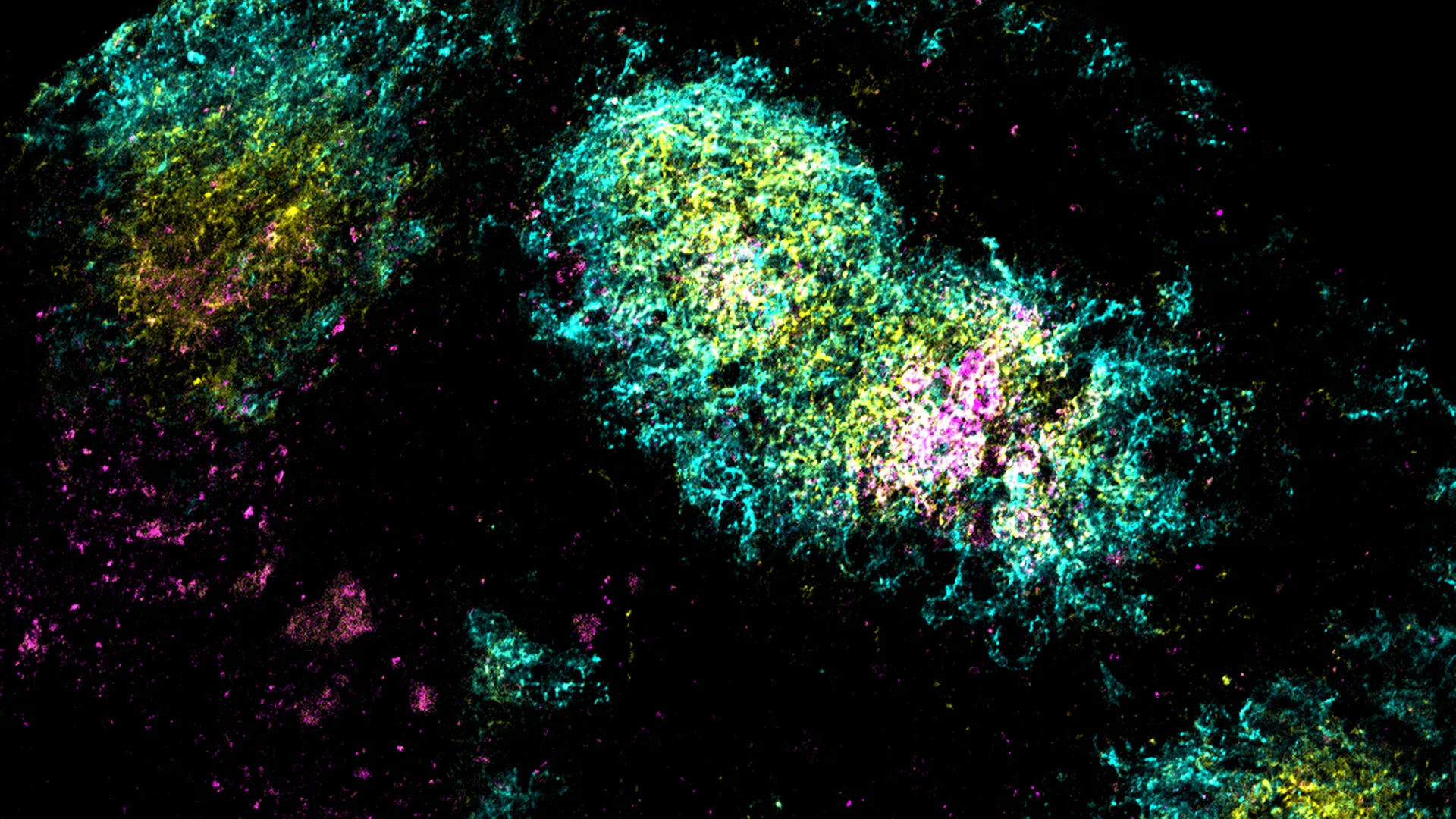
In a significant advancement for global immunology, researchers at the Massachusetts Institute of Technology (MIT) and the Scripps Research Institute have demonstrated a novel methodology capable of generating a robust immune response against the Human Immunodeficiency Virus (HIV) using only a single vaccine dose. This breakthrough, detailed in a study published in Science Translational Medicine, centers on the strategic combination of two distinct adjuvants—substances designed to amplify the body’s immune reaction to a vaccine’s active ingredients. By pairing the traditional adjuvant aluminum hydroxide with a newer, nanoparticle-based adjuvant, the research team successfully induced a prolonged and highly diverse antibody response in murine models, offering a potential blueprint for "one-and-done" vaccinations against some of the world’s most persistent pathogens.
The study, led by senior authors J. Christopher Love of MIT and Darrell Irvine of the Scripps Research Institute, addresses one of the primary hurdles in vaccinology: the need for multiple booster shots to achieve protective immunity. While multi-dose regimens are standard for many infectious diseases, they present significant logistical challenges in resource-limited settings and often suffer from high rates of patient non-compliance. The ability to achieve high-affinity antibody production through a single clinical encounter could fundamentally alter the trajectory of global health initiatives, particularly in the ongoing fight against HIV and the preparedness for future pandemics.
The Evolution of Vaccine Adjuvants and the Dual-System Strategy
To understand the significance of the MIT-Scripps study, it is necessary to examine the historical role of adjuvants in vaccine development. For nearly a century, aluminum hydroxide, commonly known as alum, has been the gold standard for protein-based vaccines, such as those for Hepatitis A and B. Alum works by stimulating the innate immune system, creating a local inflammatory environment that helps the body recognize and remember the vaccine’s antigen. However, for complex viruses like HIV, alum alone has often proven insufficient to generate the breadth and depth of immune response required for protection.
In recent years, Darrell Irvine and his colleagues developed a more sophisticated adjuvant known as SMNP (Saponin-MPLA Nanoparticles). This adjuvant utilizes saponin, a natural compound derived from the Chilean soapbark tree (Quillaja saponaria), which is already an FDA-approved component in vaccines like Shingrix. The SMNP formulation enhances saponin’s efficacy by incorporating MPLA (monophosphoryl lipid A), a molecule that triggers specific inflammatory pathways. While SMNP had already shown promise in clinical trials for HIV, the researchers hypothesized that combining the time-tested properties of alum with the modern precision of SMNP could yield synergistic effects.
In the newly published research, the team engineered a vaccine delivery vehicle where the HIV antigen—a protein known as MD39—was anchored to alum particles alongside the SMNP adjuvants. This configuration was designed not just to stimulate the immune system, but to control the physical distribution and "residence time" of the vaccine within the body’s lymphatic system.
Mechanisms of Action: The 28-Day Lymph Node Persistence
The core of the study’s success lies in how the dual-adjuvant system interacts with the lymph nodes. In a typical vaccine injection, the antigen is often cleared from the body or degraded by enzymes within a matter of days. This brief window provides limited time for B cells—the white blood cells responsible for producing antibodies—to encounter the antigen and undergo the complex maturation process required to fight a virus.
By utilizing the alum-SMNP combination, the researchers found that the vaccine particles were able to penetrate the protective subcapsular sinus of the lymph nodes more effectively. Once inside, the adjuvants prevented the HIV proteins from being prematurely fragmented. Monitoring of the vaccinated mice revealed that the MD39 antigen remained intact and concentrated within the lymph nodes for up to 28 days.
"As a result, the B cells that are cycling in the lymph nodes are constantly being exposed to the antigen over that time period, and they get the chance to refine their solution to the antigen," explained J. Christopher Love, the Raymond A. and Helen E. St. Laurent Professor of Chemical Engineering at MIT. This extended exposure mimics the conditions of a natural, chronic infection, where the immune system is forced to continuously adapt and improve its antibody production, but without the pathological risks associated with the actual virus.
Data Analysis: Antibody Diversity and B-Cell Proliferation
The quantitative results of the study underscore the potency of the dual-adjuvant approach. Using single-cell RNA sequencing, the researchers analyzed the repertoire of B cells generated in response to the vaccine. The data indicated that mice receiving the combined alum and SMNP vaccine produced a B-cell population that was significantly more diverse than those receiving either adjuvant alone or the antigen by itself.
Specifically, the dual-adjuvant vaccine resulted in a two- to three-fold increase in unique B-cell lineages. This diversity is critical for HIV vaccine development because the virus is known for its extreme mutability and its ability to shield its vulnerable sites with sugar molecules (glycans). To neutralize such a sophisticated target, the immune system must produce "broadly neutralizing antibodies" (bnAbs)—rare antibodies that can recognize and latch onto conserved regions of the virus across many different strains.
The researchers argue that by increasing the "library" of B cells that the body produces in response to a single shot, the statistical probability of developing these elusive bnAbs increases significantly. "When you think about the immune system sampling all of the possible solutions, the more chances we give it to identify an effective solution, the better," Love noted.
Chronology of Development and Collaborative Research
The development of this single-dose strategy is the culmination of several years of interdisciplinary collaboration between MIT’s Koch Institute for Integrative Cancer Research and the Ragon Institute of MGH, MIT, and Harvard. The timeline of this research reflects a steady progression from basic adjuvant science to complex molecular engineering:
- Pre-2020: Darrell Irvine’s lab perfects the SMNP nanoparticle adjuvant, demonstrating its safety and efficacy in early-stage models.
- 2021-2022: In response to the COVID-19 pandemic, the researchers began testing combined adjuvant platforms to see if they could enhance the durability of SARS-CoV-2 protein vaccines.
- 2023: Lead authors Kristen Rodrigues and Yiming Zhang conducted the pivotal murine studies, utilizing advanced single-cell sequencing to map the immune landscape post-vaccination.
- 2024: The team successfully demonstrated that the dual-adjuvant system maintains antigen integrity for nearly a month, leading to the current publication in Science Translational Medicine.
The research was supported by a broad coalition of funding bodies, including the National Institutes of Health (NIH), the National Cancer Institute, and the Howard Hughes Medical Institute. This level of support highlights the high priority that the scientific community places on developing more efficient vaccination delivery systems.
Broader Implications for Global Health and Future Pandemics
While the primary focus of this study was HIV, the implications of a successful single-dose vaccine platform extend to a wide array of infectious diseases. The researchers specifically highlighted SARS-CoV-2 and influenza as potential targets for this technology. In the event of a future pandemic outbreak, the ability to deploy a vaccine that requires only one visit to a healthcare provider would drastically speed up the achievement of herd immunity and reduce the burden on stressed medical infrastructures.
Furthermore, the "plug-and-play" nature of this approach makes it highly versatile. Because the system is compatible with many different protein-based antigens, scientists could theoretically swap out the HIV protein for a malaria protein or a flu hemagglutinin while keeping the alum-SMNP adjuvant backbone the same.
From a public health perspective, the logistical advantages are profound. In many parts of the world, maintaining the "cold chain" for multiple doses and ensuring that patients return for a second or third shot weeks apart is a major barrier to eradication efforts. A single-dose regimen would simplify supply chains and ensure that every person reached by a mobile clinic or health worker is fully immunized on the spot.
Analysis of Challenges and Next Steps
Despite the promising results in mouse models, the transition to human clinical trials involves several hurdles. Murine immune systems, while useful for initial modeling, do not always perfectly replicate the human response to HIV antigens. The next phase of research will likely involve non-human primate studies to confirm that the 28-day antigen persistence and B-cell diversity observed in mice hold true in more complex biological systems.
Additionally, the manufacturing of the dual-adjuvant vaccine must be scaled up. While alum is inexpensive and widely available, the production of SMNP nanoparticles requires specialized processes. However, Love and Irvine remain optimistic, noting that the components of the adjuvants are already well-understood and have established safety profiles in other clinical contexts.
"What’s potentially powerful about this approach is that you can achieve long-term exposures based on a combination of adjuvants that are already reasonably well-understood, so it doesn’t require a different technology," Love stated. "It’s just combining features of these adjuvants to enable low-dose or potentially even single-dose treatments."
As the scientific community continues to seek a definitive solution to the HIV epidemic—which still sees over 1.3 million new infections annually worldwide—the MIT and Scripps study provides a critical piece of the puzzle. By focusing on the "how" of vaccine delivery as much as the "what" of the antigen, this research moves the world one step closer to a future where one shot is all it takes to protect against the world’s most challenging viruses.
