
 By Suherman Candra Maholtra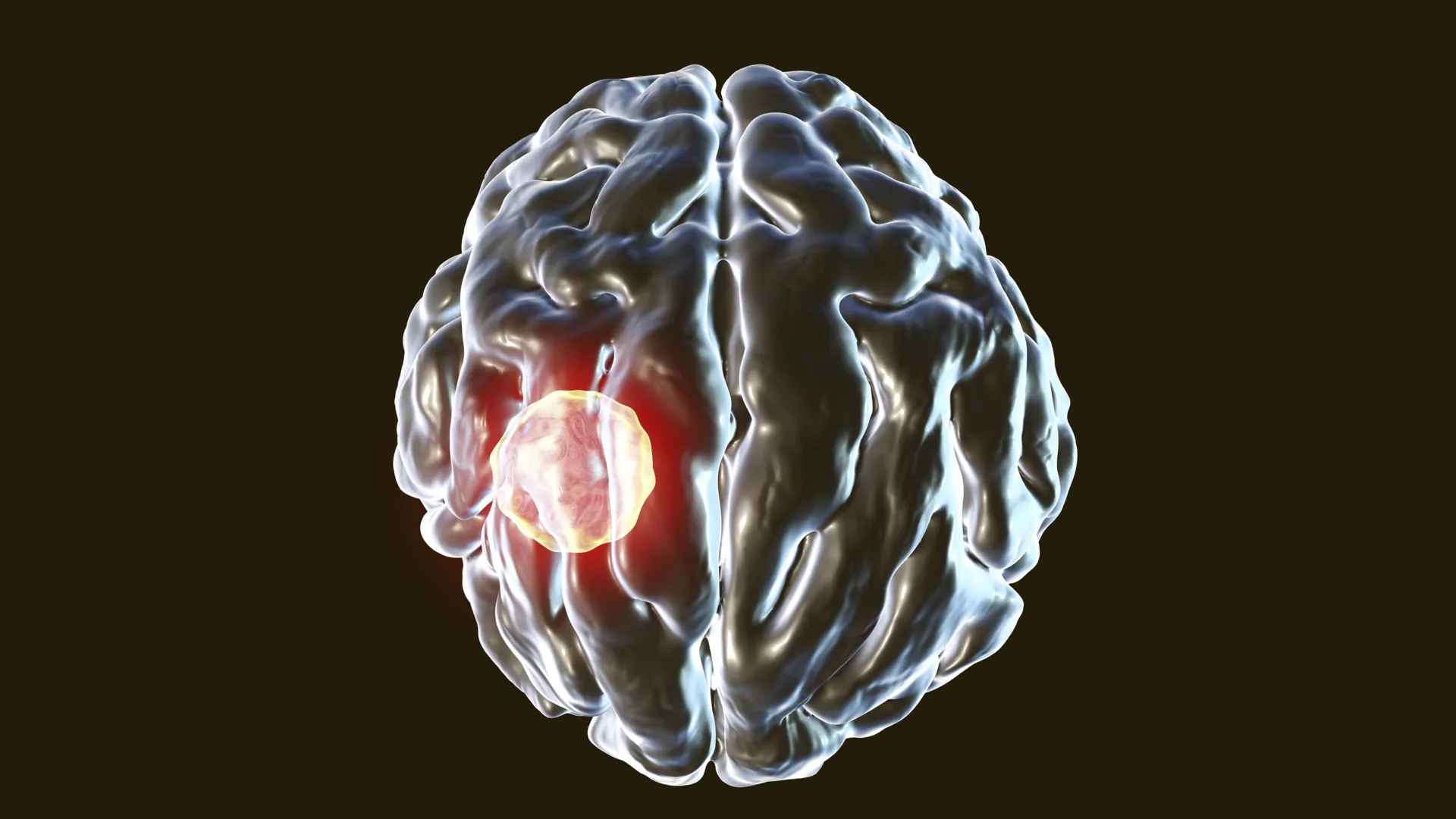
The human brain, protected by the formidable blood-brain barrier and a complex network of specialized immune responses, is often considered a sanctuary from many systemic infections. However, the parasite Toxoplasma gondii has evolved sophisticated methods to breach these defenses, establishing lifelong residency in the central nervous system of nearly one-third of the global population. While this parasite often remains dormant, it poses a lethal threat to those with compromised immune systems. New groundbreaking research from the University of Virginia School of Medicine has finally unraveled a critical mystery: how the body prevents this parasite from overwhelming the brain when the very cells meant to destroy it become the parasite’s prey.
Led by Tajie Harris, PhD, the director of the Center for Brain Immunology and Glia (BIG Center), the research team discovered that the immune system utilizes a "scorched earth" policy to halt the spread of T. gondii. When the parasite infects CD8+ T cells—the "special forces" of the immune system responsible for hunting down pathogens—these T cells execute a self-destruct sequence. By opting to die, the T cells deprive the parasite of the cellular environment it requires to survive and replicate, effectively ending the infection’s progression within that specific cell line.
The Global Burden and Biology of Toxoplasma gondii
Toxoplasma gondii is an obligate intracellular protozoan parasite, meaning it cannot complete its life cycle or reproduce without inhabiting the cells of a host. While it can infect almost any warm-blooded animal, its definitive hosts are felids, such as domestic cats. Humans typically become infected through the ingestion of oocysts found in contaminated soil, water, or cat litter, or by consuming undercooked meat containing tissue cysts.
According to data from the Centers for Disease Control and Prevention (CDC), over 40 million people in the United States alone carry the parasite. Globally, prevalence rates vary significantly by region, with some areas reporting infection rates as high as 60% to 80%. In healthy individuals, the immune system successfully sequesters the parasite into "bradyzoites" or slow-growing cysts, primarily in the brain and muscle tissue. In this latent state, the carrier remains asymptomatic.
However, the stakes change dramatically for the immunocompromised. Individuals living with HIV/AIDS, patients undergoing aggressive chemotherapy, and organ transplant recipients are at high risk for toxoplasmic encephalitis—a severe inflammation of the brain that can lead to seizures, neurological deficits, blindness, and death. Furthermore, congenital toxoplasmosis remains a significant concern, as the parasite can cross the placenta, leading to potential fetal brain damage or miscarriage.
The UVA Study: Unmasking the Caspase-8 Mechanism
The research, recently published in the prestigious journal Science Advances, focused on the interaction between T. gondii and CD8+ T cells. Traditionally, CD8+ T cells are viewed as the aggressors; they identify infected cells and release cytotoxic granules to destroy them. However, T. gondii is capable of turning the tables, actively invading these T cells to use them as a "Trojan Horse" to move throughout the body and into the brain.
Dr. Harris and her colleagues sought to understand why the parasite does not simply use these immune cells to dismantle the body’s defenses from the inside out. They identified a powerful enzyme known as caspase-8 as the primary regulator of this interaction. Caspase-8 is a cysteine-aspartic acid protease that serves as a molecular switchboard for cell death. Depending on the signals it receives, it can trigger apoptosis—a programmed form of cell suicide that is clean, controlled, and does not trigger excessive inflammation.
The team utilized advanced genetic modeling to observe the effects of caspase-8 deficiency. In laboratory experiments, they compared standard mice with a group of mice specifically engineered to lack caspase-8 only within their T cells.
Experimental Evidence and Striking Results
The results of the UVA study were definitive. When both groups of mice were exposed to T. gondii, they both mounted an initial immune response. However, the outcomes diverged sharply as the infection progressed toward the brain.
In the mice with functioning caspase-8, the CD8+ T cells behaved as the researchers hypothesized: once infected by the parasite, the T cells underwent programmed cell death. This stopped the parasite in its tracks. These mice remained largely healthy, showing typical levels of resistance to the infection.
In contrast, the mice lacking caspase-8 in their T cells suffered a catastrophic failure of immune control. Without the ability to trigger apoptosis, the infected T cells remained alive, providing a safe harbor for the parasite to replicate and spread. The brain tissue of these mice showed significantly higher parasite loads. Ultimately, these mice became severely ill and died, demonstrating that the "suicide" of immune cells is not a failure of the system, but a vital defensive maneuver.
"We scoured the scientific literature to find examples of pathogens infecting T cells. We found very few examples," Dr. Harris noted. "Now, we think we know why. Caspase-8 leads to T cell death. The only pathogens that can live in CD8+ T cells have developed ways to mess with Caspase-8 function."
A Chronology of Discovery in Toxoplasmosis Research
The UVA study represents a significant milestone in a scientific journey that began over a century ago.
- 1908: Toxoplasma gondii was first identified by Nicolle and Manceaux in a North African rodent called the gundi.
- 1939: The parasite was identified as a cause of human congenital disease.
- 1970: The life cycle was fully elucidated, identifying cats as the definitive host.
- 1990s-2000s: Research focused on the role of Interleukin-12 and Interferon-gamma in controlling the parasite, establishing the groundwork for how the immune system signals for help.
- 2010s: Scientists began investigating the "Trojan Horse" theory, observing that the parasite uses dendritic cells and macrophages to travel.
- 2024: The UVA Health study identifies the specific molecular "kill switch" (caspase-8) that prevents T cells from being exploited as long-term hosts.
This timeline highlights a shift in focus from merely identifying the parasite to understanding the intricate molecular "arms race" between the host’s immune system and the pathogen’s survival tactics.
Broader Implications for Immunology and Clinical Medicine
The discovery that caspase-8 is essential for controlling T. gondii in the brain has profound implications for several fields of medicine.
1. Immunodeficiency and Vulnerability
For patients with weakened immune systems, the failure of the caspase-8 pathway could explain why their bodies cannot keep Toxoplasma in check. If a patient’s T cell function is inhibited—either by disease or medication—the parasite loses its primary "check" and can proliferate unchecked in the brain. This research provides a specific target for future therapies aimed at bolstering these natural defenses in high-risk patients.
2. The Blood-Brain Barrier and "Privileged" Immunity
The brain is an "immunologically privileged" site, meaning the immune response there is highly regulated to prevent collateral damage to neurons. The fact that CD8+ T cells use a clean death (apoptosis) via caspase-8 is significant because it minimizes inflammation in the delicate environment of the brain. Understanding this mechanism helps scientists understand how the body manages infections in other sensitive organs.
3. Vaccine Development
Currently, there is no human vaccine for Toxoplasma gondii. By understanding the specific role of caspase-8 and CD8+ T cells, researchers can better design vaccines that stimulate the "correct" type of immune response—one that not only produces antibodies but also primes T cells to utilize these self-destruction pathways if they become compromised.
Expert Reactions and the "One Health" Perspective
While the study was conducted primarily in a laboratory setting, the scientific community has viewed the findings as a major step forward in "One Health"—the collaborative effort to attain optimal health for people, animals, and the environment.
Inferred reactions from the broader pathological community suggest that this study clarifies why T. gondii is such a successful "generalist" parasite. By forcing the host to use a cell-death mechanism, the parasite ensures that in most healthy hosts, it remains at low enough levels to not kill the host, thereby ensuring its own long-term survival and eventual transmission.
Dr. Harris’s team, which included Lydia A. Sibley, Maureen N. Cowan, and other prominent researchers from UVA’s Department of Neuroscience, emphasized that this is just the beginning. The BIG Center is now looking at whether other brain-targeting pathogens, such as certain viruses or other parasites, are subject to similar caspase-8-mediated controls.
Conclusion: A New Frontier in Brain Health
The University of Virginia’s discovery transforms our understanding of the relationship between the brain and the immune system. It reveals a sophisticated level of cellular sacrifice where the death of an individual immune cell ensures the survival of the organism.
As the global scientific community continues to grapple with the long-term effects of chronic infections on brain health, the role of caspase-8 will likely become a focal point for new drug trials and diagnostic tools. For the millions of people living with Toxoplasma gondii, this research offers a reassuring glimpse into the powerful, invisible battle being waged every day to keep their brains safe.
The study was supported by numerous grants from the National Institutes of Health (NIH) and internal fellowships from the University of Virginia, reflecting the high priority placed on neurological and immunological research. As Dr. Harris concluded, "Understanding how the immune system fights Toxoplasma is important for several reasons… now we have a better understanding of why and how we can help patients fight this infection."
