
 By Suherman Candra Maholtra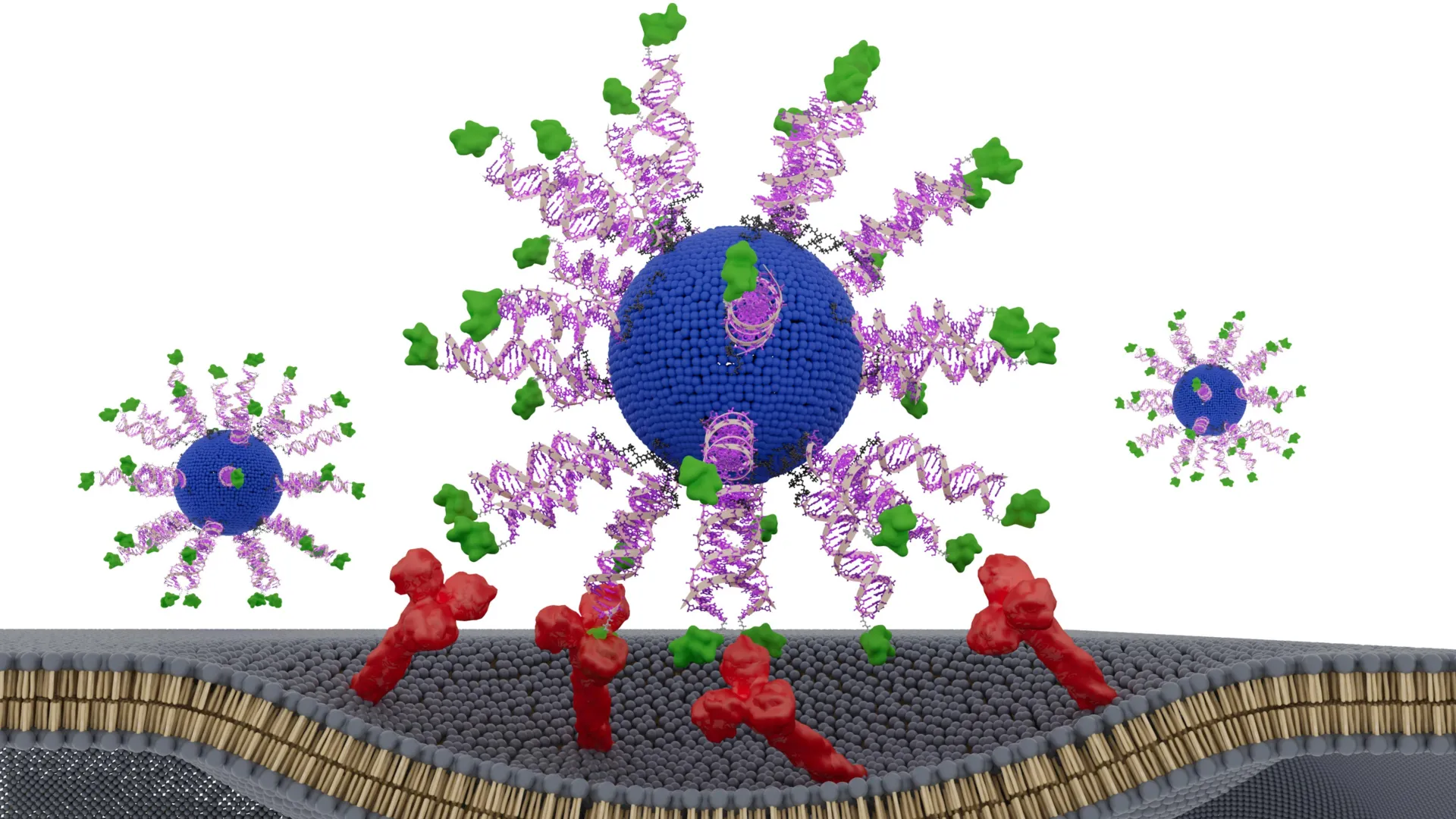
The landscape of immunotherapy has long been defined by the quest for the perfect "active ingredient"—the specific protein or genetic sequence that can train the human immune system to recognize and destroy malignant cells. However, a decade of research at Northwestern University has culminated in a paradigm-shifting discovery: the efficacy of a vaccine is determined not just by its chemical composition, but by the precise spatial arrangement of its components at the nanoscale. In a study published on February 11 in the journal Science Advances, researchers demonstrated that the physical architecture of a vaccine can be the difference between a negligible immune response and a potent, tumor-annihilating defense.
Led by nanotechnology pioneer Chad A. Mirkin and oncologist Jochen Lorch, the research team focused on therapeutic vaccines for cancers driven by the human papillomavirus (HPV). By utilizing a platform known as Spherical Nucleic Acids (SNAs), the scientists proved that moving a single targeting peptide from the interior of a nanoparticle to its surface—and orienting it in a specific direction—could increase the production of cancer-killing T cells by eightfold. This breakthrough provides a foundational framework for the emerging field of "structural nanomedicine," suggesting that the pharmaceutical industry may have spent decades overlooking potent medicines simply because they were formulated in the wrong physical configuration.
The Evolution of Vaccine Design: From Mixtures to Architecture
For over a century, vaccine development has relied on what Dr. Mirkin describes as the "blender approach." In this traditional model, researchers identify an antigen (a molecule from the pathogen or tumor) and an adjuvant (a chemical that jumpstarts the immune system). These ingredients are mixed into a solution and administered to the patient. While this method has been successful for many infectious diseases, it has frequently failed in the complex arena of oncology.
The limitation of the blender approach lies in its lack of structural control. When ingredients are floating freely or haphazardly clumped together, the immune system’s antigen-presenting cells (APCs) may encounter the adjuvant without the antigen, or vice versa. This can lead to a weak immune response or, in some cases, immune tolerance, where the body learns to ignore the cancer rather than attack it.
Over the last ten years, the Northwestern team has worked to replace this haphazard mixing with "bottom-up" engineering. By using SNAs—globular structures consisting of a core decorated with high-density DNA or RNA strands—the researchers can precisely control where every molecule is placed. This level of precision allows scientists to dictate exactly how an immune cell "sees" and processes the vaccine.
The Clinical Context: Addressing the HPV Crisis
The study’s focus on HPV-driven cancers addresses a significant and growing global health burden. While preventive vaccines like Gardasil have been highly effective at preventing new infections, they offer no therapeutic benefit to the millions of individuals already living with HPV-related malignancies. HPV is the primary cause of nearly all cervical cancers and is increasingly linked to a rising tide of head and neck cancers, particularly oropharyngeal squamous cell carcinoma.
Current treatments for advanced HPV-positive head and neck cancers often involve aggressive surgery, radiation, and chemotherapy, which can leave patients with permanent impairments in speech and swallowing. Therapeutic vaccines offer the promise of a more targeted, less toxic alternative. However, previous attempts to create HPV vaccines have often struggled to generate a sufficiently robust CD8+ "killer" T cell response—the primary immune mechanism required to infiltrate and destroy established tumors.
Experimental Methodology: The Power of Orientation
To test the impact of structure on vaccine potency, the Northwestern team developed several variations of an SNA-based vaccine. Each version contained the exact same chemical ingredients: a lipid-based core, immune-stimulating DNA sequences (the adjuvant), and a peptide fragment from the E7 protein found in HPV-positive tumors (the antigen).
The researchers created three distinct configurations to determine how the placement of the E7 peptide influenced the immune response:
- Encapsulated: The peptide was hidden inside the lipid core of the nanoparticle.
- Surface-Linked (C-terminus): The peptide was attached to the outer shell of the DNA strands via its C-terminus (the "tail" end of the protein chain).
- Surface-Linked (N-terminus): The peptide was attached to the outer shell via its N-terminus (the "head" end of the protein chain).
The results were stark. Despite having identical chemical profiles, the vaccines performed differently in both animal models and human patient samples. The version that presented the antigen on the surface via the N-terminus was the clear winner. This configuration triggered a massive release of interferon-gamma, a critical signaling protein that coordinates the immune system’s attack on cancer. In humanized mouse models, this "optimized" vaccine led to significant tumor shrinkage and prolonged survival, whereas the other configurations showed only modest effects.
Supporting Data: Quantifying the Structural Advantage
The data gathered during the study highlights the sensitivity of the immune system to molecular geometry. When comparing the N-terminus surface-attached vaccine to the traditional "blender" mixture of the same components, the researchers observed:
- Interferon-Gamma Production: An eightfold increase in the secretion of this vital anti-tumor cytokine from T cells.
- T Cell Activation: A significantly higher frequency of "memory" T cells, which provide long-term protection against cancer recurrence.
- Patient Sample Efficacy: In tumor samples taken from patients at the Northwestern Medicine Head and Neck Cancer Program, the optimized SNA vaccine increased the rate of cancer cell destruction by two to three times compared to non-optimized versions.
Dr. Jochen Lorch, the medical oncology director of the Head and Neck Cancer Program, noted that these improvements were achieved without increasing the dosage or adding new, potentially toxic chemicals. "The immune system is sensitive to the geometry of molecules," Lorch explained. "By optimizing how we attach the antigen, we ensure the immune cells process it more efficiently, leading to a much more aggressive response against the tumor."
The Emergence of Structural Nanomedicine
The findings at Northwestern are the cornerstone of a new field Chad Mirkin has dubbed "structural nanomedicine." This discipline posits that the "structure-function relationship"—a concept long accepted in biology regarding how a protein’s shape determines its role—must now be applied to the design of synthetic medicines.
The implications of this shift are profound. In the traditional pharmaceutical pipeline, a drug candidate that fails a clinical trial is often discarded. However, Mirkin’s work suggests that many of these "failed" drugs may have been chemically sound but structurally flawed.
"We may have passed up perfectly acceptable vaccine components simply because they were in the wrong configurations," Mirkin stated. "The promise of structural nanomedicine is being able to identify from the myriad possibilities the configurations that lead to the greatest efficacy and least toxicity."
This approach also aligns with the push toward personalized medicine. Because SNAs are modular, they can be "reprogrammed" with different antigens for different types of cancer. To date, Mirkin’s lab has successfully tested SNA vaccine designs for melanoma, prostate cancer, colon cancer, and triple-negative breast cancer.
Future Horizons: AI and Clinical Integration
Looking forward, the Northwestern team aims to utilize artificial intelligence to accelerate the discovery of optimal vaccine structures. With thousands of variables involved in the assembly of a nanoparticle—including particle size, DNA density, and peptide orientation—the number of possible combinations is astronomical. Machine learning algorithms can analyze data from studies like this one to predict which structural arrangements will yield the highest immune activation, potentially shortening the development cycle for new vaccines by years.
The clinical momentum for SNAs is already building. Currently, seven different SNA-based drugs are in various stages of human clinical trials for a range of conditions. Furthermore, the technology has found widespread commercial success, with SNAs integrated into more than 1,000 products used in research and diagnostics globally.
As the medical community moves away from the "blender approach" and toward the precision of structural nanomedicine, the focus of drug development will likely shift from discovering new molecules to mastering the architecture of existing ones. The Northwestern study serves as a definitive proof of concept that in the fight against cancer, the way a medicine is built is just as important as what it is built from.
The study was a collaborative effort involving the International Institute of Nanotechnology, the Robert H. Lurie Comprehensive Cancer Center, and the Feinberg School of Medicine. Funding was provided by the National Cancer Institute and the Lefkofsky Family Foundation, underscoring the high-level institutional support for this transformative approach to immunotherapy.
