
 By admin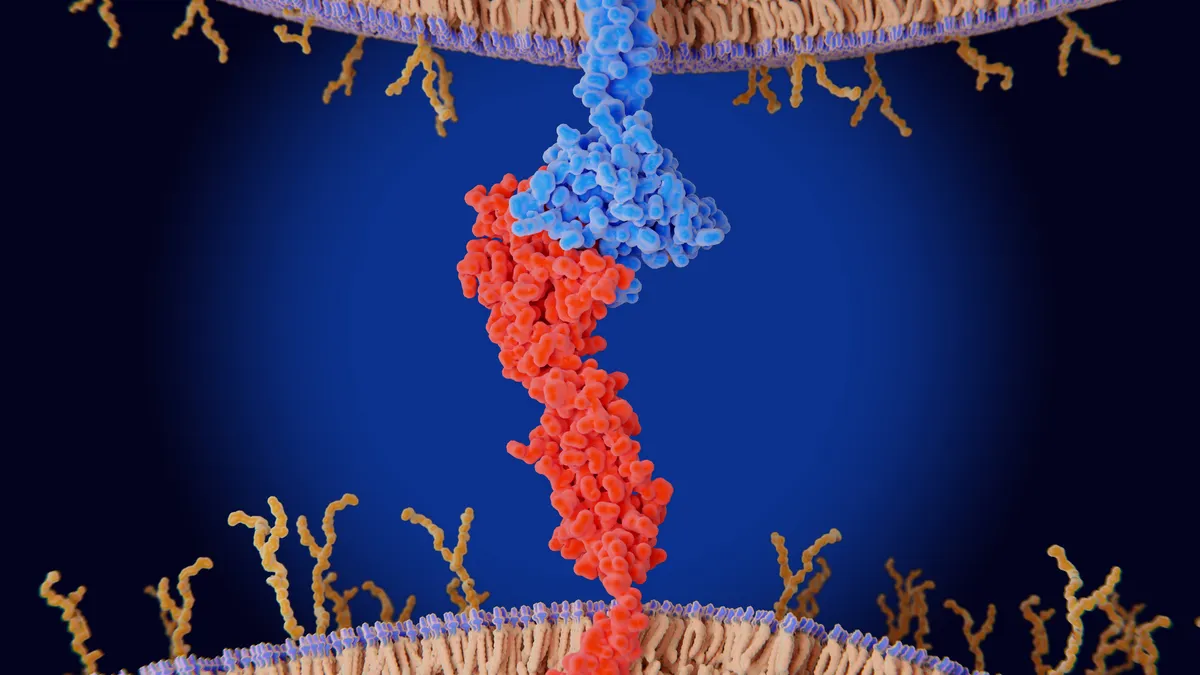
In a significant development poised to reshape the competitive landscape of non-small cell lung cancer (NSCLC) treatment, Akeso and Summit Therapeutics have unveiled compelling new Phase 3 data for their experimental dual-acting cancer drug, ivonescimab. The findings, presented at the prestigious World Conference on Lung Cancer meeting in South Korea on September 14, 2026, reveal that ivonescimab significantly extended overall survival (OS) compared to Merck & Co.’s established blockbuster immunotherapy, Keytruda (pembrolizumab), in patients with advanced NSCLC. This head-to-head comparison, a rare and highly anticipated event in oncology, has not only impressed Wall Street but also begun to quell persistent doubts regarding the global applicability and clinical superiority of this novel bispecific antibody.
The HARMONi-2 trial, a pivotal Phase 3 study, demonstrated that patients treated with ivonescimab lived a median of 30.8 months, an impressive 8.2 months longer than those who received Keytruda, who had a median OS of 22.6 months. This translates to a 27% reduction in the relative risk of death for patients on ivonescimab, a statistically significant and clinically meaningful outcome. Furthermore, the data showed an even more pronounced benefit in a crucial subset of patients whose tumors expressed high levels of PD-L1, a protein targeted by both medications. This subset analysis is particularly vital as Keytruda is often used as a single agent in this specific patient population, making ivonescimab’s performance a direct challenge to the current standard of care.
The Quest for Keytruda’s Successor: A High-Stakes Battle
Keytruda has long been the cornerstone of NSCLC treatment, particularly for patients with PD-L1 positive tumors, since its initial accelerated approval in 2014. As a programmed cell death protein 1 (PD-1) inhibitor, it works by blocking the PD-1 pathway, thereby releasing the brakes on the immune system and allowing T-cells to attack cancer cells. Its market dominance has been profound, generating tens of billions in revenue annually for Merck and setting a high bar for any new therapeutic contender. However, despite its success, a significant proportion of patients either do not respond to PD-1 monotherapy or eventually develop resistance, driving an urgent need for more effective treatments.
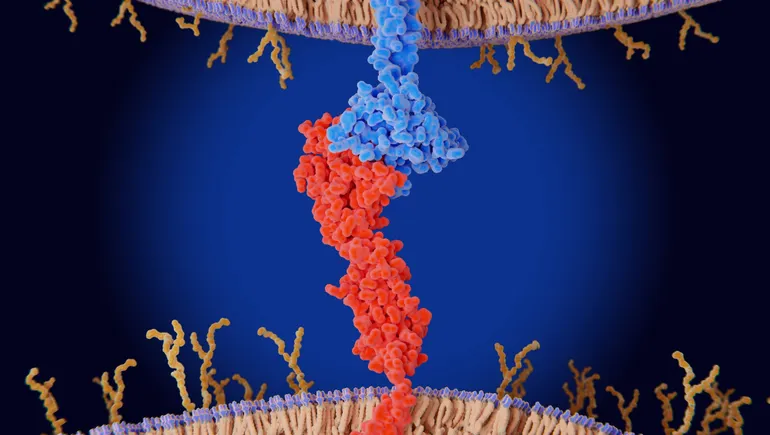
Ivonescimab, developed by Akeso and licensed globally to Summit Therapeutics, represents a new class of bispecific antibodies. Unlike Keytruda, which targets only PD-1, ivonescimab simultaneously targets both PD-1 and vascular endothelial growth factor (VEGF). The rationale behind this dual targeting is compelling: PD-1 blockade unleashes anti-tumor immunity, while VEGF inhibition aims to disrupt tumor angiogenesis (the formation of new blood vessels that feed the tumor) and normalize the tumor microenvironment, potentially making it more hospitable for immune cell infiltration and activity. This synergistic approach is hypothesized to overcome some of the limitations of single-target immunotherapies. The industry has been keenly watching therapies like ivonescimab, often referred to as potential "Keytruda heirs," to see if their novel mechanisms can indeed offer a meaningful advantage over existing standards.
HARMONi-2: A Timeline of Anticipation and Revelation
The journey of ivonescimab through the HARMONi-2 trial has been marked by intense scrutiny and anticipation. The study, designed to compare ivonescimab with Keytruda in patients with advanced NSCLC, first made waves with its progression-free survival (PFS) data. Earlier cuts from HARMONi-2 had already indicated that ivonescimab could significantly delay disease progression or death, an early signal that the bispecific approach held promise. These initial positive findings, though preliminary, were sufficient to generate considerable excitement and investment interest in Summit Therapeutics.
The latest data cut, evaluating the more definitive and clinically significant endpoint of overall survival, was the moment of truth. Overall survival is considered the gold standard in oncology trials, as it directly measures the length of time patients live, providing the clearest indication of a drug’s ultimate benefit. The positive OS results not only validate the earlier PFS findings but also solidify ivonescimab’s potential to become a foundational therapy in lung cancer.
Addressing the "China Data" Conundrum
One of the primary sources of skepticism surrounding ivonescimab’s early data stemmed from the fact that HARMONi-2 was largely conducted in China by Akeso, the drug’s original developer. Clinical trials conducted predominantly in one geographic region, particularly China, often raise questions about the generalizability of their results to broader global populations. Differences in patient demographics, genetic backgrounds, disease prevalence, prior treatment histories, and healthcare practices can sometimes influence trial outcomes, making direct extrapolation challenging.
However, the robust and consistent overall survival benefit observed in HARMONi-2, particularly the significant median OS extension and risk reduction, has largely alleviated these concerns. While further global trials are essential for regulatory approvals outside China, the magnitude of the benefit observed suggests a fundamental biological effect that is unlikely to be solely confined to the Chinese patient population. This strong performance helps build confidence that ivonescimab’s efficacy could indeed translate across diverse patient groups, paving the way for its potential adoption in Western markets. Akeso has already secured approval for ivonescimab in combination with chemotherapy in China by the National Medical Products Administration (NMPA) for second-line EGFRm NSCLC, based on data from the HARMONi-A trial, further underscoring its clinical utility in its home market.
Spotlight on High PD-L1 Expression: The HARMONi-7 Connection
A critical aspect of the HARMONi-2 results was the subgroup analysis focusing on patients with high PD-L1 expression. In this particular cohort, ivonescimab demonstrated an even more impressive 42% reduction in the relative risk of death compared to Keytruda. This finding holds immense strategic importance, as patients with high PD-L1 expression are precisely the group for whom Keytruda is most commonly used as a monotherapy in the first-line setting.

This strong performance in the high PD-L1 subgroup offers a crucial read-through for another ongoing pivotal trial: HARMONi-7. This study is specifically designed to support regulatory approval in the U.S. and other key markets, focusing precisely on NSCLC patients with high PD-L1 expression. The HARMONi-2 data provides substantial encouragement that HARMONi-7 will also yield positive results, potentially positioning ivonescimab to directly challenge Keytruda’s dominance in this lucrative and clinically important segment of the NSCLC market.
Wall Street’s Divided Verdict: Bullish Optimism vs. Cautious Skepticism
The release of the HARMONi-2 overall survival data immediately sent ripples through the financial markets, eliciting a bifurcated response from industry analysts.
On one side, analysts like Tyler Van Buren of TD Cowen viewed the results as an unequivocal victory for Summit and Akeso. In a client note, Van Buren lauded the findings, stating that they "not only validate ivonescimab’s earlier [progression-free survival] benefit, but also strengthen confidence that a PD-1/VEGF bispecific can outperform PD-1 monotherapy on the endpoint that matters most to physicians." This perspective emphasizes the clinical significance of overall survival and the potential for a bispecific antibody to set a new benchmark in lung cancer treatment. The clear survival advantage positions ivonescimab as a credible threat to Keytruda’s market share, fueling bullish sentiment on the drug’s commercial prospects.
Conversely, Daina Graybosch, an analyst at Leerink Partners, maintained a more cautious stance, highlighting the intensely competitive landscape. In her analysis, Graybosch pointed to overall survival numbers in the broader HARMONi-2 population that, while positive, fell short of the performance observed with "Sac-TMT," an antibody-drug conjugate (ADC) being developed by Merck in partnership with the Chinese biotechnology company Kelun. Sac-TMT, in a similar patient population, demonstrated an even greater reduction in the relative risk of death, reportedly around 45%. This comparison underscores the rapid evolution of oncology therapeutics, where bispecific antibodies like ivonescimab are not only competing with established immunotherapies but also with a new wave of highly potent ADCs.
Graybosch’s skepticism boils down to the question of which emerging therapeutic modality – "bio-better VEGF/PD-1" (like ivonescimab) or "bio-better chemo" (a term often used for ADCs due to their targeted chemotherapy delivery) – is more likely to capture a significant portion of Keytruda’s vast revenues. This debate reflects a broader industry challenge: as new mechanisms of action emerge, companies must not only prove superiority over current standards but also differentiate themselves from other innovative approaches vying for market leadership.
Broader Implications: The Evolving Landscape of Lung Cancer Therapy

The HARMONi-2 data for ivonescimab marks a pivotal moment in the ongoing evolution of lung cancer treatment. For years, the focus has been on immune checkpoint inhibitors, with PD-1/PD-L1 blockade leading the charge. While immensely successful, these therapies have limitations, prompting researchers to explore combination strategies and novel mechanisms. Ivonescimab’s success highlights the potential of bispecific antibodies to offer a multi-pronged attack on cancer, combining immune modulation with other anti-tumor effects like anti-angiogenesis.
This development also intensifies the rivalry in the oncology space. Merck, while facing a challenge to its Keytruda franchise, is simultaneously investing heavily in its own next-generation assets, such as Sac-TMT. This scenario sets the stage for a dynamic future where multiple innovative platforms—including bispecific antibodies, antibody-drug conjugates, and potentially novel cell therapies—will vie for supremacy. The ultimate beneficiaries of this intense competition will be patients, who stand to gain access to increasingly effective and tailored treatment options.
Regulatory Pathway and Commercial Outlook
With approval already secured in China, Summit Therapeutics is now focused on the global regulatory pathway for ivonescimab. The robust overall survival data from HARMONi-2, particularly the strong performance in the high PD-L1 subset, provides a solid foundation for discussions with regulatory bodies like the U.S. Food and Drug Administration (FDA) and the European Medicines Agency (EMA). While HARMONi-7 is expected to be a key registrational trial for Western markets, the comprehensive HARMONi-2 data will undoubtedly strengthen Summit’s submission package.
The commercial implications for Summit and Akeso are substantial. If ivonescimab gains broad approval in major markets, it has the potential to become a multi-billion-dollar drug, significantly disrupting the established market order. The challenge for Summit will be to effectively commercialize the drug globally, leveraging the compelling clinical data to drive physician adoption and secure favorable reimbursement policies. For Merck, while Keytruda’s legacy is secure, the emergence of ivonescimab signals the beginning of an era where its market share will increasingly be contested by highly efficacious next-generation therapies.
In conclusion, the HARMONi-2 trial results for ivonescimab represent a significant leap forward in the treatment of advanced NSCLC. By demonstrating superior overall survival against the long-standing benchmark of Keytruda, Akeso and Summit Therapeutics have not only validated their innovative bispecific antibody approach but also offered new hope for patients seeking more durable and effective treatment options. The coming years will reveal how this new contender reshapes the standard of care and influences the strategic decisions of pharmaceutical giants navigating an increasingly competitive and rapidly evolving oncology landscape.
