
 By Budi Oetomo Narendra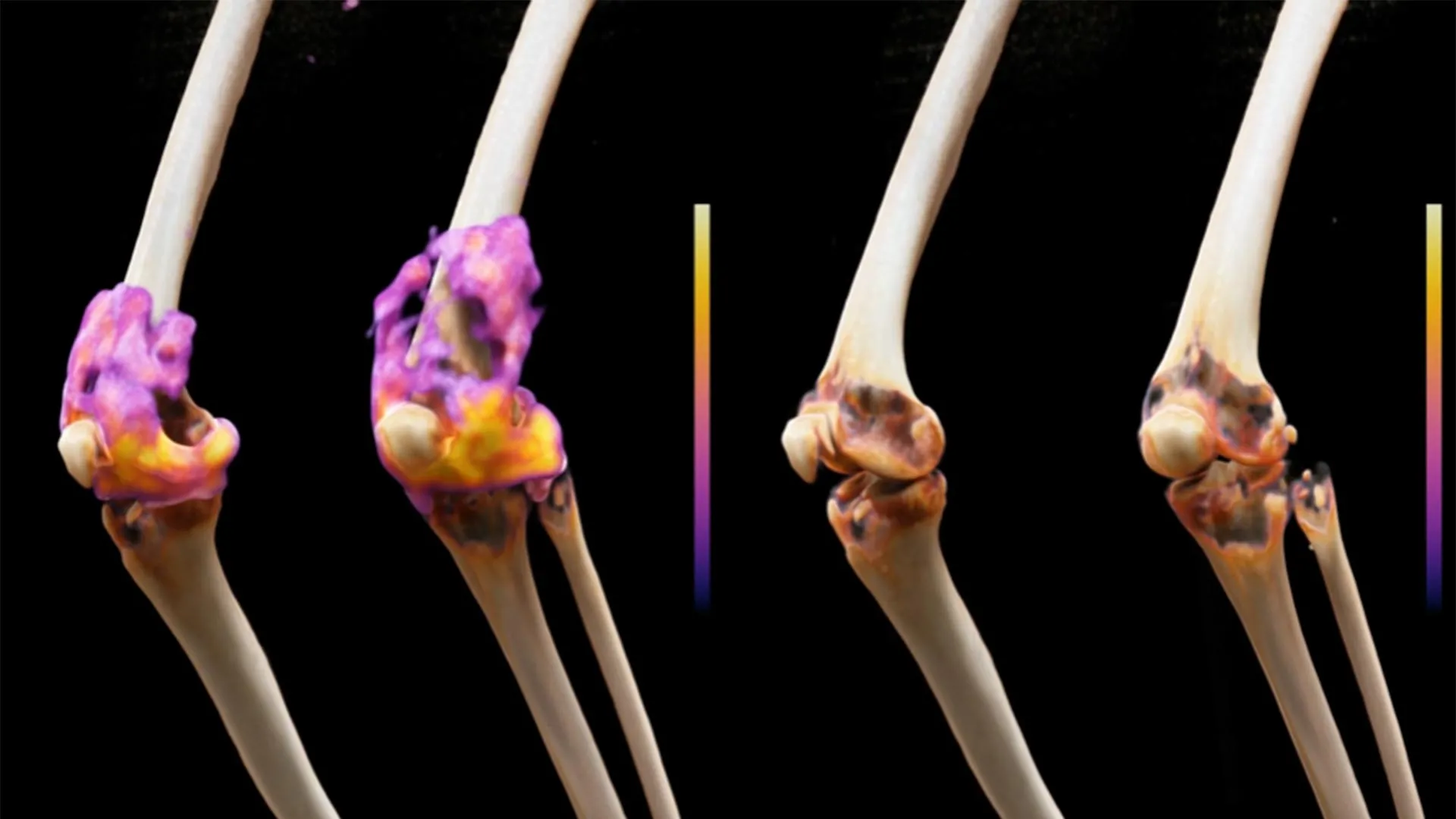
Immunotherapies, notably CAR T-cell therapy, which have revolutionized cancer treatment by harnessing the body’s own immune system, are now demonstrating encouraging potential in a wholly different medical arena: autoimmune diseases. Scientists are actively investigating whether these highly personalized treatments, meticulously engineered from a patient’s own immune cells, could offer a new frontier in managing, or even curing, debilitating autoimmune conditions. A groundbreaking clinical trial conducted by researchers at Charité – Universitätsmedizin Berlin has delivered the world’s first reported findings on the application of CAR T-cell therapy in individuals suffering from particularly severe and treatment-refractory rheumatoid arthritis (RA), yielding early results that are described as profoundly encouraging.
A Landmark Study Emerges from Berlin
The pivotal study, detailed in the prestigious journal Nature Medicine, involved a small cohort of six patients, each battling a form of rheumatoid arthritis that had proven stubbornly resistant to conventional and advanced therapies. The outcomes were significant: every participant experienced a substantial reduction in disease activity. Crucially, by the conclusion of the observation period, a remarkable three out of the six patients had achieved sustained remission, no longer requiring medication for their rheumatoid arthritis. This unprecedented success opens a tantalizing new chapter in the treatment of a disease that affects millions globally and often leaves patients with limited therapeutic options.
Understanding the Intricacies of Rheumatoid Arthritis
Rheumatoid arthritis is a chronic, systemic autoimmune disease characterized by the immune system erroneously attacking the body’s own joint tissues. This misguided assault triggers persistent inflammation, leading to pain, swelling, stiffness, and, over time, irreversible joint damage and deformity. Beyond the joints, RA can also affect other organs, including the heart, lungs, and eyes, significantly diminishing a patient’s quality of life and often leading to severe disability.
Globally, RA affects approximately 0.5% to 1% of the adult population, translating to tens of millions of individuals worldwide. In countries like the United States, it is estimated that around 1.3 million adults live with RA. The economic burden is substantial, encompassing direct medical costs, lost productivity, and the immense personal toll on patients and their families.
Current therapeutic strategies for RA primarily focus on managing inflammation and slowing disease progression. These include disease-modifying antirheumatic drugs (DMARDs) such as methotrexate, biologics (e.g., TNF inhibitors, IL-6 inhibitors, B-cell depleters like rituximab), and targeted synthetic DMARDs (JAK inhibitors). While these medications have dramatically improved outcomes for many, they rarely offer a cure. The vast majority of patients require lifelong treatment, which can be associated with a spectrum of side effects, ranging from increased susceptibility to infections to more severe adverse events.
A significant challenge arises with patients whose disease is deemed "treatment-refractory." These individuals continue to experience persistent pain, limited mobility, and a profound reduction in their quality of life despite having tried multiple established therapies, often exhausting all available options. For these patients, the prospect of an entirely new therapeutic modality, particularly one that offers the potential for sustained remission without ongoing medication, represents a beacon of hope.
Professor David Simon, who meticulously designed the trial for this specific patient group alongside Professor Gerhard Krönke at Charité’s Department of Rheumatology and Clinical Immunology, elucidated a key underlying mechanism: "One reason could be disease-driving B cells – memory cells of the adaptive immune system that may survive in the lymph nodes, bone marrow or joint tissue after an infection, where they produce harmful antibodies directed against the body’s own tissues and repeatedly reignite the inflammation." These persistent, self-reactive B cells are believed to be central to the chronic nature of RA, acting as hidden reservoirs that continuously fuel the autoimmune response. The Charité researchers posited that CAR T cells might possess the unique capability to seek out and eliminate these deeply entrenched disease-driving B cells, thereby offering a chance to "reset" the entire B-cell system.
From Cancer Battleground to Autoimmune Breakthrough: The Science of CAR T-Cells
Chimeric Antigen Receptor (CAR) T-cell therapy emerged as a groundbreaking cancer treatment in the early 2010s, earning its first FDA approvals in 2017 for specific blood cancers like acute lymphoblastic leukemia and large B-cell lymphoma. Its success in oncology lies in its ability to empower a patient’s own immune cells to precisely target and eradicate cancer cells. The underlying principle involves collecting T cells from a patient, genetically modifying them in a laboratory to express a CAR that enables them to recognize a specific antigen on cancer cells, expanding these modified cells, and then reinfusing them back into the patient.
The expansion of CAR T-cell therapy’s potential beyond oncology marks a significant scientific pivot. In the context of autoimmune diseases, the strategy shifts from targeting cancerous cells to directing these engineered immune cells against specific immune cells that are instrumental in perpetuating the autoimmune response.
"The identifying marker on many B cells, both abnormal B cells in cancers of the blood or lymphatic system and disease-driving B cells in rheumatoid arthritis, is the surface molecule CD19. You could think of it as a kind of ‘name tag’," explained David Simon. This ubiquitous presence of CD19 on B cells makes it an ideal target for therapeutic intervention. "To enable CAR T cells to detect and eliminate the disease-causing cells, we equip patients’ own immune cells with a receptor that acts like a search sensor for CD19."
The intricate process of producing CD19 CAR T-cell therapy involves several critical steps:
- Apheresis: T cells, a type of white blood cell central to adaptive immunity, are collected from the patient’s blood using a process similar to blood donation.
- Genetic Modification: In a specialized laboratory, these T cells are genetically engineered. A viral vector (often lentivirus or retrovirus) is used to introduce the gene for the chimeric antigen receptor (CAR). This artificial receptor is designed to specifically bind to the CD19 protein expressed on the surface of B cells.
- Expansion: The modified CAR T cells are then multiplied in large numbers in vitro, ensuring a sufficient therapeutic dose.
- Preconditioning Chemotherapy: Before the CAR T cells are reinfused, patients undergo a brief course of preparatory chemotherapy, typically with agents like fludarabine and cyclophosphamide. This step is crucial as it temporarily depletes existing immune cells, creating "space" within the body for the infused CAR T cells to expand, engraft, and function effectively without competition.
- Infusion: The engineered CAR T cells are then returned to the patient via a single intravenous infusion.
Once inside the patient’s body, these "living drugs" systematically seek out and bind to cells expressing CD19. This includes not only circulating B cells but, importantly, also the long-lived, disease-driving B cells hidden deep within anatomical reservoirs such as the bone marrow, lymph nodes, and inflamed joint tissues – sites notoriously difficult for conventional therapies to reach effectively. By eradicating these CD19-positive B cells, the treatment aims to temporarily clear the pathogenic immune memory, effectively allowing the immune system to undergo a profound reset.
The COMPARE Trial: Phase One Results and Revelations
The first phase of the COMPARE trial, designed to rigorously evaluate both the safety and preliminary effectiveness of CD19 CAR T-cell therapy in the challenging cohort of treatment-refractory rheumatoid arthritis, carefully selected six patients. The group comprised three women and three men, ranging in age from 31 to 69 years. Each of these individuals had a decade-long history of severe RA and had previously failed to respond adequately to as many as eight different targeted or biologic therapies, underscoring the severity and intractability of their condition.
The primary objectives were twofold: to ascertain whether CAR T cells could indeed penetrate and eliminate disease-driving B cells within the joints and deeper tissues, and to evaluate the safety profile of this novel approach in an autoimmune setting. The initial results have been met with considerable enthusiasm by the research team.
"Disease activity decreased markedly in all six patients. During follow-up of up to one year, three patients were in sustained remission without any medication for rheumatoid arthritis," reported Gerhard Krönke, who co-leads the joint Clinical Rheumatology research group at Charité and the German Rheumatology Research Center (DRFZ), a Leibniz Institute. "This is particularly remarkable given that none of the established treatments had previously been able to relieve their symptoms adequately." This achievement of medication-free remission in a group of patients who had exhausted conventional options represents a potentially transformative outcome.
Further investigations revealed that the therapeutic effect extended beyond a transient reduction in joint inflammation. The modified immune cells demonstrated their capacity to reach and eliminate disease-promoting B cells in deeper, previously inaccessible anatomical sites, including the bone marrow, lymph nodes, and the inflamed synovial tissue within the joints. This systemic targeting of pathogenic B-cell reservoirs is critical for achieving a sustained response.
Over the 12-month follow-up period, researchers observed a dramatic and sustained decline in the levels of autoantibodies – such as rheumatoid factor (RF) and anti-citrullinated protein antibodies (ACPA) – which are hallmark biomarkers of RA and play a direct role in disease pathology.
David Simon elaborated on the implications of the immune system’s reconstitution: "When the B-cell system later recovered, predominantly naïve B cells that had not yet been shaped by the disease returned. In contrast, the B cells directed against the body’s own tissues that had been present before treatment were no longer detectable in almost all patients, an indication that the treatment may indeed be able to reset the pathological immune memory." This suggests that the CAR T-cell therapy not only clears out the ‘bad’ B cells but also allows for the emergence of a new, potentially healthy B-cell repertoire, thereby breaking the cycle of autoimmunity.
Crucially, the study also provided reassuring insights into the preservation of protective immunity. Antibodies generated by earlier vaccinations against common pathogens like chickenpox and tetanus remained detectable. This finding suggests that while the therapy induced a profound, temporary depletion of B cells, the essential long-term antibody memory required for protection against infectious diseases was largely preserved, addressing a significant safety concern associated with broad B-cell depletion strategies. Nevertheless, researchers emphasize the ongoing need to determine any longer-term effects on the immune system.
Navigating the Future: Promising, Yet Still Experimental
The initial findings from the COMPARE trial suggest that a single administration of CAR T-cell therapy holds the potential to induce a sustained period of symptom-free, medication-free remission in a subset of patients with severe rheumatoid arthritis. This state of disease inactivity, or remission, is the ultimate goal of RA treatment. For carefully selected patients whose RA is unresponsive to existing treatments, this approach offers the hope of directly reprogramming pathological immune memory and halting ongoing inflammation, rather than merely suppressing it continuously with drugs.
However, it is imperative to underscore that CAR T-cell therapy for autoimmune diseases, including rheumatoid arthritis, remains an experimental treatment. The scientific community and clinicians do not yet possess extensive long-term experience with this modality in an autoimmune context.
While the results are highly encouraging, responses varied among the six participants. Some patients did not achieve a complete response, and one patient experienced a relapse of their disease after an initial period of medication-free remission. These individual variations highlight the complexity of RA and the need for further research to understand predictive factors for response and durability.
On the safety front, the findings from this initial cohort are considered encouraging. Dr. Marie Luise Hütter-Krönke, Medical Director of the Hematology Early Clinical Trial Unit at Charité’s Department of Hematology, Oncology and Cancer Immunology, reported: "After the participants received the CD19 CAR T cells, we observed only a temporary, mild-to-moderate cytokine release syndrome (CRS) in all participants, which was readily manageable. There were no severe neurological complications or other serious adverse events, and infections were rare." Cytokine release syndrome (CRS) and immune effector cell-associated neurotoxicity syndrome (ICANS) are well-known potential side effects of CAR T-cell therapy, often more severe in cancer patients due to a higher tumor burden. The observed mild-to-moderate nature of CRS and absence of severe neurological complications in this RA trial are positive indicators for its potential safety profile in autoimmune settings.
Next Steps: A Larger Comparative Trial and Broader Implications
The Charité team is poised to advance to the second phase of the COMPARE trial, which will enroll an additional ten patients. A critical component of this next phase will be a direct comparison of CAR T-cell therapy with an already approved rheumatoid arthritis drug that also targets B cells (likely rituximab, a monoclonal antibody that depletes CD20+ B cells). This comparative arm is essential to rigorously determine whether CAR T cells yield superior, stronger, or longer-lasting effects, and to definitively ascertain if they truly reset immune memory more effectively than existing B-cell targeting therapies.
If these promising initial results are corroborated in this phase and subsequently in larger, multicenter studies, CAR T-cell therapy could eventually emerge as a transformative new option for individuals living with severe rheumatoid arthritis whose lives are profoundly impacted by the disease and who currently lack adequate treatment alternatives.
The implications extend beyond RA. The success of CD19 CAR T-cell therapy in RA validates the broader concept of utilizing this technology to target specific pathogenic immune cell populations in other autoimmune conditions. Researchers are already exploring its potential in systemic lupus erythematosus (SLE), systemic sclerosis, and myositis, among others. This pioneering work at Charité could pave the way for a paradigm shift in the treatment landscape for a wide spectrum of debilitating autoimmune diseases.
However, the path to clinical integration will involve addressing significant challenges, including the high cost of CAR T-cell therapy production, the logistical complexities of its administration, and ensuring equitable access for patients globally. Regulatory bodies will require comprehensive long-term safety and efficacy data before widespread adoption.
About the Study and Collaborators
The initial phase of the COMPARE study was meticulously designed to assess the safety and preliminary effectiveness of CD19 CAR T-cell therapy specifically in patients with treatment-refractory rheumatoid arthritis.
The study represents a collaborative triumph, with major contributions from researchers at Charité’s Department of Rheumatology and Clinical Immunology and the Department of Hematology, Oncology and Cancer Immunology at Campus Benjamin Franklin. Further vital contributions came from scientists affiliated with the Cluster of Excellence ImmunoPreCept, the German Rheumatology Research Center (DRFZ), a Leibniz Institute, and the Fraunhofer Institute for Translational Medicine and Pharmacology ITMP.
The study was conceived and designed at Charité, a testament to its leadership in translational medicine. Financial support was also provided by Kyverna Therapeutics, an immunotherapy company. It is important to note that Kyverna Therapeutics maintained strict independence, having no involvement in the design of the study, the collection or analysis of data, or the presentation of the results, thus preserving the impartiality and scientific integrity of the groundbreaking findings.
