
 By Billy Candra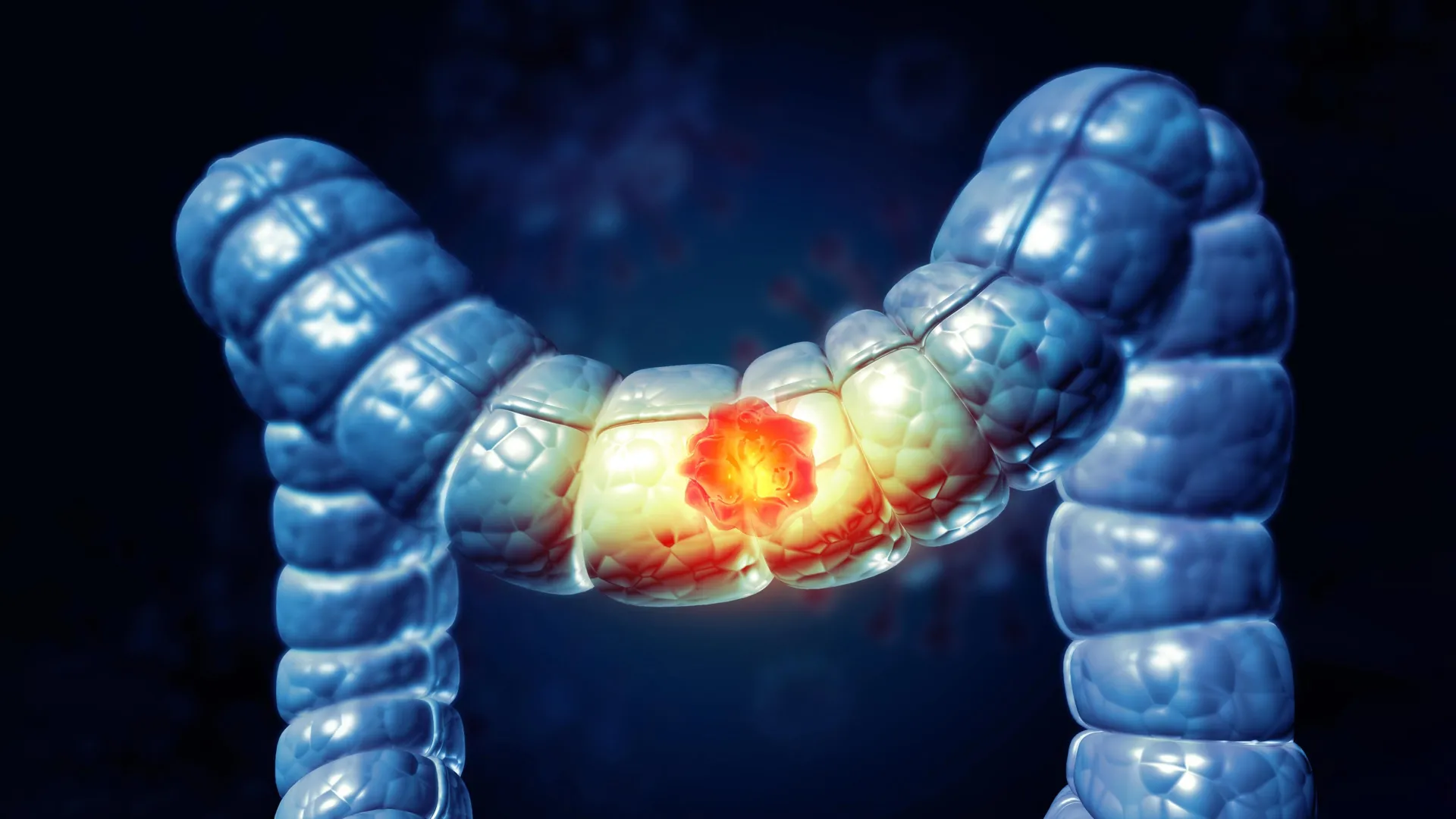
A groundbreaking study from the Sloan Kettering Institute at Memorial Sloan Kettering Cancer Center (MSK) has unveiled a critical paradox in colorectal cancer (CRC) immunology, offering a clear explanation for why certain immune cells, long considered detrimental in most solid tumors, are linked to improved outcomes in CRC. This discovery, published in the esteemed scientific journal Immunity, fundamentally alters the understanding of regulatory T (Treg) cells in the context of CRC and promises to reshape immunotherapy strategies for millions of patients. The findings suggest that the quantity of Treg cells alone is insufficient for prognosis; rather, their distinct subtypes and their opposing functions are the true determinants of patient survival.
The Enduring Enigma of Regulatory T Cells in Oncology
For decades, the scientific and medical communities have grappled with the complex role of regulatory T cells in the fight against cancer. These specialized immune cells are the body’s natural "brakes" on the immune system, crucial for maintaining "immune tolerance"—a vital process that prevents autoimmune diseases by distinguishing between harmless self-tissues, beneficial microbes, and everyday foods versus dangerous pathogens. While essential for overall health, their presence in large numbers within most solid tumors has consistently been correlated with worse patient outcomes. By suppressing the immune system’s attack on cancerous cells, Tregs inadvertently shield tumors from detection and destruction, effectively weakening the body’s natural defense mechanisms. This general understanding has led researchers to explore therapies aimed at depleting these cells to unleash a more potent anti-tumor response.
However, colorectal cancer has long stood as a perplexing exception to this rule. Contrary to observations in breast, lung, and melanoma cancers, where high Treg infiltration typically signals a poor prognosis, CRC tumors with a greater abundance of these immune cells have frequently been associated with longer patient survival. This counterintuitive pattern has been a source of significant confusion for researchers, hindering the development of universally effective immunotherapies for CRC. The challenge lay in understanding the underlying mechanisms driving this unique immunological landscape.
A Landmark Discovery from Memorial Sloan Kettering
The new study, spearheaded by a team of researchers at the Sloan Kettering Institute, has now provided the definitive explanation for this long-standing paradox. Led by co-senior author Alexander Rudensky, PhD, Chair of the Immunology Program at MSK and a leading authority on regulatory T cells, alongside co-senior author Christina Leslie, PhD, a computational biologist, the research reveals that Treg cells are not a monolithic population. Instead, they comprise at least two distinct subtypes with diametrically opposing effects on tumor growth within the colorectal microenvironment.
"Instead of the regulatory T cells promoting tumor growth, as they do in most cancers, in colorectal cancer we discovered there are actually two distinct subtypes of Treg cells that play opposing roles — one restrains tumor growth, while the other fuels it," explained Dr. Rudensky. "It’s these beneficial Treg cells that make the difference, and this underscores the need for selective approaches."
The study’s first authors include Xiao Huang, PhD, a postdoctoral researcher in the Rudensky Lab; Dan Feng, MD, PhD, a former MSK Medical Oncology fellow now at the Icahn School of Medicine at Mount Sinai; and Sneha Mitra, PhD, a postdoctoral researcher in Dr. Leslie’s lab, highlighting a collaborative effort blending experimental immunology with advanced computational analysis.
Decades of Foundational Research Lead to a Breakthrough
This groundbreaking work is the culmination of more than two decades of dedicated research by Dr. Rudensky, whose pioneering efforts have been instrumental in defining the fundamental biology of regulatory T cells. Since the early 2000s, his laboratory has systematically uncovered how Treg cells are generated, how they exert their suppressive functions, and their intricate influence on various physiological processes, including autoimmune diseases, infections, and critically, cancer development. This deep, foundational understanding of Treg cell biology provided the essential framework upon which the current study could build, allowing the team to delve into the nuanced distinctions within this critical immune cell population. The current findings represent a significant leap forward, moving beyond the general classification of Tregs to a more precise, functional categorization that is crucial for therapeutic intervention.
Focusing on the Predominant Form of Colorectal Cancer
Colorectal cancer remains a formidable public health challenge. According to the American Cancer Society, it ranks as the second leading cause of cancer-related death when men and women are considered together, underscoring the urgent need for more effective treatments. The MSK study specifically honed in on the most common form of the disease: microsatellite stable (MSS) with proficient mismatch repair (MMRp) colorectal cancer. This subtype accounts for a substantial 80% to 85% of all CRC cases. Its defining characteristic is a relatively stable DNA, which, unfortunately, renders these tumors largely unresponsive to conventional checkpoint inhibitor immunotherapies—a class of drugs that have revolutionized treatment for other cancer types by unleashing the immune system.
This stands in stark contrast to the rarer subtype, microsatellite instability-high (MSI-H) and mismatch repair deficient (MMRd) colorectal cancer. Earlier research, also conducted at MSK, demonstrated that patients with MSI-H/MMRd tumors often respond remarkably well to checkpoint inhibitors, with many being able to forgo surgery, chemotherapy, and radiation. The lack of effective immunotherapy options for the vast majority of CRC patients with MSS/MMRp disease has been a significant unmet medical need, making the current study’s focus and findings particularly impactful.
The Dichotomy Unveiled: Two Opposing Treg Subtypes
To unravel the unique immune landscape of common colorectal cancers, the research team employed a sophisticated mouse model meticulously developed at MSK. This model faithfully recapitulates the genetic alterations, behavioral patterns, and intricate immune environment observed in human colorectal tumors, providing a robust platform for mechanistic studies. Through a series of detailed experiments, they made a pivotal discovery: tumor-associated Treg cells could be clearly divided into two principal groups based on their cytokine production profiles.
One group was characterized by its production of interleukin-10 (IL-10), a well-known anti-inflammatory cytokine. These IL-10-positive Treg cells were found to play a beneficial, tumor-restraining role. Their mechanism of action involved reducing the activity of Th17 cells, another type of immune cell that secretes interleukin-17 (IL-17). IL-17 is recognized as a potent pro-tumorigenic cytokine, capable of promoting tumor growth, angiogenesis (new blood vessel formation to feed the tumor), and inflammation within the tumor microenvironment. By dampening Th17 activity and IL-17 production, IL-10-positive Tregs effectively slow down tumor progression. Interestingly, these protective Treg cells were more frequently located in the healthy tissue immediately adjacent to the tumor, suggesting a role in maintaining local immune homeostasis. When these beneficial IL-10-positive Treg cells were selectively removed in experimental models, tumors grew more rapidly, confirming their crucial protective function.
In stark contrast, the second group, IL-10-negative Treg cells, exhibited a harmful, tumor-promoting effect. These cells did not produce IL-10 and instead exerted their immunosuppressive influence by suppressing powerful immune defenders, most notably CD8+ T cells. CD8+ T cells, also known as cytotoxic T lymphocytes (CTLs), are the immune system’s primary assassins, directly recognizing and killing cancer cells. By inhibiting these critical anti-cancer cells, IL-10-negative Tregs effectively create an immune-privileged environment for the tumor to thrive. This detrimental subtype was predominantly found within the tumor itself, strategically positioned to neutralize immune attacks. The experimental elimination of these IL-10-negative Treg cells resulted in significantly smaller tumors, unequivocally demonstrating their role in fueling cancer growth.
Clinical Validation: From Bench to Bedside Relevance
Crucially, the team rigorously validated these findings using human tumor samples obtained from patients with colorectal cancer. Their analysis confirmed the presence of the same two distinct populations of IL-10-positive and IL-10-negative Treg cells within human CRC tumors.
Further solidifying the clinical relevance of their discovery, the researchers analyzed outcome data from over 100 colorectal cancer patients. The results were compelling: patients whose tumors contained higher levels of the beneficial IL-10-positive Treg cells demonstrated significantly longer survival times. Conversely, patients whose tumors were enriched with the harmful IL-10-negative Treg cells experienced poorer clinical outcomes. This robust correlation between Treg subtype prevalence and patient prognosis provides strong evidence that the findings from the mouse models directly translate to human disease.
Dr. Huang underscored the profound implications of these findings, stating, "This research shows how important these positive cells are. And it highlights the need to develop therapies that can selectively eliminate the harmful Tregs while preserving the helpful ones." This sentiment emphasizes a paradigm shift in immunotherapy: instead of broad Treg depletion, the focus must now be on precise targeting.
A New Therapeutic Frontier: Targeting CCR8
The identification of these distinct Treg subtypes opens a promising new avenue for improving treatment strategies, particularly for the vast majority of colorectal cancer patients who currently lack effective immunotherapy options. The researchers discovered a key differentiating factor: the harmful IL-10-negative Treg cells expressed remarkably high levels of a specific protein on their surface called CCR8. These are the very cells that actively suppress the immune response and are predominantly localized within the tumor microenvironment, making CCR8 an ideal target for selective intervention.
This discovery builds upon earlier seminal work from Dr. Rudensky’s lab, led by breast cancer surgeon George Plitas, MD, which first identified CCR8 as being highly expressed on tumor-infiltrating Treg cells in breast cancer and numerous other human cancers. That previous research laid the groundwork for the concept that antibodies could be engineered to selectively bind to and deplete these CCR8-positive, harmful Treg cells. The therapeutic rationale is clear: by removing only the detrimental Tregs, the immune system would be empowered to mount a more effective attack against the tumor, while the beneficial Tregs, which lack high CCR8 expression, would remain intact, continuing their crucial role in preventing autoimmunity.
"This idea of using CCR8-depleting antibodies, which was pioneered at MSK, is the main target of global efforts to bring regulatory T cell-based immunotherapy to the clinic," affirmed Dr. Rudensky, who also serves as a Howard Hughes Medical Institute Investigator. Indeed, the translational potential of this strategy is already being actively pursued. Multiple clinical trials are currently underway at MSK and other leading institutions worldwide, evaluating the efficacy of CCR8-targeting antibodies both as standalone treatments and in combination with existing immunotherapies. The compelling data from this latest study provides strong scientific justification and renewed impetus for accelerating the development and clinical application of this strategy not only in colorectal cancer but potentially across a broader spectrum of malignancies.
Beyond Colorectal Cancer: Implications for Barrier Tissues
The insights gleaned from colorectal cancer may extend far beyond the gastrointestinal tract. To explore this broader applicability, the researchers meticulously analyzed a large dataset of T cells derived from 16 different cancer types. Their comprehensive analysis revealed that similar divisions between IL-10-positive and IL-10-negative Treg cells were evident in several other cancers, particularly those affecting barrier tissues such as the skin and the linings of the mouth, throat, and stomach.
Dr. Mitra, who led the extensive data analysis, noted the common biological thread connecting these disparate cancer types: "What these tissues have in common is that immune cells play a critical role in constantly defending and repairing them as they’re exposed to microbes and environmental stresses." This shared immunological context suggests that the delicate balance of Treg subtypes, and the mechanisms by which they are regulated, might be conserved across these barrier tissues. Consequently, therapies designed to selectively remove harmful IL-10-negative Treg cells in colorectal cancer could potentially be effective against these other cancers arising in similar anatomical locations, opening up new avenues for treatment across a range of difficult-to-treat malignancies.
The Complexity of Metastatic Disease: A Distinct Challenge
While the findings offer profound hope for primary colorectal cancer, the researchers also delved into the complexities of metastatic disease, which presents a distinct set of immunological challenges. When the team investigated colorectal cancer that had spread to the liver, a common site for CRC metastasis, they observed a markedly different immune pattern.
In these metastatic tumors, the harmful IL-10-negative Treg cells were found to vastly outnumber the beneficial IL-10-positive cells. This dramatic shift in the Treg cell balance suggests a more overtly immunosuppressive microenvironment in metastatic sites. Critically, unlike in primary tumors where selective targeting is essential, the removal of all Treg cells in the context of liver metastases led to a significant shrinkage of the tumors. This observation underscores the need for highly nuanced and context-dependent treatment strategies, emphasizing that the optimal approach may vary not only with the tissue involved but also with the specific stage and anatomical location of the disease. This highlights the ongoing challenge of treating advanced cancers and the necessity for precision oncology that considers the dynamic immune landscape at different disease stages.
Expert Perspectives and Future Directions
The elucidation of distinct Treg cell subtypes in colorectal cancer represents a pivotal advance in cancer immunology. It not only resolves a long-standing paradox but also provides a clear, actionable therapeutic target for a major subset of CRC patients who have historically lacked effective immunotherapy options. The ability to selectively deplete harmful, tumor-promoting Tregs while preserving beneficial, tumor-restraining Tregs could usher in an era of more precise and effective cancer treatment.
The ongoing clinical trials evaluating CCR8-targeting antibodies are now more strongly supported by this mechanistic understanding. Success in these trials could dramatically improve outcomes for MSS/MMRp colorectal cancer patients and potentially for those with other barrier tissue cancers. Future research will likely focus on further refining our understanding of Treg heterogeneity, identifying additional markers for precise targeting, and exploring optimal combination therapies to maximize anti-tumor immunity while minimizing adverse effects. The MSK team’s work underscores the continuous evolution of immunotherapy and the promise of personalized approaches tailored to the intricate immunological landscape of each patient’s tumor.
Authors, Funding, and Disclosures
Additional contributing authors to this landmark study include Emma Andretta, Nima Hooshdaran, Aazam Ghelani, Eric Wang, Joe Frost, Victoria Lawless, Aparna Vancheswaran, Qingwen Jiang, Cheryl Mai, and Karuna Ganesh. The research benefited significantly from the advanced capabilities of the Integrated Genomics Operation and the Single Cell Research Initiative at MSK.
This critical work received substantial funding from multiple prestigious sources, including the National Cancer Institute (P30 CA008748, U54 CA274492, T32 CA009512), the National Institute of Allergy and Infectious Diseases (AI034206), the Ludwig Center for Cancer Immunotherapy at MSK, the Howard Hughes Medical Institute, the Cancer Research Institute, and a Marie-Josée Kravis Fellowship in Quantitative Biology.
In the interest of full transparency, Dr. Rudensky has disclosed his affiliations, serving on scientific advisory boards and holding equity in several biotechnology companies, including Sonoma Biotherapeutics, RAPT Therapeutics, Coherus Oncology, Santa Ana Bio, Odyssey Therapeutics, and Nilo Therapeutics. He is also a scientific advisory board member of Amgen, BioInvent, and Vedanta Biosciences, has consulted for AbbVie, and holds editorial roles with the Journal of Experimental Medicine and Immunity. Furthermore, Dr. Rudensky and Dr. Plitas are recognized as inventors on patents and patent applications held by MSK, which are directly related to CCR8-based therapeutic depletion of tumoral Treg cells and the development of novel antibodies against CCR8. These disclosures are standard practice, ensuring scientific integrity and informing the public of potential interests.
