
 By Budi Oetomo Narendra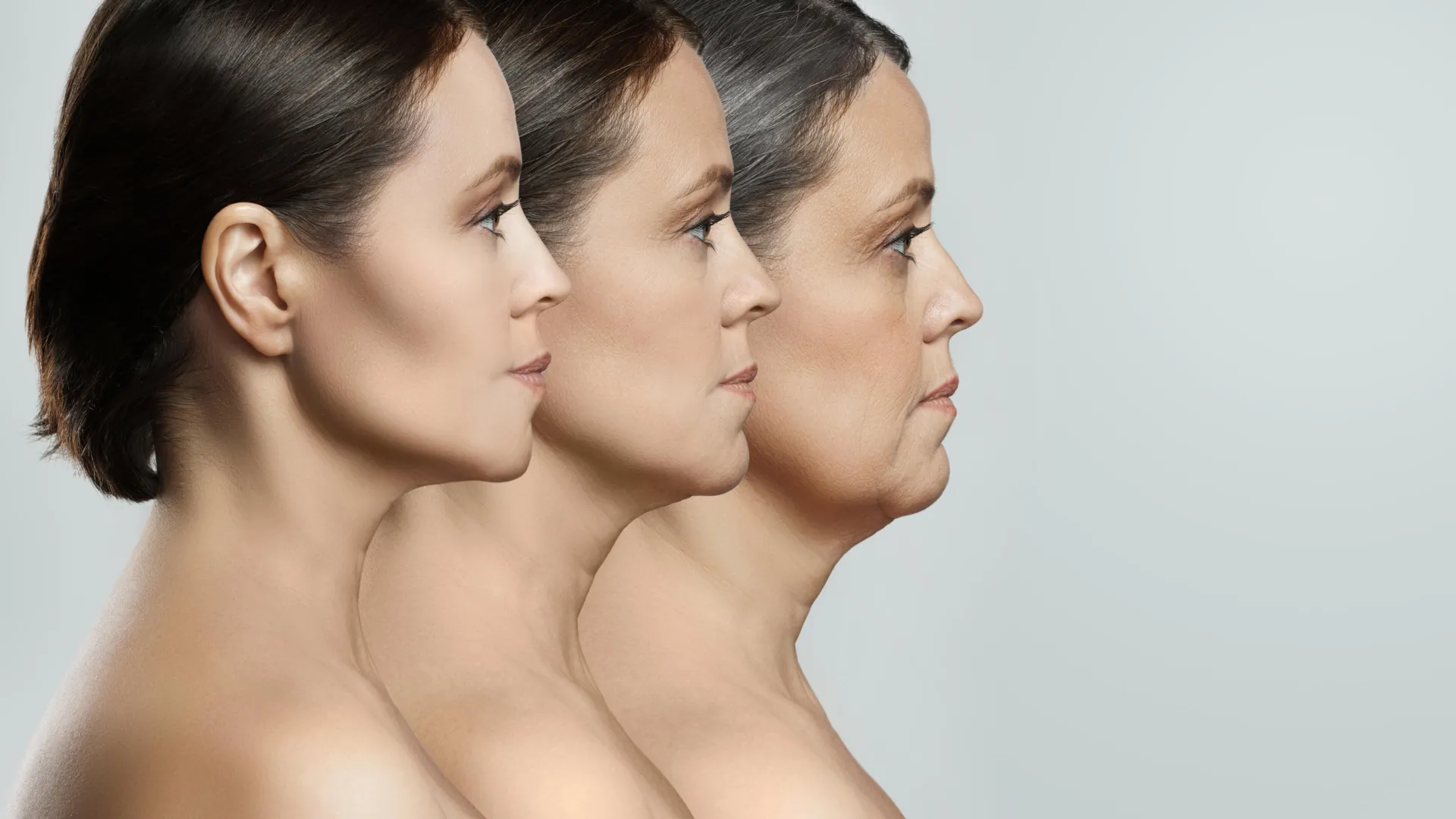
Cancer is a disease historically and strongly associated with age, a grim consequence of the accumulation of cellular damage over a lifespan. The longer individuals live, the more opportunities their cells encounter to acquire mutations and dysfunctions that can contribute to tumor growth. However, a disquieting shift has been observed in recent decades: cancer is increasingly being diagnosed in younger adults, with each successive generation appearing to face a greater risk than the one before it. This unsettling trend has prompted researchers worldwide to investigate a provocative and potentially paradigm-shifting possibility: are younger generations accumulating biological damage more quickly, causing their bodies to age faster than expected?
A groundbreaking study led by researchers at Washington University School of Medicine in St. Louis offers compelling evidence that this accelerated biological aging may indeed be occurring. The team found clear indications that younger generations are biologically aging at a more rapid pace compared to older generations when assessed at comparable chronological ages. This phenomenon, if broadly confirmed, could fundamentally alter our understanding of cancer etiology and prevention strategies for a significant portion of the population.
The Unsettling Rise of Early-Onset Cancers
For decades, cancer was predominantly viewed as a disease of the elderly, with incidence rates climbing steeply after age 60. This understanding shaped public health campaigns, screening guidelines, and research priorities. However, starting in the 1990s and accelerating into the 21st century, clinicians began noticing an uptick in certain cancers among individuals under the age of 50. What initially seemed like isolated cases has coalesced into a concerning global trend. Data from various registries, including the National Cancer Institute (NCI) in the United States and Cancer Research UK, indicate a significant increase in the incidence of early-onset cancers across numerous types, including colorectal, pancreatic, stomach, breast, and uterine cancers.
For instance, studies have shown that the incidence of colorectal cancer among adults under 50 has risen by approximately 2% per year since the mid-1990s. Similarly, rates of early-onset pancreatic cancer have also seen a notable increase. This rise is not simply due to better detection or increased awareness; the absolute number of cases among younger demographics is growing, presenting a profound challenge to established medical paradigms. The implications are far-reaching, impacting not only individual health but also healthcare systems, economic productivity, and societal well-being. This mounting evidence underscored the urgent need for a deeper investigation into the underlying causes of this generational shift in cancer susceptibility.
Decoding Biological Age: A Gap Between Years Lived and Body’s Condition
To understand this phenomenon, it’s crucial to distinguish between chronological age and biological age. Chronological age is a simple measure of how many years a person has been alive since birth. It is a fixed, immutable number. Biological age, by contrast, offers a more nuanced and dynamic reflection of the body’s physiological state. It reflects how old the body appears at a cellular and systemic level, based on measurable changes in cells, tissues, organs, metabolic processes, and other physiological systems. Factors like lifestyle, environment, genetics, and even stress can influence biological aging, causing it to diverge significantly from chronological age.
The researchers at Washington University posited that an increasing gap between biological age and chronological age might be a critical factor in the rise of early-onset cancers. Their hypothesis was that if younger generations were biologically aging faster, their bodies would accrue age-related damage and risk factors more quickly, thereby predisposing them to diseases typically seen in older populations, such as cancer, at an earlier chronological age.
The Washington University Study: Methodology and Findings
The study, published in the prestigious journal Nature Medicine, sought to investigate this hypothesis using large-scale population data. The team examined data from more than 154,000 young adults enrolled in the UK Biobank, a comprehensive biomedical database containing extensive biological, health, and lifestyle information from a large cohort of UK residents. To validate their findings and ensure generalizability, they also analyzed data from over 10,000 participants in the United States who are part of the National Institutes of Health’s (NIH) All of Us Research Program, an ambitious initiative designed to create a comprehensive health database involving more than 1 million diverse individuals living in the U.S.
First author Ruiyi Tian, a doctoral student in the Cao lab, and her colleagues employed sophisticated methodologies to determine biological aging. They looked at two distinct scales:
- Systemic Aging: This measured aging across the body as a whole. They utilized established approaches that rely on clinical biomarkers, such as the PhenoAge and Klemera-Doubal Method (KDM) scores. PhenoAge, for instance, uses nine blood biochemistry markers – including albumin (a liver protein) and creatinine (a kidney waste product) – to estimate biological aging. The team also incorporated a metabolomic age score, designed to capture age-related patterns in a person’s metabolism.
- Organ-Specific Aging: This estimated how rapidly individual organs or biological systems were aging. For this, researchers analyzed blood proteomic data, which measure levels of numerous proteins associated with specific organ systems. These protein patterns were then used to estimate the biological age of individual organs, offering a granular view of aging processes.
The team calculated the average difference between biological and chronological age within each birth cohort. They then used standard deviation – a statistical measure of how spread out data points are around the average – to quantify how far each group differed from the overall study average, providing a robust measure of generational shifts.
Generational Shifts in Biological Age and Cancer Risk
The findings revealed a consistent and concerning pattern across both the UK and U.S. populations: younger generations exhibited older biological profiles compared to their chronological age counterparts in older generations.
Among UK participants, individuals born between 1965 and 1974 showed systemic aging that was 23% of one standard deviation higher than those born between 1950 and 1954, even after meticulously accounting for chronological age. This means that, when comparing individuals of the same age, those born more recently tended to have bodies that appeared biologically older.
An even more pronounced difference was observed in the U.S. data. Participants born between 1990 and 1999 had systemic aging that was a striking 92% of one standard deviation higher than those born between 1965 and 1969. This significant generational acceleration suggests a substantial shift in biological aging rates over a relatively short period.
Crucially, the researchers established a direct link between this accelerated biological aging and an increased risk of early-onset cancers. Greater systemic aging in the younger group was associated with an 8% increased risk of early-onset solid cancers. The strongest associations were found with lung, gastrointestinal, and uterine cancers, highlighting specific vulnerabilities. When participants were categorized into three groups based on their level of systemic aging, those with the most advanced systemic aging showed a 15% increased risk of early-onset solid cancer compared with participants exhibiting the least advanced aging. This association remained statistically significant even after accounting for inherited genetic cancer risks and known genetic susceptibility to accelerated aging, underscoring the independent role of biological aging.
Delving deeper into organ-specific aging provided even more granular insights. An immune system that appeared biologically older, for example, was specifically linked to a higher risk of early-onset lung cancer. Similarly, older-appearing adipose (fat) tissue was associated with a higher risk of early-onset colorectal cancer. These findings suggest that aging does not uniformly affect every organ system; rather, accelerated aging in specific parts of the body may predispose individuals to particular types of cancer.
Expert Perspectives and Broader Implications
"Our ultimate goal is to decode how modern environments become biologically embedded to drive cancer risk, transforming prevention from broad recommendations to personalized interventions," stated Yin Cao, ScD, a molecular epidemiologist and an associate professor of surgery and of medicine at WashU Medicine, and a research member of Siteman Cancer Center. "This brings us closer to identifying risk earlier and developing prevention strategies that are tailored to an individual’s biology."
The implications of these findings are profound. The ability to measure accelerated biological aging could eventually help doctors identify younger individuals who face unusually high cancer risks, potentially allowing for prevention or screening strategies to begin much earlier than current guidelines suggest. This shift from reactive treatment to proactive, personalized prevention represents a significant leap forward in cancer care.
Dr. Cao’s team has a history of investigating various factors that influence cancer risk throughout a person’s lifetime, including obesity, metabolic dysregulation, alcohol consumption, sedentary behavior, poor diet quality, and even cesarean delivery. While each of these factors provides clues, no single one fully explains the overall trend of rising early-onset cancers. This led Dr. Cao and her colleagues to seek a broader, integrative measure of how multiple influences might converge over time to increase cancer susceptibility – a quest that culminated in the current study on biological aging.
David Scott, PhD, director of Cancer Grand Challenges, an international research funding initiative co-founded by Cancer Research UK and the National Cancer Institute (NCI), underscored the significance of the research. "Right now, we don’t have a definitive answer to what’s driving the rise of early-onset cancers around the world, but studies like this are helping us piece together the bigger picture, showing that cancer may be influenced not just by changes inside individual cells, but by wider changes happening across the body as a whole," he remarked. "Research on this scale is possible through Cancer Grand Challenges, which brings together scientists from different fields around the world to tackle these complex questions together."
The Search for Causes: Environment, Lifestyle, and Society
The most pressing question arising from these findings is: what is driving this accelerated biological aging in younger generations? While the study identifies the phenomenon, it does not definitively pinpoint the causes. However, researchers are actively pursuing several hypotheses rooted in the concept of "modern environments."
These modern environmental factors encompass a broad spectrum of influences, including:
- Dietary Changes: The widespread adoption of highly processed foods, rich in sugar, unhealthy fats, and artificial additives, may contribute to chronic inflammation, metabolic dysfunction, and cellular stress, all of which can accelerate aging.
- Lifestyle Shifts: Increased sedentary behavior, reduced physical activity, and disrupted sleep patterns are prevalent in modern societies and are known to impact metabolic health and cellular repair mechanisms.
- Environmental Exposures: Exposure to pollutants, pesticides, microplastics, and other endocrine-disrupting chemicals, which have become ubiquitous in air, water, and food, could be accelerating cellular damage and epigenetic alterations.
- Microbiome Alterations: Changes in diet and antibiotic use have dramatically altered the human gut microbiome, which plays a critical role in immune function, metabolism, and overall health. A dysbiotic microbiome could contribute to chronic inflammation and faster biological aging.
- Psychosocial Stress: The pressures of modern life, including chronic stress, economic instability, and social isolation, can induce physiological changes that accelerate aging processes.
These factors, individually and synergistically, may leave long-lasting biological marks on the body, manifesting as accelerated aging and other vulnerabilities to disease. The PROSPECT team, a Cancer Grand Challenges initiative co-led by Dr. Cao, is specifically focused on understanding how these changes accumulate throughout life to influence early-onset cancer risk.
Paving the Way for Personalized Prevention
The ultimate goal of this research extends beyond mere understanding. By identifying people at elevated risk while they are still healthy, the scientific community aims to revolutionize cancer prevention. This could mean moving beyond broad, age-based screening guidelines to more personalized interventions, tailored to an individual’s unique biological profile and risk factors. For example, a younger individual showing signs of accelerated biological aging might be recommended for earlier or more frequent screenings for specific cancers, or advised on targeted lifestyle modifications.
Such an approach would represent a significant paradigm shift, moving cancer care towards stopping disease before it even begins. This proactive strategy promises not only to save lives but also to reduce the immense burden of cancer on individuals, families, and healthcare systems globally. The ongoing efforts of the PROSPECT team and other international collaborations are critical to deciphering these complex biological origins and translating them into actionable, life-saving strategies for future generations.
This work was part of the PROSPECT team supported by the Cancer Grand Challenges initiative funded by Cancer Research UK, grant numbers CGCATF-2023/100043 and CGCATF-2023/100037; the National Cancer Institute of the NIH, grant numbers OT2CA297577 and OT2CA297576; the French National Cancer Institute; and the Bowelbabe Fund for Cancer Research UK. The project was also supported by grants from NIH/National Cancer Institute, grant number R37CA246175; the NIH/National Institute of Diabetes and Digestive and Kidney Diseases, grant number P30DK052574; the Alvin J. Siteman Cancer Center through the Foundation for Barnes-Jewish Hospital. Further support was provided by a pre-doctoral fellowship in the Cancer Biology pathway supported by NIH Molecular Oncology Training Grant T32CA113275 to Washington University School of Medicine in St. Louis; the Pediatric Gastroenterology Research Training Program grant T32DK077653 to Washington University School of Medicine in St. Louis; the Washington University School of Medicine in St. Louis Institute of Clinical and Translational Sciences, grant number UL1TR002345; and the Foundation for Barnes-Jewish Hospital. The content is solely the responsibility of the authors and does not necessarily represent the official views of the NIH.
