
 By Suherman Candra Maholtra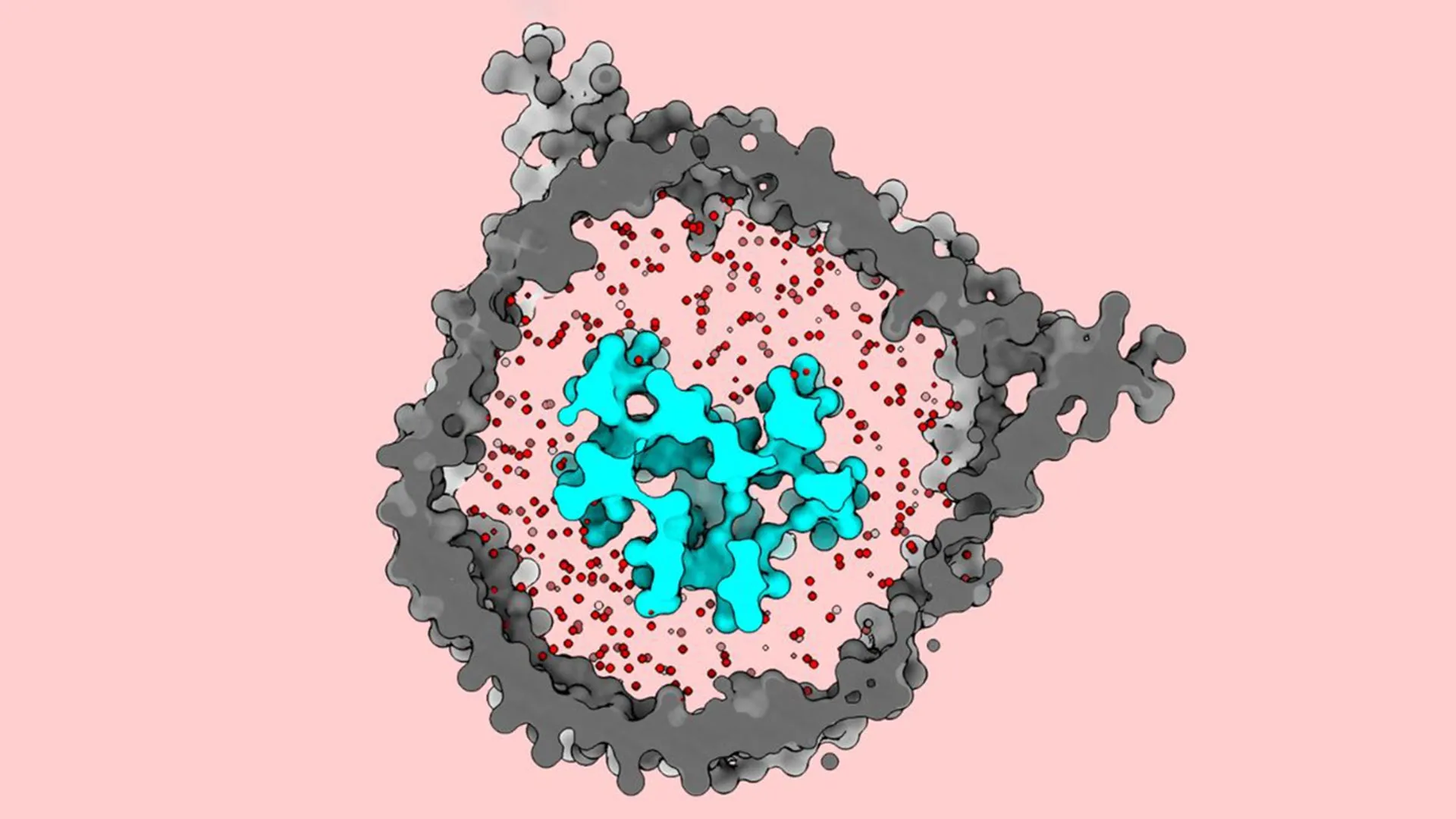
Over the past decade, the landscape of oncology has been fundamentally reshaped by the advent of T cell immunotherapy, a revolutionary approach that harnesses the body’s own immune system to identify and eliminate malignant cells. While these treatments have achieved remarkable success in treating certain liquid tumors, such as leukemias and lymphomas, their efficacy remains stubbornly low for the vast majority of cancer types, particularly solid tumors. A primary obstacle to progress has been a profound lack of understanding regarding the molecular mechanics of the T cell receptor (TCR), the critical protein complex responsible for triggering the immune response. However, a landmark study from The Rockefeller University has finally pulled back the curtain on this biological "black box," revealing that the TCR functions through a dynamic "jack-in-the-box" mechanism that had previously escaped scientific detection.
The findings, published in the journal Nature Communications, represent a significant leap forward in structural biology and immunology. By utilizing state-of-the-art cryo-electron microscopy (cryo-EM) and innovative biochemical techniques to simulate a cell’s natural environment, researchers have corrected long-standing misconceptions about how T cells transition from a dormant state to an active offensive. This discovery provides a much-needed roadmap for the rational design of the next generation of immunotherapies, offering hope for patients with cancers that have historically been resistant to treatment.
The Evolution and Limitations of T Cell Immunotherapy
The rise of T cell therapy is often cited as the most significant development in cancer care since the introduction of chemotherapy. At its core, the therapy involves modifying a patient’s T cells—the "soldiers" of the immune system—to recognize specific markers, or antigens, found on the surface of cancer cells. Once these modified cells are infused back into the patient, they seek out and destroy the tumor.
Despite the clinical triumphs of Chimeric Antigen Receptor (CAR) T-cell therapy and other adoptive cell transfers, the field has hit a plateau. Currently, immunotherapy works well for only a small fraction of cancer patients. For many others, particularly those with sarcomas, carcinomas, and bone cancers, the T cells either fail to recognize the tumor or become "exhausted" before they can complete their task. Scientists have long suspected that the key to overcoming these hurdles lies in the TCR, yet the earliest molecular steps that trigger T cell activation remained elusive for decades.
A Structural Mystery: The T Cell Receptor Complex
The TCR is an intricate macromolecular machine embedded in the cell membrane. It is composed of eight distinct proteins that must work in perfect synchronization. Its primary role is to "scan" other cells by interacting with human leukocyte antigen (HLA) complexes, which present fragments of proteins (antigens) from inside the cell. If the TCR recognizes an antigen as "foreign" or "dangerous," it sends a signal into the T cell, initiating a massive immune response.
Understanding this signaling process is vital for immunotherapy because it dictates the sensitivity and strength of the immune attack. However, capturing the TCR in its natural state has proven notoriously difficult. Previous structural studies suggested that the TCR was a static, "open" structure that did not undergo significant shape changes upon binding to an antigen. This led to a paradox: if the receptor didn’t change shape, how did it transmit a signal from the outside of the cell to the inside?
Innovation in Methodology: Beyond Detergents and Toward Nanodiscs
The breakthrough at Rockefeller University was led by Thomas Walz, a world-renowned expert in cryo-EM imaging, and Ryan Notti, an instructor in clinical investigation and a physician at Memorial Sloan Kettering Cancer Center. Notti, who treats patients with sarcomas—cancers of the soft tissue and bone that rarely respond to current immunotherapies—was driven by the clinical need to understand why T cell responses are often insufficient in his patients.
The team identified a flaw in previous research: the use of detergents. Traditionally, to study membrane proteins, scientists use detergents to strip the protein away from the fatty cell membrane. While this makes the protein easier to image, it removes the physical constraints provided by the membrane itself.
To solve this, the Rockefeller team rebuilt the TCR’s natural environment using "nanodiscs." These are tiny, disc-shaped sections of membrane held together by a scaffold protein. By placing the TCR into these nanodiscs, the researchers could observe the receptor in a biochemical setting that closely mirrored the "native milieu" of a living human cell. Furthermore, they used a specific lipid mixture that mimicked the exact composition of a T cell’s membrane, including the correct thickness and tension.
The Discovery: The Jack-in-the-Box Mechanism
When the researchers visualized the TCR within the nanodisc using cryo-EM, they observed something that contradicted years of established structural biology. In its dormant state—when no antigen is present—the TCR is not "open," as previously thought. Instead, it is tightly folded, compact, and held in place by the surrounding membrane.
"The data that were available when we began this research depicted this complex as being open and extended in its dormant state," Notti explained. "But we found that it stays closed until it encounters an antigen, at which point it rapidly springs open like a jack-in-the-box."
This conformational change—the physical unfolding of the receptor—is the mechanical trigger that sends the signal into the T cell. The membrane acts as a safety catch on the "box," preventing the receptor from firing prematurely. When the TCR binds to a specific antigen-HLA complex, the energy of that interaction overcomes the restraint of the membrane, allowing the receptor to extend outward and initiate the signaling cascade.
Chronology of the Research and Technical Data
The project began when Notti, having earned his Ph.D. in structural microbiology at Rockefeller before transitioning to oncology, approached Walz with a proposal to investigate the TCR’s activation. The research proceeded through several rigorous phases:
- Biochemical Assembly: The team spent months perfecting the assembly of the eight-protein TCR complex into the nanodiscs. Ensuring that all components were properly oriented in the lipid bilayer was a significant technical challenge.
- Lipid Optimization: The researchers tested various lipid compositions. They discovered that using standard model lipids did not replicate the dormant state; only by using a mixture that resembled the native T cell membrane did the "closed" conformation become visible.
- Cryo-EM Imaging: Using high-resolution electron microscopy, the team captured thousands of images of the TCR in both its inactive and active states.
- Data Analysis: The resulting 3D reconstructions provided the first-ever clear look at the structural transition that defines T cell activation.
The study confirmed that the TCR’s sensitivity is governed by the "activation threshold"—the amount of force or binding energy required to trigger the "jack-in-the-box" motion. This threshold is influenced by the physical properties of the cell membrane, suggesting that the environment of the tumor itself might be "locking" the TCRs of therapeutic T cells, preventing them from activating.
Official Responses and Scientific Context
The scientific community has reacted to the findings with significant interest. Dr. Thomas Walz emphasized the importance of basic science in solving clinical problems. "The T cell receptor is really the basis of virtually all oncological immunotherapies, so it’s remarkable that we use the system but really have had no idea how it actually works," Walz stated. He categorized this study as "some of the most important work to ever come out of my lab."
Outside experts note that this research validates the growing field of "mechanobiology," which explores how physical forces and structural changes influence biological function. By identifying the TCR as a mechanical switch, the Rockefeller team has provided a new set of variables for drug developers to manipulate.
Broader Impact: Re-engineering the Next Generation of Treatment
The implications of this discovery extend far beyond the laboratory. Understanding the TCR’s mechanical trigger allows for several potential advancements in medical treatment:
1. Tuning Receptor Sensitivity
In many cancers, the antigens presented by the tumor are "weak," meaning they don’t provide enough binding energy to trigger the TCR. Armed with the "jack-in-the-box" model, scientists can now look for ways to re-engineer TCRs to have a lower activation threshold, making them more sensitive to subtle cancer signals.
2. Overcoming the Tumor Microenvironment
Solid tumors often create a harsh, stiff environment that can alter the lipid composition of surrounding cells. If the T cell membrane is altered by the tumor, it may prevent the TCR from "springing open." Insights from this study could lead to therapies that stabilize the T cell membrane or provide T cells with synthetic receptors that are immune to these environmental changes.
3. Enhancing Vaccine Design
The research also has profound implications for vaccine development. By understanding the refined details of the interaction between different antigens and the TCR, researchers can design vaccines that present antigens in a way that most effectively triggers the receptor’s conformational change, leading to a more robust and lasting immune memory.
4. Applications in Autoimmune Disease
While the current focus is on oncology, the same mechanism applies to autoimmune diseases, where T cells mistakenly attack the body’s own tissues. In these cases, the goal would be the opposite: to design molecules that keep the TCR "jack" locked in its box, preventing unwanted immune activation.
Conclusion: A New Era of Rational Design
For years, the development of T cell therapies has relied on a degree of trial and error. The Rockefeller University study moves the field toward an era of "rational design," where therapies are built based on a precise understanding of molecular physics.
As Ryan Notti continues his work treating sarcoma patients at Memorial Sloan Kettering, the structural insights gained in the lab are already informing his perspective on clinical failures. "Re-engineering the next generation of immunotherapies tops the charts in terms of unmet clinical needs," Notti said. With the "jack-in-the-box" mechanism now revealed, the scientific community is better equipped than ever to ensure that the promise of immunotherapy becomes a reality for all cancer patients, regardless of their diagnosis.
