
 By admin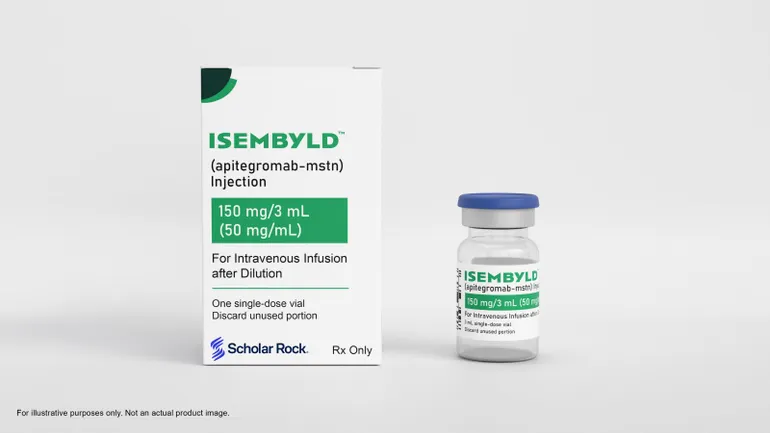
The U.S. Food and Drug Administration (FDA) has granted approval for apitegromab, to be marketed under the brand name Isembyld, marking a pivotal moment in the treatment of spinal muscular atrophy (SMA). This innovative medication, developed by Scholar Rock, represents the first muscle-targeted therapy for the rare genetic disease, cleared for use in conjunction with existing targeted therapies for adults and children aged two years and older. The announcement, initially made on Friday, reveals a projected annual list price of approximately $310,000 per patient, a figure disclosed by executives during a Monday conference call, though actual costs will fluctuate based on patient weight and insurance coverage. This approval is poised to profoundly alter the therapeutic paradigm for SMA, a condition that, less than a decade ago, offered no approved medical interventions.
Understanding Spinal Muscular Atrophy: A Devastating Genetic Condition
Spinal Muscular Atrophy is a severe, inherited neuromuscular disorder characterized by the progressive loss of motor neurons in the spinal cord, leading to muscle weakness and atrophy. This deterioration impairs fundamental functions such as walking, eating, and breathing, significantly impacting quality of life and, in its most severe forms, posing a life-threatening risk, particularly for infants. SMA is one of the most common rare diseases, affecting an estimated 10,000 to 25,000 children and adults across the United States, according to the non-profit SMA Foundation.
The root cause of SMA lies in a genetic defect in the SMN1 (survival motor neuron 1) gene. This gene is crucial for producing the SMN protein, which is essential for the health and survival of motor neurons. Individuals with SMA typically lack a functional SMN1 gene, leading to insufficient SMN protein levels. The severity of the disease often correlates with the number of copies of a "backup" gene, SMN2, which can produce some functional SMN protein, albeit in lower quantities or in a less stable form. SMA is broadly classified into several types (Type 0 to Type IV), with Type I being the most severe, manifesting at or shortly after birth and historically leading to mortality or permanent ventilation within the first two years of life without intervention. Types II, III, and IV represent progressively less severe forms, with later onset and varying degrees of motor impairment.
The Evolving Landscape of SMA Treatment: From Supportive Care to Targeted Therapies
For decades, medical management of SMA was largely palliative, focusing on supportive care, physical therapy, nutritional support, and respiratory management to mitigate symptoms and improve comfort. There were no treatments capable of altering the disease’s devastating progression. This grim reality began to shift dramatically in 2016 with the advent of groundbreaking therapies.
A Chronology of Breakthroughs:
- December 2016: Nusinersen (Spinraza) by Biogen
- The FDA approved nusinersen, an antisense oligonucleotide designed to increase the production of full-length SMN protein from the SMN2 gene. Administered via intrathecal injection (directly into the spinal fluid), Spinraza was the first disease-modifying therapy for SMA, demonstrating significant improvements in motor function and survival across various SMA types. Its approval marked a turning point, offering tangible hope to patients and families.
- May 2019: Onasemnogene Abeparvovec-xioi (Zolgensma) by Novartis
- This revolutionary gene therapy became the first and only one-time treatment for SMA. Zolgensma delivers a functional copy of the SMN1 gene to motor neurons via an adeno-associated virus (AAV) vector. Primarily indicated for children under two years of age, it has shown remarkable efficacy in preventing disease onset and improving motor milestones when administered early, effectively halting the progression of the disease in many infants.
- August 2020: Risdiplam (Evrysdi) by Roche
- Risdiplam offered a significant convenience as the first oral medication for SMA. Like nusinersen, it works by modifying the splicing of the SMN2 gene to produce more functional SMN protein. Its oral administration made it a more accessible option, particularly for patients who found intrathecal injections challenging or for those outside the age range for gene therapy.
These three pioneering drugs have collectively transformed the prognosis for SMA patients, enabling many infants to survive, thrive, and achieve developmental milestones that were previously unimaginable. However, while these therapies have been life-changing, their effects on motor function have sometimes been mixed, with many patients still experiencing an eventual decline in muscle strength and function, particularly as they age or if treatment is initiated later in life. This persistent unmet need for further motor function improvement left a critical gap in the treatment landscape, a gap that Isembyld aims to fill.
Isembyld: A Novel, Muscle-Targeted Approach
Isembyld (apitegromab) introduces an entirely new mechanism of action to SMA therapy. Unlike the existing treatments that focus on increasing the SMN protein, Isembyld targets myostatin, a protein that naturally limits muscle growth. Myostatin plays a crucial role in regulating muscle mass; by inhibiting its activity, apitegromab is designed to promote muscle development and strength. This "muscle-targeted" approach is complementary to the existing SMN-enhancing therapies, offering the potential for synergistic benefits when used in combination.
The drug functions as a monoclonal antibody that binds to and inhibits myostatin, effectively removing the brakes on muscle growth. This mechanism is particularly significant for SMA patients, whose muscle weakness is not only due to motor neuron loss but also secondary muscle atrophy. By fostering muscle growth and improving muscle quality, Isembyld has the potential to enhance motor function beyond what current SMN-targeting therapies alone can achieve.
Clinical Efficacy and Safety Profile
The approval of Isembyld is predicated on compelling clinical trial data. When tested alongside standard care (existing SMN-targeting therapies), Isembyld demonstrated a significant improvement in motor function compared to typical care alone. Specifically, studies, including the pivotal Phase 2 TOPAZ trial, showed that patients receiving apitegromab experienced improvements in various motor function scales, such as the Revised Upper Limb Module (RULM) and the Hammersmith Functional Motor Scale-Expanded (HFMSE), which are critical measures for assessing functional abilities in SMA patients. These findings, initially presented in late 2024 (referencing the original article’s date context, implying a previous year), were instrumental in galvanizing investor confidence in Scholar Rock. The ability to significantly improve motor function represents a critical step forward, particularly for a broad population of SMA patients who continue to face challenges with daily activities despite current treatments.
However, the prescribing information for Isembyld includes a warning regarding an increased risk of bone fractures. This warning, while described as "unexpected" by analysts like Basma Radwan of Leerink Partners given previous disclosures, was noted to primarily affect patients with "pre-existing risk factors" and did not lead to treatment discontinuation in clinical trials. This highlights the importance of careful patient selection and monitoring during treatment. Other common side effects associated with Isembyld treatment included upper respiratory tract infections, vomiting, viral infections, and headaches, which are generally manageable.
Scholar Rock’s Journey to Approval: Overcoming Hurdles
The path to FDA approval for Scholar Rock and Isembyld was not without its challenges. After promising clinical trial results spurred a significant surge in the company’s share price and prompted an overhaul of its management team, Scholar Rock aggressively prepared for the drug’s launch, building a robust sales force and outlining ambitious plans to grow into a large, independent biopharmaceutical entity. Analysts at Leerink Partners, for instance, have projected Isembyld could achieve peak annual sales of approximately $2 billion, underscoring the market’s anticipation and the perceived value of this new therapy.
Despite this momentum, the initial FDA clearance for Isembyld faced a significant setback in September of the previous year (implied 2025 based on the article’s date context of 2026). The delay stemmed from issues identified at a third-party manufacturing facility responsible for "fill-finish" services—the critical step where the drug substance is filled into vials and prepared for distribution. These manufacturing problems led to a Complete Response Letter (CRL) from the FDA, effectively rejecting the initial application.
Scholar Rock spent much of the subsequent year rectifying these issues, developing an alternative production plan. This involved a strategic decision in August to remove the problematic facility from its regulatory application and substitute it with an alternate plant that met the stringent FDA standards. This change necessitated the submission of a new request in Europe as well, reflecting the global implications of manufacturing compliance. The successful resolution of these manufacturing hurdles ultimately paved the way for the recent FDA approval, validating Scholar Rock’s perseverance and strategic adjustments.
Economic Considerations and Patient Access
With an annual list price of approximately $310,000, Isembyld enters a market already grappling with the high costs of rare disease therapies. While this figure is substantial, it is generally lower than the initial list prices of some other SMA treatments, such as Zolgensma (a one-time therapy costing over $2 million) or Spinraza (which has a high initial cost followed by lower maintenance doses). The actual cost to patients will vary significantly based on individual weight, insurance coverage, and the specific terms negotiated by pharmacy benefit managers (PBMs) and healthcare providers.
The introduction of Isembyld raises important questions about affordability, access, and the overall economic burden on healthcare systems. Scholar Rock will likely implement patient assistance programs and work with insurance providers to facilitate access. The "priority review" voucher awarded to Scholar Rock, which can expedite future drug evaluations or be sold for potentially nine-figure sums, further underscores the regulatory recognition of Isembyld’s importance and the potential financial value it brings to the company. The market’s reception of this pricing will be closely watched, as pharmaceutical companies navigate the balance between recouping significant R&D investments and ensuring broad patient access for life-altering therapies.
Stakeholder Reactions and Broader Implications
The approval of Isembyld has been met with enthusiasm from various stakeholders. Scholar Rock, in its official statement, hailed Isembyld as the first "muscle-targeted" treatment for SMA and a "therapeutic breakthrough," emphasizing its unique contribution to the treatment paradigm.
Kenneth Hobby, President of the advocacy group Cure SMA, underscored the significance of this approval. In Scholar Rock’s statement, Hobby noted that the clearance grants access to a "broad population" of people with SMA, addressing a critical unmet need. He articulated that "improving motor function is a significant unmet need that must be addressed with urgency," reflecting the lived experience of many patients who, despite improved survival with existing therapies, continue to struggle with muscle weakness and functional limitations. The ability of Isembyld to specifically target muscle growth offers new hope for enhanced mobility and independence.
Analysts, while acknowledging the fracture warning, largely remain optimistic about Isembyld’s market potential. Basma Radwan of Leerink Partners, despite noting the unexpected nature of the fracture warning, reiterated the positive outlook given that no participants discontinued treatment and the issue was linked to pre-existing risk factors. This suggests that the benefits of Isembyld are perceived to outweigh the identified risks, especially within a carefully managed patient population.
The introduction of Isembyld is set to further complexify the SMA treatment algorithm. Clinicians will now have an additional tool, particularly for combination therapy, potentially allowing for more personalized treatment regimens tailored to individual patient needs and disease progression. The concept of combining SMN-enhancing therapies with a muscle-targeted approach represents a paradigm shift, moving towards a more comprehensive strategy to address the multifaceted pathology of SMA. This could lead to better long-term outcomes, not just in terms of survival, but also in terms of functional ability and overall quality of life.
Looking Ahead: The Future of SMA Treatment
The approval of Isembyld marks a new chapter in the fight against spinal muscular atrophy. It reinforces the scientific community’s commitment to relentless innovation in rare disease treatment and highlights the potential of complementary therapeutic approaches. Future research will undoubtedly focus on optimizing combination therapies, exploring the long-term efficacy and safety of Isembyld in diverse patient populations, and investigating its potential role across different SMA types and stages.
As the treatment landscape continues to evolve, the emphasis will increasingly be on early diagnosis—often through newborn screening programs—and prompt initiation of therapy to maximize neurological and motor outcomes. The addition of a muscle-targeted therapy like Isembyld provides an exciting new avenue for patients who may not have achieved optimal motor function with existing treatments alone, promising a future where individuals with SMA can live fuller, more active lives. The journey from a disease with no hope to one with multiple, distinct, and now synergistic therapeutic options is a testament to the power of scientific discovery and patient advocacy.
