
 By Budi Oetomo Narendra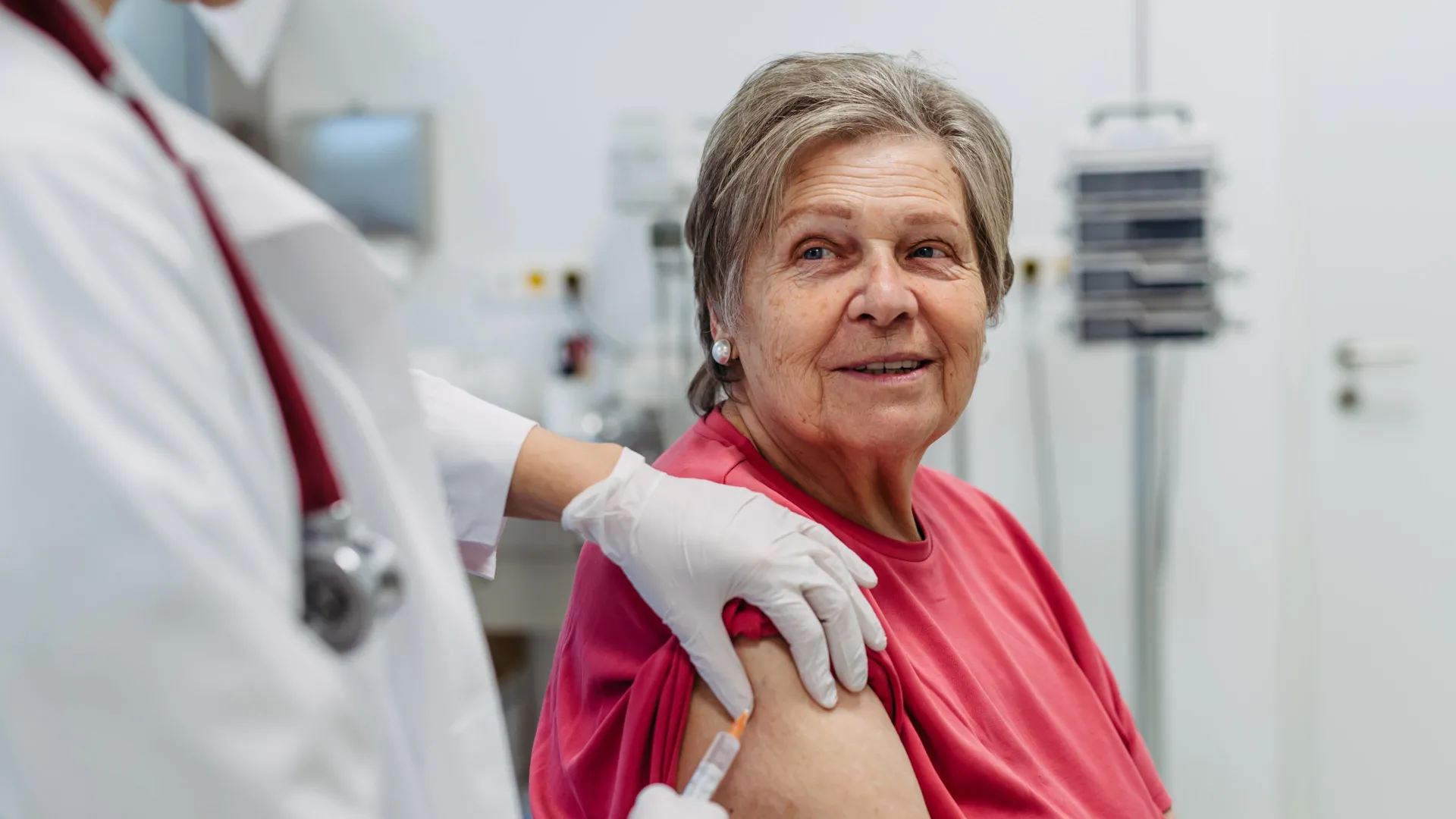
A landmark study has revealed that older adults who received a shingles vaccine after being admitted to a skilled nursing facility (SNF) demonstrated a significantly lower likelihood of being diagnosed with dementia over the subsequent four years. The research, which analyzed a vast dataset of over half a million individuals, found that vaccinated adults experienced a 24% reduced risk of developing dementia compared to their unvaccinated counterparts. This finding adds compelling evidence to the growing body of literature suggesting potential neuroprotective benefits of the shingles vaccine, particularly the newer recombinant zoster vaccine (RZV), known commercially as Shingrix.
The comprehensive analysis drew upon an extensive repository of Medicare data and electronic health records, encompassing more than 500,000 adults aged 66 and older. These individuals had been admitted to skilled nursing facilities across the United States for either short-term rehabilitation or long-term residential care. Researchers meticulously compared patients who received at least one dose of the recombinant shingles vaccine (Shingrix) with a control group of patients who remained unvaccinated during the study period. Shingrix, introduced to the market in 2017, has since become the sole shingles vaccine available, replacing the older, less effective live-attenuated vaccine.
The Evolving Landscape of Shingles Vaccination and Cognitive Health
For decades, the primary goal of shingles vaccination has been to prevent herpes zoster, the painful viral rash caused by the reactivation of the varicella-zoster virus (VZV), which also causes chickenpox. Shingles can lead to severe complications, including debilitating postherpetic neuralgia (PHN), a form of chronic nerve pain that can persist for months or even years after the rash clears, as well as vision loss, hearing impairment, and, in rare cases, stroke. The risk and severity of shingles, along with its complications, increase dramatically with age, making older adults a critical target demographic for vaccination efforts.
Prior to Shingrix, the live-attenuated Zostavax vaccine was available, offering moderate protection. However, its efficacy waned over time, and it was contraindicated for immunocompromised individuals. Shingrix marked a significant advancement, demonstrating over 90% efficacy in preventing shingles and PHN, and maintaining high protection for at least seven years post-vaccination. Its introduction in 2017 revolutionized shingles prevention, particularly for the vulnerable elderly population.
"A lot of previous studies with similar results focused on an older vaccine," noted study author Kaley Hayes, an assistant professor at Brown University’s School of Public Health and associate director of pharmacoepidemiology for Brown’s Center for Gerontology and Healthcare Research. "This study looks at the newest vaccine only in an older, vulnerable adult population who were not up to date with shingles vaccination and are at a very clear clinical point in care: entering a skilled nursing facility." This focus on the highly effective Shingrix vaccine within a particularly susceptible demographic—individuals often experiencing a decline in overall health that necessitates SNF admission—lends significant weight to the current findings.
The results align with several earlier investigations involving the previous shingles vaccine, which similarly identified an association between shingles vaccination and a reduced risk of dementia. This growing body of evidence suggests a broader protective mechanism beyond mere infection prevention. "It fits into this large puzzle that’s just starting to come together that the vaccines are effective at preventing shingles and also appear to have neuroprotective benefits as well," Hayes added. The study, led by Hayes, was a collaborative effort involving researchers from Brown University, the University of Delaware, the Providence Veterans Affairs Medical Center, and other esteemed institutions, and was published in the prestigious journal Annals of Internal Medicine.
Methodology and Scope: Analyzing Over Half a Million Older Adults
To conduct their robust analysis, the researchers employed a sophisticated statistical technique known as target trial emulation. This approach is designed to mimic the conditions of a randomized clinical trial (RCT) using observational data, particularly in scenarios where conducting an actual RCT would be impractical, unethical, or prohibitively expensive. In this context, randomizing older, potentially frail SNF residents to receive or not receive a recommended vaccine, and then following them for years for dementia outcomes, presents significant logistical and ethical challenges. Target trial emulation allows researchers to systematically compare treatment groups while accounting for various confounding factors, thereby strengthening the causal inference drawn from observational data.
The study incorporated Medicare claims and electronic health records from patients admitted to more than 5,500 skilled nursing facilities located across the United States. The data spanned a period from 2017, the year Shingrix was introduced, to 2022. Out of the 509,926 individuals included in the final analysis, a relatively small but significant subset of 8,843 received the shingles vaccine during their SNF stay or shortly after. To ensure a relevant study population, participants had to be eligible for shingles vaccination according to public health guidelines and could not have a pre-existing diagnosis of dementia at the time of their SNF admission.
Following a four-year period of observation, the data revealed a stark difference in dementia incidence between the two groups. Among the vaccinated participants, 18.8% received a new dementia diagnosis. In contrast, 24.6% of those who remained unvaccinated developed dementia. This translates to a substantial relative risk reduction, which Hayes quantified further: "This translates to about one in 17 dementia cases potentially being prevented." This statistic underscores the profound public health implications of the findings, suggesting that a widely available preventive measure could avert a significant number of cognitive decline diagnoses in a highly vulnerable population.
The Interplay of Inflammation, Infection, and Neurodegeneration
While the precise mechanisms underlying the observed neuroprotective effect remain an area of active research, scientific understanding points towards the intricate relationship between systemic inflammation, viral infections, and brain health. Dementia, particularly Alzheimer’s disease, is increasingly recognized not merely as a disease of amyloid plaques and tau tangles but also as one involving chronic neuroinflammation.
Shingles infection itself is a highly inflammatory event. The varicella-zoster virus, once reactivated, causes significant immune system activation, leading to systemic inflammation that can impact various organs, including the brain. Studies have shown that severe infections, including shingles, can trigger or exacerbate neuroinflammatory processes, potentially contributing to cognitive decline in susceptible individuals. By preventing shingles, the vaccine effectively prevents this inflammatory cascade, thereby potentially mitigating a risk factor for dementia.
Furthermore, some theories suggest that chronic viral presence or repeated inflammatory insults could accelerate the pathological processes seen in neurodegenerative diseases. The shingles vaccine, by boosting immunity against VZV and preventing its reactivation, might interrupt this cycle. This concept resonates with other research exploring the potential cognitive benefits of other routine vaccinations, such as influenza and pneumonia vaccines, which also aim to prevent infections that can trigger systemic inflammatory responses. The brain, once considered immune-privileged, is now understood to be deeply interconnected with the peripheral immune system, making findings like these particularly intriguing for neurologists and gerontologists.
Limitations and the Path Forward: Proving Causation
Despite the robust methodology and compelling findings, the researchers prudently acknowledge an important limitation: the study, being observational, cannot definitively establish a direct cause-and-effect relationship between Shingrix vaccination and a lower rate of dementia diagnoses. While the association is strong, observational studies are always susceptible to unmeasured confounding factors.
The research team noted that individuals who received the shingles vaccine tended to be slightly younger and generally healthier than those who remained unvaccinated. These baseline differences in health status could independently contribute to a lower dementia risk. To address this, the researchers meticulously adjusted their analysis to account for these known confounding factors, including age, comorbidities, and other health indicators. Even after these adjustments, the significant association between vaccination and reduced dementia risk persisted, indicating that these observed differences did not fully explain the protective effect.
However, the scientific community emphasizes that definitive proof of causation would require large-scale, randomized clinical trials specifically designed to assess cognitive outcomes following shingles vaccination. Such trials, while challenging to implement, would randomize participants to receive either the vaccine or a placebo (or a control vaccine) and then follow them for many years to observe dementia incidence. In the interim, mechanistic studies are also crucial to unravel the precise biological pathways through which shingles vaccination might confer neuroprotection. This could involve examining markers of inflammation, immune responses, and brain imaging changes in vaccinated versus unvaccinated individuals.
Broader Public Health Implications and Expert Perspectives
The findings carry substantial implications for public health policy and clinical practice. Dementia represents one of the most significant global health challenges of the 21st century, with an ever-increasing prevalence due to aging populations. In 2024, an estimated 6.9 million Americans aged 65 and older are living with Alzheimer’s dementia, a number projected to rise dramatically in the coming decades. The economic burden is staggering, with Alzheimer’s and other dementias estimated to cost the nation $360 billion in 2024, a figure expected to exceed $1 trillion by 2033. Any intervention, especially one that is already widely accessible and proven safe and effective for its primary purpose, that could even modestly reduce this burden would be transformative.
Public health officials and geriatric specialists are likely to view these findings with cautious optimism. While awaiting definitive causal proof, the potential for a dual benefit—preventing a painful and debilitating viral infection while simultaneously reducing the risk of cognitive decline—strengthens the rationale for universal shingles vaccination among eligible older adults. Current recommendations from the Centers for Disease Control and Prevention (CDC) already advise Shingrix for adults aged 50 and older. These new findings could prompt further emphasis on adherence to these recommendations, particularly for individuals entering skilled nursing facilities, where residents are often at heightened risk for both infections and cognitive decline.
"Our cognition is so tied to our overall health and what happens to us physically," Hayes reflected. "It’s really amazing to see that something that’s supposed to prevent a physical ailment can also help keep our brain healthy, too." This sentiment encapsulates the evolving understanding of holistic health, where interventions targeting one aspect of well-being can cascade into broader benefits.
Transparency and Funding Disclosure
In the interest of full transparency, the authors of the study reported receiving funding from GlaxoSmithKline (GSK), the manufacturer of Shingrix. This disclosure is standard practice in medical research, particularly when a pharmaceutical company’s product is involved. Crucially, the researchers explicitly noted that GSK had no control over the study design, the analytical methods employed, or the ultimate decision to publish the findings. This independent oversight is essential to maintain scientific integrity and ensure that the research conclusions are driven solely by the data.
Future Directions and the Promise of Preventive Neurology
The intersection of infectious disease prevention and neurodegenerative disease research is a rapidly expanding field. Beyond shingles, scientists are investigating how other infections and vaccines might influence long-term cognitive health. These latest findings with Shingrix underscore the potential for a paradigm shift in preventive neurology, where routine vaccinations could play a role not just in protecting against acute illness but also in safeguarding cognitive function across the lifespan.
Future research will undoubtedly focus on replicating these findings in diverse populations, conducting prospective cohort studies, and eventually, if feasible, initiating randomized controlled trials. Additionally, detailed mechanistic studies are needed to unravel the biological pathways through which shingles vaccination might exert its neuroprotective effects. Understanding whether it’s solely through the prevention of VZV reactivation and its associated inflammation, or if there are other immune modulatory effects at play, will be critical.
Ultimately, the study suggests that an already widely accessible and highly effective preventive measure could potentially benefit both physical and cognitive health. As populations age globally, the quest for effective strategies to prevent or delay dementia becomes increasingly urgent. The shingles vaccine, initially lauded for its ability to prevent a painful rash, may now be recognized as a valuable tool in the broader arsenal against cognitive decline, offering a ray of hope in the complex fight against neurodegenerative diseases.
