
 By admin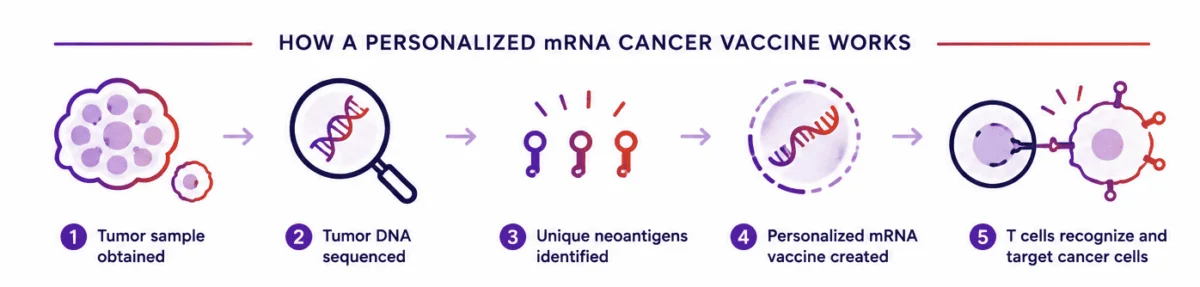
For decades, the ambitious vision of training a patient’s immune system to precisely recognize and combat their unique cancer remained a distant dream. Today, that vision has taken a monumental leap closer to reality, as pharmaceutical giants Merck and Moderna announced positive topline results from a landmark Phase 3 clinical trial. This pivotal study evaluated intismeran autogene, an individualized mRNA-based cancer vaccine, in combination with the established immune checkpoint inhibitor pembrolizumab (Keytruda®), delivering unprecedented outcomes for patients with high-risk melanoma whose tumors had been surgically removed. The news heralds a transformative moment, marking the first successful Phase 3 trial for both an individualized neoantigen therapy and an mRNA-based cancer treatment, signaling a new era in precision oncology.
The combination therapy demonstrated statistically significant and clinically meaningful improvements in two critical endpoints: recurrence-free survival (RFS) and distant metastasis-free survival (DMFS). Patients receiving the individualized vaccine alongside Keytruda experienced a significantly longer period without their cancer returning compared to those treated with Keytruda alone. Furthermore, the combination therapy also extended the time patients lived without their cancer spreading to distant parts of the body. These compelling results underscore the potential for this novel therapeutic approach to redefine the standard of care for a challenging and often aggressive cancer.
The Peril of High-Risk Melanoma and the Promise of Adjuvant Therapy
Melanoma, a formidable form of skin cancer, poses a significant threat, particularly when it reaches advanced stages or carries a high risk of recurrence following surgical removal. While surgery is often curative for early-stage melanoma, patients with Stage IIB-IV cutaneous melanoma, even after complete resection, face a substantial risk of relapse and metastasis. Adjuvant therapies, administered after primary treatment, are crucial in these high-risk scenarios to eliminate residual microscopic cancer cells and prevent recurrence.
Immune checkpoint inhibitors like pembrolizumab (Keytruda), which block the PD-1 pathway, have revolutionized adjuvant melanoma treatment by unleashing the immune system’s inherent ability to target cancer cells. However, even with these advancements, a significant proportion of patients still experience recurrence. The unmet need for more effective adjuvant strategies has driven researchers to explore innovative avenues, with personalized cancer vaccines emerging as a particularly promising frontier. The INTerpath-001 trial’s success represents a critical validation of this pursuit, suggesting that combining systemic immune activation with highly specific, individualized immune education could be the key to overcoming current limitations.
Unpacking the Science: How a Personalized mRNA Cancer Vaccine Works
Unlike conventional vaccines designed to prevent infectious diseases by pre-emptively training the immune system, intismeran autogene functions as a therapeutic cancer vaccine. Its purpose is not to prevent cancer from developing but to actively treat existing cancer by instructing the patient’s immune system to identify and eliminate malignant cells. What sets intismeran apart is its profound personalization: each vaccine is meticulously designed for a specific patient, a stark contrast to the "one-size-fits-all" approach of most pharmaceuticals.
The intricate process begins with a biopsy of the patient’s tumor, which undergoes advanced genetic sequencing. This analysis pinpoints unique mutations present in the cancer cells. From these mutations, scientists identify specific markers called neoantigens. These neoantigens are particularly critical because they are found exclusively on cancer cells, making them ideal targets for immune attack, as normal, healthy cells do not express them.
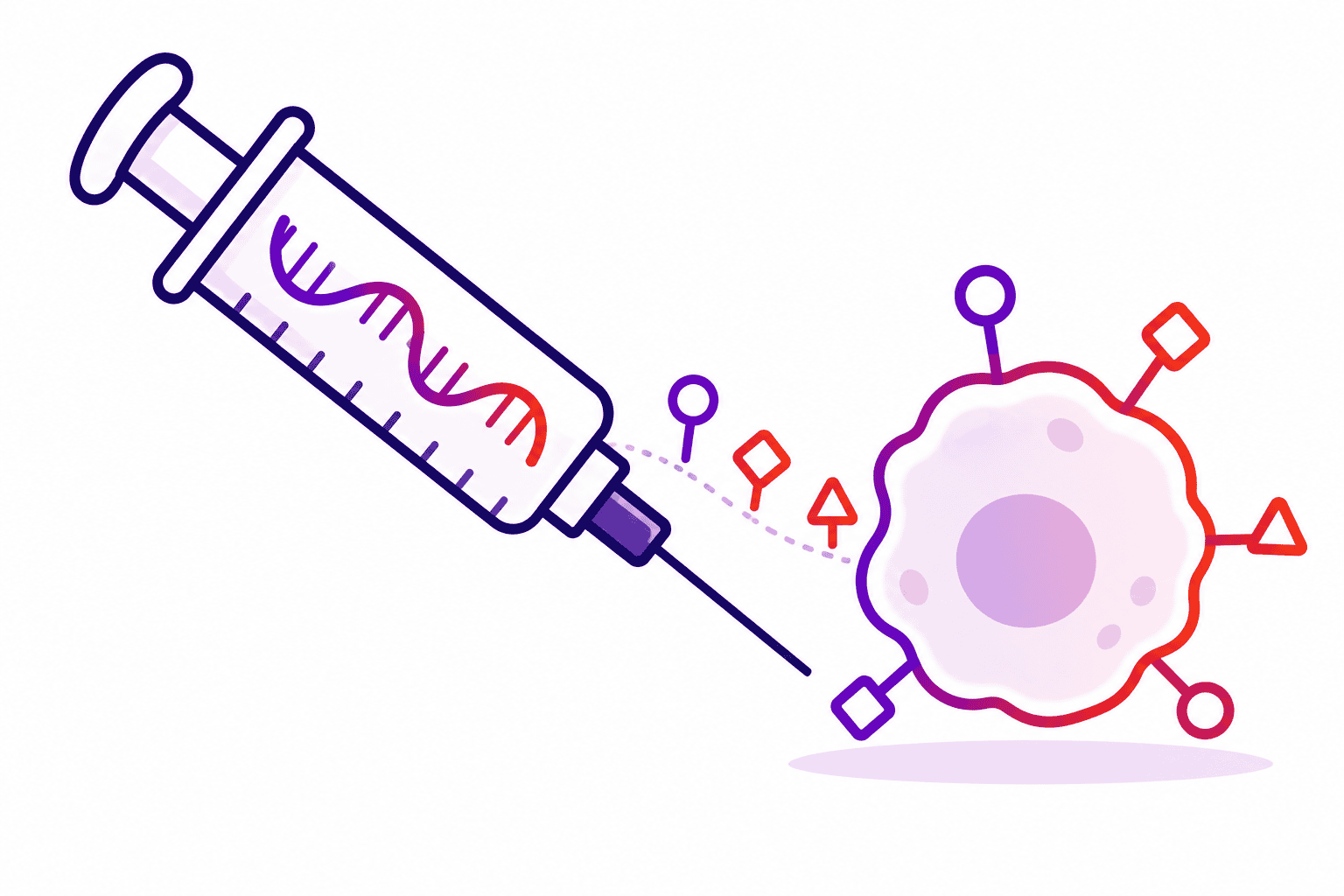
Once these patient-specific neoantigens are identified, their genetic blueprints are encoded into messenger RNA (mRNA) molecules. This mRNA acts as a temporary set of instructions. When administered as a vaccine, the patient’s cells take up this mRNA and translate it into the specific neoantigen proteins. The immune system then encounters these neoantigens, recognizing them as foreign and initiating a robust, targeted immune response against any cells bearing these unique cancer markers. In essence, the vaccine provides the immune system with a bespoke "most-wanted" poster, guiding it to the precise identifying features of that individual’s cancer.
The Synergistic Power of Combination Therapy: Vaccine and Checkpoint Inhibition
While the personalized mRNA vaccine excels at teaching the immune system what to target, cancer cells have evolved sophisticated mechanisms to evade immune surveillance. One primary strategy involves exploiting natural immune checkpoints – molecular "brakes" that normally prevent the immune system from overreacting and causing damage to healthy tissues. Tumors can hijack these checkpoints, such as the PD-1/PD-L1 pathway, to suppress the activity of T cells, the very immune cells responsible for recognizing and destroying abnormal cells.
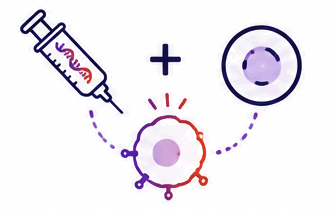
This is where pembrolizumab (Keytruda) plays its crucial role. As an immune checkpoint inhibitor, Keytruda blocks the PD-1 receptor on T cells. By doing so, it effectively releases the "brakes" on these immune cells, allowing them to sustain a potent and prolonged attack against cancer. The combination therapy thus creates a powerful one-two punch: the individualized mRNA vaccine provides the precise intelligence for the immune system to recognize the cancer, while Keytruda ensures that the newly educated T cells can mount and maintain an unhindered, effective response. This synergy amplifies the therapeutic effect, leading to superior outcomes compared to either therapy alone.
A Convergence of Decades of Discovery: CRI’s Enduring Legacy
For the Cancer Research Institute (CRI), the positive Phase 3 readout for intismeran autogene holds profound significance, representing the culmination of more than 70 years of foundational investment in cancer immunology. Long before immunotherapy became a cornerstone of modern oncology, CRI championed the fundamental science necessary to unravel the complex interplay between the immune system and cancer.
The journey began in the 1950s, with CRI’s founding scientific and medical director, Dr. Lloyd J. Old. Dr. Old was instrumental in demonstrating that the tuberculosis vaccine, Bacillus Calmette-Guérin (BCG), could stimulate an immune response against tumors in mice. This pioneering work eventually led to BCG becoming the first active immunotherapy approved by the U.S. Food and Drug Administration (FDA) for bladder cancer. Dr. Old dedicated much of his career to the visionary pursuit of identifying unique cancer cell features – the very neoantigens that form the basis of individualized vaccines today – to direct immune responses against tumors.
In 2001, CRI, in collaboration with the Ludwig Institute for Cancer Research, established the Cancer Vaccine Collaborative (CVC). This global academic network was specifically designed to accelerate the development and rigorous testing of therapeutic cancer vaccines. Over its initial decade, the CVC orchestrated nearly 60 early-phase trials, meticulously investigating not only which cancer targets could elicit an immune response but also what additional signals might be required to enhance the strength and durability of these responses. Their work laid critical groundwork for the personalized neoantigen approach.
Concurrently, another revolutionary chapter in cancer immunology was unfolding. In 1992, CRI began funding research in the laboratory of Dr. James P. Allison. His groundbreaking discoveries revealed that blocking immune checkpoints could effectively release the natural "brakes" on T cells, empowering them to respond more robustly to cancer. Dr. Allison’s seminal work ultimately launched checkpoint blockade as an entirely new paradigm in cancer treatment, earning him the 2018 Nobel Prize in Physiology or Medicine.
The foundational science behind mRNA-based therapies also received early recognition from CRI. In 2021, the institute awarded its prestigious William B. Coley Award to Katalin Karikó, Drew Weissman, Uğur Şahin, and Özlem Türeci for their pivotal contributions to mRNA-based approaches, not only in cancer but also in infectious diseases. Karikó and Weissman subsequently received the 2023 Nobel Prize in Physiology or Medicine for their discoveries that enabled the rapid and effective development of mRNA vaccines against COVID-19, showcasing the broad applicability and transformative potential of this technology.
Today, these distinct yet interconnected scientific paths have gloriously converged. The individualized cancer vaccine provides the immune system with precise information on what to recognize, while checkpoint blockade creates the optimal conditions for immune cells to mount and sustain an attack. This powerful combination brings together two cornerstones of cancer immunology that CRI has championed and helped advance for decades, validating a long-held vision. The positive results from INTerpath-001 offer the most compelling late-stage evidence yet that integrating these concepts can significantly improve patient outcomes.
Detailed Findings from the Phase 3 INTerpath-001 Trial
The global Phase 3 INTerpath-001 trial was a robust and extensive study, enrolling 1,137 patients diagnosed with Stage IIB-IV cutaneous melanoma whose tumors had been completely removed through surgery. Following their surgical procedures, these patients were randomized to receive either the combination of intismeran autogene plus pembrolizumab (Keytruda) or pembrolizumab (Keytruda) alone. The primary objective of the trial was to assess the efficacy of the combination in reducing the risk of cancer recurrence.
At a pre-specified interim analysis, Merck and Moderna announced that the combination therapy successfully met its primary and key secondary endpoints. These included statistically significant and clinically meaningful improvements in both recurrence-free survival (RFS) and distant metastasis-free survival (DMFS) when compared to Keytruda monotherapy. While the precise magnitude of benefit in the Phase 3 trial has not yet been publicly disclosed, previous data from the smaller Phase 2b trial offers a glimpse into the potential impact. In that earlier study, five-year follow-up data demonstrated that the combination therapy reduced the risk of recurrence or death by an impressive 49%, and the risk of distant metastasis or death by 59% compared with Keytruda alone. These Phase 2b results set a high bar and suggest that the Phase 3 findings, once fully unveiled, will be similarly compelling.
Implications for Patients and the Medical Landscape

The positive Phase 3 results for intismeran autogene combined with Keytruda hold profound implications across the spectrum of oncology:
- Transformative Potential for Melanoma Patients: For individuals with high-risk melanoma, this combination therapy could represent a significant advance, offering a new and more effective adjuvant treatment option to prevent recurrence and improve long-term survival. The personalized nature of the vaccine addresses the heterogeneity of cancer, potentially leading to more durable responses.
- Validation of mRNA Technology in Oncology: The success firmly establishes mRNA technology as a viable and potent platform for cancer therapeutics, building on its monumental success in infectious disease vaccines. This opens the floodgates for further investment and research into mRNA-based treatments for a multitude of other cancers.
- Proof-of-Concept for Individualized Neoantigen Therapies: The trial’s outcome is a major scientific validation for the entire field of individualized neoantigen vaccines. It demonstrates that identifying and targeting patient-specific cancer mutations can indeed drive meaningful clinical benefit, moving this sophisticated approach from theoretical promise to clinical reality.
- A Paradigm Shift in Immunotherapy: The synergistic efficacy of combining an immune checkpoint inhibitor with a personalized vaccine highlights a new paradigm in cancer immunotherapy. It suggests that while checkpoint blockade unleashes the immune system, precise education via neoantigen vaccines can significantly enhance the targeting and effectiveness of that unleashed response.
Challenges and the Road Ahead
Despite the immense excitement, several crucial steps and challenges lie ahead before individualized mRNA cancer vaccines can become part of routine clinical care:
- Further Data Disclosure and Regulatory Review: While topline results are positive, detailed data, including specific hazard ratios, progression-free survival, and overall survival outcomes, are eagerly awaited. Merck and Moderna will need to submit comprehensive data to regulatory bodies like the FDA and EMA for review and potential approval. The trial is continuing to evaluate overall survival, which is the gold standard for understanding whether the combination ultimately helps patients live longer.
- Manufacturing and Scalability: The individualized nature of intismeran presents significant logistical hurdles. Each vaccine requires a tumor biopsy, genetic analysis, and bespoke manufacturing. Scaling this complex process to meet broad patient demand will necessitate substantial investment in infrastructure, automation, and supply chain optimization. The time from biopsy to vaccine administration, cost-effectiveness, and equitable access will be critical considerations.
- Applicability Beyond Melanoma: While the current success is in melanoma, intismeran is being investigated in other cancer types, including non-small cell lung cancer, renal cell carcinoma, and bladder cancer. Future studies will be crucial to determine the breadth of its applicability and efficacy across different tumor types, each with its unique biological characteristics and neoantigen profiles.
- Comparative Effectiveness and Long-Term Safety: Ongoing monitoring for long-term safety and durability of response will be essential. Researchers will also continue to explore different vaccine technologies, tumor targets, and optimal combination treatments to further enhance efficacy and minimize side effects.
Decades of Discovery, a New Chapter Begins
Scientific breakthroughs are rarely born from a single experiment; they are the culmination of years, often decades, of incremental discoveries, persistent inquiry, and the unwavering belief in bold ideas. The concept that the immune system could recognize cancer was once met with skepticism. Similarly, the notion of releasing immune checkpoints to empower T cells against tumors, or creating a vaccine tailored to an individual’s unique cancer mutations, were once considered radical.
Today, these once-controversial ideas have converged within the framework of a successful Phase 3 clinical trial. This remarkable achievement stands as a testament to the enduring vision of organizations like the Cancer Research Institute, which has consistently invested in identifying and supporting exceptional science from its earliest stages, providing researchers with the resources to pursue ambitious goals, and building the foundational knowledge that ultimately translates into better treatments for patients.

The positive results from INTerpath-001 do not signify the end of the cancer vaccine story; rather, they mark the triumphant beginning of an important new chapter. This milestone opens the door to a future where personalized immunotherapy, precisely engineered to each patient’s unique biological signature, could fundamentally alter the trajectory of cancer care, offering renewed hope and significantly improved outcomes for millions worldwide.
Sources
- "Moderna cancer vaccine stops melanoma returning: what’s next for personalized treatments?" Nature, August 2026.
- "Merck and Moderna Announce Phase 3 INTerpath-001 Trial of Intismeran Autogene Plus KEYTRUDA® Met Endpoints of Recurrence-Free Survival (RFS) and Distant Metastasis-Free Survival (DMFS) in Patients With Completely Resected Stage IIB-IV Melanoma." Merck, August 2026.
- "The Cancer Vaccine Collaborative: a new model of coordinated discovery." Cancer Immunology, May 2012.
