
 By admin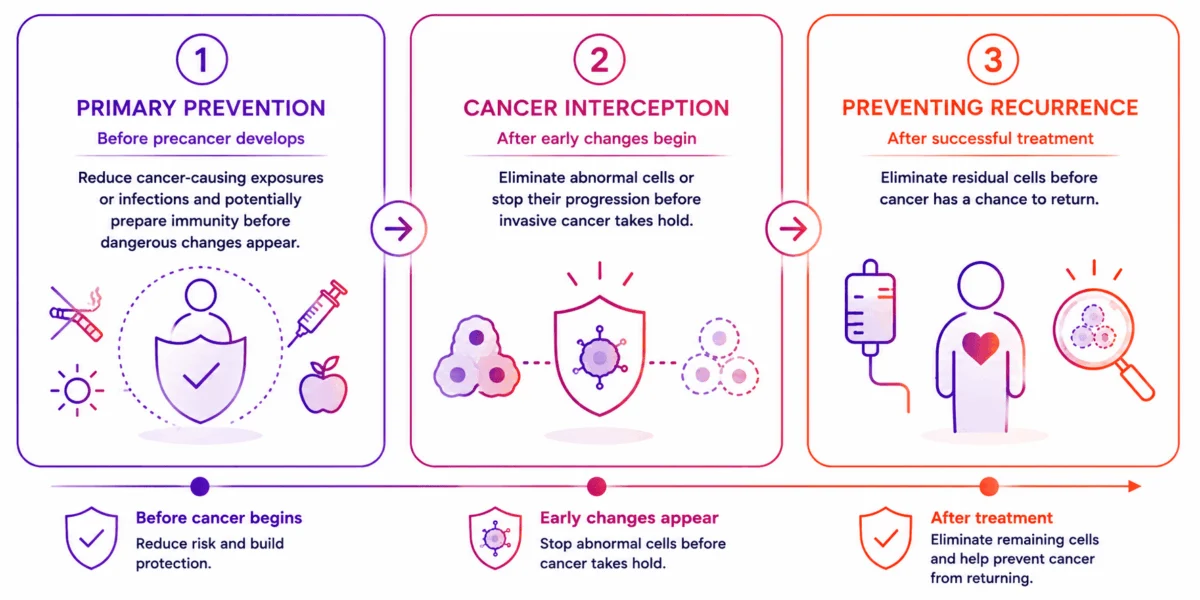
The Cancer Research Institute (CRI) has announced an unprecedented strategic pivot for its Clinic and Laboratory Integration Program (CLIP) applications, dedicating its resources for the first time to a singular, critical scientific theme: primary and secondary cancer prevention and interception. This landmark decision underscores a growing consensus within the scientific community that a significant shift in oncology is both possible and imperative, moving the emphasis from treating established disease to proactively stopping cancer before it takes hold or returns. The initiative specifically calls for multi-investigator teams whose research seamlessly bridges fundamental mechanistic discovery with practical clinical application, aiming to advance innovative immune-based strategies to prevent or intercept the development and recurrence of cancer.
The Evolving Paradigm: Catching Cancer Before It Starts
For decades, the battle against cancer largely commenced upon diagnosis, often when tumors were already established and symptomatic. However, scientific advancements over the past two decades have illuminated a crucial, often prolonged, silent period that precedes a formal cancer diagnosis. Cancer, in most cases, does not materialize overnight; it is a multi-stage process where cells gradually accumulate mutations and instigate changes in their surrounding tissue. Pancreatic cancer, for instance, is known to develop over a decade or more from its earliest genetic alterations, presenting a substantial window of opportunity that historically remained largely obscured.
The analogy to heart disease is apt: medical professionals routinely manage risk factors like high blood pressure and elevated cholesterol levels years before a heart attack occurs, effectively preventing the cardiac event. A similar proactive paradigm is now emerging for cancer, fueled by breakthroughs in genetics, sophisticated early detection technologies, advanced immune monitoring techniques, and detailed precancer mapping. These innovations are collectively bringing the once-invisible interval into sharp focus, offering unprecedented opportunities for intervention. The ultimate vision is a future where individuals can gain a deeper understanding of their personal cancer risk, collaborate with their healthcare providers to monitor meaningful biological changes, and intervene much earlier in the disease continuum.
CRI’s CLIP Initiative: A Catalyst for Change
The Cancer Research Institute, a leading non-profit organization dedicated to advancing immunotherapy, established the CLIP program to support physician-scientists who are actively conducting clinical trials in cancer immunology and want to deepen their research in fundamental laboratory investigation. CLIP grants typically provide significant funding – often in the range of $200,000 for a two-year period – to promising investigators, enabling them to bridge the gap between laboratory discoveries and clinical applications. By focusing this prestigious program exclusively on primary and secondary cancer prevention and interception, CRI is signaling a robust commitment to accelerate research in this nascent yet critically important field. This thematic focus is a strategic move to concentrate talent and resources on immune-based approaches, recognizing the immune system’s inherent potential to surveil, recognize, and eliminate abnormal cells before they become life-threatening malignancies. The call for multi-investigator teams further emphasizes the complex, interdisciplinary nature of this challenge, requiring collaboration across immunology, oncology, genetics, pathology, and clinical medicine.
Three Strategic Windows for Immune Intervention
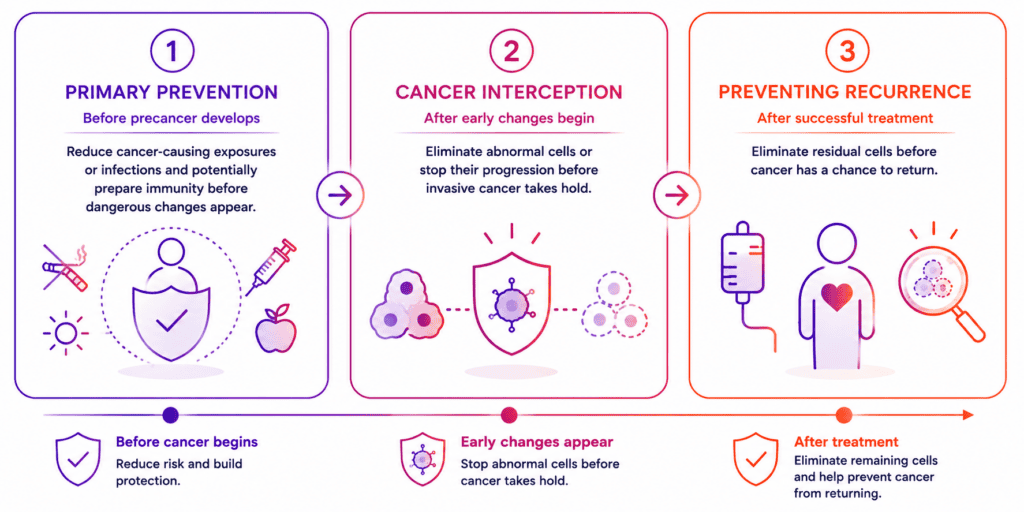
Efforts to prevent cancer from developing or returning can be categorized into three distinct, yet interconnected, windows of intervention:
-
Primary Prevention: This window represents the earliest opportunity to act, before precancerous lesions even manifest. Strategies here aim to reduce exposure to known cancer-causing agents or infections. Crucially, it also encompasses interventions designed to "prepare" or enhance immunity before dangerous cellular changes appear. Examples include vaccination against oncogenic viruses or lifestyle modifications to reduce environmental risks.

-
Cancer Interception: This critical window targets interventions after the earliest dangerous cellular changes have appeared but crucially, before invasive cancer takes hold. The objective of interception is twofold: to eliminate these abnormal cells or to halt their progression into full-blown malignancy. This might involve immune therapies that specifically target nascent precancerous cells.
-
Preventing Recurrence (Tertiary Prevention): This window focuses on preventing cancer from returning after successful initial treatment. It aims to eliminate microscopic residual disease (MRD) – any remaining cancer cells that are undetectable by conventional imaging but have the potential to seed future recurrence. Immunotherapies in this context often seek to enhance the patient’s immune response against lingering cancer cells.
A common thread across these three windows is the early stage of the disease: abnormal cells may be entirely absent, limited in number, or microscopic. At these early stages, the immune system theoretically holds a significant advantage, potentially being more capable of eradicating a smaller, less diverse population of abnormal cells. However, this early advantage also presents challenges: recognizing these subtle, early changes can be difficult, and even nascent precancerous lesions may already begin to suppress local immune responses, necessitating strategies to overcome this early immune evasion.
Immune Prevention: A Proven Reality
The concept of immune-based cancer prevention is not merely theoretical; it is a proven reality, particularly for cancers with viral etiologies. Vaccines against the hepatitis B virus (HBV) and human papillomavirus (HPV) stand as monumental public health achievements, preventing infections that are direct causes of liver, cervical, and various other cancers.
The global impact of HPV vaccination is especially profound. Programs supported by Gavi, the Vaccine Alliance, have safeguarded an estimated 86 million girls in lower-income countries, an effort projected to avert a staggering 1.4 million cervical cancer deaths. Further modeling indicates that achieving 80 percent global coverage with a single-dose HPV vaccination could prevent over 50 million cervical cancer cases in the next century. This success story is deeply intertwined with the Cancer Research Institute’s history, as CRI notably supported the pioneering work of Dr. Ian H. Frazer, MD, beginning in 1999. Dr. Frazer’s groundbreaking research on virus-like particles (VLPs) was instrumental in the development of the technology behind Gardasil®, a leading HPV vaccine, showcasing CRI’s long-standing commitment to foundational science that translates into life-saving interventions.
Beyond viral vaccines, other established interventions demonstrate the power of early action:
- Colonoscopy: Regular screening and removal of precancerous polyps during colonoscopy significantly lowers the incidence and mortality rates of colorectal cancer.
- Aspirin for Lynch Syndrome: Daily aspirin therapy has been shown to reduce colorectal cancer risk in individuals with Lynch syndrome, an inherited condition predisposing individuals to various cancers.
- Prophylactic Surgery for BRCA Carriers: Removing ovaries and fallopian tubes (salpingo-oophorectomy) dramatically reduces ovarian cancer risk in women carrying BRCA mutations, which confer a high lifetime risk of ovarian and breast cancers.
These examples firmly establish the principle: intervening before invasive cancer emerges can undeniably save lives. The frontier now lies in extending this principle to non-viral cancers, primarily by training the body’s own immune system to recognize and eliminate precancerous cells or residual cancer cells with precision and efficacy.
Navigating the Frontier: Promising Signals and Hard-Earned Lessons
Early clinical trials in cancer interception offer a mix of compelling promise and crucial lessons, highlighting the complexities inherent in this nascent field.
One early vaccine trial targeted MUC1, a protein often altered and overexpressed on precancerous colon growths. While the vaccine successfully produced an immune response in only about one in four recipients, among those who mounted a lasting response, the recurrence rate was a remarkable 38 percentage points lower compared to placebo. Analysis revealed that non-responders typically exhibited more immune-suppressing cells and inflammatory signals even before vaccination. This suggests a critical insight: success in immune interception may depend not only on selecting the right target but also on ensuring the immune system is primed and ready to respond. Understanding the baseline immune state of individuals and potentially addressing existing immune suppression could be vital for patient selection and optimizing therapeutic outcomes.
Another significant trial explored nivolumab, an approved immune checkpoint inhibitor, in individuals with high-risk oral lesions, which are precancerous. The drug, which blocks the PD-1 pathway to unleash anti-tumor immunity, shrank these lesions in approximately one in three participants. However, the trial also presented important caveats: some responders still progressed to invasive cancer, and a notable one in five experienced severe immune-related side effects. This outcome underscores a fundamental distinction: shrinking a lesion, while encouraging, is not synonymous with preventing cancer. For individuals who do not yet have cancer, any intervention must demonstrably reduce future cancer risk while meticulously safeguarding their present health and quality of life. The risk-benefit profile for prevention must be exceptionally favorable compared to treatments for established disease.
More recent trials are focusing on clearer, more ubiquitous early targets. Over 90 percent of the most common form of pancreatic cancer and many of its precursor lesions carry a mutation in the KRAS gene, a notorious oncogene. A vaccine designed to target six common KRAS mutations was administered to 20 high-risk participants. Encouragingly, it produced an immune response in 90 percent of them, with vaccine-induced immune cells detectable for up to two years. While this study did not directly assess prevention, it successfully answered two prerequisite questions: the vaccine was safe, and it could generate a durable immune response. A subsequent phase, involving a second group of participants scheduled for surgery, will investigate whether these activated immune cells successfully infiltrate the precancerous lesions, where they must act to exert a preventive effect.
A similar strategy is being explored for Lynch syndrome, an inherited condition characterized by defects in DNA mismatch repair, which significantly increases the risk for colorectal and several other cancers. Due to the impaired proofreading system, cells in Lynch syndrome repeatedly accumulate specific mutations, creating a set of shared potential vaccine targets. A vaccine targeting 209 such mutations generated an immune response in every participant in an early trial. The pivotal next step is to determine if these immune responses translate into actual cancer prevention.
Collectively, these studies, despite their varying outcomes, provide compelling evidence that durable, targeted immune responses are achievable in individuals at elevated risk for cancer. The monumental task ahead is to translate these promising immune responses into tangible, life-saving prevention.
The Road Ahead: Defining Challenges for Immune-Based Prevention
The field of immune-based cancer prevention and interception is defined by several interconnected and formidable challenges that require a concerted, multidisciplinary approach:
-
Identifying Early, Actionable Targets: The ability to intervene effectively hinges on pinpointing specific molecular or cellular targets that are present in precancerous lesions but ideally absent or minimally expressed in healthy tissues. These targets must appear early enough in the disease process to allow for intervention before irreversible progression. This necessitates a deeper understanding of the molecular landscape of precancer.
-
Developing Robust Biomarkers for Risk Stratification and Response: To guide interventions and monitor their efficacy, reliable biomarkers are crucial. These could be genetic markers to identify high-risk individuals, immune markers to predict response to immunotherapy, or imaging biomarkers to track lesion regression. Developing non-invasive, highly sensitive, and specific biomarkers is paramount.
-
Overcoming Early Immune Evasion and Suppression: Even at precancerous stages, evolving lesions can develop mechanisms to evade immune surveillance or actively suppress local immune responses. Understanding the early immune microenvironment of precancer and devising strategies to disarm these suppressive mechanisms are critical for successful immune-based interventions.

-
Designing Safe and Effective Interventions: While immunotherapies have revolutionized advanced cancer treatment, their application in a preventive setting demands an even higher safety threshold. For individuals who do not yet have invasive cancer, interventions must carry minimal risk of severe side effects while offering substantial and sustained protective benefits. This balance is delicate and complex.
-
Establishing Rigorous Clinical Trial Endpoints and Long-Term Follow-up: Proving cancer prevention requires exceptionally long-term follow-up and carefully defined clinical endpoints. Unlike advanced cancer trials where tumor shrinkage or survival are clear metrics, prevention trials must demonstrate a statistically significant reduction in future cancer incidence, which can take many years to observe.
These challenges are intricately linked. An identified target is only valuable if it emerges sufficiently early; a laboratory model is only relevant if it accurately mirrors human precancer; and a biomarker is only useful if it effectively guides intervention or confirms its success. True progress in this domain will only be realized by meticulously linking fundamental mechanistic discoveries with rigorous clinical application and evaluation.
Recent Breakthroughs and The Opportunity Ahead
Despite the challenges, significant progress is already visible, particularly in the recurrence window. In a major announcement in August 2026, Merck and Moderna reported compelling results from a large Phase III trial. Their personalized mRNA vaccine, meticulously tailored to each patient’s unique tumor mutations, when combined with pembrolizumab (Keytruda, a PD-1 inhibitor), significantly reduced the risk of melanoma returning after surgery. While full results are still pending publication, this finding provides robust evidence for the power of immune-based prevention when any remaining disease is microscopic, offering a blueprint for similar strategies in other cancer types. Personalized neoantigen vaccines represent a groundbreaking approach, leveraging the unique genetic fingerprint of an individual’s tumor to train their immune system to recognize and eliminate any lingering cancer cells.
The Cancer Research Institute firmly believes that cancer interception has the potential to fundamentally reshape cancer care, shifting a substantial portion of medical effort from reactive treatment of established disease to proactive prevention. Realizing this ambitious vision necessitates a concerted, team-science approach, seamlessly integrating cutting-edge fundamental immunology and cancer biology with advanced early detection technologies and meticulously designed, rigorous clinical trials. CRI is steadfast in its commitment to investing in the pioneering scientists, fostering collaborative research networks, and supporting the translational research pipelines required to transform early scientific promise into tangible interventions that save countless lives.
The "window before cancer" is no longer a distant concept but a palpable reality, brought into focus by decades of scientific inquiry and technological innovation. With unwavering scientific rigor and sustained commitment from researchers, funding bodies, and the healthcare community, we possess the unprecedented opportunity to learn how to effectively utilize this critical window – to stop more cancers before individuals ever have to face them, or face them again. This represents a paradigm shift towards a more proactive, preventive oncology, promising a future with a significantly reduced global burden of cancer.
