
 By admin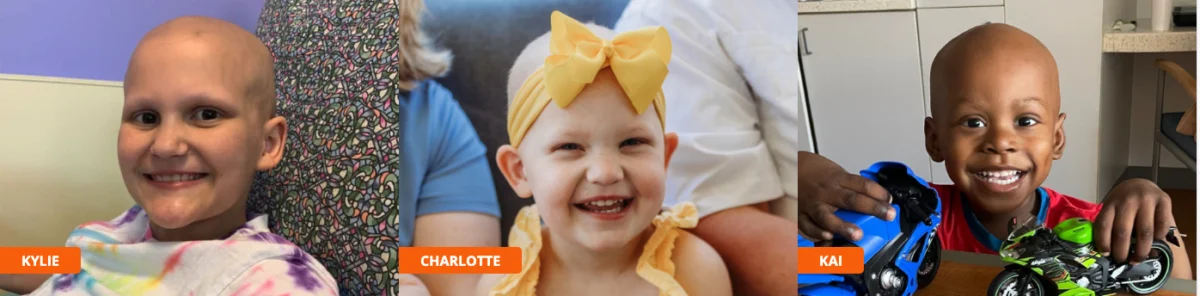
The Great Cycle Challenge has officially entered its 12th year of partnership with the Children’s Cancer Research Fund (CCRF), marking a significant milestone in the national effort to fund innovative pediatric oncology research. Since its inception, the initiative has transformed from a grassroots cycling event into a massive philanthropic movement, mobilizing riders across all 50 states to log more than 38 million miles. To date, the challenge has raised over $87 million, providing critical capital for the development of better treatments, personalized therapies, and a reduction in the long-term side effects that often plague survivors of childhood cancer.
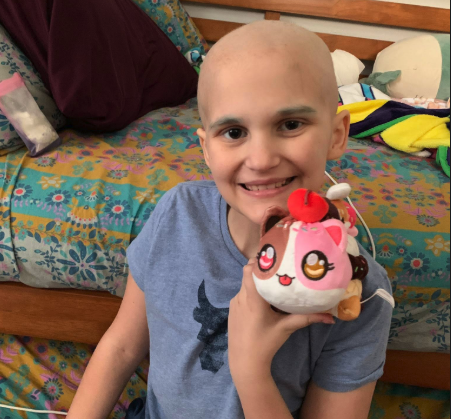
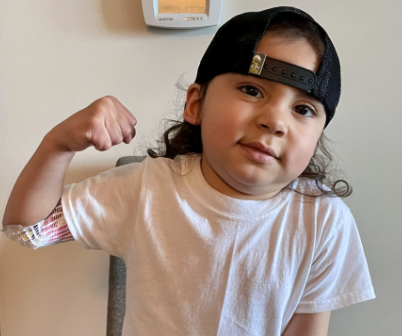
As the 2026 campaign commences, the organization has introduced five National Ambassadors—Charlotte, Kai, Kylie, Jasper, and Emma—whose diverse experiences with various forms of the disease highlight the urgent need for continued medical advancement. These children represent the faces of a struggle that is not confined to clinical settings but is lived out in classrooms, on playgrounds, and within the family unit. Their stories serve as the primary catalyst for a cycling community that continues to grow in both size and financial impact.
The 2026 Ambassadors: Personalizing the Fight Against Pediatric Malignancy
The 2026 Great Cycle Challenge Ambassadors provide a cross-section of the current landscape of pediatric oncology, representing different ages, diagnoses, and stages of treatment. Their journeys underscore the reality that while survival rates have improved for some cancers, others remain remarkably aggressive and difficult to treat.
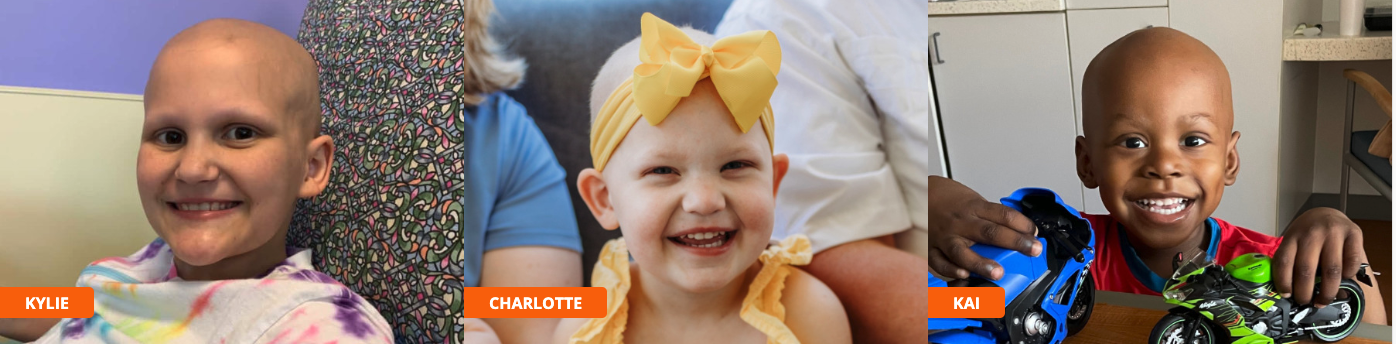
Charlotte, age 4, is currently navigating the maintenance phase of treatment for B-cell acute lymphoblastic leukemia (ALL). ALL is the most common form of childhood cancer, affecting the white blood cells. While it has a high overall survival rate compared to other pediatric malignancies, the treatment protocol is notoriously grueling, often spanning two to three years. Charlotte’s transition into maintenance therapy follows months of intensive chemotherapy, a period characterized by high toxicity and significant physical strain. Her family emphasizes that research is not merely a scientific pursuit but a direct investment in the longevity of children like Charlotte, who require long-term monitoring to ensure the cancer does not return.
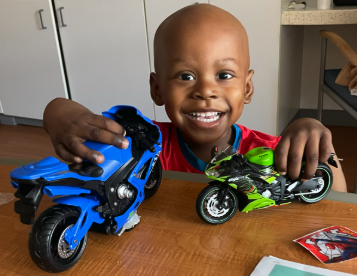
Kai, age 3, represents the struggle against neuroblastoma, a cancer that develops from immature nerve cells and most commonly affects infants and very young children. Kai’s treatment regimen has been multifaceted, involving high-dose chemotherapy and surgical intervention. Neuroblastoma is known for its unpredictability, often requiring a combination of immunotherapy and radiation in high-risk cases. His mother’s advocacy focuses on the preservation of childhood innocence, arguing that the burden of medical uncertainty should be mitigated by more effective, less invasive treatments discovered through dedicated research.
Kylie, age 10, brings attention to the devastating reality of cancer relapse. Originally diagnosed in 2022, Kylie faced a recurrence in early 2025, marking her third battle with the disease. Relapsed pediatric cancer presents a unique set of challenges, as the cancer cells may have developed resistance to previous frontline therapies. Kylie’s situation highlights a critical gap in current oncology: the need for secondary and tertiary protocols that can achieve long-term remission when initial treatments fail. Her parents have called for increased funding specifically targeted at relapse prevention and the development of new protocols for hard-to-treat cases.
Jasper, age 5, is nearing a major clinical milestone. Also fighting acute lymphoblastic leukemia, Jasper is expected to "ring the bell"—a symbolic ceremony marking the end of active treatment—in September 2026. As his treatment intensity has decreased, Jasper has been able to reintegrate into school and sports. His progress illustrates the importance of research that focuses on "survivorship," ensuring that children do not just survive their diagnosis but thrive in the years following treatment.
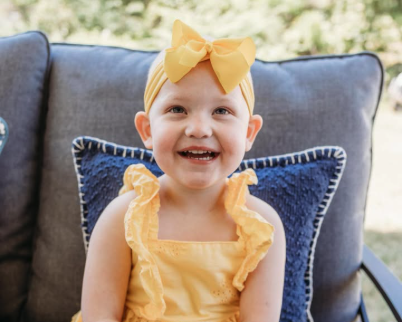
Emma, age 3, is battling an exceptionally rare and aggressive form of cancer: acute myeloid leukemia (AML) with RAM phenotype. AML is generally more difficult to treat in children than ALL, and the RAM phenotype is associated with a particularly poor prognosis and resistance to standard chemotherapy. Emma’s survival thus far has been attributed to a bone marrow transplant and access to innovative therapies that were only made possible through recent research breakthroughs. Her case is a testament to the life-saving potential of precision medicine and the necessity of funding for rare pediatric subtypes that might otherwise be overlooked by larger pharmaceutical interests.
A Twelve-Year Chronology of Growth and Impact
The Great Cycle Challenge began as a localized effort to engage cycling enthusiasts in a meaningful cause. Over the past twelve years, it has evolved into one of the most successful peer-to-peer fundraising events in the United States.
The chronology of the event shows a steady upward trajectory in both participation and revenue. In its early years, the challenge focused on building a community of riders who would set personal mileage goals for the month of September (Childhood Cancer Awareness Month). As digital platforms evolved, the challenge integrated sophisticated tracking technology, allowing riders to sync their progress via GPS and share their journeys on social media, which exponentially increased visibility.
By the mid-point of its history, the Great Cycle Challenge had surpassed the $50 million mark, enabling the Children’s Cancer Research Fund to expand its grant programs. This funding has been instrumental in supporting "seed grants" for young investigators—researchers who have innovative ideas but lack the preliminary data required to secure large federal grants from the National Institutes of Health (NIH) or the National Cancer Institute (NCI).
Statistical Overview: The Funding Gap in Pediatric Oncology
Despite the prevalence of childhood cancer—which remains the leading cause of death by disease for children in the United States—there remains a significant disparity in research funding. According to data from the NCI, only about 4% of the federal budget for cancer research is dedicated specifically to pediatric cancers.
This "4% gap" is a primary driver for organizations like CCRF and events like the Great Cycle Challenge. Because the market for pediatric drugs is smaller than that for adult cancers (such as breast, lung, or prostate cancer), there is often less incentive for private pharmaceutical companies to invest in the development of child-specific treatments. Consequently, philanthropic support becomes the lifeblood of pediatric oncology innovation.
The $87 million raised by Great Cycle Challenge participants has been directed toward several key areas:
- Phase I Clinical Trials: These are the first steps in testing new treatments in humans, often providing a last line of hope for children who have exhausted standard options.
- Hard-to-Treat Cancers: Funding is specifically carved out for rare diseases like Emma’s RAM phenotype AML or diffuse intrinsic pontine glioma (DIPG).
- Survivorship Programs: Research into the "late effects" of treatment, such as heart disease, infertility, and secondary cancers, which affect more than 60% of childhood cancer survivors.
Analysis of Implications: Toward Precision Medicine
The ultimate goal of the Great Cycle Challenge is to move the needle toward precision medicine. Historically, pediatric cancer treatment relied on "brute force" methods—heavy doses of chemotherapy and radiation that killed cancer cells but also damaged healthy, developing tissue. This often resulted in lifelong health complications for survivors.
Current research, funded in part by the millions of miles ridden by challenge participants, is shifting toward targeted therapies. These treatments use genetic sequencing to identify the specific mutations driving a child’s cancer, allowing doctors to prescribe drugs that target those mutations specifically. This approach not only increases the likelihood of remission but also significantly reduces the toxic side effects associated with traditional chemotherapy.
Furthermore, the Great Cycle Challenge facilitates a broader public health benefit by promoting physical activity. By encouraging thousands of adults and children to cycle, the event addresses secondary health goals while raising funds for the primary mission. This dual-impact model has become a gold standard in nonprofit fundraising.
Official Responses and Community Engagement
The Children’s Cancer Research Fund has expressed that the ambassadors of the 2026 campaign are central to their mission. A spokesperson for the fund noted that the bravery of children like Charlotte and Kylie provides a "moral imperative" for the scientific community to accelerate the pace of discovery. "Every mile logged by a rider is a message to these families that they are not alone," the organization stated in a recent briefing.
The riding community itself has shown a high rate of retention, with many "legacy riders" participating for over a decade. These individuals often ride in memory of a loved one or in honor of a child in their local community, creating a national network of advocates who are as invested in the data as they are in the personal stories.
Conclusion: The Road Ahead
As the 12th year of the Great Cycle Challenge progresses, the focus remains on the future. While $87 million is a substantial figure, the cost of bringing a single new drug to market can exceed $1 billion, highlighting the ongoing need for sustained philanthropic support. The stories of Charlotte, Kai, Kylie, Jasper, and Emma serve as a reminder that behind every statistic is a child whose life depends on the next breakthrough.
The Great Cycle Challenge continues to invite new participants to join the movement. By visiting GreatCycleChallenge.com, individuals can register to ride, set a personal mileage goal, and begin fundraising. In the landscape of pediatric oncology, where every dollar and every discovery counts, the collective effort of thousands of cyclists remains one of the most powerful tools in the fight to ensure that every child has the opportunity to grow up.
