
 By admin
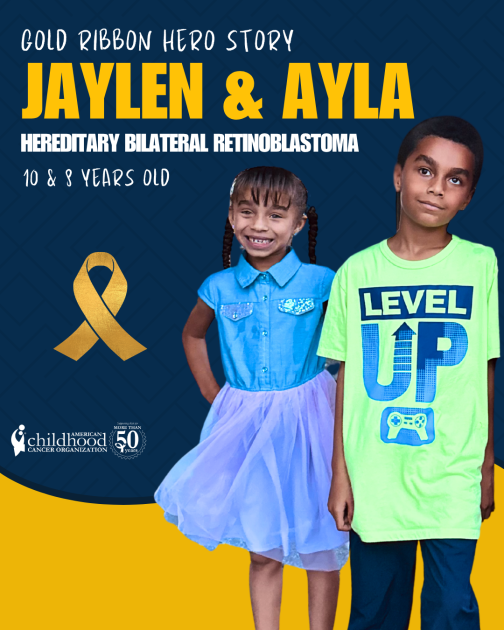
The narrative of Jaylen and Ayla, siblings aged 10 and 8, serves as a profound testament to the intersection of pediatric oncology challenges and the critical necessity for equitable healthcare access. Both children are survivors of hereditary bilateral retinoblastoma, a rare and aggressive form of eye cancer that affects the light-sensitive tissue of the retina. Their journey, marked by early diagnosis, intensive medical intervention, and a mother’s relentless battle against systemic barriers in the healthcare system, highlights the complexities of managing genetic predispositions to cancer. While the siblings have successfully achieved remission, their story underscores the broader implications of early detection, the psychological resilience of young patients, and the legal obligations of medical providers to ensure effective communication with disabled caregivers.
The Clinical Genesis: Identifying the Retinoblastoma Glow
The family’s encounter with retinoblastoma began when Jaylen was just two months old. His mother, Denice, observed a subtle physical abnormality: his left eye appeared to veer outward, a condition known as strabismus. While strabismus can be a benign developmental issue, in the context of pediatric oncology, it is often a secondary symptom of an intraocular tumor. Furthermore, early family photographs revealed a phenomenon known as leukocoria, or the "white reflex." In standard flash photography, the camera light typically reflects off the red blood vessels of the retina, creating "red-eye." However, a white or silver glow—often referred to as the "glow"—can indicate a mass blocking the reflection, a hallmark sign of retinoblastoma.
Initially, the family attributed the glow to camera technicalities or ambient lighting. This is a common occurrence in many retinoblastoma cases, where the subtlety of early symptoms leads to a delay in seeking specialized care. However, as Jaylen approached his four-month check-up, the urgency of his condition became undeniable. The diagnostic process was further complicated by a significant barrier: Denice, who is Deaf, faced a medical system unprepared to accommodate her communication needs.
Systemic Barriers and the Fight for Equitable Care
A pivotal and distressing moment in the family’s timeline occurred during Jaylen’s four-month medical appointment. Despite the urgent nature of his symptoms, the attending medical facility refused to provide an American Sign Language (ASL) interpreter, subsequently declining to see the infant. Under the Americans with Disabilities Act (ADA), healthcare providers are legally mandated to provide effective communication aids, including qualified interpreters, to ensure that patients and their guardians have equal access to medical information and care.
The refusal of service forced Denice to navigate a complex and fragmented healthcare landscape independently. She was tasked with tracking down specialized oncological care while simultaneously advocating for her rights as a mother. This delay, though eventually overcome by Denice’s persistence, illustrates the life-threatening risks posed by systemic discrimination and the lack of accessibility in clinical settings. Upon finally securing a consultation with a provider equipped to facilitate communication, Jaylen was diagnosed with bilateral retinoblastoma, meaning tumors were present in both eyes.
The Hereditary Factor: Ayla’s Early Diagnosis
Retinoblastoma occurs in two forms: sporadic and hereditary. Approximately 40% of cases are hereditary, involving a germline mutation in the RB1 gene. In these instances, the cancer is frequently bilateral and presents at a much earlier age than sporadic cases. Because Jaylen’s condition was identified as hereditary, the medical team knew that any future siblings would be at a significantly higher risk.
When Denice’s daughter, Ayla, was born, the family and medical team were prepared. Monitoring began immediately, leading to a diagnosis of bilateral retinoblastoma when Ayla was only four weeks old. While the news of a second child facing cancer was devastating, the proactive screening afforded by the knowledge of Jaylen’s genetic profile allowed for an even earlier intervention than his own. This contrast in diagnostic timelines emphasizes the life-saving potential of genetic counseling and early surveillance for families with a history of the RB1 mutation.
Comprehensive Treatment Modalities and Surgical Interventions
The treatment of bilateral retinoblastoma is a multi-year, multi-modal process aimed at three primary goals: preserving life, preserving the eye, and preserving vision. For Jaylen and Ayla, the road to remission involved a rigorous combination of therapies.
- Chemotherapy: Both children underwent systemic chemotherapy to shrink the tumors. In recent years, pediatric oncology has also utilized intra-arterial chemotherapy (IAC), which delivers concentrated doses directly to the eye, though systemic approaches remain a staple for bilateral cases to address potential systemic spread.
- Cryotherapy and Laser Treatments: These localized "focal" therapies are used to destroy small tumors or remaining cancerous cells after chemotherapy. Cryotherapy uses extreme cold to freeze the tumor, while laser photocoagulation uses heat to cut off the blood supply to the malignancy.
- Strabismus Surgery: For Jaylen, the initial symptom of his eye veering required surgical correction to realign the ocular muscles, a procedure often necessary even after the cancer is controlled to improve visual function and aesthetics.
- Enucleation: Despite the best efforts of the medical teams, Ayla’s condition necessitated an enucleation—the surgical removal of the eye. This is a difficult but often necessary decision when a tumor is too large to be treated by other means or when there is a high risk of the cancer spreading through the optic nerve to the brain.
Today, both children live with prosthetic eyes. The adaptation to ocular prosthetics is a significant milestone in the survivorship journey. Ayla has notably embraced this aspect of her identity, curating a collection of custom-colored irises that allow her to treat her prosthetic as a form of self-expression and style.
Data and Analysis: The Landscape of Pediatric Retinoblastoma
Retinoblastoma is the most common primary intraocular malignancy in children, though it remains rare overall, occurring in approximately 1 in 15,000 to 20,000 live births. In the United States and other developed nations, the survival rate for retinoblastoma is exceptionally high, exceeding 95%. However, this success is heavily dependent on early detection.
Data from the American Cancer Society and the National Cancer Institute indicate that when the cancer is contained within the eye, the prognosis for life is excellent. If the cancer spreads extraocularly, the survival rate drops significantly. This highlights why the "glow" awareness campaigns are so vital; a parent’s observation of a photograph is often the first line of defense. Furthermore, the hereditary nature of the disease in approximately 40% of patients necessitates long-term follow-up, as these individuals have a higher predisposition to developing secondary cancers later in life, such as osteosarcoma or soft tissue sarcomas.
Advocacy and the Psychological Impact of Survivorship
Beyond the physical toll of cancer, the journey of Jaylen and Ayla highlights the psychological and social dimensions of pediatric illness. Denice has spoken openly about the "heartbreaking and overwhelming" nature of the dual diagnoses, compounded by the frustration of navigating a medical system that initially failed to accommodate her deafness. Her transition from a distressed parent to a "fearless advocate and manager" of her children’s health is a common trajectory for parents of children with chronic or life-threatening illnesses.
The family has also faced the modern challenge of navigating social media and public perception. Sharing their story online has occasionally invited criticism regarding their parenting choices. In response, Denice has championed a philosophy of "choosing joy" and living in the present. She describes her children as "beautifully spoiled," a term used to signify a deliberate choice to celebrate life and provide an environment of abundance and happiness following years of medical trauma.
Broader Implications for Healthcare Policy
The case of Jaylen and Ayla offers several critical takeaways for the medical community and the public:
- Communication Equity: The initial refusal of care for Jaylen due to a lack of an ASL interpreter is a reminder that medical facilities must have established protocols for providing language services. Failure to do so is not only a legal violation but a clinical risk that can lead to delayed diagnoses and poorer outcomes.
- The Power of Early Screening: Ayla’s diagnosis at four weeks proves that when a genetic risk is known, aggressive monitoring can catch malignancies at their earliest, most treatable stages.
- The "Glow" as a Diagnostic Tool: Public health education regarding leukocoria remains a low-cost, high-impact method for improving pediatric cancer detection rates.
- Normalization of Prosthetics: The children’s successful integration of prosthetic eyes into their daily lives provides a model for other families facing enucleation, shifting the narrative from one of "loss" to one of "adaptation and style."
Jaylen and Ayla continue to thrive, with Ayla even learning ASL during her recovery to further bridge the communication gap within her family and community. Their "legendary" triumphs over cancer serve as a beacon of hope for the approximately 300 children diagnosed with retinoblastoma in the United States each year. By sharing their story, the family continues to raise awareness for the American Childhood Cancer Organization (ACCO) and other advocacy groups, proving that while a cancer diagnosis is life-changing, it does not define the limits of a child’s joy or potential.
