
 By Suherman Candra Maholtra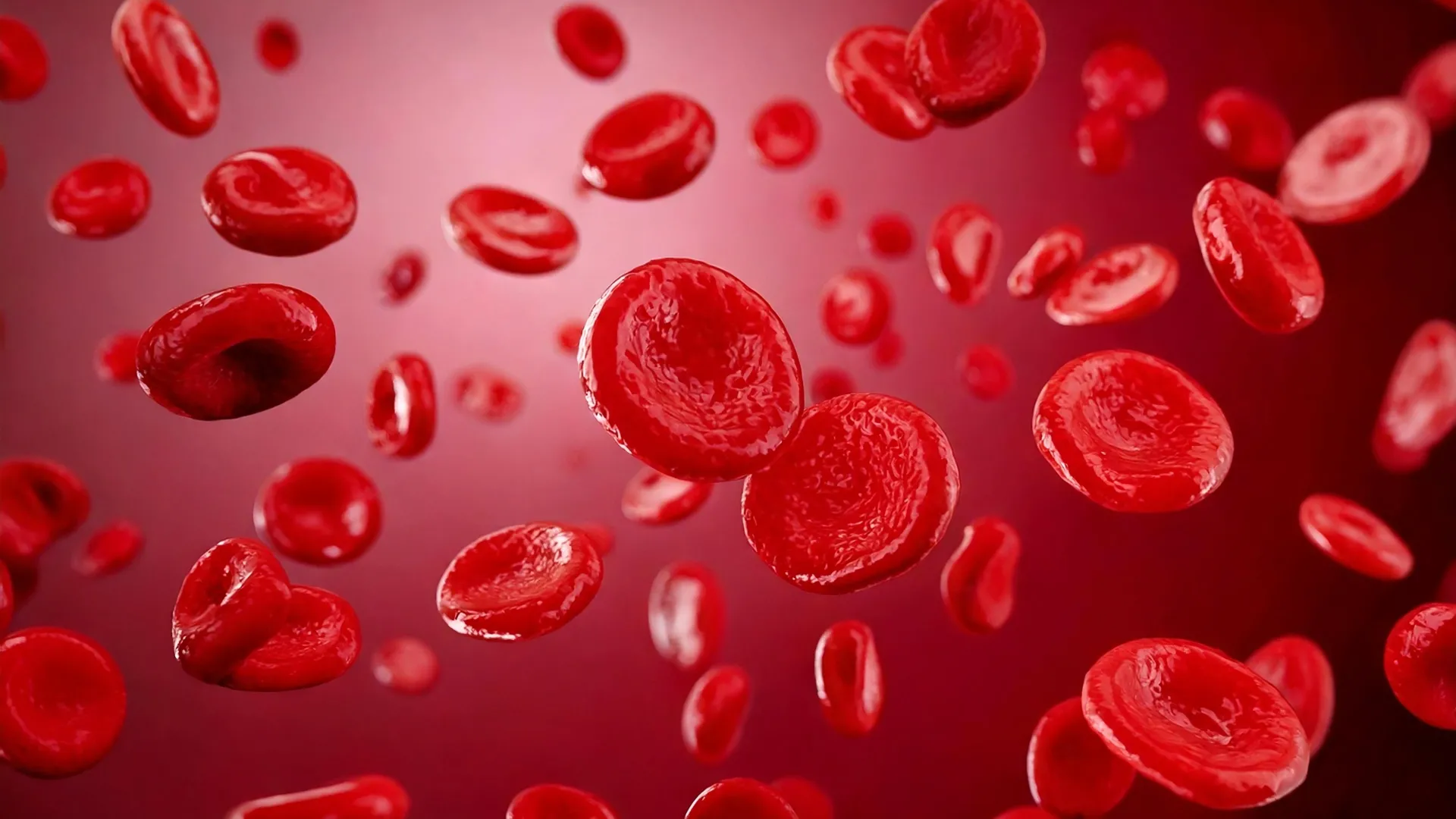
The landscape of human hematology has been fundamentally altered following a landmark discovery by researchers at NHS Blood and Transplant (NHSBT) in Bristol, the International Blood Group Reference Laboratory (IBGRL), and the University of Bristol. After more than half a century of scientific ambiguity, the genetic source of the elusive AnWj blood group antigen has been identified, leading to the formal establishment of the MAL blood group system. This breakthrough provides a definitive molecular blueprint for a marker that has puzzled clinicians since 1972, offering new hope for the safety of patients with exceptionally rare blood profiles.
While the ABO and Rhesus (Rh) systems are household names, they represent only a fraction of the complex biological architecture found on the surface of human red blood cells. These cells are coated with a diverse array of antigens—proteins and sugars that serve as identification markers for the immune system. For the vast majority of the global population, these markers are consistent; however, for a tiny fraction of individuals, the absence of a specific antigen can turn a routine blood transfusion into a life-threatening event. The resolution of the MAL system represents the 47th such system recognized by the international scientific community, filling a critical gap in our understanding of human blood.
The Decades-Long Search for AnWj
The story of the AnWj antigen began in 1972 when doctors first identified a patient whose blood lacked a marker present in almost every other human being. Statistical data confirms that more than 99.9% of the global population is AnWj-positive. For those who are AnWj-negative, the stakes are incredibly high. If an individual lacking this antigen is exposed to AnWj-positive blood—either through transfusion or pregnancy—their immune system may recognize the antigen as a foreign invader. This triggers the production of antibodies that attack and destroy the transfused red blood cells, a condition known as a hemolytic transfusion reaction.
For fifty years, the "An" and "Wj" (named after the original patients in whom the antibodies were found) remained a serological mystery. While clinicians could detect the absence of the antigen using specialized reagents, they could not identify the specific gene responsible for its production. This lack of genetic clarity meant that there was no way to screen for the condition using DNA testing, forcing laboratories to rely on dwindling supplies of rare antibodies and complex cell-based assays.
The difficulty in solving the puzzle stemmed from the extreme rarity of the inherited form of the condition. While some patients become AnWj-negative temporarily due to underlying blood cancers or hematological disorders that suppress antigen expression, those born with a genetic deficiency are "vanishingly rare." Until recently, only a handful of families worldwide had been identified with the inherited trait, providing researchers with a very limited pool of genetic material to study.
The Genetic Breakthrough: Unmasking the MAL Gene
The turning point in the investigation came through the application of whole exome sequencing (WES), a sophisticated genomic technique that targets the protein-coding regions of the DNA. By comparing the genomes of a small number of AnWj-negative individuals, including an Arab Israeli family and the original patient identified in the 1970s, the research team identified a common thread: homozygous deletions in the MAL gene.
In genetics, a homozygous deletion occurs when an individual inherits a defective or missing version of a gene from both parents. The MAL gene is responsible for producing the Mal protein (Myelin and Lymphocyte protein), a highly hydrophobic, small membrane protein. Despite its name, the Mal protein’s role in red blood cells was poorly understood prior to this study. The researchers discovered that in AnWj-positive individuals, the Mal protein is present on the red cell membrane, acting as the carrier for the AnWj antigen. In those with the rare genetic mutation, the protein is entirely absent.
To move from correlation to causation, the team conducted rigorous laboratory experiments. Using advanced gene-editing and expression tools, they introduced the normal MAL gene into cells that did not previously express the antigen. These cells subsequently became reactive with AnWj antibodies, proving that the Mal protein was both necessary and sufficient for the antigen’s expression. Conversely, introducing the mutated version of the gene failed to produce the antigen, providing the "smoking gun" required for official recognition.
A Chronology of Discovery and Ratification
The path to the MAL blood group system has been defined by several key milestones:
- 1972: The AnWj antigen is first described in medical literature after the discovery of a patient with a unique antibody profile.
- 1970s–2010s: Researchers identify that most AnWj-negative cases are "acquired" (associated with disease), while a tiny number are "inherited." The genetic cause remains unknown.
- 2015: A crucial blood sample is provided by the original 1970s patient, offering a vital link between the past and modern genomic technology.
- 2020–2023: Collaborative efforts between NHSBT and the University of Bristol utilize whole exome sequencing to pinpoint the MAL gene.
- 2024: The International Society of Blood Transfusion (ISBT) officially ratifies MAL as the 47th blood group system, assigning it the designation ISBT 047.
- 2026: The ISBT Terminology Report includes MAL alongside other newly discovered systems such as ER, CD36, and ATP11C. By September 2026, the JAMA system is announced as the 49th system, highlighting the rapid pace of modern hematological discovery.
Clinical Implications and Patient Care
The identification of the MAL gene is not merely an academic triumph; it has immediate practical applications for patient safety. With the genetic sequence now known, healthcare providers can develop high-throughput genotyping tests. These tests can be integrated into existing blood screening platforms, allowing laboratories to identify rare AnWj-negative donors and patients more efficiently than ever before.
The clinical necessity of this work is underscored by recent case studies. In 2026, researchers documented the case of a 75-year-old man suffering from severe anemia who possessed an anti-AnWj autoantibody. Because compatible blood was unavailable, clinicians were forced to proceed with an unmatched transfusion. Genetic testing later confirmed his MAL gene was normal, indicating his condition was acquired rather than inherited.
Another significant case in 2026 involved a patient with high-grade B-cell lymphoma who experienced red blood cell destruction following incompatible transfusions. In a pioneering move, doctors used sutimlimab—a monoclonal antibody that inhibits the classical complement pathway—to manage the hemolysis. This marked the first reported use of the drug for anti-AnWj-associated complications, illustrating the complex medical management required for these patients.
Statements from the Research Team
The resolution of the AnWj mystery has been described by those involved as the culmination of decades of perseverance. Louise Tilley, Senior Research Scientist at IBGRL, noted the personal significance of the achievement. "The genetic background of AnWj has been a mystery for more than 50 years, and one which I personally have been trying to resolve for almost 20 years of my career," she stated. Tilley emphasized that the rarity of the cases made the work exceptionally difficult, and success would have been impossible without modern exome sequencing and international collaboration.
Ash Toye, Professor of Cell Biology at the University of Bristol, highlighted the role of biotechnology in the breakthrough. "It’s really exciting we were able to use our ability to manipulate gene expression in developing blood cells to help confirm the identity of the AnWj blood group," Toye said. He noted that the discovery is a vital step toward identifying rare donors and improving the precision of transfusion medicine.
Nicole Thornton, Head of IBGRL Red Cell Reference, emphasized the passion behind the project. "Resolving the genetic basis for AnWj has been one of our most challenging projects. There is so much work that goes into proving that a gene does actually encode a blood group antigen, but it is what we are passionate about—making these discoveries for the benefit of rare patients around the world."
The Future of Blood Group Research
The establishment of the MAL system serves as a reminder that the map of human blood is still being drawn. While the ABO system remains the primary focus of most medical procedures, the continued discovery of systems like MAL, ER, and JAMA demonstrates the hidden complexity of human biology.
As genomic testing becomes more accessible, the goal of "personalized transfusion medicine" moves closer to reality. For the "AnWj-negative" individual, the world is now a slightly safer place. Instead of relying on a handful of specialized laboratories to identify their blood type through reactive testing, their status can be confirmed via a simple DNA swab. This allows for the proactive recruitment of compatible donors and ensures that, in an emergency, the blood on the shelf is a perfect match.
The MAL discovery concludes a chapter of scientific uncertainty that lasted half a century. It stands as a testament to the power of collaborative science, the persistence of dedicated researchers, and the evolving capability of genomic technology to solve the most enduring mysteries of the human body.
