
 By admin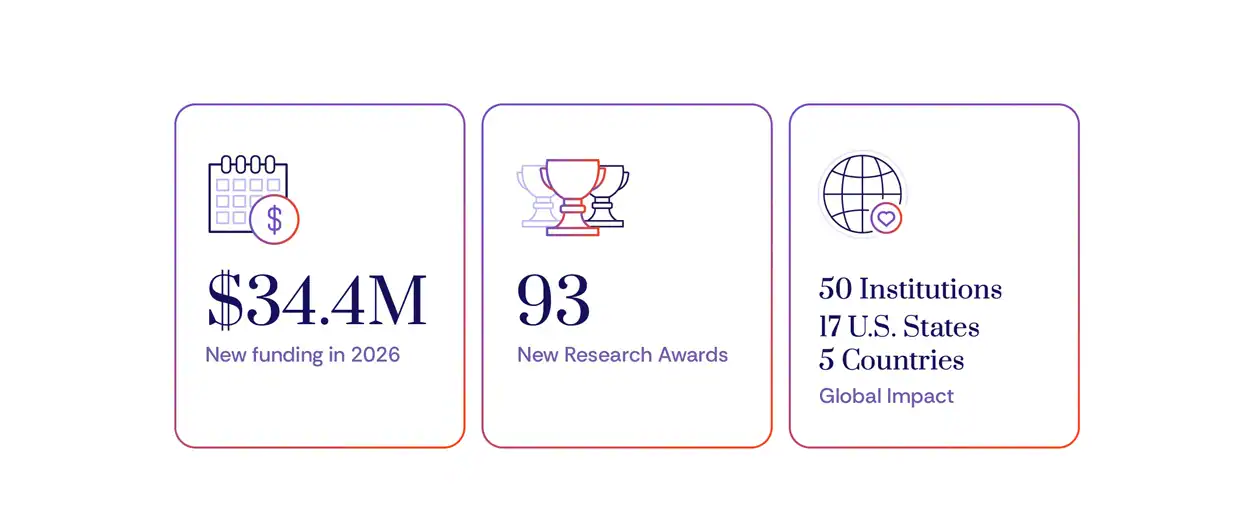
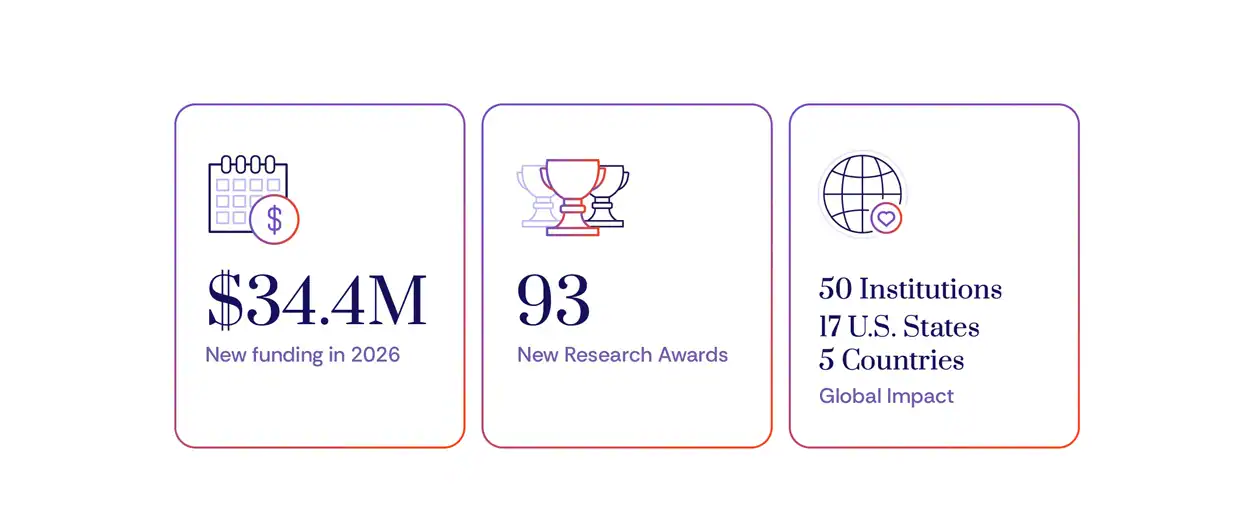
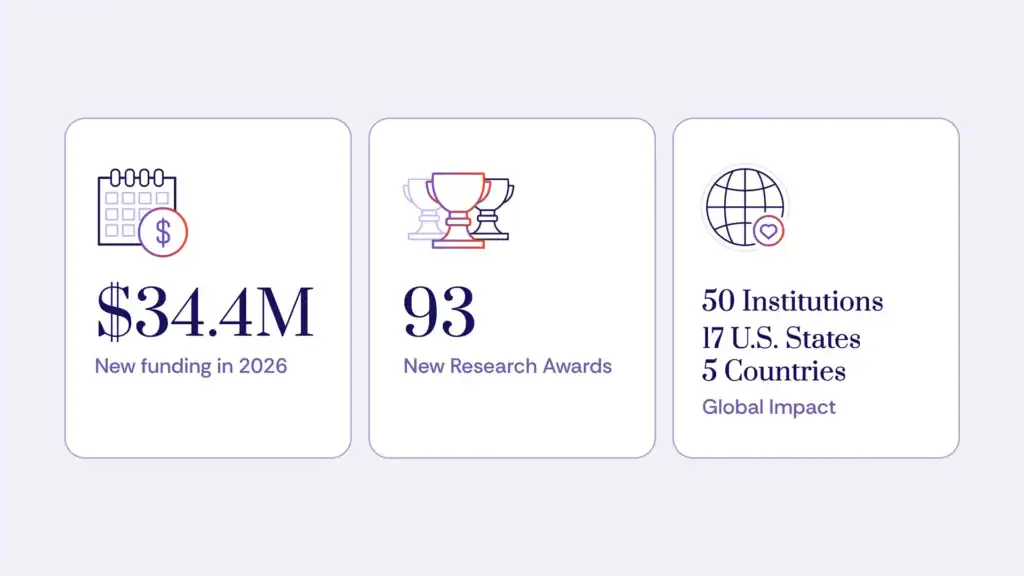
In a fiscal year characterized by widespread economic uncertainty and significant funding constraints for researchers nationwide, the Cancer Research Institute (CRI) made a decisive and impactful commitment: to accelerate scientific discovery in the fight against cancer. This strategic pivot resulted in the organization’s most substantial grantmaking year to date, channeling a record $34.4 million into new research across 93 awards. These critical investments are empowering scientists at 50 institutions spanning five countries and 17 U.S. states, underscoring CRI’s unwavering dedication to advancing cancer immunotherapy despite a challenging global landscape.
A Year of Unprecedented Investment Amidst Global Uncertainty
The period leading up to and encompassing fiscal year 2025-26 presented a formidable test for scientific funding organizations. Reports from various research bodies indicated a tightening of budgets, with government grants facing increased scrutiny and philanthropic contributions often impacted by broader economic shifts. Many academic and research institutions found themselves navigating a precarious environment, where securing consistent funding for long-term projects became exceptionally difficult. This climate posed a direct threat to the continuity of vital research, potentially stalling progress in fields as critical as cancer immunotherapy, which relies heavily on sustained, multi-year investments.
Against this backdrop, CRI leadership recognized an imperative to act boldly. Rather than retrenching, the Institute chose to double down on its mission, viewing the uncertainty not as a deterrent but as an opportunity to reinforce its commitment to groundbreaking science. The decision to commit $34.4 million in new funding represents a significant escalation from previous years, reflecting a strategic response designed to insulate promising research from external pressures and ensure that scientific momentum is not lost. This counter-cyclical investment strategy has been lauded by experts as a forward-thinking approach that prioritizes long-term scientific gains over short-term fiscal anxieties. The average grant size and the sheer number of awards also indicate a deliberate effort to support a diverse portfolio of projects, from high-risk, high-reward endeavors to foundational studies.
Nurturing the Next Generation: The Crucial Role of Early-Career Support
A significant portion of CRI’s strategic investment is directed towards scientists at pivotal junctures in their careers. The journey from a postdoctoral researcher to an independent principal investigator is widely recognized as one of the most challenging and vulnerable transitions in academia. Often referred to as the "valley of death" in scientific funding, this period demands that researchers not only develop original research programs but also establish their own laboratories, recruit staff, and generate preliminary data robust enough to compete for substantial, long-term grants from major funders like the National Institutes of Health (NIH). Without adequate support during this critical phase, many promising ideas and talented scientists can be lost to the system, their potential unrealized due to a lack of resources, flexibility, and institutional confidence.
CRI has historically understood this predicament, and its fiscal year 2025-26 investments further solidify its commitment to bridging this gap. The Institute’s philosophy centers on the belief that great discoveries often emerge from giving exceptional minds the freedom to explore and take calculated risks, particularly when their ideas are nascent but hold immense potential. By providing early and sustained support, CRI aims to cultivate a robust pipeline of scientific leaders who will drive the future of cancer research.
IGNITE: Igniting Independent Research Careers
A cornerstone of CRI’s expanded commitment to early-career scientists is the newly launched CRI IGNITE Award. IGNITE, an acronym for "Inspiring Growth and Nurturing Independence Through Excellence," is meticulously designed to address the specific challenges faced by researchers transitioning from supervised postdoctoral training to establishing their own independent research programs. The award provides crucial funding at precisely the moment when these talented individuals are ready to embark on independent investigations and tackle bold, often unconventional, scientific questions.
The IGNITE program offers more than just financial resources; it provides a stamp of confidence that can be instrumental in securing additional institutional support and attracting collaborators. By investing in these nascent independent programs, CRI helps researchers build the foundational evidence necessary to compete for larger, more enduring grants, thereby fostering a sustainable career path for these scientific pioneers. The program implicitly acknowledges that innovative research often requires an incubation period, shielded from the immediate pressures of proving broad impact, allowing foundational questions to be thoroughly investigated.
Spotlight on Innovation: Dr. Simone Park and Tissue-Resident Memory T Cells
The profound impact of CRI’s layered funding approach is vividly exemplified by Dr. Simone Park, an inaugural IGNITE Award recipient at the University of Pennsylvania. Dr. Park’s journey with CRI began during her postdoctoral fellowship, demonstrating the Institute’s long-term commitment to nurturing talent from its earliest stages. Now, with the IGNITE Award, she is poised to establish her independent research program, focusing on a critical area of cancer immunotherapy: tissue-resident memory T cells.
Dr. Park’s research delves into the enigmatic world of these specialized immune cells, which remain embedded within tissues, potentially offering enduring protection against cancer recurrence. Her work seeks to unravel the biological mechanisms that enable these cells to persist and maintain their potent anti-tumor activity. By understanding the intricacies of their durability, Dr. Park aims to uncover novel strategies for enhancing and prolonging the immune system’s defense against cancer. This research holds immense promise for developing more effective and lasting immunotherapeutic treatments, potentially transforming how cancer recurrence is managed. Her transition from a CRI-supported postdoctoral fellow to an IGNITE awardee underscores the Institute’s strategic vision: to identify, support, and cultivate scientific leaders who will define the next generation of cancer breakthroughs.
A Continuum of Support: CRI’s Holistic Approach to Scientific Advancement
CRI’s record-setting fiscal year is not an isolated event but rather a continuation of a legacy spanning more than 70 years. Founded on the principle of funding the most promising research and the brightest minds, CRI has consistently adapted its programs to meet the evolving needs of the scientific community. The Institute’s funding architecture is designed as a comprehensive continuum of support, ensuring that exceptional scientists receive the necessary resources at every critical juncture of their careers.
This continuum begins with postdoctoral fellowships, which launch promising research careers by providing early-stage funding and mentorship. It then extends to the IGNITE Awards, which foster independence and enable the establishment of new laboratories and research directions. At the apex are the highly prestigious CRI Lloyd J. Old STAR Awards, which grant established, leading investigators the unparalleled freedom to pursue high-risk, high-impact ideas that could fundamentally reshape the understanding and treatment of cancer. This multi-tiered approach ensures that innovative ideas are nurtured from conception through maturation, maximizing their potential to yield transformative discoveries. CRI leadership consistently emphasizes that this long-term, pipeline-focused strategy is central to the Institute’s enduring impact and its ability to consistently drive progress in the complex field of cancer immunology.
Beyond the Bench: Expanding CRI’s Impact Across the Cancer Ecosystem

CRI’s commitment to advancing cancer research extends far beyond direct research awards. The Institute understands that accelerating discovery and translating it into tangible patient benefits requires a multifaceted approach that addresses various components of the scientific and medical ecosystem. In addition to its robust grantmaking initiatives, CRI actively supports a range of complementary programs. These include the advancement of clinical studies, which are crucial for testing the efficacy and safety of new therapies in human patients.
Furthermore, CRI develops sophisticated data programs and shared resources, recognizing that open science and collaborative data analysis are vital for accelerating discovery. The Institute also invests in equipping scientists with new computational skills, acknowledging the growing importance of bioinformatics and artificial intelligence in modern biological research. Crucially, CRI maintains a strong patient-centric focus, providing trusted information and support to patients and caregivers navigating the complexities of cancer immunotherapy. These diverse investments are not isolated efforts but are meticulously integrated to create a synergistic ecosystem designed to propel discovery forward and translate increasingly complex biological insights into better, more personalized treatments for patients worldwide. This comprehensive strategy reflects a modern understanding of scientific progress, where individual breakthroughs are amplified by a supportive, interconnected infrastructure.
Strategic Vision and Future Outlook
The 2026 Annual Impact Report from the Cancer Research Institute will undoubtedly serve as a testament to what this unwavering commitment made possible during a period of global uncertainty. It is a record of promises kept – promises made to the brilliant scientists whose ideas deserve every chance to flourish, to the countless patients and their families who await new possibilities and improved treatments, and to the dedicated supporters who believe implicitly in the power of research to fundamentally change and save lives.
In an ever-evolving scientific and economic landscape, the Cancer Research Institute’s strategic decision to significantly ramp up its investments during a challenging fiscal year provides a powerful model for philanthropic leadership. It underscores the vital role of independent funding bodies in stabilizing and accelerating research when traditional funding sources may falter. CRI leadership remains steadfast in its belief that while external uncertainties may alter the terrain upon which science advances, they do not change the fundamental requirements for progress: exceptional people, bold ideas, and the sustained, flexible support needed to bring them together. The Institute maintains that despite the significant strides made in cancer immunotherapy, extraordinary work still lies ahead, and with its renewed commitment and strategic vision, CRI is only just getting started in shaping the future of cancer treatment.
