
 By Suherman Candra Maholtra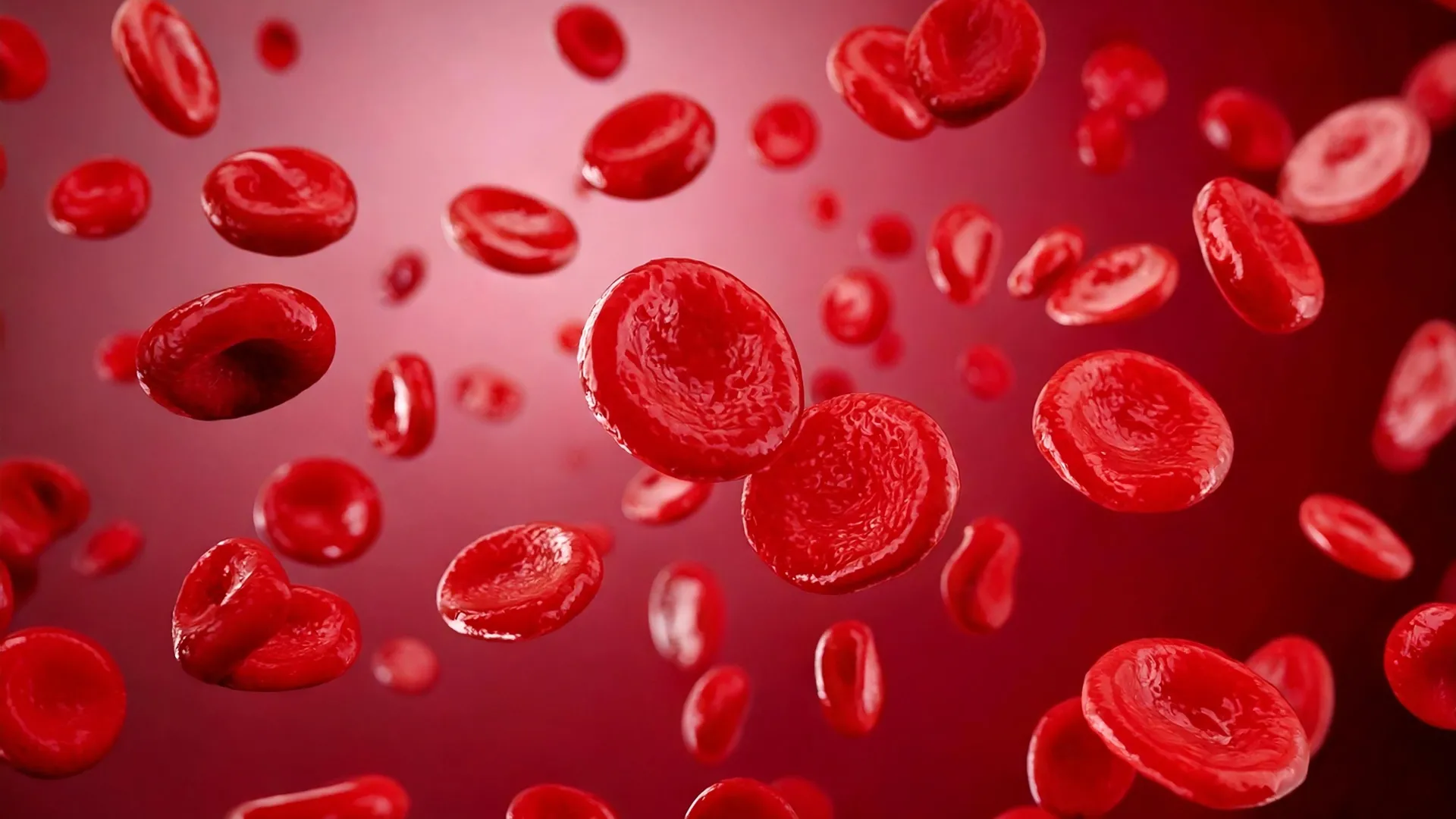
The identification of the genetic source of the AnWj antigen marks a historic milestone in transfusion medicine, ending a search that spanned more than 50 years and resulting in the official recognition of MAL as the 47th human blood group system. This scientific breakthrough, led by a collaborative team from NHS Blood and Transplant (NHSBT) in Bristol, the International Blood Group Reference Laboratory (IBGRL), and the University of Bristol, provides a definitive molecular explanation for a serological mystery that has perplexed hematologists since 1972. By pinpointing the MAL gene as the architect of the AnWj antigen, researchers have paved the way for advanced genomic testing, offering a new level of protection for patients with exceptionally rare blood profiles who face life-threatening risks during routine transfusions.
While the ABO and Rh systems are the most widely recognized categories of human blood, the biological reality of red blood cells is far more complex. The surface of a single red blood cell is adorned with a dense landscape of hundreds of different proteins and sugars that function as antigens. These markers allow the immune system to distinguish between "self" and "foreign" entities. For the vast majority of the global population—more than 99.9%—the AnWj antigen is a standard feature of this landscape. However, for the infinitesimal minority who lack this marker, the consequences of a mismatched transfusion can be catastrophic. When an AnWj-negative individual is exposed to AnWj-positive blood, their immune system may produce potent antibodies to attack the perceived invader, leading to acute hemolytic transfusion reactions where the donor cells are rapidly destroyed.
A Chronology of the AnWj Mystery
The story of the AnWj antigen began in 1972, when clinicians first identified a patient whose blood reacted strangely to existing testing serums. For decades, the antigen remained a "serological curiosity"—it could be detected through laboratory reactions, but its biological home was unknown. Scientists knew the antigen existed, but they could not identify the specific protein that carried it or the genetic sequence responsible for its production.
The investigation was perennially hampered by the scarcity of research subjects. Inherited AnWj-negativity is one of the rarest blood phenotypes in the world. Over half a century, only a handful of individuals with the inherited form of the deficiency were identified. This lack of genetic material made it nearly impossible to conduct the large-scale comparative studies typically used to map human genes.
A turning point occurred through the convergence of long-term sample preservation and modern genomic technology. The research team utilized blood donated in 2015 by the very woman who had been the first AnWj-negative individual identified in the 1970s. By combining her samples with those from a small number of other genetically AnWj-negative individuals, including members of an Arab Israeli family, the researchers finally had a sufficient, albeit tiny, cohort for high-resolution analysis.
The Role of Whole Exome Sequencing and the MAL Gene
To crack the code, the Bristol-based team employed whole exome sequencing, a sophisticated technique that targets the protein-coding regions of the genome. By filtering through thousands of genes, the researchers searched for rare variations that were present only in the AnWj-negative subjects. The analysis pointed toward the MAL gene, which encodes a small, highly hydrophobic integral membrane protein known as Mal (Myelin and Lymphocyte protein).
The discovery was unexpected. While the Mal protein was known to play roles in cell membrane organization and the sorting of various molecules within cells, it had never been linked to red blood cell antigens. The researchers found that individuals with the inherited AnWj-negative phenotype possessed homozygous deletions in the MAL gene. In genetic terms, "homozygous" indicates that the individual inherited the same defective version of the gene from both parents, resulting in a total absence of the functional Mal protein on their red blood cell membranes.
To move from association to proof, the team conducted rigorous "necessity and sufficiency" experiments. Using gene-editing technology, they introduced the normal MAL gene into laboratory cell lines that previously lacked the antigen. These cells immediately began expressing the AnWj antigen. Conversely, when they introduced the mutated versions of the gene, no such expression occurred. These findings confirmed that the Mal protein is the sole carrier of the AnWj antigen, providing the evidence required for the International Society of Blood Transfusion (ISBT) to formally ratify MAL as a new blood group system.
Clinical Distinctions: Inherited vs. Acquired Negativity
One of the most significant aspects of the research is its clarification of why someone might lack the AnWj antigen. The study reinforces a critical clinical distinction: there are two pathways to becoming AnWj-negative.
The first is the rare inherited form, caused by the MAL gene deletions identified in this study. These individuals are born without the antigen and are at lifelong risk of developing antibodies if transfused with standard blood. The second, more common pathway is "acquired" negativity. In these cases, the patient is born AnWj-positive, but the expression of the antigen is suppressed or "knocked down" due to an underlying medical condition, most frequently hematological malignancies or certain types of cancer.
Understanding this distinction is vital for patient management. While both groups may appear AnWj-negative in a lab test, their clinical trajectories and the behavior of their antibodies can differ significantly. The ability to perform genetic testing now allows doctors to quickly determine if a patient has a permanent genetic deficiency or a temporary, disease-related suppression.
Recent Case Studies and the Impact of New Therapies
The clinical relevance of this discovery is underscored by recent medical cases reported in 2026. In one instance, a 75-year-old man suffering from severe anemia was found to have an anti-AnWj autoantibody. Because compatible blood was unavailable and his condition was critical, physicians were forced to proceed with an unmatched transfusion. Genomic testing facilitated by the MAL discovery confirmed his gene was normal, suggesting his condition was acquired. Fortunately, he did not suffer a hemolytic reaction, but the case highlighted the terrifying uncertainty clinicians face without precise genetic data.
In another complex case involving a patient with high-grade B-cell lymphoma, the presence of a complement-binding anti-AnWj antibody led to active destruction of transfused cells. Clinicians turned to sutimlimab, a monoclonal antibody designed to inhibit the C1s enzyme in the immune system’s complement pathway. This marked the first reported use of sutimlimab to manage hemolysis specifically associated with AnWj antibodies. While the patient’s condition improved, the case served as a stark reminder of the complexity of treating rare blood disorders and the need for the targeted diagnostic tools that the MAL discovery now enables.
Formal Recognition and the Expanding Map of Human Blood
Following the team’s findings, the International Society of Blood Transfusion (ISBT) officially designated the system as MAL (ISBT 047). The 2026 terminology report from the ISBT included MAL alongside three other newly ratified systems: ER, CD36, and ATP11C. The rapid pace of discovery has continued, with the JAMA blood group system announced as the 49th system in late 2026.
This proliferation of recognized blood group systems reflects a new era of "precision hematology." As the genetic map of human blood expands, the ability of blood banks to provide "personalized" matches increases. For the 47th system, the reference MAL allele and the specific null alleles (those that result in no protein production) are now cataloged in global databases, allowing any laboratory with sequencing capabilities to identify potential AnWj-negative donors or patients.
Statements from the Research Leadership
The success of the project was the result of decades of persistence. Louise Tilley, a Senior Research Scientist at IBGRL who has dedicated nearly 20 years of her career to this specific puzzle, noted the emotional and professional weight of the achievement. "The genetic background of AnWj has been a mystery for more than 50 years," Tilley stated. "It represents a huge achievement to finally establish this new blood group system and be able to offer the best care to rare, but important, patients."
Professor Ash Toye of the University of Bristol highlighted the role of modern biotechnology in solving the case. "It’s really exciting we were able to use our ability to manipulate gene expression in developing blood cells to help confirm the identity of the AnWj blood group," Toye said. He emphasized that the discovery is not merely academic but will have immediate practical applications in identifying rare donors.
Nicole Thornton, Head of IBGRL Red Cell Reference, emphasized the global implications. "Resolving the genetic basis for AnWj has been one of our most challenging projects," she remarked. "Now genotyping tests can be designed to identify genetically AnWj-negative patients and donors. Such tests can be added to the existing genotyping platforms used worldwide."
Broader Implications for Global Health and Rare Donor Networks
The identification of the MAL system has profound implications for international rare donor registries. Because AnWj-negative blood is so scarce, a patient in one country may require a donation from someone on the other side of the world. Previously, identifying these donors required specialized, labor-intensive serological testing that was only available at a few reference laboratories.
With the genetic sequence of MAL now known, high-throughput genotyping can be used to screen large populations of blood donors. This will likely lead to the discovery of more AnWj-negative individuals who were previously unaware of their rare status, significantly increasing the global supply of compatible blood for emergencies.
Furthermore, the MAL discovery serves as a template for resolving the remaining "orphan" antigens in hematology. There are still several markers on red blood cells that lack a known genetic origin. The methodology used in the MAL study—combining historical samples, whole exome sequencing, and gene-editing confirmation—provides a roadmap for future breakthroughs.
Ultimately, the resolution of the AnWj mystery reinforces a fundamental truth of modern medicine: no patient is too rare to matter. By dedicating decades of research to a marker found in less than 0.1% of the population, the scientific community has not only solved a 50-year-old puzzle but has also ensured that the most vulnerable patients in the transfusion system are no longer invisible to the science that sustains them. The transition of AnWj from a mysterious laboratory reaction to a genetically defined blood group system is a triumph of persistence, technology, and international cooperation.
