
 By Nana O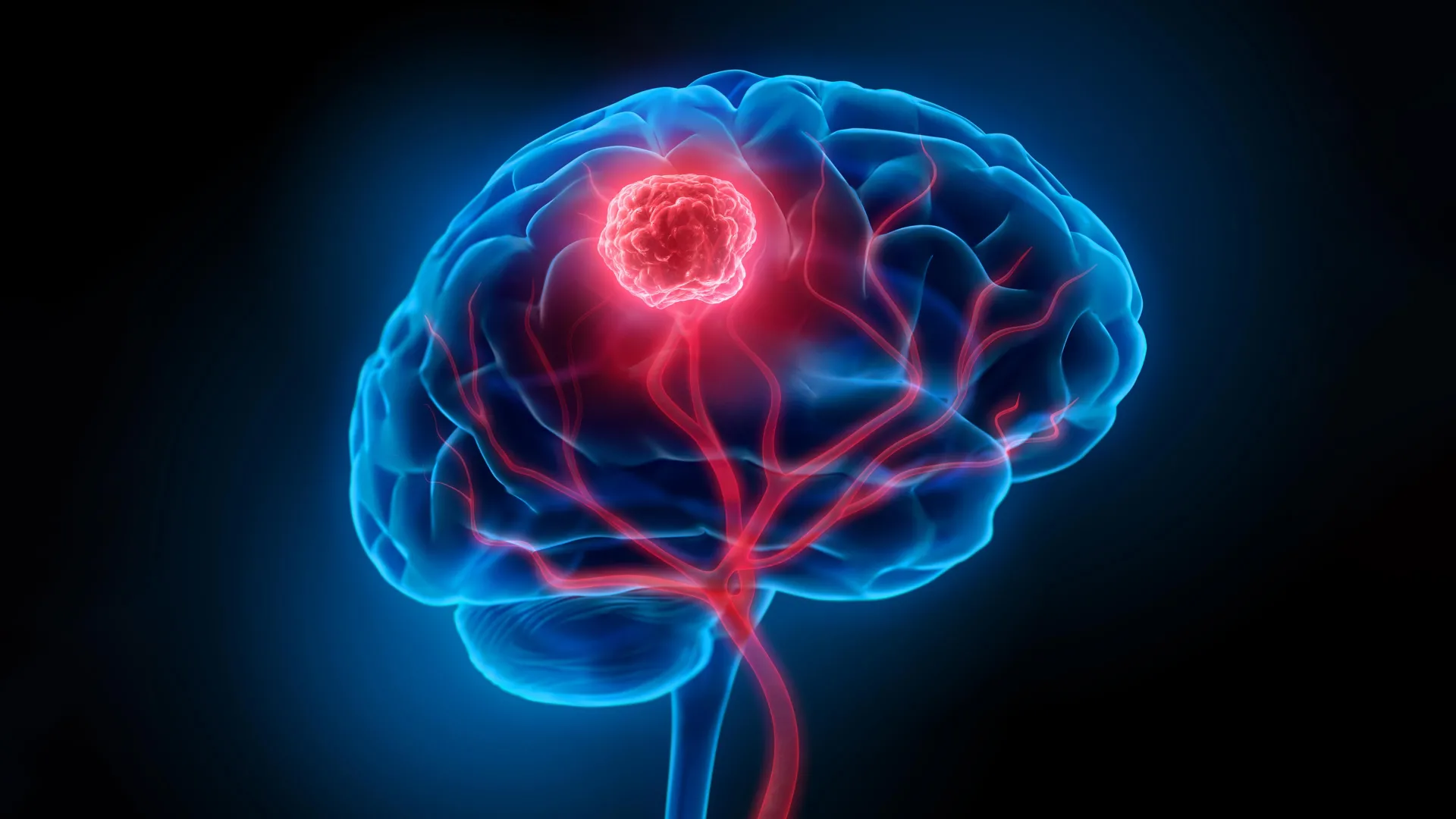
Glioblastoma, the most aggressive form of brain cancer, presents a formidable challenge to medical science, characterized by its insidious infiltration into surrounding healthy brain tissue. This invasive nature renders complete surgical removal exceedingly difficult, as surgeons must meticulously navigate delicate neural structures to excise cancerous cells while preserving vital brain function. Compounding this surgical hurdle is the blood-brain barrier, a biological shield that severely restricts the efficacy of conventional treatments like chemotherapy and radiotherapy, preventing them from reaching tumor sites with sufficient concentration. These combined obstacles contribute to the grim reality of glioblastoma, where the five-year survival rate hovers at a mere 7 percent, underscoring the urgent need for innovative therapeutic strategies.
In a significant stride towards overcoming these limitations, researchers from the University of Technology Sydney (UTS), in collaboration with Harvard University and Henan University, have unveiled a revolutionary "double-punch" nanozyme platform. This sophisticated system, detailed in the prestigious journal Science Translational Medicine, harnesses the power of smart nanoparticles to address both the surgical and therapeutic challenges posed by glioblastoma in a sequential, integrated approach.
A Dual-Action Nanomaterial: Precision Guidance and Targeted Cleanup
At the heart of this groundbreaking technology lies an ultra-thin, two-dimensional sheet engineered at the atomic level. Developed using techniques adapted from the semiconductor manufacturing industry, this unique material possesses the remarkable ability to transition between two distinct functional roles, activated by a single wavelength of near-infrared light.
"We’ve engineered a single material that does two jobs in sequence," explained Dr. Bingyang Shi, Chair Professor of Nanomedicine from the School of Electrical, Mechanical and Biomedical Engineering at UTS and a lead author on the study. "It’s a precise guide for the surgeon during the operation, and then a targeted clean-up treatment afterward." This sequential application is a key innovation, moving beyond single-function treatments to offer a comprehensive solution.
Illuminating the Invisible: Enhanced Surgical Imaging
During surgical procedures, the nanoparticle platform functions as a highly sensitive imaging agent. A fluorescent dye, meticulously integrated into the atomic structure of the sheet, emits a glow when exposed to near-infrared light—a spectrum invisible to the human eye. This fluorescence allows surgeons to visualize individual tumor cell clusters with unprecedented clarity, detecting lesions as small as 44 micrometers. This level of resolution surpasses the capabilities of current clinical imaging tools, offering surgeons a much-needed enhancement in their ability to identify and delineate the full extent of the tumor.
Crucially, the nanoparticle is further enhanced with a targeting molecule. This molecule is designed to actively cross the blood-brain barrier, a significant barrier to drug delivery in brain cancers. By overcoming this obstacle, the nanoparticles selectively accumulate within glioma cells, ensuring that the imaging signal is concentrated precisely where it is needed most, minimizing interference from surrounding healthy tissue. This targeted accumulation is vital for accurate tumor margin identification, a critical factor in maximizing surgical resection.
Post-Operative Annihilation: Phototherapy for Residual Cells
Following the surgical removal of the visible tumor, the same nanoparticle platform is repurposed for a potent post-operative phototherapy. Administered into the surgical cavity, the nanoparticles are again activated by the near-infrared light. In this phase, the platinum atoms embedded within the material play a dual role. Firstly, they catalyze the conversion of the tumor’s endogenous hydrogen peroxide into oxygen. This process is critical, as glioblastoma tumors often create a hypoxic (low-oxygen) microenvironment that shields cancer cells from treatment and promotes their survival and proliferation. By increasing oxygen levels, the treatment disrupts this protective shield.
Simultaneously, the near-infrared light triggers the generation of heat and reactive oxygen species (ROS). These highly energetic molecules are cytotoxic, capable of destroying microscopic cancer cells that may have evaded surgical removal. This combination of oxygenation and direct cellular damage targets the residual cancer cells that are often responsible for tumor recurrence, the primary cause of glioblastoma’s devastating prognosis.
Addressing the Specter of Recurrence: A Targeted Approach
The persistent threat of glioblastoma recurrence stems from the unavoidable presence of microscopic cancer cells that surgeons cannot identify or remove during the initial operation. These lingering cells act as seeds for future tumor growth, leading to disease progression and ultimately, patient mortality. The dual-function nanoparticle platform directly addresses this critical vulnerability by providing a means to eliminate these elusive cancer remnants.
Early testing in preclinical models has yielded highly encouraging results. In mouse models engineered to mimic human glioblastoma, the nanoparticle treatment significantly reduced tumor recurrence following surgery. Remarkably, all treated mice remained alive at the 60-day mark, a stark contrast to the control group that received surgery alone, where the average survival was only 42 days. Furthermore, extensive follow-up examinations in these animal models revealed no detectable neurological or motor impairments associated with the nanoparticle treatment, suggesting a favorable safety profile.
A Glimpse into the Future: Promising but Early-Stage Research
While the findings represent a significant advancement and offer a beacon of hope for glioblastoma patients, the researchers are emphasizing the early stage of this research. "The results are very encouraging, but this is still early-stage research carried out in mouse models, not in people—and that distinction is important," Professor Shi cautioned. The transition from animal studies to human clinical trials is a complex and lengthy process, often involving years of rigorous investigation.
The next crucial steps will involve scaling up the technology to assess its performance within the intricate anatomical landscape of a human brain. The precise imaging and therapeutic efficacy observed in mice will need to be validated in larger, more complex biological systems. If these findings hold true through the subsequent stages of development, the potential implications for glioblastoma treatment are profound.
Broader Impact and Future Prospects
The successful translation of this nanoparticle platform into clinical practice could revolutionize how glioblastoma is managed. Surgeons could gain the ability to visualize and remove a greater proportion of the tumor during surgery, thereby reducing the burden of residual disease. Post-operative treatment would then become a more potent tool for eradicating any remaining microscopic cancer cells, significantly diminishing the likelihood of recurrence. This would represent a monumental step forward in improving long-term outcomes for patients facing this devastating diagnosis.
The development also highlights the growing potential of nanomedicine in oncology. By engineering materials at the nanoscale, researchers are creating sophisticated tools that can overcome biological barriers, target diseases with unprecedented precision, and deliver therapeutic interventions more effectively. The "double-punch" nanozyme platform exemplifies this paradigm shift, integrating diagnostic and therapeutic capabilities into a single, intelligent system.
Beyond glioblastoma, the principles underlying this platform—sequential dual-functionality, targeted delivery, and light-activated therapies—could potentially be adapted for the treatment of other aggressive cancers, particularly those that are difficult to resect or are prone to metastasis. The collaborative effort between institutions like UTS, Harvard, and Henan universities underscores the global nature of scientific endeavor and the power of interdisciplinary research in tackling the world’s most pressing health challenges. As this research progresses through clinical trials, the global medical community will be watching with keen interest, hopeful that this innovative nanoparticle platform will indeed usher in a new era of hope and improved survival for glioblastoma patients.
