
 By Nana O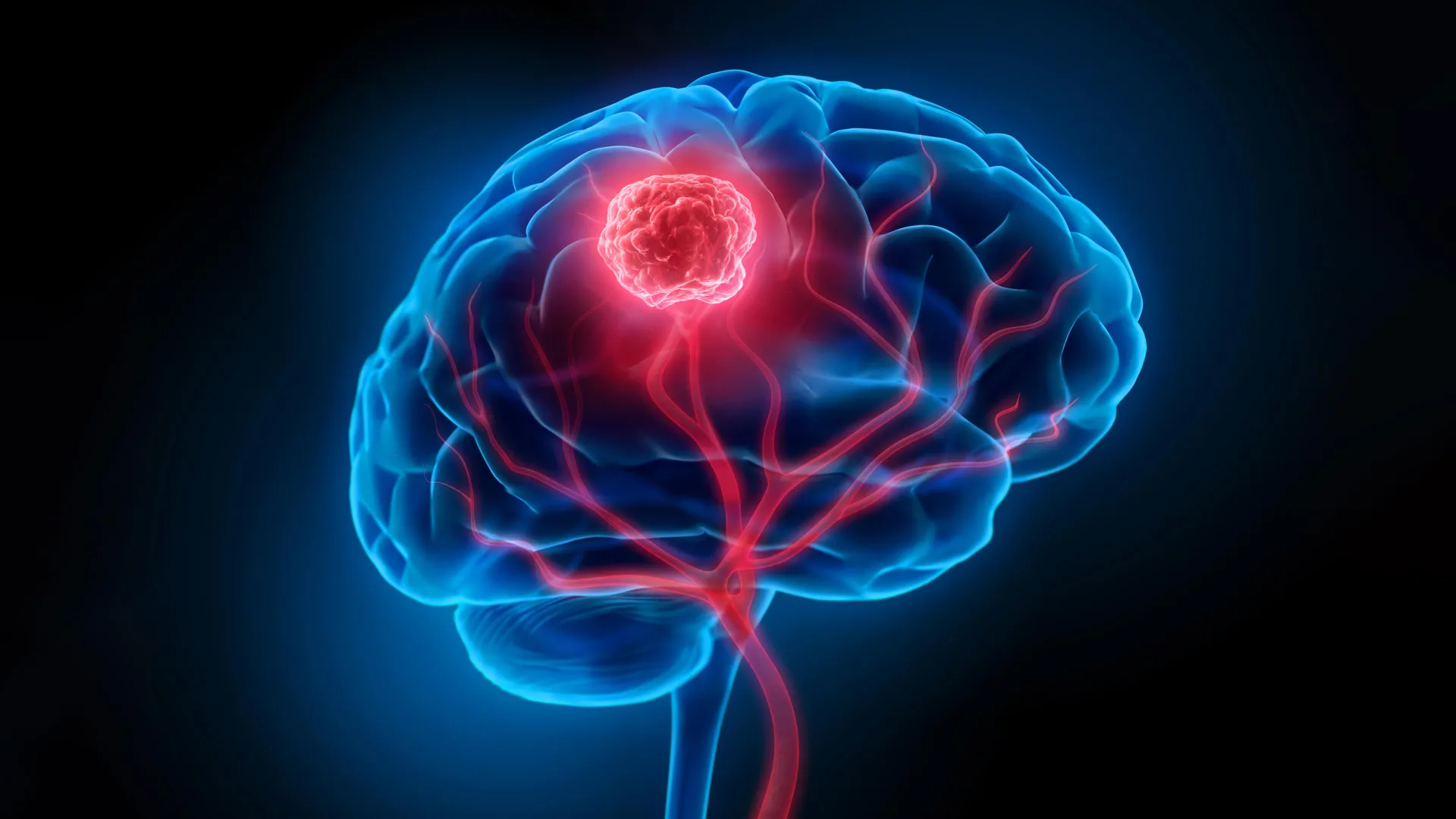
A groundbreaking ‘double-punch’ nanozyme platform, developed by an international collaboration of researchers from the University of Technology Sydney (UTS), Harvard University, and Henan University, is showing significant promise in tackling glioblastoma, the most aggressive form of brain cancer. This innovative system, detailed in a recent publication in the prestigious journal Science Translational Medicine, employs smart nanoparticles to address two of the most significant challenges in glioblastoma treatment: the diffuse spread of cancer cells and the formidable blood-brain barrier.
The Persistent Scourge of Glioblastoma
Glioblastoma remains one of the most formidable adversaries in oncology. Diagnosed in approximately 12,000 to 14,000 individuals annually in the United States alone, this malignant brain tumor is characterized by its rapid growth and invasive nature. Its grim prognosis is underscored by a historically low five-year survival rate, hovering around a mere 7 percent. This statistic reflects the complex interplay of factors that render glioblastoma exceptionally difficult to eradicate.
The inherent infiltrative growth pattern of glioblastoma cells is a primary hurdle. Unlike more localized tumors, glioblastoma cells extensively infiltrate the surrounding healthy brain tissue. This diffuse spread makes complete surgical resection an intricate and often impossible feat. Surgeons are forced to make critical decisions, balancing the imperative to remove as much cancerous tissue as possible with the absolute necessity of preserving vital neurological functions, which can be easily disrupted by even minor surgical incursions into healthy brain matter. The margin for error is infinitesimally small, and residual microscopic tumor cells, invisible to the naked eye, can easily be left behind, setting the stage for inevitable recurrence.
Compounding this surgical challenge is the biological fortress known as the blood-brain barrier (BBB). This highly selective physiological barrier meticulously controls the passage of substances from the bloodstream into the brain’s central nervous system. While crucial for protecting the brain from toxins and pathogens, the BBB also severely restricts the efficacy of many therapeutic agents, including chemotherapy drugs and even some forms of radiotherapy. This means that even if a treatment could theoretically target glioblastoma cells, its ability to reach them in sufficient concentrations within the brain is often severely compromised.
A Synchronized Attack: The Nanozyme Platform
The newly developed nanozyme platform, a testament to interdisciplinary scientific ingenuity, offers a novel, sequential approach to combatting glioblastoma. This ‘double-punch’ system is designed to operate in two distinct phases, both activated by the same near-infrared (NIR) light, a wavelength that penetrates tissues effectively without causing significant damage.
At the heart of this innovation is an atomically thin, two-dimensional sheet. The manufacturing process for this material is inspired by sophisticated semiconductor fabrication techniques, allowing for precise atomic-level placement of individual atoms. This meticulous construction endows the material with a unique ability to transition between two critical functions: serving as an advanced imaging agent during surgery and then acting as a potent therapeutic agent in the postoperative period.
Dr. Bingyang Shi, Chair Professor of nanomedicine at UTS and a lead author on the study, explained the system’s elegant design. "We’ve engineered a single material that does two jobs in sequence," Dr. Shi stated. "It’s a precise guide for the surgeon during the operation, and then a targeted clean-up treatment afterward." This sequential application of the same material streamlines the treatment process and ensures a coordinated attack on the tumor.
Enhancing Surgical Precision: Illuminating the Unseen
During surgical intervention, the nanozyme platform functions as a highly sophisticated imaging agent. A fluorescent dye, strategically incorporated onto the atomic sheet, emits a visible glow when exposed to NIR light. This fluorescence is imperceptible to the human eye, but it provides surgeons with an unprecedented level of detail.
"During surgery, it functions as a highly sensitive imaging agent," Professor Shi elaborated. "A fluorescent dye engineered onto the sheet glows under a near-infrared wavelength invisible to the naked eye, allowing surgeons to see individual tumor cell clusters as small as 44 micrometers, a resolution beyond current clinical imaging tools." This remarkable resolution means that even minuscule clusters of glioblastoma cells, which would typically evade detection by standard surgical visualization techniques, can be precisely identified.
Furthermore, the nanozyme platform is engineered with a targeting molecule. This molecule is designed to specifically bind to glioma cells, enhancing the material’s ability to accumulate within the tumor. Crucially, this targeting mechanism also aids the nanoparticles in crossing the blood-brain barrier, a significant achievement in itself, ensuring that the agent can effectively reach its intended destination within the brain. By enabling surgeons to visualize and therefore excise these microscopic tumor remnants with greater accuracy, the platform directly addresses the challenge of incomplete surgical removal.
Postoperative Eradication: A Targeted Clean-Up
Once the macroscopic tumor has been surgically excised, the same nanozyme material can be reintroduced into the surgical cavity. Upon re-exposure to NIR light, the nanoparticles transition to their therapeutic role, initiating a targeted ‘clean-up’ operation.
"After the visible tumor is removed, the same material is administered into the surgical cavity and reactivated with the same wavelength of light for postoperative phototherapy," Professor Shi explained. The therapeutic mechanism involves two key processes. Firstly, the platinum atoms embedded within the nanoparticle structure act as nanozymes. They catalyze the conversion of the tumor’s own hydrogen peroxide into oxygen. This is particularly significant because glioblastoma tumors often create a hypoxic, or low-oxygen, microenvironment. This low-oxygen state can shield cancer cells from treatment, making them more resistant to therapies. By replenishing oxygen, the nanozymes help to sensitize any remaining cancer cells to subsequent treatment.
Simultaneously, the NIR light activates the nanoparticles to generate heat and reactive oxygen species (ROS). These highly reactive molecules are potent cellular toxins that can damage and destroy cancer cells. The combination of increased oxygen levels and the generation of heat and ROS creates a hostile environment for any microscopic cancer cells that may have evaded surgical removal. This dual-action phototherapy effectively targets and eliminates residual tumor cells, a critical step in preventing tumor recurrence.
Addressing the Specter of Recurrence
The persistence of microscopic cancer cells after surgery is the primary driver of glioblastoma recurrence, a devastating outcome for patients. The ability of the nanozyme platform to target and destroy these residual cells offers a powerful new strategy to combat this challenge.
The efficacy of this approach has been demonstrated in preclinical studies. In mouse models of glioblastoma, the nanoparticle-assisted treatment regimen significantly reduced tumor recurrence following surgery. The study reported that all treated mice remained alive at the 60-day mark, a substantial improvement compared to the control group that underwent surgery alone, where the average survival was only 42 days. Importantly, follow-up neurological and motor assessments in the treated mice revealed no detectable impairments, suggesting a favorable safety profile in these animal models.
A Glimmer of Hope Amidst Early-Stage Research
While the results from the animal studies are highly encouraging, the researchers are keen to emphasize that this technology is still in its nascent stages. The transition from successful animal models to human clinical trials is a complex and lengthy process.
"The results are very encouraging, but this is still early-stage research carried out in mouse models, not in people – and that distinction is important," Professor Shi cautioned. He further noted that the imaging and therapeutic performance of the nanozyme platform would need to be rigorously validated at the scale of a human brain.
The scientific community is watching this development with keen interest. Dr. Anya Sharma, a neuro-oncologist not involved in the study, commented, "The concept of a dual-function nanoparticle that can both enhance surgical visualization and provide targeted postoperative therapy is incredibly exciting. If this can be successfully translated to humans, it could fundamentally change how we approach glioblastoma surgery and postoperative management. Reducing recurrence is paramount, and this technology offers a promising avenue for achieving that goal."
Broader Implications and Future Directions
The successful development and potential clinical translation of this nanozyme platform carry significant implications for the future of brain cancer treatment. Beyond glioblastoma, the underlying principles of this technology – precise atomic engineering for sequential dual-functionality and targeted delivery across the blood-brain barrier – could potentially be adapted to address other challenging brain tumors and neurological diseases.
The ability to precisely visualize microscopic tumor margins during surgery could lead to more conservative yet equally effective resections, preserving more healthy brain tissue and improving patients’ quality of life. The subsequent targeted therapeutic intervention could significantly reduce the likelihood of recurrence, thereby extending survival and offering patients a greater chance of long-term remission.
The path forward involves extensive preclinical validation, rigorous safety testing, and ultimately, carefully designed human clinical trials. The research team is actively pursuing these next steps, driven by the hope that their innovative nanozyme platform will one day become a standard of care, offering a brighter future for individuals battling this devastating form of brain cancer. The meticulous work undertaken by the researchers at UTS, Harvard, and Henan universities represents a significant stride in the ongoing global effort to conquer glioblastoma, one atom at a time.
