
 By admin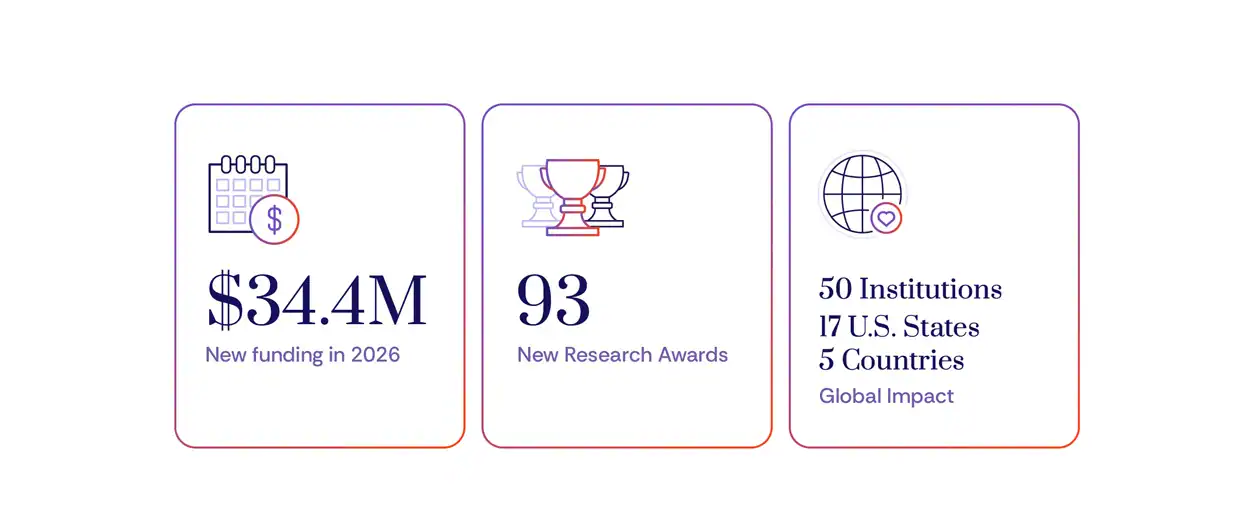
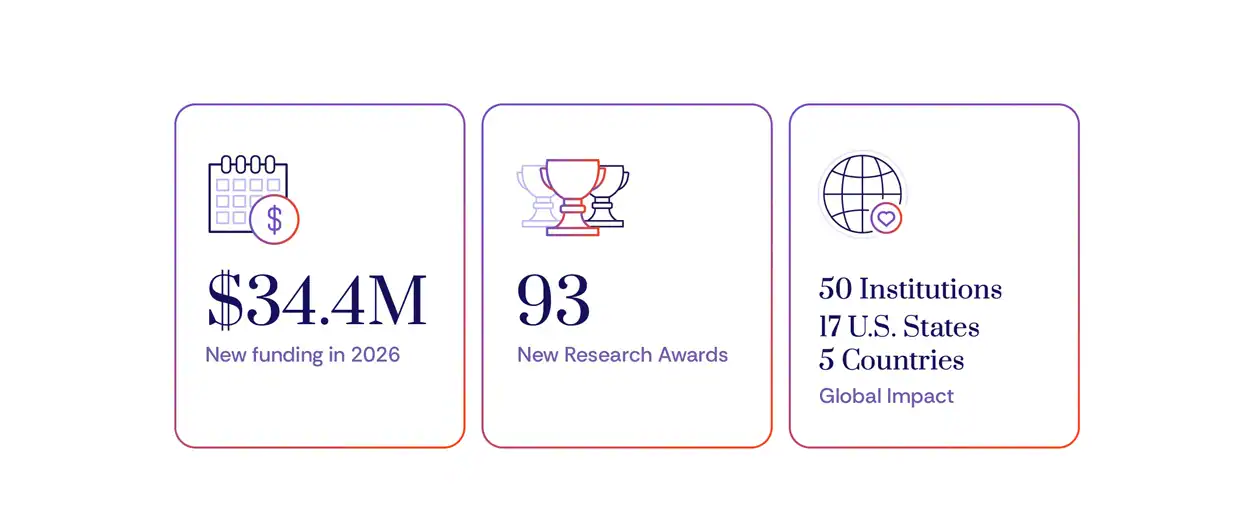
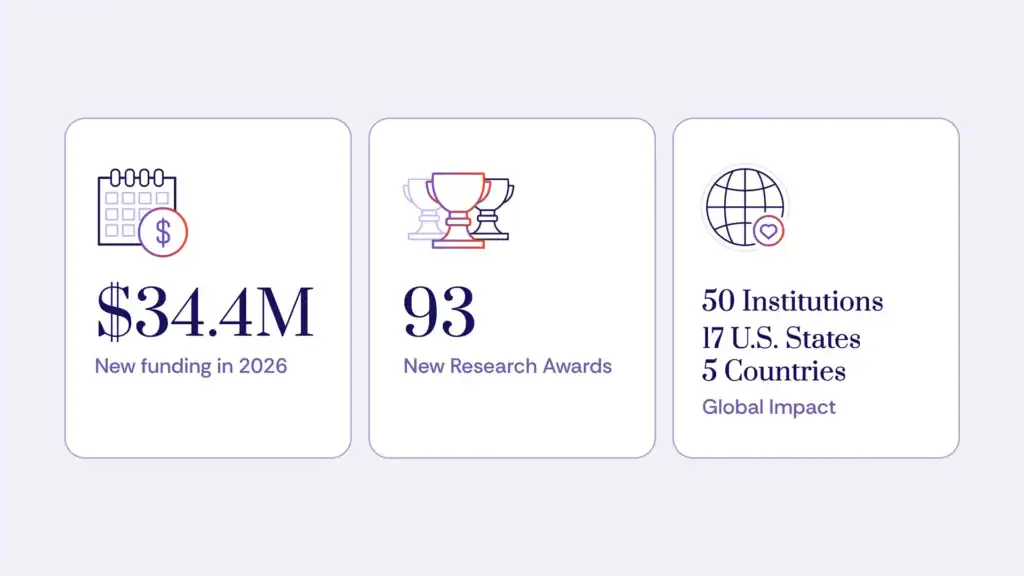
In a fiscal year characterized by widespread funding cuts and an increasingly precarious environment for scientific research, the Cancer Research Institute (CRI) demonstrated an unwavering commitment to its mission, making a deliberate strategic choice to prioritize and accelerate the advancement of cancer science. For the fiscal year 2025-26, CRI allocated an unprecedented $34.4 million in new funding across 93 awards, marking its largest grantmaking year in its 70-plus year history. This substantial investment reached a diverse global network of scientists, spanning 50 institutions across five countries and 17 states within the U.S., underscoring the organization’s dedication to fostering innovation despite prevailing economic headwinds and research funding pressures.
The decision to significantly increase funding comes at a critical juncture for the global scientific community. Recent years have seen a tightening of research budgets from traditional governmental sources, exacerbated by broader economic instabilities and shifting national priorities. According to a recent report by the National Institutes of Health (NIH), grant success rates for early-career investigators have seen a modest but concerning decline over the past half-decade, creating a ‘valley of death’ where promising research projects and careers can falter due to lack of sustained financial backing. This challenging landscape has forced many researchers, particularly those at the cusp of establishing their independent laboratories, to confront significant hurdles in securing the resources necessary to translate novel ideas into tangible scientific progress. Against this backdrop, CRI’s record-setting investment stands out as a vital lifeline, injecting crucial capital into the very areas most vulnerable to these systemic pressures, particularly in the cutting-edge field of cancer immunotherapy.
Navigating the ‘Valley of Death’: CRI’s Strategic Support for Early-Career Scientists
The numbers, while impressive, represent only a fraction of the story. Behind each of the 93 awards is a dedicated scientist grappling with profound and complex questions, pushing the boundaries of human knowledge in the relentless pursuit of new treatments and cures for cancer. These recipients represent a spectrum of scientific careers: from nascent researchers launching their careers and establishing their first independent laboratories to seasoned investigators leading ambitious programs poised to redefine entire fields. What unites them is a shared need for not just a groundbreaking idea, but also the essential resources, the operational flexibility, and crucially, the confidence instilled by funders willing to invest in the unproven potential of their work.
For over seven decades, the Cancer Research Institute has been a pioneer in this form of catalytic investment. Since its inception in 1953, CRI has championed exceptional scientists, often providing critical early-stage support before their most impactful discoveries have even been conceived. This philosophy is rooted in the understanding that true scientific breakthroughs rarely follow a predictable path; they require the intellectual freedom to pursue unconventional hypotheses and the courage to undertake the high-risk, high-reward investigations that often precede meaningful progress. This long-term, scientist-centric approach has allowed CRI to cultivate a legacy of groundbreaking research, contributing significantly to the foundational understanding of cancer biology and the development of revolutionary immunotherapies.
A cornerstone of CRI’s strategy to bridge the funding gap for emerging talent is its newly launched IGNITE Award. The transition from a postdoctoral fellowship to an independent principal investigator is widely recognized as one of the most consequential, yet simultaneously vulnerable, phases in a scientist’s professional trajectory. During this period, researchers are tasked with the formidable challenge of establishing their own laboratories, defining entirely original areas of investigation, and generating the preliminary data essential for competing for more substantial, long-term funding from national agencies. It is a time when promising ideas, rich with potential, can unfortunately stall not due to a lack of scientific merit, but rather because the requisite support to nurture these nascent programs is exceedingly difficult to secure. The IGNITE Award, an acronym for "Inspiring Growth and Nurturing Independence Through Excellence," was specifically conceived to help these exceptional early-career scientists successfully navigate this critical juncture. It provides targeted, substantial support precisely when talented researchers are poised to build their independent programs and embark on addressing bold, often paradigm-shifting, scientific questions of their own design.
A Continuum of Impact: Dr. Simone Park’s Journey
The tangible impact of CRI’s sustained investment is vividly exemplified by Dr. Simone Park, PhD, an inaugural recipient of the IGNITE Award at the University of Pennsylvania. Dr. Park’s journey with CRI began earlier in her career when she received support as a postdoctoral fellow, a testament to the Institute’s foresight in identifying and nurturing talent at foundational stages. Today, as she embarks on the next significant step in her professional life, the IGNITE Award is instrumental in enabling her to establish and develop her independent research program. Her work is concentrated on the fascinating realm of tissue-resident memory T cells—a specialized class of immune cells that embed themselves within tissues and are believed to offer durable protection against cancer recurrence.
Dr. Park’s pioneering research delves into the fundamental biological mechanisms that allow these crucial cells to persist and maintain their potent anti-tumor defensive capabilities over extended periods. By meticulously unraveling the intricate biology underpinning their remarkable durability and long-term function, she aims to uncover novel strategies for engineering more robust and enduring immune protection against various forms of cancer. Her scientific endeavors are not merely an individual achievement but serve as a powerful illustration of the profound value inherent in consistently supporting promising scientists across the entirety of their careers. This holistic approach empowers them to cultivate deep expertise, foster true scientific independence, and ultimately evolve into the visionary leaders who will undoubtedly shape the future landscape of cancer immunotherapy.
This long-term, integrated approach is undeniably central to CRI’s enduring impact. The Institute’s diverse programs are meticulously designed to form a seamless continuum of support, strategically positioned at various pivotal moments in a researcher’s career. This starts with postdoctoral fellowships, which serve as crucial springboards for launching promising research careers, extends to the IGNITE Awards that actively foster independent scientific inquiry, and culminates in the prestigious CRI Lloyd J. Old STAR Awards, which grant established, world-renowned investigators the invaluable freedom to pursue high-risk, high-impact ideas that could revolutionize the field. Collectively, these interconnected programs ensure that exceptional individuals are consistently provided with the critical opportunities and resources required to advance their groundbreaking work at precisely the most impactful moments.

Beyond the Bench: A Holistic Ecosystem for Discovery
CRI’s unwavering commitment to accelerating cancer research extends far beyond the provision of direct research awards. The Institute also plays a pivotal role in advancing crucial clinical studies, thereby facilitating the translation of laboratory discoveries into patient-centric applications. Furthermore, CRI actively develops sophisticated data programs and shared resources, ensuring that the broader scientific community has access to critical information and tools. Recognizing the increasingly digital nature of modern science, CRI is also dedicated to equipping scientists with essential new computational skills, thereby enhancing their capacity to analyze complex biological data and harness the power of bioinformatics. Crucially, its mission also encompasses direct support for patients and caregivers, providing trusted information and guidance to help them navigate the often-complex landscape of cancer immunotherapy treatments. Each of these multifaceted investments contributes synergistically to a broader, meticulously designed ecosystem. This comprehensive framework is engineered to propel scientific discovery forward at an accelerated pace and to efficiently translate increasingly intricate biological insights into more effective, life-saving treatments for patients worldwide.
The 2026 Annual Impact Report from the Cancer Research Institute serves as a compelling testament to the extraordinary achievements made possible during this record-setting fiscal year. It is more than just a collection of statistics; it is a profound record of promises kept – promises made to the brilliant scientists whose audacious ideas deserve every opportunity to flourish, to the countless patients eagerly awaiting new possibilities and therapeutic breakthroughs, and to the generous community of supporters whose belief in the transformative power of research fuels this vital mission.
As the global scientific landscape continues to evolve, marked by persistent uncertainty and ever-present challenges, one truth remains constant: progress in the fight against cancer demands an unwavering convergence of exceptional human talent, daring and innovative ideas, and the sustained, steadfast support required to bring them together. Despite the formidable hurdles that may alter the environment in which science must advance, they cannot diminish the fundamental requisites for breakthrough. The Cancer Research Institute’s actions in fiscal year 2025-26 underscore a powerful message of perseverance, strategic foresight, and profound hope. There is an extraordinary volume of work still lying ahead, and the Institute, energized by its recent successes and bolstered by its enduring mission, is resolutely just getting started. The fight against cancer is ongoing, and through dedicated support for groundbreaking science and brilliant minds, the promise of a future free from this devastating disease continues to burn brighter.
