
 By Nana O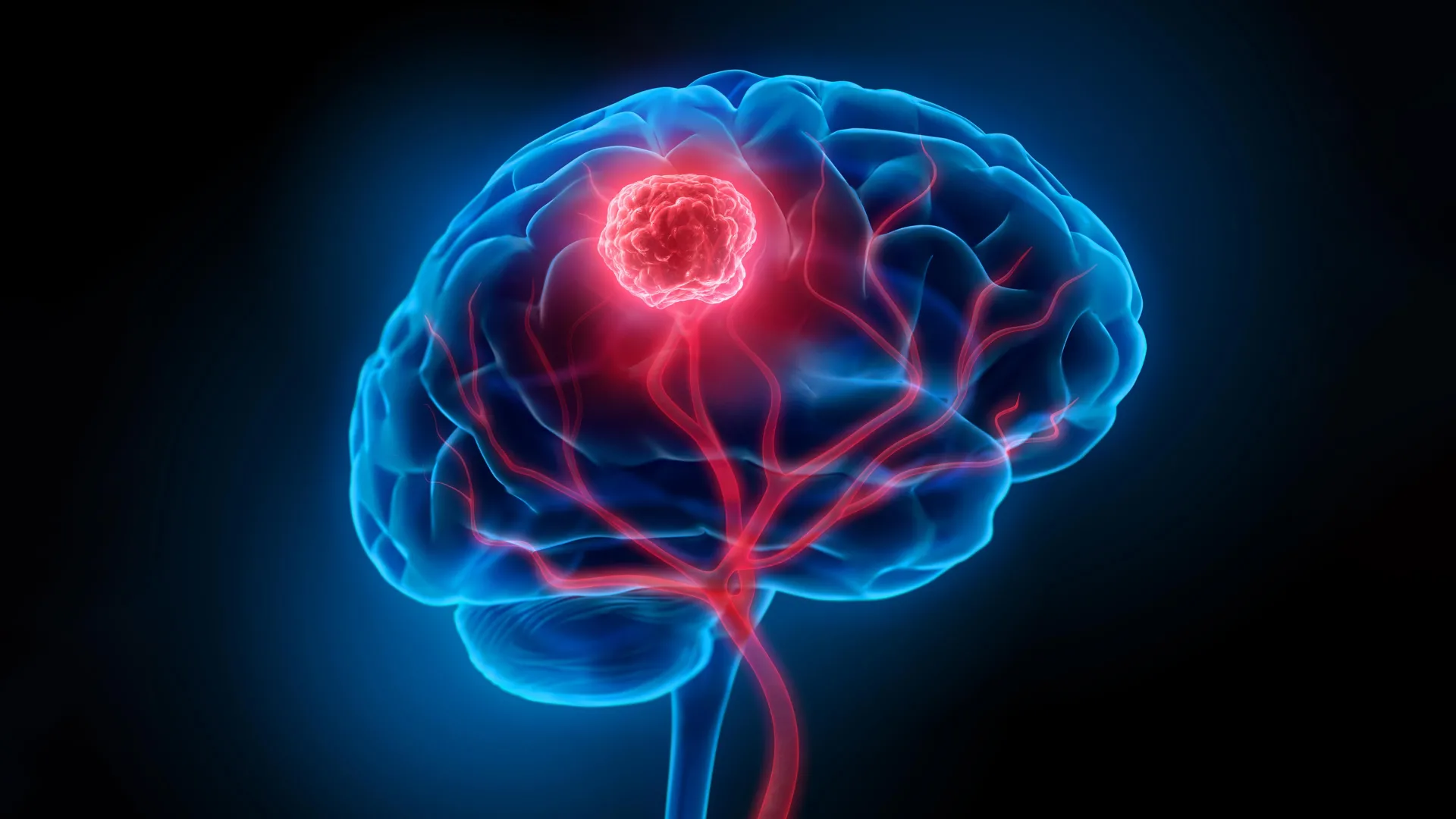
Glioblastoma, a relentless and aggressive form of brain cancer, continues to pose one of the most formidable challenges in oncology. Characterized by its diffuse infiltration into surrounding healthy brain tissue, glioblastoma often evades complete surgical eradication, leaving microscopic remnants that fuel devastating recurrences. Compounding this difficulty, the formidable blood-brain barrier acts as a biological fortress, severely limiting the efficacy of conventional therapeutic agents, including chemotherapy and radiation. These intertwined obstacles contribute to the grim reality of glioblastoma, where the five-year survival rate hovers at a mere 7 percent, underscoring the urgent need for innovative treatment strategies.
However, a groundbreaking development emerging from a collaborative effort between researchers at the University of Technology Sydney (UTS), Harvard University, and Henan University offers a beacon of hope. This multidisciplinary team has engineered a novel "double-punch" nanozyme platform, a sophisticated system of smart nanoparticles designed to simultaneously address both the surgical visualization and post-operative therapeutic challenges of glioblastoma. The pivotal findings of this research have been published in the prestigious journal Science Translational Medicine, marking a significant stride in the quest for more effective glioblastoma management.
A Dual-Action Nanotechnology for Glioblastoma
At the heart of this innovative approach lies a meticulously engineered, ultra-thin, two-dimensional sheet composed of individual atoms. The fabrication process, drawing inspiration from advanced semiconductor manufacturing techniques, allows for the precise placement of atoms, enabling the material to dynamically switch between two distinct yet complementary functions. This "smart" material is capable of acting as a highly sensitive imaging agent during surgery and then transitioning to a targeted therapeutic agent in the post-operative phase. Crucially, both of these transformative functions are activated by the same wavelength of near-infrared light, simplifying the treatment protocol and enhancing its potential clinical applicability.
Dr. Bingyang Shi, Chair Professor of Nanomedicine at UTS’s School of Electrical, Mechanical and Biomedical Engineering, elaborated on the platform’s ingenious design. "We’ve engineered a single material that does two jobs in sequence," Professor Shi stated. "It’s a precise guide for the surgeon during the operation, and then a targeted clean-up treatment afterward." This sequential action, powered by a single external stimulus, represents a paradigm shift in nanomedicine, moving towards integrated diagnostic and therapeutic systems.
Enhancing Surgical Precision: Illuminating Microscopic Tumors
One of the most significant hurdles in glioblastoma surgery is the inability of current imaging technologies to detect the microscopic clusters of cancer cells that permeate healthy brain tissue. These sub-visual remnants are often left behind, inevitably leading to tumor regrowth. The newly developed nanoparticle platform directly confronts this limitation.
During surgical intervention, the nanoparticles function as an exceptionally sensitive imaging agent. A specialized fluorescent dye integrated onto the atomic sheet emits a distinct glow when exposed to near-infrared light, a spectrum invisible to the human eye. This allows surgeons to visualize individual tumor cell clusters with unprecedented clarity, as small as 44 micrometers. This level of resolution far surpasses the capabilities of existing clinical imaging tools, providing surgeons with vital information to guide their resection with greater precision and confidence.
Furthermore, the nanoparticles are equipped with a targeting molecule that facilitates their passage across the notoriously impenetrable blood-brain barrier. This targeted accumulation ensures that the nanoparticles preferentially bind to glioma cells, minimizing off-target effects and maximizing their presence within the tumor microenvironment, thereby enhancing their diagnostic utility.
Post-Operative Annihilation: Eradicating Residual Cancer Cells
Following the surgical removal of the macroscopically visible tumor, the same nanoparticle platform can be reintroduced into the surgical cavity. Upon reactivation with the near-infrared light, the nanoparticles initiate their therapeutic phase. This dual-action mechanism is designed to specifically target and destroy any remaining microscopic cancer cells that eluded surgical removal.
The therapeutic mechanism leverages the unique properties of platinum atoms embedded within the nanoparticle structure. These platinum atoms act as nanozymes, catalyzing a reaction that converts the tumor’s inherent hydrogen peroxide into oxygen. This process is critical because glioblastoma often thrives in a hypoxic (low-oxygen) environment, which typically shields cancer cells from therapeutic interventions. By increasing the oxygen concentration, the nanoparticles create a less hospitable environment for any surviving cancer cells.
Simultaneously, the near-infrared light activates the nanoparticles to generate localized heat and reactive oxygen species. These highly reactive molecules are potent cytotoxic agents capable of inducing cell death. The combined effect of increased oxygenation, localized heat, and reactive species effectively targets and eradicates the microscopic cancer cells that surgery could not reach, significantly reducing the likelihood of tumor recurrence.
Addressing the Specter of Recurrence
Glioblastoma’s high recurrence rate is a grim testament to the challenges of completely eradicating the disease. Even after seemingly successful surgery, residual microscopic cancer cells can lie dormant, only to proliferate and form new tumors weeks, months, or even years later. This insidious nature of glioblastoma makes post-operative treatment crucial.
The nanoparticle platform’s ability to target and eliminate these residual cells is a critical advancement. In preclinical studies conducted on mouse models of glioblastoma, this innovative approach demonstrated remarkable efficacy in reducing tumor recurrence following surgery. Mice treated with the nanoparticle system showed a significantly improved survival rate, with all treated mice alive at 60 days post-treatment. In stark contrast, mice that underwent surgery alone had a median survival of only 42 days.
Moreover, comprehensive follow-up assessments revealed no detectable neurological or motor impairments associated with the nanoparticle treatment in the animal models. This finding is particularly encouraging, as it suggests a favorable safety profile and the potential for a less debilitating therapeutic experience for patients.
A Promising Dawn, But Early Days Remain
While the results from these preclinical studies are undeniably promising, the research team emphasizes that this technology is still in its nascent stages. The transformative potential demonstrated in mouse models needs to be rigorously validated through extensive further research and clinical trials in human patients.
"The results are very encouraging, but this is still early-stage research carried out in mouse models, not in people – and that distinction is important," Professor Shi cautioned. He further elaborated on the scale-up challenges, stating, "Its imaging and therapeutic performance will also need to be confirmed at the scale of a human brain."
The transition from animal models to human clinical trials is a complex and lengthy process, typically involving multiple phases to assess safety, efficacy, and optimal dosage. Regulatory approvals from bodies such as the U.S. Food and Drug Administration (FDA) or the European Medicines Agency (EMA) are contingent upon the successful completion of these trials.
Broader Implications and Future Directions
If this nanoparticle platform successfully navigates the rigorous path of clinical development and proves safe and effective in humans, the implications for glioblastoma patients could be profound. Surgeons could potentially gain enhanced visibility of the tumor margins during operations, leading to more complete macroscopic tumor removal. Crucially, the post-operative therapeutic capability of the nanoparticles could significantly reduce the microscopic cancer cell burden, thereby lowering the risk of recurrence – a primary driver of mortality in glioblastoma.
The development of this dual-function nanozyme platform represents a significant leap forward in the application of nanotechnology to cancer therapy. It exemplifies a shift towards precision medicine, where treatments are not only targeted but also adaptable and integrated into the patient’s care pathway. The ability to visualize and treat within a single, light-activated system offers a streamlined and potentially less invasive approach compared to current multi-modal therapies.
The scientific community has reacted with cautious optimism. Dr. Anya Sharma, a leading neuro-oncologist not involved in the study, commented, "The concept of a single agent performing both diagnostic and therapeutic functions, particularly with the ability to overcome the blood-brain barrier and target residual disease, is highly innovative. If these findings translate to the clinic, it could fundamentally change how we approach glioblastoma management."
The research team’s commitment to transparency and rigorous scientific validation is commendable. Their emphasis on the early-stage nature of the findings serves as a reminder of the critical steps that lie ahead. Nevertheless, the development of this "double-punch" nanoparticle platform offers a tangible reason for optimism in the ongoing battle against glioblastoma, potentially paving the way for improved patient outcomes and a brighter future for those diagnosed with this devastating disease. The journey from laboratory discovery to clinical application is long and arduous, but this innovative technology has undeniably opened a promising new avenue for exploration.
