
 By admin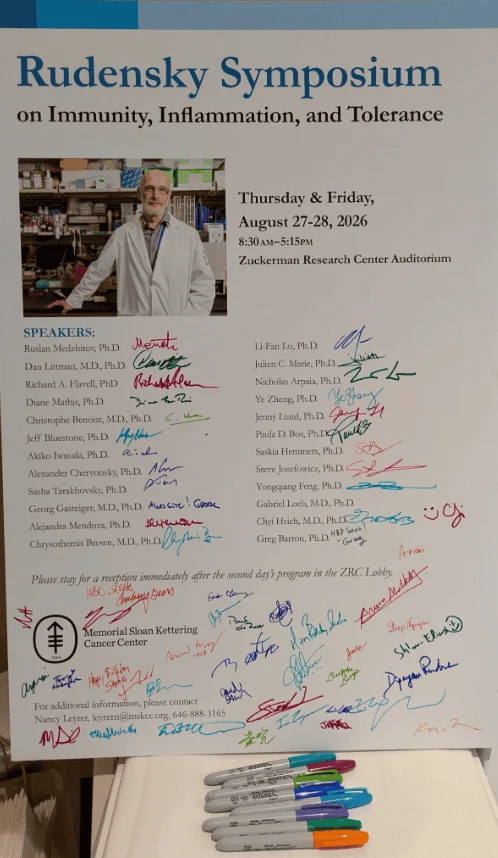
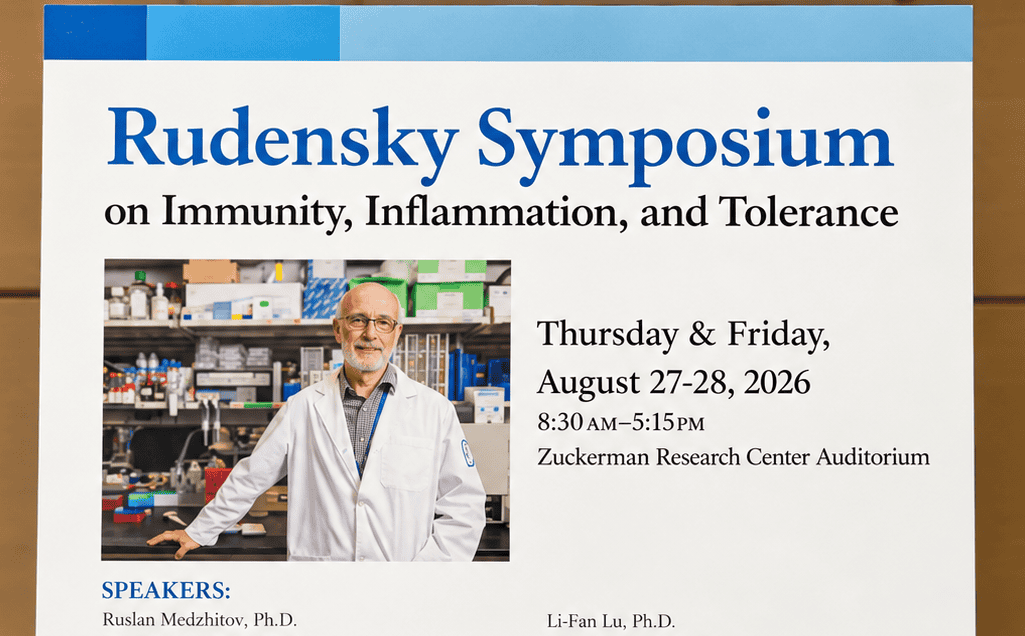
The Rudensky Symposium on Immunity, Inflammation and Tolerance, held on August 27–28, 2026, at the Memorial Sloan Kettering Cancer Center (MSKCC), transcended the typical format of a scientific conference. This landmark event served as a dual celebration: commemorating the 70th birthday of the esteemed Alexander "Sasha" Rudensky, PhD, a pivotal figure in modern immunology at MSKCC, and bringing together an illustrious assembly of his former trainees, long-standing collaborators, and distinguished colleagues. The atmosphere was one of profound respect and collegiality, where rigorous scientific presentations were seamlessly interwoven with shared personal anecdotes and reflections, underscoring the deep mentorships and enduring friendships that Dr. Rudensky has fostered throughout his remarkable career. This gathering not only showcased the latest advancements at the intersection of immunology and cancer but also paid tribute to the human connections that drive scientific progress.
A Career Defined by Discovery: Alexander Rudensky and the Regulatory T Cell Revolution
Dr. Alexander Rudensky stands as one of the most influential immunologists of his generation, primarily recognized for his pioneering work on regulatory T cells (Tregs). Before his groundbreaking research, the immune system was largely understood as a binary system of attack and defense. However, Dr. Rudensky’s laboratory was instrumental in elucidating the critical role of Tregs – a specialized subset of T lymphocytes that actively suppress immune responses and maintain immunological self-tolerance. His team’s seminal contributions, particularly in identifying the transcription factor Foxp3 as a master regulator of Treg development and function in the early 2000s, revolutionized the field. This discovery provided a molecular handle on how the immune system avoids attacking the body’s own tissues (autoimmunity) while still mounting effective responses against pathogens and, critically, how this delicate balance can be exploited by cancer.
Rudensky’s journey, marked by an unwavering commitment to fundamental immunological questions, began decades prior, leading him to prestigious institutions and ultimately to MSKCC, where he currently serves as Chairman of the Immunology Program and an Investigator at the Howard Hughes Medical Institute. His research has consistently pushed the boundaries of our understanding of immune tolerance, demonstrating how subtle shifts in immune regulation can have profound consequences for health and disease. The symposium itself was a testament to his enduring impact, drawing scientists whose careers he directly influenced and those whose work built upon his foundational discoveries.
The Cancer Research Institute: A Two-Decade Partnership in Innovation
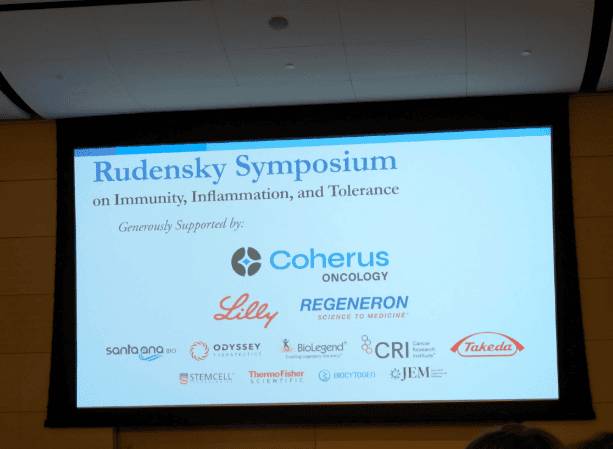
The Cancer Research Institute (CRI), a leading nonprofit organization dedicated to advancing immunotherapy, proudly supported the Rudensky Symposium. This partnership reflects CRI’s long-standing commitment to Dr. Rudensky’s research and his pivotal role as a member of its Scientific Advisory Council (SAC). For over two decades, CRI has been a staunch advocate for Dr. Rudensky’s innovative work, providing critical funding that has propelled numerous discoveries from his laboratory. This support extends directly to the next generation of scientists, with CRI having funded over a dozen fellows who have trained under Dr. Rudensky’s guidance, many of whom have gone on to establish their own successful research programs and contribute significantly to the field.
In recognition of his transformative contributions, Dr. Rudensky was awarded the prestigious CRI William B. Coley Award for Distinguished Research in Tumor Immunology in 2015. This award acknowledged his "pioneering work on regulatory T cells, or Tregs, immune cells that restrain excessive responses and help protect healthy tissues from damage." The Coley Award, named after the father of immunotherapy, William B. Coley, celebrates groundbreaking discoveries that have opened new avenues for cancer treatment. CRI’s deep connections to this scientific community underscore its philosophy: understanding the fundamental mechanisms of the immune system is paramount to effectively harnessing it against cancer. The institute’s consistent investment in basic immunology, alongside its targeted support for cancer immunology, reflects a strategic vision that long-term breakthroughs in oncology often emerge from seemingly disparate foundational biological questions.
Unifying Threads: Tissue Homeostasis as the Nexus of Immunity and Cancer
A central theme weaving through the diverse scientific presentations at the symposium was the intricate relationship between immune regulation, tissue homeostasis, and cancer. Across discussions spanning tissue repair, the gut microbiome, immune tolerance, and various aspects of cancer biology, a powerful common thread emerged: the delicate processes that maintain the balance and health of normal tissues are intimately involved in shaping how cancer develops, progresses, and responds to therapeutic interventions. This paradigm shift, from viewing the immune system solely as a defense mechanism to recognizing its multifaceted role as a guardian and modulator of tissue integrity, is opening entirely new directions for cancer prevention and therapy. Many of these insights, as highlighted by the symposium, originate from discoveries that initially pursued fundamental biological questions seemingly unrelated to cancer.
Pioneering Basic Immunology: Unveiling Immune System’s Broader Roles
Several talks at the symposium underscored how basic scientific inquiry, even when not explicitly focused on cancer, can yield profound insights directly relevant to oncology.
Ruslan Medzhitov, PhD, a CRI scientist and 2003 CRI Coley Awardee, presented compelling research on how stressed cells recruit macrophages to clear damaged protein "garbage." His work suggests that immune cells, far from being solely defenders against infection, also function as sophisticated "tissue maintenance crews," critical for cellular health and repair. This concept has significant implications for cancer, as chronic cellular stress and impaired waste removal can contribute to a pro-tumorigenic environment. Understanding these basic mechanisms could pave the way for therapies that restore healthy tissue function and prevent cancer initiation.
The symposium also shed light on the roles of Tregs extending beyond their well-known function of suppressing immune responses. Diane Mathis, PhD, a distinguished immunologist and 2024 CRI Coley Awardee, described specific populations of Tregs that actively participate in muscle repair. These specialized Tregs help control inflammation following injury, guide the complex processes of tissue regeneration, and limit scarring. Her research reveals a nuanced, tissue-specific function for Tregs, highlighting their versatility.
Complementing this, Christophe Benoist, MD, PhD, also a 2024 CRI Coley Awardee, presented work demonstrating that the specific molecular target a Treg recognizes can fundamentally determine its identity and functional specialization. This level of precision in Treg function suggests a sophisticated immune regulatory network. The combined insights from Mathis and Benoist emphasize that immune restraint is not a monolithic process but a highly precise and localized one. Too little immune suppression can lead to debilitating autoimmunity and tissue damage, while an excess of suppression, particularly within the tumor microenvironment, can paradoxically allow cancer cells to evade immune destruction and flourish. These discoveries offer new targets for therapeutic modulation, aiming to restore the optimal balance.
Early Intervention: Immunosurveillance and Pre-Malignancy
The concept of the immune system acting even before a visible tumor forms was a captivating area of discussion. Richard A. Flavell, PhD, a CRI scientist and 2012 CRI Coley Awardee, explored the intriguing realm of early cancer immunosurveillance by studying mutant intestinal stem cells long before a discernible tumor develops. Using sophisticated mouse models, his research revealed that cells carrying a common cancer-linked BRAF mutation initially gain a competitive survival advantage. However, many of these potentially dangerous cells are still eliminated by the immune system, suggesting an active surveillance mechanism at play.
Flavell’s experiments indicated that immune recognition is a crucial determinant of which abnormal cells survive in these early stages. When mutant cells lost a key molecule involved in communicating with T cells, they were significantly more likely to proliferate and dominate the small compartments where intestinal stem cells reside. Furthermore, his work implicated Tregs and the immune signal IL-10 in helping to restrain these early, pre-malignant clones. While still in preclinical stages, this work presents a powerful concept: the immune system may actively influence cancer development from the very moment a potentially dangerous cell emerges and begins to compete with its normal neighbors. This opens a potential frontier for cancer prevention strategies that bolster early immune recognition.
Approaching the inflammation-cancer connection from another angle, Julien C. Marie, PhD, presented research on how disrupting a crucial regulatory signal called TGF-β in mice could push intestinal Th17 cells, another type of immune cell, into a persistently inflammatory state. This chronic inflammation was directly associated with localized DNA damage and, eventually, the development of cancer. Importantly, restoring the TGF-β signal reversed aspects of this harmful inflammatory state, suggesting that even established inflammatory programs may retain a degree of plasticity and could potentially be therapeutically modulated to prevent cancer progression.
The Tumor Microenvironment: A New Frontier for Targeted Therapy
Understanding cancer’s dependence on its wider ecosystem, particularly the tumor microenvironment, was a critical focus. Dan Littman, MD, PhD, a CRI SAC member and 2016 CRI Coley Awardee, presented groundbreaking preclinical work connecting the gut microbiome to the efficacy of cancer immunotherapy. His research explored how commensal gut bacteria actively "train" T cells and significantly influence responses to checkpoint immunotherapy, a revolutionary class of cancer treatments. This illustrates a profound concept: an immune response originating in the intestine, modulated by its bacterial inhabitants, can have systemic effects that influence cancer elsewhere in the body. This opens avenues for manipulating the gut microbiome to enhance immunotherapy outcomes.
Paula D. Bos, PhD, offered insights into how Tregs can indirectly affect breast cancer progression through their interactions with macrophages and the physical scaffolding surrounding a tumor, known as the extracellular matrix. Her studies in mouse models demonstrated that temporarily removing Tregs within tumors shifted macrophages toward a tumor-fighting (anti-tumorigenic) state. Concurrently, this intervention disrupted the alignment of collagen fibers, which can act like "highways" for cancer cell escape and metastasis. Consequently, the mice showed fewer circulating tumor cells and reduced metastatic disease. This work highlights that while broadly eliminating Tregs is undesirable due to the risk of severe autoimmunity, understanding these specific interactions could lead to more targeted strategies that influence macrophage behavior and impede tumor spread without widespread immune suppression.
Nicholas Arpaia, PhD, further elucidated how tumors actively create immune-suppressive neighborhoods. His group identified a specific fibroblast population that plays a crucial role in attracting suppressive Tregs to the vicinity of lung tumors, effectively shielding the cancer from immune attack. Arpaia also detailed innovative work developed in collaboration with Tal Danino, PhD, a CRI Lloyd J. Old STAR. Their collaboration focuses on engineering bacteria to specifically deliver therapies directly inside tumors. The overarching goal of this pioneering research is to concentrate immune-modulating treatments precisely where they are needed most, thereby maximizing therapeutic effect while minimizing systemic side effects, a persistent challenge in oncology.
Progress Begins With People: Mentorship, Collaboration, and the Future of Discovery
The Rudensky Symposium served as a powerful reminder that advances in cancer research, and indeed all scientific fields, fundamentally grow from basic questions about immune cells, their intricate interactions within tissues, and the broader biological environment. More profoundly, it underscored that such progress is inextricably linked to the human elements of scientific endeavor: dedicated mentorship, robust collaboration, healthy scientific disagreement that sharpens ideas, and the intellectual freedom to pursue questions whose immediate clinical relevance may not always be apparent.
The visual representation of generations of scientists—trainees, mentors, and collaborators—gathered in one room made the ripple effect of Dr. Rudensky’s influence tangibly clear. For more than 70 years, the Cancer Research Institute has strategically invested in this foundational approach to discovery, supporting not only cutting-edge science but also, crucially, the brilliant minds and dedicated individuals who carry it forward. The symposium brought this long-term commitment vividly to life: witnessing former trainees evolve into influential mentors themselves, observing how fundamental discoveries inform entirely new fields of study, and recognizing how collaborative efforts continually connect the most basic scientific questions to the overarching, shared goal of improving patients’ lives and ultimately conquering cancer. The legacy celebrated at this symposium is not just one of scientific papers and awards, but of a vibrant, interconnected scientific community poised to shape the future of immunology and medicine for decades to come.
