
 By admin
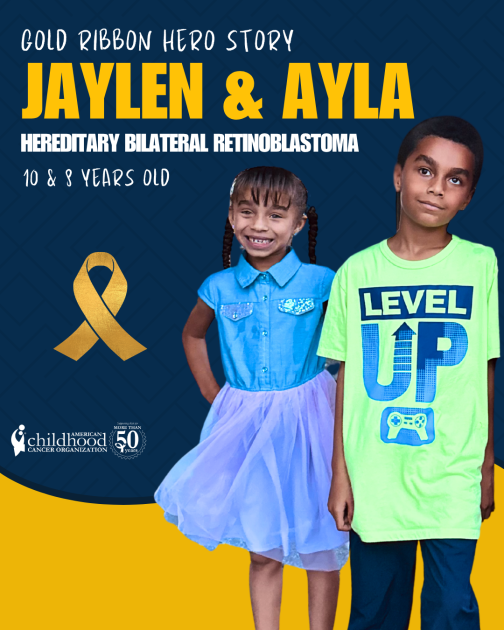
The narrative of Jaylen and Ayla, siblings aged 10 and 8, serves as a profound case study in the intersection of pediatric oncology, hereditary genetic conditions, and the critical necessity of equitable healthcare access. Both children are survivors of hereditary bilateral retinoblastoma, a rare and aggressive form of eye cancer that affects the retina. Their journey from early diagnosis to long-term remission highlights not only the medical complexities of the disease but also the significant socio-economic and systemic barriers that families often face when navigating the American healthcare system. Through the relentless advocacy of their mother, Denice, the family has transitioned from a state of medical crisis to one of triumphant survivorship, providing a blueprint for resilience in the face of life-threatening illness.
Understanding Hereditary Bilateral Retinoblastoma
Retinoblastoma is a rare form of cancer that rapidly develops from the immature cells of a retina, the light-detecting tissue of the eye. While it is the most common primary intraocular tumor in children, it remains statistically rare, occurring in approximately 1 out of every 15,000 to 20,000 live births. In the United States, this translates to roughly 250 to 350 new cases diagnosed annually.
The condition is categorized into two primary forms: sporadic and hereditary. In Jaylen and Ayla’s case, the diagnosis was hereditary and bilateral, meaning both eyes were affected. Hereditary retinoblastoma is caused by a mutation in the RB1 gene, a tumor suppressor gene. Unlike sporadic cases, which usually involve only one eye (unilateral) and occur in children with no family history, hereditary cases often manifest earlier in life and frequently involve both eyes. Because the genetic mutation is present in every cell of the body, children with the hereditary form face an increased risk of developing other types of cancer later in life, necessitating lifelong surveillance and specialized care.
Early Detection and the "Glow" Phenomenon
The detection of Jaylen’s condition began when he was only two months old. His mother, Denice, noticed a physical abnormality known as strabismus, where his left eye appeared to veer outward. This is a common clinical sign of retinoblastoma, as the tumor can interfere with the eye’s ability to focus, leading to misalignment. Furthermore, early family photographs revealed a phenomenon known as leukocoria, or the "white glow."
Leukocoria occurs when a camera flash reflects off the white surface of a tumor within the eye, rather than the red blood vessels of the retina (which produces the standard "red-eye" effect). In many instances, parents initially dismiss this glow as a photographic artifact or a trick of the light. For Jaylen’s family, the significance of the glow was not immediately understood, a common occurrence that underscores the need for greater public awareness regarding early pediatric ocular symptoms. Early detection is the single most critical factor in preserving sight and ensuring survival; when caught early, the survival rate for retinoblastoma in developed nations exceeds 95 percent.
Systemic Barriers and the Fight for Equitable Care
The medical journey for Jaylen was complicated by significant systemic failures within the healthcare environment. When Denice sought a four-month check-up for Jaylen to address her concerns, the family was reportedly turned away by a medical provider because of a lack of an American Sign Language (ASL) interpreter. Denice, who is deaf, faced a direct violation of the Americans with Disabilities Act (ADA), which mandates that healthcare providers provide effective communication aids to patients and their families.
This refusal of care forced Denice to navigate a complex medical landscape independently, tracking down specialized care while managing the emotional weight of her son’s deteriorating condition. This experience highlighted a critical gap in the medical system: the intersectional struggle of managing a pediatric cancer diagnosis while navigating disability discrimination. Denice’s subsequent "fearless" approach to advocacy was born out of this necessity, as she transitioned from a concerned parent to a sophisticated manager of her children’s multi-disciplinary medical teams.
A Chronology of Treatment and Sibling Diagnosis
Because Jaylen’s condition was identified as hereditary, his younger sister, Ayla, was monitored from birth. This proactive monitoring proved life-saving. Ayla was diagnosed with the same bilateral cancer at just four weeks old. While the news was devastating, the early diagnosis allowed for immediate intervention, which is often the difference between salvaging vision and requiring more radical surgical options.
The clinical management of bilateral retinoblastoma is complex, requiring a combination of systemic and localized therapies designed to eradicate the tumors while minimizing damage to developing ocular tissues. Over the years, Jaylen and Ayla underwent an extensive battery of treatments, including:
- Chemotherapy: Used to shrink tumors (chemoreduction), often followed by focal treatments.
- Cryotherapy: The use of extreme cold to freeze and destroy small tumors on the periphery of the retina.
- Laser Therapy (Photocoagulation/Thermotherapy): Utilizing heat from infrared lasers to destroy tumor cells and the blood vessels that supply them.
- Strabismus Surgery: Performed on Jaylen to correct the misalignment of his eyes caused by the initial tumor growth.
- Enucleation: For Ayla, the severity of the disease in one eye necessitated enucleation—the surgical removal of the eye. This procedure is typically reserved for cases where the tumor is too large to be treated by other means or where there is a high risk of the cancer spreading via the optic nerve to the brain.
Adapting to Life with Prosthetics
Following Ayla’s enucleation and the ongoing management of Jaylen’s condition, both children transitioned to using prosthetic eyes. The modern ocular prosthetic is a masterpiece of medical artistry and engineering, custom-fitted and hand-painted to match the patient’s remaining eye.
Ayla’s adaptation to her prosthetic has been characterized by a unique sense of agency and style. Rather than viewing the prosthetic as a limitation, she has embraced it as a form of self-expression, maintaining a collection of custom-colored irises that allow her to "swap her eyes out" to match her personal style. This psychological reframing of a medical necessity into a tool for empowerment is a testament to the family’s focus on joy and resilience. Furthermore, Ayla began learning ASL during her post-operative recovery, further strengthening her connection to her mother’s culture and ensuring she has multiple avenues for communication and independence.
Navigating Social Perceptions and the "Beautifully Spoiled" Philosophy
Sharing their journey online has brought the family both support and unsolicited criticism. In the age of social media, pediatric cancer families often face "parenting critiques" from observers who may not understand the trauma of life-threatening illness. Denice has been vocal about her choice to "beautifully spoil" her children, a philosophy rooted in the recognition of their survival and the desire to provide them with a life defined by abundance and joy rather than the scarcity and pain of their early years.
From a psychological perspective, this approach emphasizes "post-traumatic growth." For families who have spent years in hospitals, the shift toward celebrating every moment is a survival mechanism. Denice’s insistence on "choosing joy, presence, and celebrating life" serves as a protective barrier against the long-term psychological toll of childhood cancer, fostering an environment where Jaylen and Ayla can thrive despite their medical history.
Broader Implications for Pediatric Oncology
The case of Jaylen and Ayla underscores several broader themes in contemporary pediatric oncology:
- Genetic Testing: The importance of genetic counseling for families with a history of RB1 mutations cannot be overstated. Early testing allows for the monitoring of siblings from birth, leading to earlier diagnoses and better outcomes.
- Medical Accessibility: The family’s struggle with ASL interpretation highlights the ongoing need for medical facilities to adhere to ADA guidelines, ensuring that disability does not become a barrier to life-saving cancer treatment.
- The Role of Support Organizations: Organizations like the American Childhood Cancer Organization (ACCO) play a vital role in providing resources, raising awareness about symptoms like the "glow," and advocating for research funding. Pediatric cancer remains underfunded compared to adult cancers, making public awareness campaigns essential.
- Technological Advancements: The success of treatments like intra-arterial chemotherapy (where chemo is delivered directly to the eye) and advancements in ocular prosthetics continue to improve the quality of life for survivors.
Conclusion: A Legacy of Triumph
Today, Jaylen and Ayla are thriving, cancer-free, and active. Their story is a powerful reminder that a diagnosis of childhood cancer is not the end of a child’s potential for a joyful life. By raising awareness about the "retinoblastoma glow" and the realities of hereditary cancer, the family is contributing to a larger movement of education and advocacy.
Their "legendary" triumphs are measured not just in medical reports and clear scans, but in the independence Ayla displays, the joy Jaylen carries, and the unwavering advocacy of a mother who refused to be silenced by a system that was not prepared for her. As they continue to navigate the world with their prosthetic eyes and their unique perspectives, Jaylen and Ayla stand as symbols of what is possible when medical science meets the indomitable human spirit. Their journey confirms that through early detection, equitable access to care, and a commitment to celebrating life, the shadows cast by a cancer diagnosis can be overcome by a future of light and possibility.
