
 By Billy Candra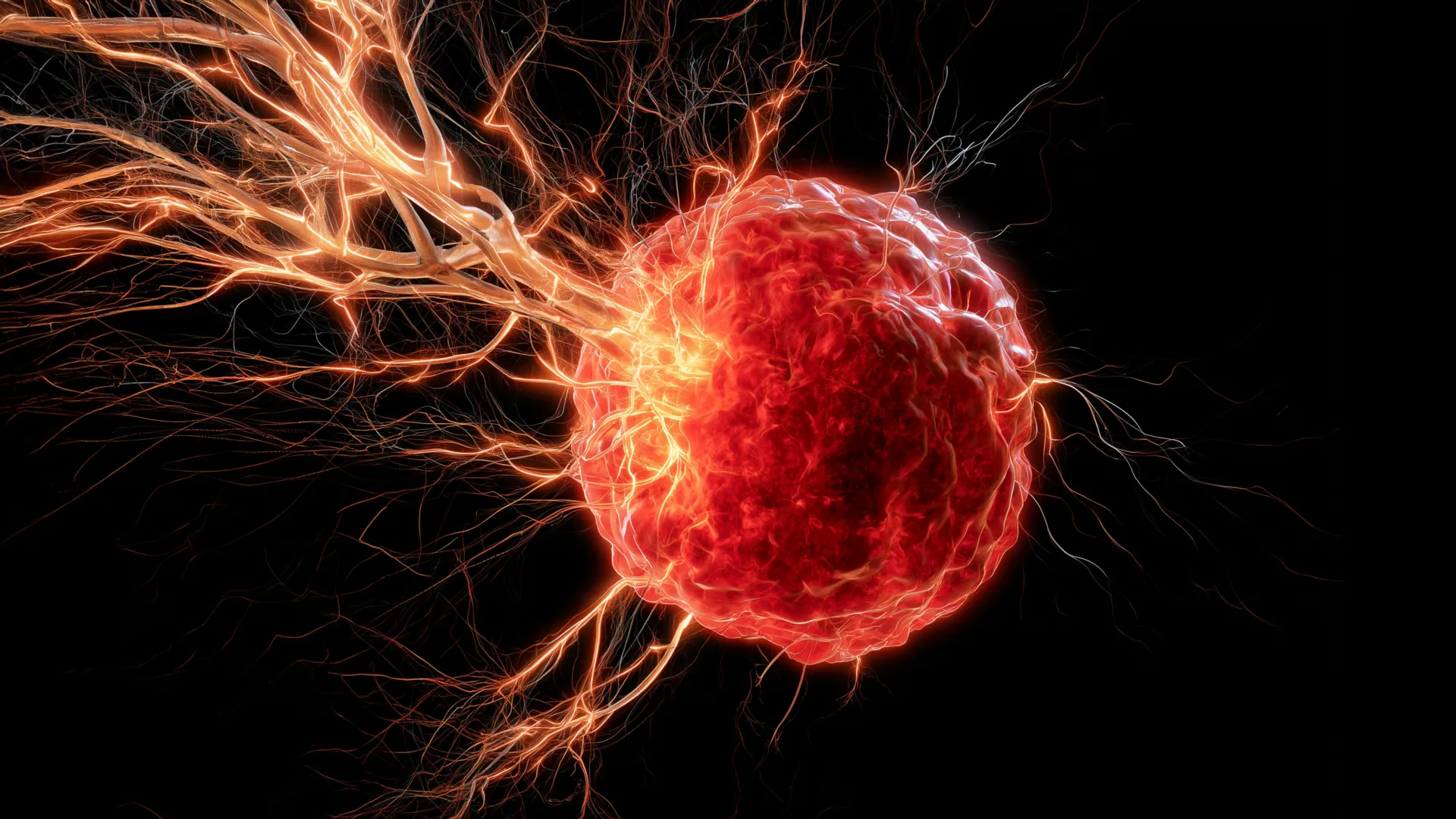
New findings from the University of Oklahoma (OU) have illuminated a critical, previously ununderstood mechanism by which an aggressive form of breast cancer, specifically triple-negative breast cancer (TNBC), manipulates the body’s own immune system to facilitate its growth and progression. This groundbreaking research, recently published in the scientific journal Cell Death & Differentiation, details how TNBC cells co-opt a specific type of immune cell to draw nerve fibers directly into tumors, creating a microenvironment conducive to cancer proliferation and potentially contributing to treatment resistance. The discovery not only sheds light on a fundamental aspect of tumor biology but also opens promising new avenues for therapeutic intervention, potentially leveraging existing pharmaceutical agents.
Unraveling the Mystery of Tumor Innervation
For decades, oncologists and cancer biologists have observed the pervasive presence of nerve networks within many solid tumors. This phenomenon, known as tumor innervation, has long puzzled researchers. While the existence of these neural connections was well-documented, the precise mechanisms by which nerves infiltrate and integrate into cancerous masses remained largely obscure. The OU study, led by Dr. Maureen Cox, an assistant professor in the Department of Microbiology and Immunology at the OU College of Medicine and a research member of OU Health Stephenson Cancer Center, provides a compelling explanation for this complex process, particularly in the context of triple-negative breast cancer, a subtype notorious for its aggressive nature and limited treatment options.
Triple-negative breast cancer accounts for approximately 10-15% of all breast cancers, but its impact is disproportionately severe. Characterized by the absence of estrogen receptors, progesterone receptors, and HER2 protein overexpression, TNBC lacks the specific targets that many successful hormone-based and anti-HER2 therapies exploit. This leaves chemotherapy as the primary systemic treatment, often with suboptimal outcomes and a higher likelihood of recurrence and metastasis compared to other breast cancer types. The five-year survival rate for localized TNBC is around 91%, but this drops significantly to 12% for metastatic disease, underscoring the urgent need for novel therapeutic strategies. Understanding the tumor microenvironment, the complex ecosystem of cells, blood vessels, and signaling molecules surrounding a tumor, has become paramount in the quest for new treatments. The integration of nerves into this microenvironment represents a critical, yet underappreciated, component.
The Macrophage-BDNF Axis: A Masterful Manipulation
The core of the OU team’s discovery lies in identifying a sophisticated mechanism through which TNBC tumors actively recruit and reprogram immune cells to serve their own nefarious agenda. The researchers found that these aggressive tumors attract macrophages, a versatile type of immune cell that typically plays a vital role in the body’s defense system. Macrophages are known for their ability to engulf cellular debris, pathogens, and cancer cells, and to orchestrate tissue repair and inflammation. However, within the tumor microenvironment, these cells often undergo a transformation, becoming "tumor-associated macrophages" (TAMs) that, instead of fighting the cancer, actively promote its growth, spread, and resistance to therapy.
Once inside the TNBC tumor, these co-opted macrophages begin to release a potent signaling protein called brain-derived neurotrophic factor (BDNF). BDNF is widely recognized for its crucial role in the central and peripheral nervous systems, where it supports the growth, differentiation, and survival of neurons. It is essential for processes like learning and memory. In a stunning display of biological opportunism, the OU researchers discovered that breast cancer cells exploit this same neurotrophic signal. By secreting BDNF, the macrophages effectively send out a beacon, encouraging nearby nerves to grow towards and ultimately infiltrate the cancerous mass. This process establishes direct neural connections within the tumor, creating conditions that the study suggests may contribute significantly to cancer progression and resistance to existing treatments.
Dr. Cox emphasized the paradoxical nature of this finding: "Macrophages are the critical source for drawing nerves into the tumor. Although macrophages typically play a positive role in the body, they are facilitating a negative function in this scenario of breast cancer." This revelation highlights the intricate and often counterintuitive ways cancer cells can subvert normal physiological processes for their survival and expansion.
From Discovery to Therapeutic Potential: Blocking the Signal
The identification of the macrophage-BDNF axis as a key driver of tumor innervation immediately suggested a potential therapeutic strategy: interrupting this signaling pathway. The researchers put this hypothesis to the test in preclinical mouse models of triple-negative breast cancer. They administered a drug designed to block BDNF signaling, a type of agent that, remarkably, is already on the market for other neurological conditions, making its repurposing for cancer treatment a potentially faster and more cost-effective endeavor.
The results were compelling. In mice treated with the BDNF-blocking drug, the infiltration of nerves into the tumors was significantly curtailed. More importantly, this reduction in nerve growth correlated with a substantial decrease in overall tumor growth. "It looks really promising that we can use this drug, which is already on the market, to target BDNF," Dr. Cox stated, expressing cautious optimism about the translational potential of their findings. The implication is profound: rather than solely focusing on direct cancer cell destruction, future therapies could target the support systems that enable cancer to thrive, effectively starving the tumor of its neural lifeline.
This shift in therapeutic focus aligns with a broader trend in oncology towards understanding and manipulating the tumor microenvironment. By disrupting the dialogue between cancer cells, immune cells, and stromal components like nerves, researchers hope to create an inhospitable environment for tumor growth, thereby enhancing the efficacy of conventional treatments or even enabling the body’s own immune system to mount a more effective anti-cancer response. Dr. Cox articulated this vision: "We believe that the nerves are immunosuppressive, so if we can stop the nerves from growing in the first place, maybe we can boost the immune response to help fight the cancer." This suggests a potential synergistic approach, combining BDNF pathway inhibitors with immunotherapies to unleash a more robust attack on TNBC.
Translational Validation: Evidence from Human Patients
To determine the clinical relevance of their findings, the OU research team extended their investigation beyond preclinical models, examining data from human patients diagnosed with triple-negative breast cancer. Their analysis revealed a crucial correlation: tumors with higher levels of both macrophages and BDNF were significantly associated with poorer survival outcomes in patients. This direct translational evidence strongly suggests that the mechanism observed in mice is highly relevant to human disease, underscoring the potential impact of targeting the macrophage-BDNF-nerve axis in clinical settings.
The journey from a laboratory discovery to a new cancer therapy is long and arduous, but this human correlative data provides vital validation, lending significant weight to the hypothesis that disrupting tumor innervation could improve patient prognosis. It also provides a biomarker for identifying patients who might benefit most from such targeted interventions, potentially paving the way for more personalized treatment approaches.
Broader Implications and Future Directions
The OU research opens up a rich vein of inquiry into the complex interplay between nerves and cancer. While the study convincingly demonstrates how nerves enter tumors, the exact mechanisms by which these nerves contribute to tumor growth and aggressiveness remain an active area of investigation. Dr. Cox and her team are now focused on elucidating these downstream effects.
Several hypotheses are being explored. Some evidence suggests that nerves may play a role in promoting angiogenesis, the formation of new blood vessels, which are essential for supplying tumors with oxygen and vital nutrients needed for rapid growth. Other research indicates that nerves might act as "highways" for cancer cells, providing a scaffold along which they can migrate and metastasize to distant sites in the body, a critical step in advanced cancer progression. Furthermore, the notion that nerves contribute to an immunosuppressive microenvironment, as suggested by Dr. Cox, warrants further investigation. If nerves actively dampen the immune response within the tumor, their removal could indeed "turn the anti-tumor immunity back on," allowing the patient’s own immune system to better recognize and reject the cancerous cells.
The potential impact of this research extends beyond breast cancer. Given the aggressive nature of tumor innervation in TNBC, the researchers plan to test the same therapeutic intervention in other challenging malignancies, starting with high-grade ovarian cancer. Ovarian cancer, particularly its advanced forms, shares characteristics of aggressiveness and difficulty in treatment with TNBC, making it a logical candidate for exploring similar nerve-mediated growth mechanisms. Success in these areas could redefine treatment paradigms for multiple aggressive cancers.
Expert Perspectives and the Shifting Landscape of Cancer Research
The findings from the University of Oklahoma resonate deeply within the broader oncology community. Experts in the field acknowledge the critical importance of understanding the tumor microenvironment. Dr. Elena Rodriguez, a prominent oncologist not affiliated with the study, remarked, "This research provides a crucial missing piece in our understanding of how aggressive cancers establish their infrastructure. The ability to target a mechanism that leverages existing immune cells and signaling pathways, potentially with already approved drugs, is incredibly exciting. It represents a strategic shift from solely attacking cancer cells to dismantling their support network."
Cancer advocacy groups have also voiced their enthusiasm. A spokesperson for the National Breast Cancer Foundation commented, "Triple-negative breast cancer patients desperately need new, effective treatments. Discoveries like this, which uncover fundamental vulnerabilities, offer immense hope for improving outcomes and quality of life for those facing this formidable disease."
The research was made possible through significant support from various entities, including the National Institute of General Medical Sciences of the NIH (award numbers P20GM103447 and P20GM103639). Oklahoma’s Tobacco Settlement Endowment Trust (TSET), a primary funder of the Stephenson Cancer Center and TSET Health Promotion Research Center at the University of Oklahoma, also played a crucial role. Further support came from the Oklahoma Shared Clinical and Translational Resources through an Institutional Development Award from the National Institute of General Medical Sciences (grant no. U54GM104938). This multi-faceted funding underscores the collaborative and interdisciplinary nature of modern biomedical research, essential for tackling complex diseases like cancer.
Conclusion: A New Horizon for Cancer Therapy
The University of Oklahoma’s research into tumor innervation in triple-negative breast cancer marks a significant step forward in understanding cancer biology. By revealing how aggressive tumors manipulate the immune system to attract nerves via the macrophage-BDNF axis, the study not only solves a long-standing mystery but also points to a novel and highly promising therapeutic strategy. The prospect of repurposing existing drugs to interrupt this critical signaling pathway, thereby reducing tumor growth and potentially enhancing the body’s own immune response, offers a new horizon of hope for patients battling TNBC and other aggressive cancers.
As Dr. Cox succinctly put it, the ultimate goal is clear: "Ultimately, we want to turn the anti-tumor immunity back on in cancer patients so their own immune systems can reject the tumors." This research brings that ambitious goal one step closer to reality, providing a foundation for future clinical trials and a renewed sense of optimism in the ongoing fight against cancer.
