
 By Billy Candra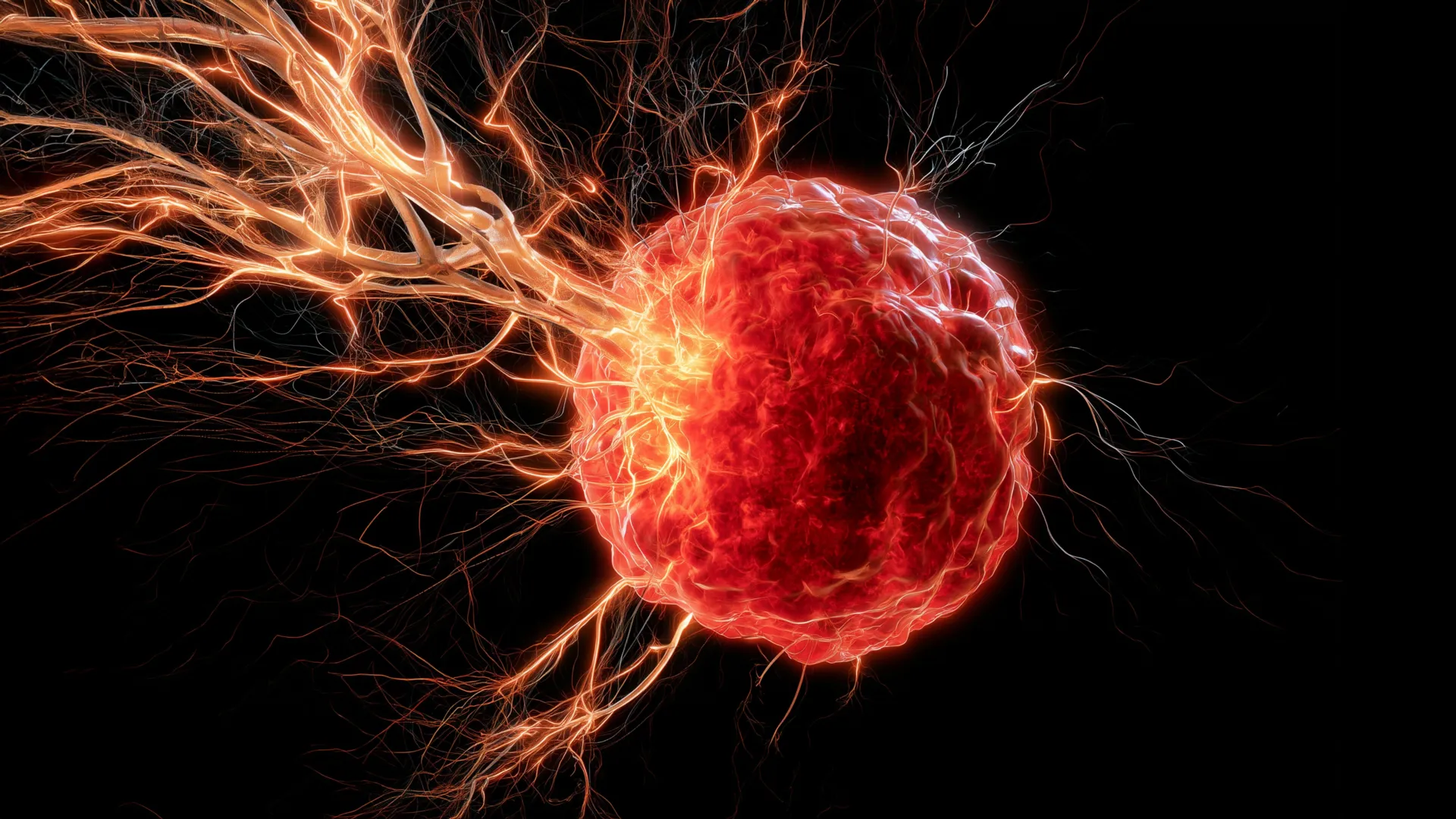
New research from the University of Oklahoma (OU) has unveiled a critical mechanism by which an aggressive form of breast cancer manipulates the body’s immune system to facilitate its growth and potential resistance to treatment. Published in the esteemed journal Cell Death & Differentiation, the study details how triple-negative breast cancer (TNBC) compels immune cells to attract nerves into tumors, creating a microenvironment conducive to cancer progression. This groundbreaking discovery not only sheds light on a long-standing mystery regarding tumor innervation but also paves the way for innovative therapeutic strategies, potentially leveraging existing pharmaceutical agents to disrupt this insidious alliance between cancer cells, immune components, and the nervous system.
For years, scientists have observed that many solid tumors, including those in the breast, contain extensive networks of nerves. However, the precise mechanisms governing the recruitment and integration of these nerves into the tumor mass have remained largely elusive. The OU team’s findings provide a crucial explanation for this phenomenon, particularly within the context of triple-negative breast cancer, a subtype notoriously difficult to treat due to its aggressive nature and lack of specific therapeutic targets. The research posits that rather than passively encountering nerves, these tumors actively orchestrate their infiltration, turning what should be a protective biological process into a vulnerability.
Unmasking the Mechanism: Macrophages as Unwitting Accomplices
At the heart of this discovery lies the unexpected role of macrophages, a type of immune cell typically recognized for its beneficial functions in fighting infections, clearing cellular debris, and repairing damaged tissues. The OU researchers, led by Dr. Maureen Cox, an assistant professor in the Department of Microbiology and Immunology at the OU College of Medicine and a research member of OU Health Stephenson Cancer Center, found that TNBC tumors effectively hijack these immune cells. Upon entering the tumor microenvironment, macrophages are reprogrammed to release an abundance of brain-derived neurotrophic factor (BDNF).
BDNF is a protein most widely known for its vital role in the central nervous system, where it supports the growth, differentiation, and survival of nerve cells, playing a critical part in brain plasticity and cognitive function. However, the OU study demonstrates that breast cancer cells cunningly exploit this fundamental biological signal. By prompting local macrophages to secrete BDNF, tumors create a potent chemotactic gradient, essentially issuing an irresistible invitation for nearby nerves to grow toward and ultimately infiltrate the cancerous mass. This process, while a normal function for BDNF in neurological development and maintenance, becomes a detrimental accelerant for cancer progression when co-opted by malignant cells.
Dr. Cox emphasized the paradoxical nature of this finding: "Macrophages are the critical source for drawing nerves into the tumor. Although macrophages typically play a positive role in the body, they are facilitating a negative function in this scenario of breast cancer." This observation underscores the complex and often contradictory roles that immune cells can play within the tumor microenvironment, sometimes inadvertently supporting the very disease they are supposed to combat. The tumor’s ability to manipulate these immune sentinels highlights the sophisticated survival strategies employed by aggressive cancers.
Triple-Negative Breast Cancer: A Formidable Foe
To fully appreciate the significance of this research, it is crucial to understand the challenges posed by triple-negative breast cancer. TNBC accounts for approximately 10-15% of all breast cancers, but its impact is disproportionately severe. Unlike other breast cancer subtypes, TNBC cells lack receptors for estrogen, progesterone, and do not overexpress the HER2 protein. This "triple-negative" status means that common and highly effective targeted therapies, such as hormone therapy or HER2-targeted drugs, are ineffective.
Understanding TNBC’s Aggression and Treatment Gaps: Patients diagnosed with TNBC often face a more aggressive disease course, characterized by higher rates of recurrence and metastasis, and a poorer prognosis compared to other breast cancer types. Current treatment primarily relies on chemotherapy, which, while often initially effective, can lead to significant side effects and is frequently followed by relapse with chemotherapy-resistant disease. The absence of specific targets has made the development of novel, effective treatments for TNBC a critical unmet medical need, driving intense research efforts globally. The OU study contributes a vital piece to this complex puzzle, offering a potential new target that could revolutionize treatment paradigms.
The Tumor Microenvironment: A Complex Ecosystem: The concept of the tumor microenvironment (TME) has gained increasing prominence in cancer research. The TME is not merely a passive backdrop for cancer cells; it is a dynamic and complex ecosystem comprising a heterogeneous mix of cells—including immune cells, fibroblasts, endothelial cells, and now, definitively, nerve cells—along with extracellular matrix components and signaling molecules. This intricate network actively interacts with cancer cells, influencing tumor initiation, growth, metastasis, and response to therapy. The OU research adds nerves to the list of critical players within this microenvironment, demonstrating their active recruitment and potential pro-tumorigenic role, thereby expanding our understanding of how tumors orchestrate their own survival and resistance mechanisms.
Pivotal Preclinical Findings: Blocking the Nerve Signal
The scientific journey from discovery to potential therapeutic application is often long and arduous, but the OU team’s work offers immediate hope for translation. Following their initial mechanistic discovery, Dr. Cox and her colleagues moved to preclinical testing, evaluating a therapeutic strategy in mouse models of triple-negative breast cancer. They utilized a drug specifically designed to block BDNF signaling. The results were compelling: in mice treated with this BDNF blocker, the infiltration of nerves into the tumors was significantly inhibited. More importantly, this blockade translated into a substantial reduction in overall tumor growth.
This finding is particularly exciting because it points towards a strategy that goes beyond directly killing cancer cells, instead focusing on disrupting the supportive infrastructure that enables the cancer to thrive. By severing the communication pathway between macrophages and nerves, the therapy aims to starve the tumor of a critical growth-promoting component. The fact that the drug targets BDNF, a well-characterized neurotrophic factor, and that BDNF blockers are already under investigation for other neurological conditions, suggests a potential for drug repurposing. This could dramatically accelerate the timeline for clinical trials and potential patient access, as the safety profile of such compounds may already be partly established.
"It looks really promising that we can use this drug, which is already on the market, to target BDNF," Dr. Cox remarked, highlighting the translational potential. Beyond merely halting nerve growth, the researchers also hypothesize a broader benefit. "We believe that the nerves are immunosuppressive, so if we can stop the nerves from growing in the first place, maybe we can boost the immune response to help fight the cancer." This speculation suggests a dual advantage: inhibiting direct tumor support and simultaneously unleashing the body’s natural defenses, potentially synergizing with existing or future immunotherapies.
Human Relevance: Corroborating Evidence
A critical step in validating preclinical findings is to determine their relevance to human disease. The OU team meticulously examined data from human patients diagnosed with triple-negative breast cancer. Their analysis revealed a striking correlation: tumors from patients with higher levels of both macrophages and BDNF within their tumor microenvironment were significantly linked with poorer survival outcomes. This crucial piece of evidence strongly suggests that the pro-tumorigenic mechanism observed in mice—where macrophage-derived BDNF attracts nerves to support cancer growth—is highly pertinent to human TNBC pathology.
This direct correlation provides a robust bridge between experimental models and clinical reality, bolstering the argument for pursuing BDNF blockade as a viable therapeutic strategy for TNBC patients. It suggests that the presence of this specific cellular crosstalk is not merely an incidental finding in a laboratory setting but a clinically meaningful indicator of disease aggressiveness and patient prognosis.
Broader Implications and Therapeutic Horizons
The implications of the University of Oklahoma’s research extend far beyond the immediate context of triple-negative breast cancer. This discovery marks a potential paradigm shift in cancer treatment philosophy and opens up several promising avenues for future therapeutic development.
A New Axis of Attack: For decades, cancer therapy has predominantly focused on directly targeting and destroying cancer cells through chemotherapy, radiation, surgery, or more recently, targeted molecular therapies. However, increasing evidence, now strongly supported by the OU study, points to the critical importance of the tumor microenvironment. By identifying a key signaling axis (macrophages → BDNF → nerves) within the TME that promotes tumor growth and potentially suppresses anti-tumor immunity, researchers gain a powerful new target. This approach represents a strategic move from simply eradicating malignant cells to dismantling the supportive ecosystem that enables their survival and proliferation.
Repurposing Existing Therapeutics: The prospect of repurposing drugs already approved for other conditions or those in advanced stages of clinical development offers immense advantages. Such compounds have known safety profiles, established pharmacokinetics, and often lower development costs compared to entirely novel agents. If BDNF blockers, currently explored for neurological disorders, prove effective in clinical trials for TNBC, it could drastically reduce the time and expense required to bring a new treatment option to patients, offering hope much sooner. This "fast-track" potential is a significant aspect of the OU team’s findings.
Enhancing Immunotherapy: The idea that nerve infiltration might render tumors immunosuppressive is particularly intriguing in the era of immunotherapy. Immunotherapies, such as checkpoint inhibitors, have revolutionized the treatment of several cancers by unleashing the patient’s own immune system to fight the disease. However, TNBC, despite often being considered "immunogenic" due to its high mutational burden, frequently develops resistance to these treatments. If nerves actively contribute to an immunosuppressive environment, then disrupting their recruitment could potentially "re-sensitize" tumors to immunotherapeutic agents, making combination therapies (BDNF blockade + immunotherapy) a powerful strategy to explore. This could unlock the full potential of immunotherapy for a broader range of TNBC patients.
The Road Ahead: Unraveling Nerve-Tumor Interactions
While the OU research has provided a crucial answer, it has also opened new questions, paving the way for further investigation. Dr. Cox and her team are now focused on delving deeper into the precise mechanisms by which nerves contribute to tumor growth and progression. Some existing evidence suggests that nerves may play a role in stimulating angiogenesis, the formation of new blood vessels, which are essential for supplying tumors with oxygen and vital nutrients to fuel their rapid expansion. Other research indicates that cancer cells might utilize nerve fibers as conduits or "highways" to migrate away from the primary tumor, facilitating metastasis—the spread of cancer to distant sites, which is the leading cause of cancer-related deaths. Understanding these exact contributions will be critical for optimizing future therapeutic interventions.
Beyond breast cancer, the researchers also plan to extend their investigations to other aggressive malignancies. High-grade ovarian cancer, another notoriously difficult-to-treat cancer characterized by rapid progression and high recurrence rates, is a prime candidate for similar intervention strategies. If the macrophage-BDNF-nerve axis proves to be a conserved mechanism across various aggressive cancers, the implications for broad-spectrum cancer therapy could be profound.
Dr. Cox’s ultimate vision encapsulates the ambitious goal of modern cancer research: "Ultimately, we want to turn the anti-tumor immunity back on in cancer patients so their own immune systems can reject the tumors." This statement underscores the commitment to harnessing the body’s intrinsic defenses, a strategy that promises more durable and less toxic treatments.
A Collaborative Endeavor: Acknowledging Research Support
This pioneering research, emblematic of the collaborative and sustained effort required for significant scientific breakthroughs, received vital support from multiple institutions and funding bodies. Key contributions came from the National Institute of General Medical Sciences of the National Institutes of Health (NIH), through award numbers P20GM103447 and P20GM103639. Further substantial backing was provided by Oklahoma’s Tobacco Settlement Endowment Trust (TSET), a primary funder of the Stephenson Cancer Center and TSET Health Promotion Research Center at the University of Oklahoma. Additionally, support was extended by the Oklahoma Shared Clinical and Translational Resources through an Institutional Development Award from the National Institute of General Medical Sciences (grant no. U54GM104938). This extensive network of funding underscores the societal recognition of the urgent need for innovative cancer research and the critical role played by publicly funded science in advancing human health.
The University of Oklahoma’s latest findings offer a beacon of hope in the challenging landscape of triple-negative breast cancer, presenting a novel understanding of tumor biology and a promising new avenue for therapeutic intervention. By illuminating how aggressive cancers co-opt the immune system to recruit nerves, this research moves us closer to developing smarter, more effective treatments that could significantly improve the lives of countless patients facing this formidable disease.
