
 By Gabriel Paijo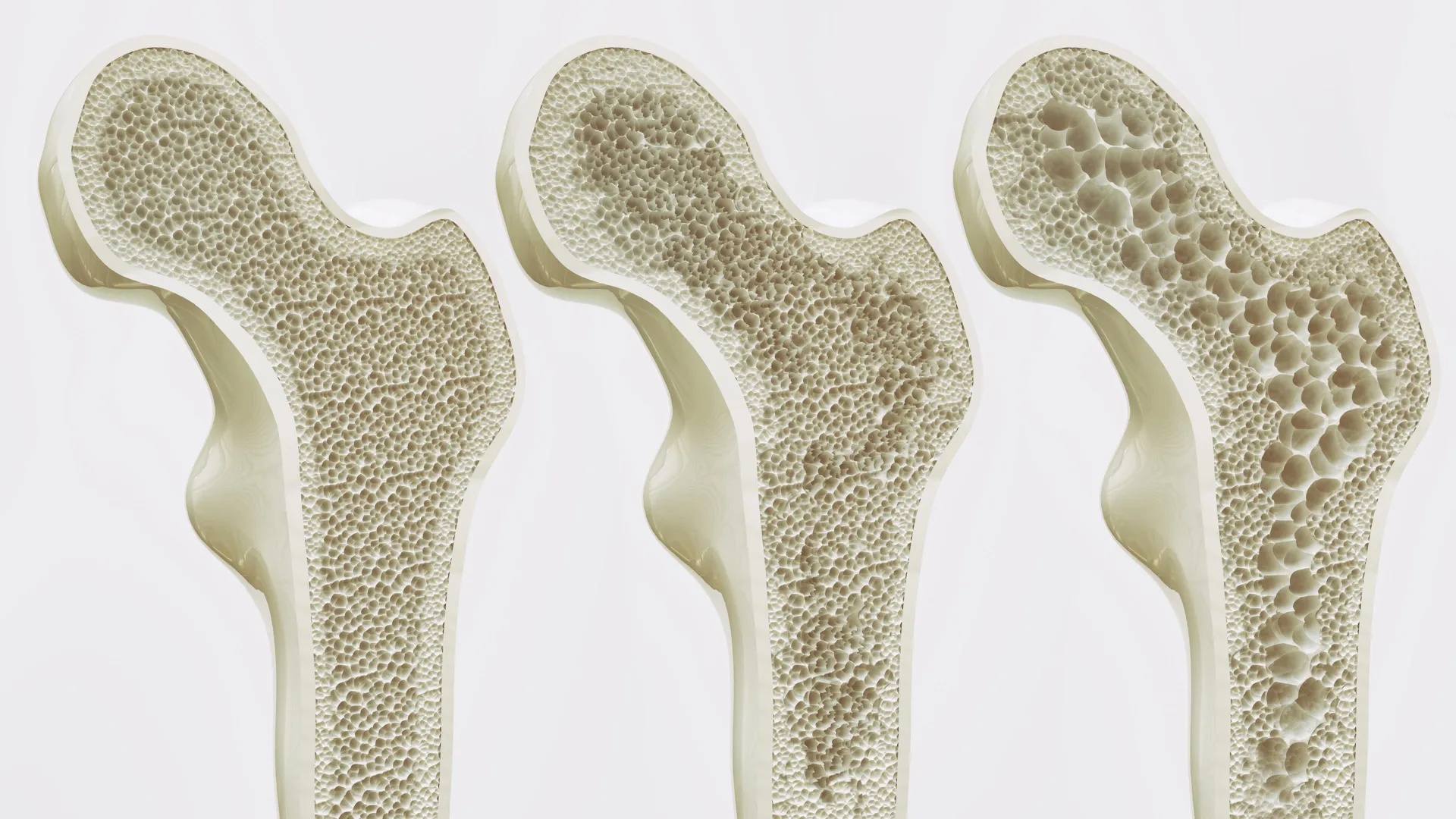
The long-standing medical consensus that daily calcium and vitamin D supplementation serves as a primary defense against bone fractures in the elderly is facing significant scrutiny following the publication of a massive systematic review in The BMJ. This comprehensive analysis, which synthesized data from dozens of clinical trials involving more than 150,000 participants, concludes that for the vast majority of older adults, these supplements provide little to no meaningful protection against falls or broken bones. The findings challenge decades of public health guidance and suggest a necessary pivot in how clinicians approach geriatric bone health, shifting the focus from the pharmacy aisle to physical activity and environmental safety.
The Public Health Burden of Falls and Fractures
As global populations age, the incidence of falls and subsequent fractures has become a critical public health priority. Statistics indicate that approximately one-third of adults aged 65 and older experience at least one fall annually. These incidents are far from trivial; they are the leading cause of injury-related hospitalizations and deaths among the elderly. A single fall can initiate a cascading decline in health, resulting in hip fractures, chronic pain syndromes, a permanent loss of independence, and an increased likelihood of transitioning into residential care facilities.
The economic implications are equally staggering. In the United States alone, the annual medical costs related to non-fatal fall injuries are estimated at over $50 billion. Given these stakes, the medical community has historically sought low-cost, low-risk interventions to bolster bone density and stability. Calcium and vitamin D became the default solution due to their biological roles: calcium as the primary building block of bone tissue, and vitamin D as the essential hormone that facilitates calcium absorption and regulates bone metabolism.
A History of Scientific Ambiguity
Despite the biological plausibility of supplementation, the scientific evidence supporting its efficacy in preventing fractures has been inconsistent for years. Early studies in the 1990s suggested benefits, particularly in institutionalized populations where malnutrition was prevalent. However, as more rigorous, large-scale trials were conducted on community-dwelling adults, the results began to diverge.
Previous meta-analyses often struggled to reach a definitive conclusion. Some suggested that vitamin D alone was ineffective, while others hinted that a combination of calcium and vitamin D might offer a slight reduction in hip fracture risk. This ambiguity allowed for a "better safe than sorry" approach to persist in clinical guidelines. Consequently, prescriptions and over-the-counter sales of these supplements have surged over the last two decades, fueled by a multi-billion dollar supplement industry and a general public perception that "more is better" when it comes to bone health.
Methodology: The BMJ Systematic Review
To resolve these lingering questions, a research team based in Canada conducted an exhaustive review of 69 randomized controlled trials (RCTs). These trials represented the gold standard of clinical evidence, involving a total of 153,902 participants. The researchers utilized a rigorous framework to assess the "clinical meaningfulness" of the results, rather than relying solely on statistical significance, which can sometimes highlight tiny differences that have no real impact on a patient’s life.
The study categorized the trials into three main interventions:
- Calcium supplements alone (compared to placebo or no treatment).
- Vitamin D supplements alone (compared to placebo or no treatment).
- Combined calcium and vitamin D supplements (compared to placebo or no treatment).
The researchers employed the GRADE (Grading of Recommendations, Assessment, Development, and Evaluations) approach to determine the certainty of the evidence. This method accounts for factors such as study design, risk of bias, and the consistency of results across different populations.
Key Findings: Little Evidence of Benefit
The results of the analysis were remarkably consistent across different subgroups and intervention types. After setting a threshold for what would constitute a "clinically meaningful" reduction in fracture risk, the researchers found that the supplements consistently failed to meet the mark.
Vitamin D Supplementation
Drawing from high-certainty evidence across 36 trials involving over 92,000 participants, the review found that vitamin D alone does not prevent fractures or falls in the general older population. This is particularly significant given the widespread screening for vitamin D deficiency and the common practice of prescribing high-dose supplements to correct perceived "low" levels.
Calcium Supplementation
Based on moderate-certainty evidence from 11 trials involving more than 9,000 participants, the researchers concluded that calcium supplements alone provide no meaningful protection. While calcium is necessary for bone health, the study suggests that for most people, the amounts obtained through a standard diet are sufficient, and adding concentrated supplements does not further lower the risk of injury.
Combined Supplementation
Perhaps the most surprising finding concerned the combination of calcium and vitamin D. Long considered the "gold standard" for bone support, this combination was tested in 15 trials with over 51,000 participants. The high-certainty evidence showed that even when taken together, these supplements did not result in a clinically meaningful reduction in any type of fracture, including hip fractures, which are the most debilitating.
Contextualizing the Exceptions
The researchers were careful to note that these findings are intended for the general aging population and may not apply to specific high-risk groups. There are several critical exceptions where supplementation remains a vital part of medical care:
- Osteoporosis Patients: Individuals already diagnosed with osteoporosis and who are taking bone-strengthening medications (such as bisphosphonates) were not the primary focus of this review. For these patients, calcium and vitamin D are often required to ensure the medications work effectively.
- Severe Deficiencies: Those with diagnosed clinical deficiencies or specific bone disorders (such as osteomalacia) still require targeted supplementation under medical supervision.
- Institutionalized Populations: Some evidence still suggests that very frail, elderly individuals in nursing homes—who may have very low sun exposure and poor nutrition—might see marginal benefits, though even this remains a subject of debate.
Shifting the Paradigm: From Pills to Physicality
In an editorial linked to the study, experts argued that the focus of public health policy and clinical practice must shift away from "routine supplementation" and toward interventions with proven efficacy. The editorial suggests that the medical community has perhaps over-invested in a "nutrient-centric" view of bone health while neglecting the mechanical and physiological factors that actually cause fractures: the falls themselves.
The primary driver of fractures in the elderly is not just bone density, but the loss of muscle mass (sarcopenia) and the degradation of balance and coordination. Even the strongest bones will break if a person falls with enough force. Therefore, the researchers and editorial authors advocate for a "physicality-centric" approach.
The Role of Exercise
Resistance training and balance-focused exercises, such as Tai Chi or specific physical therapy regimens, have shown significantly higher efficacy in reducing fall risk than any supplement. These activities improve proprioception (the body’s ability to sense its position in space) and build the "functional strength" necessary to recover from a trip or stumble.
Environmental and Holistic Assessments
The review also highlights the importance of multi-factorial fall prevention programs. These include:
- Home Hazard Assessments: Identifying and removing trip hazards like loose rugs, poor lighting, or lack of grab bars in bathrooms.
- Medication Reviews: Many medications taken by older adults can cause dizziness or hypotension, directly contributing to falls.
- Vision Correction: Regular eye exams to ensure that depth perception and clarity are maintained.
Implications for Healthcare Policy and Guidelines
The BMJ review serves as a formal call to action for regulatory agencies and medical societies to re-evaluate their current guidelines. For years, clinicians have found it easier to prescribe a pill than to enroll a patient in a comprehensive exercise program. However, if the pills are ineffective, the "easy" solution is actually a waste of resources and a missed opportunity for genuine prevention.
Industry analysts suggest that if global health guidelines were updated to reflect this evidence, it could lead to a significant shift in the multi-billion dollar supplement market. More importantly, it could redirect healthcare funding toward community-based exercise programs and home safety initiatives that offer a better return on investment for patient health.
Conclusion: A New Direction for Aging Safely
The findings published in The BMJ do not suggest that calcium and vitamin D are unimportant; they are essential nutrients for human health. However, the study makes it clear that as a "preventative medicine" for the general older population, the routine use of these supplements is not supported by high-quality evidence.
Preventing the devastating consequences of falls and fractures in the elderly requires a more nuanced and active approach than a daily supplement regimen. By prioritizing physical activity, muscle strengthening, and environmental safety, the healthcare system can provide older adults with more meaningful protection and a higher quality of life. As the evidence continues to mount, the message to the public is becoming clearer: to stay strong and avoid fractures, it may be time to spend less time in the supplement aisle and more time in the gym or the park.
