
 By Suherman Candra Maholtra
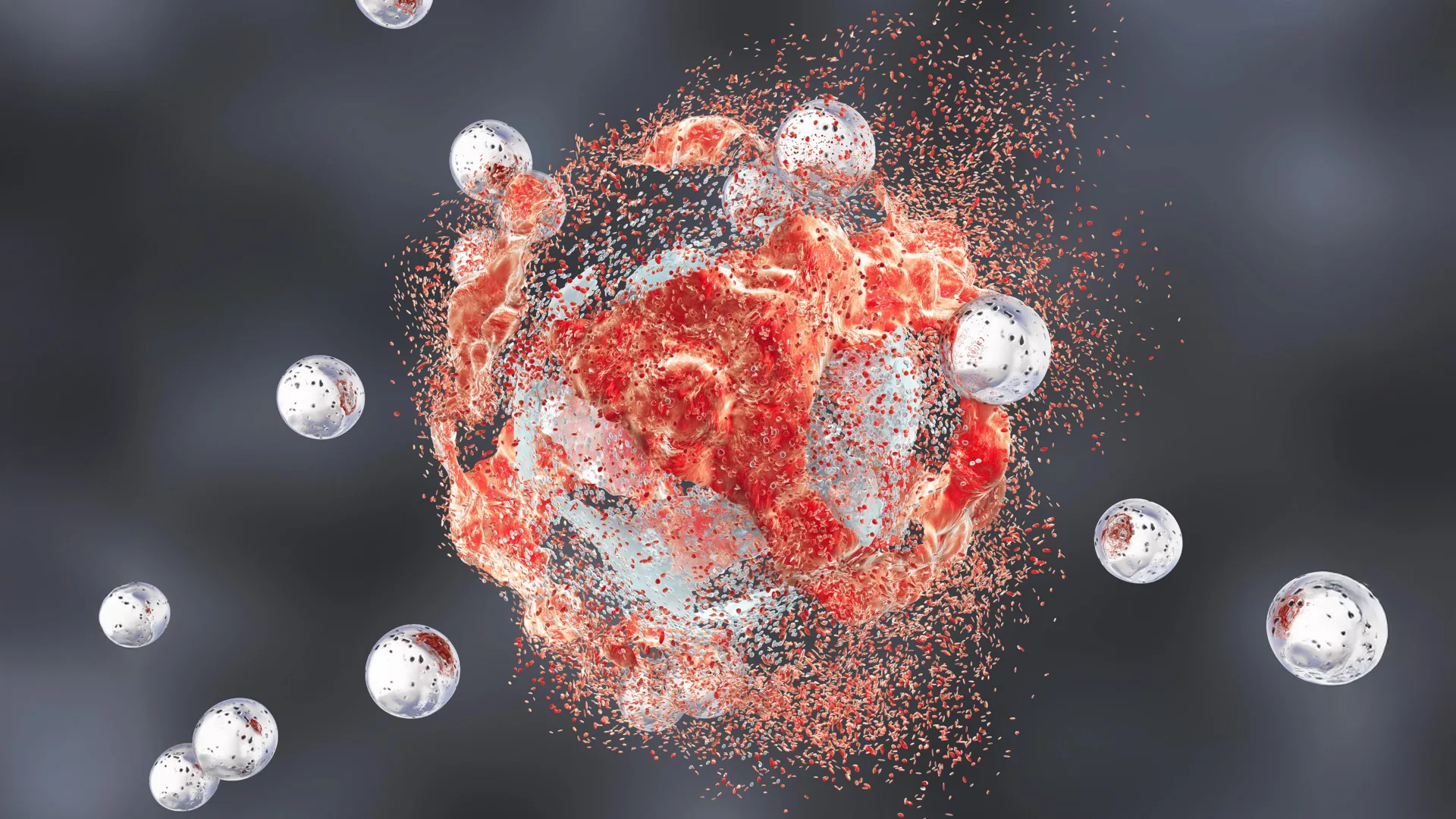
Scientists at the Walter and Eliza Hall Institute of Medical Research (WEHI) have uncovered a specialized type of immune cell capable of detecting and eliminating small cell lung cancer (SCLC), the most lethal and aggressive form of lung cancer globally. This landmark discovery, published in the prestigious journal Cancer Cell, identifies gamma delta (γδ) T cells as a previously unrecognized line of defense against tumors that have historically been considered "immune cold," or resistant to traditional immunotherapy. The research suggests that the presence of these cells within a patient’s tumor is a strong predictor of survival, offering a potential paradigm shift in how clinicians approach one of the most difficult-to-treat malignancies in oncology.
Small cell lung cancer accounts for approximately 15% of all lung cancer cases worldwide, but it is disproportionately responsible for cancer-related mortality due to its rapid doubling time and early metastatic spread. For decades, the standard of care for SCLC remained largely stagnant, consisting primarily of platinum-based chemotherapy and radiation. While the advent of immunotherapy—specifically immune checkpoint inhibitors—has revolutionized the treatment of non-small cell lung cancer (NSCLC), its impact on SCLC has been marginal. Most SCLC patients do not respond to current immunotherapies, and for those who do, the benefits are often short-lived. The WEHI study provides a biological explanation for this failure while simultaneously presenting a new therapeutic roadmap.
The Challenge of Immune Evasion in Small Cell Lung Cancer
The primary obstacle in treating SCLC lies in the tumor’s ability to remain "invisible" to the body’s natural defenses. Conventional immunotherapy relies on alpha beta (αβ) T cells, which identify cancer by recognizing specific proteins presented on the surface of tumor cells via the Major Histocompatibility Complex class I (MHC-I). However, SCLC is notorious for "downregulating" or completely shedding these MHC-I molecules. By removing the "flag" that αβ T cells look for, the cancer effectively cloaks itself, allowing it to grow and spread undetected even in the presence of advanced immunotherapy drugs.
Professor Kate Sutherland, the senior author of the study and a laboratory head at WEHI, noted that this "disguise" has been the bane of lung cancer research for decades. The discovery of gamma delta T cells in this context is significant because these cells do not require MHC-I to identify their targets. Unlike their conventional counterparts, γδ T cells operate as a bridge between the innate and adaptive immune systems, utilizing a different set of receptors to sense cellular stress and metabolic changes common in cancerous cells.
"We’ve found an immune cell that appears to be able to see through that disguise," Professor Sutherland stated. "Strikingly, patients whose tumors contained more of these specialized immune cells often had better treatment outcomes. This is the strongest evidence yet that gamma delta T cells are present in small cell lung cancers and appear capable of fighting the disease."
Methodological Innovation: The Role of Patient-Derived Mini-Tumors
To validate their findings, the research team employed cutting-edge laboratory techniques, including the development of "mini-tumors" or organoids. These models were created using tissue samples donated by patients through the Victorian Cancer Biobank, in collaboration with the Royal Melbourne Hospital. Unlike traditional cell lines grown in a flat dish, these three-dimensional organoids replicate the complex architecture and genetic diversity of a patient’s actual tumor, providing a more accurate environment for testing immune responses.
The researchers isolated γδ T cells from the blood of the same patients and introduced them to the mini-tumors. The results were definitive: the γδ T cells successfully identified the SCLC cells despite their lack of MHC-I markers and proceeded to destroy them. This experimental success provided the "proof of concept" necessary to move toward therapeutic applications.
Synergistic Drug Strategies and Enhanced Immune Response
A critical component of the WEHI study was determining whether existing pharmaceutical agents could amplify the natural cancer-killing abilities of γδ T cells. The team tested a combination of two medications: zoledronate and tarlatamab.
Zoledronate is a bisphosphonate drug currently approved for the treatment of osteoporosis and bone metastases. It works by inhibiting an enzyme in the mevalonate pathway, leading to the accumulation of phosphoantigens inside tumor cells. Gamma delta T cells are specifically "tuned" to detect these phosphoantigens. By treating the mini-tumors with zoledronate, the researchers effectively "primed" the cancer cells, making them much more visible to the γδ T cells and stimulating the immune cells to proliferate.
Tarlatamab, a more recent development in oncology, is a bispecific T-cell engager (BiTE) that targets delta-like ligand 3 (DLL3), a protein highly expressed on the surface of SCLC cells but rarely found in healthy tissue. Tarlatamab acts as a molecular bridge, physically pulling the T cell and the cancer cell together to facilitate a direct attack.
When used in tandem, these two drugs created a synergistic effect. Zoledronate increased the number and activity of the γδ T cells, while tarlatamab ensured those cells were accurately directed to the tumor site. This dual-action approach significantly increased the rate of cancer cell death in laboratory models, suggesting that a combination of "repurposed" and "targeted" drugs could be the key to breaking through SCLC’s defenses.
Evidence from Global Clinical Trials
The impetus for this research began with a deep dive into data from two landmark clinical trials: IMpower133 and CASPIAN. These trials were responsible for the FDA approval of adding PD-L1 inhibitors (atezolizumab and durvalumab, respectively) to first-line chemotherapy for extensive-stage SCLC. While these trials were considered successes, the overall improvement in median survival was measured in months rather than years.
The WEHI team, utilizing sophisticated genomic and computational bioinformatics, re-analyzed the transcriptomic data from these trials. They discovered a clear correlation: patients who exhibited a high "gamma delta T cell signature" in their genetic data were the ones who experienced the most significant and lasting benefits from the immunotherapy.
Dr. Jin Ng, the study’s first author, emphasized that this retrospective analysis bridges the gap between laboratory theory and clinical reality. "As therapies that expand and reinfuse gamma delta T cells already exist, our findings raise the exciting possibility of rapidly translating this discovery into new treatment strategies," Dr. Ng said. This suggests that the γδ T cell count could serve as a vital biomarker, helping doctors identify which patients are likely to respond to specific treatments and which require a more intensified approach.
Timeline and Future Directions: Toward Adoptive Cell Transfer
The discovery at WEHI sets the stage for a new era of personalized medicine in SCLC treatment, specifically through a process known as adoptive cell transfer (ACT). This involves harvesting a patient’s own γδ T cells, expanding their numbers by the millions in a specialized laboratory, and then reinfusing them into the patient’s bloodstream.
Because γδ T cells do not cause graft-versus-host disease in the same way conventional T cells can, there is also the potential for "off-the-shelf" therapies using cells from healthy donors. This would eliminate the time-consuming process of individual cell cultivation, which is critical for SCLC patients whose disease progresses rapidly.
The timeline for translating these findings into clinical practice is expected to be accelerated because the components—zoledronate, tarlatamab, and γδ T cell expansion technologies—are already in various stages of clinical use or advanced development. The WEHI team is currently collaborating with researchers at the Doherty Institute to refine these strategies and begin the transition toward clinical trial design.
Broader Implications for Oncology
The implications of this research extend beyond small cell lung cancer. Many other "recalcitrant" solid tumors, such as prostate cancer and certain types of breast and pancreatic cancer, also employ MHC-I downregulation to evade the immune system. The identification of γδ T cells as a viable "workaround" provides a blueprint for treating a wide array of cancers that have previously been resistant to the first generation of immunotherapies.
Furthermore, the study highlights the importance of "repurposing" existing medications. The use of zoledronate, a relatively inexpensive and well-understood drug, to enhance high-tech immunotherapy demonstrates a pragmatic approach to drug development that could reduce the cost and time associated with bringing new treatments to patients.
The research was made possible through a multi-institutional effort involving Cancer Council Victoria, the National Health and Medical Research Council (NHMRC), The CASS Foundation, and The International Association for the Study of Lung Cancer. As the global oncology community shifts its focus toward "next-generation" immunotherapies, the WEHI discovery stands as a pivotal moment in the fight against one of the world’s most formidable diseases. By turning the spotlight on a cell that was previously overlooked, scientists may have finally found the "Achilles’ heel" of small cell lung cancer.
