
 By George Ongkojoyo
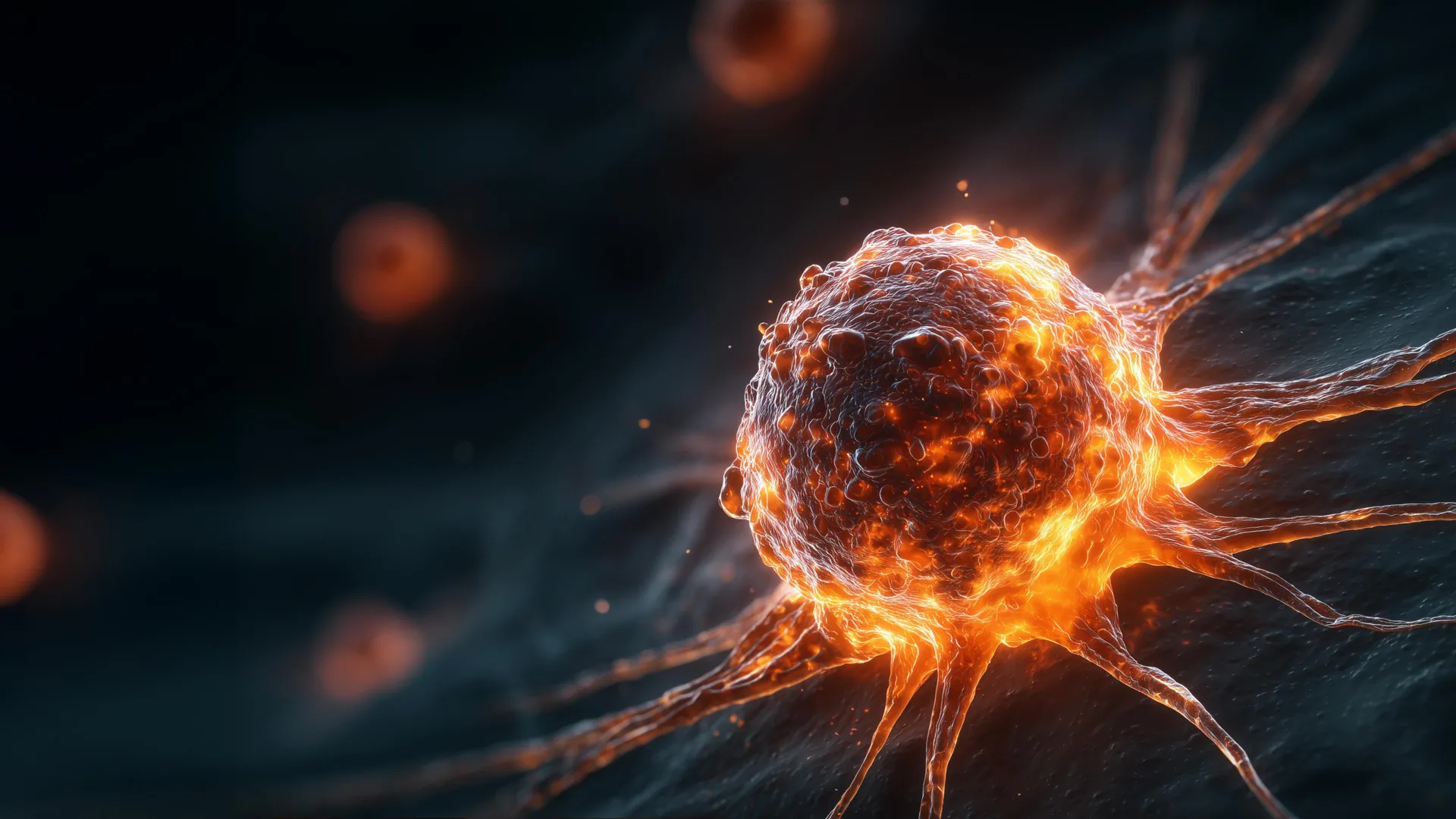
The complexity of cancer remains one of the most significant challenges in modern medicine, characterized by its ability to evolve, resist treatment, and manipulate its environment. While oncology has traditionally focused on genetic mutations as the primary drivers of malignancy, new research from Virginia Tech is shedding light on the physical and structural abnormalities of cancer cells that dictate how a tumor behaves. By examining the nuances of chromosomal errors and the physical dimensions of cancer cells, researchers have identified previously unknown mechanisms that allow tumors to recruit healthy tissue for their own benefit and predict which cancers will be the most lethal.
This multi-year effort, led by experts at Virginia Tech’s Department of Biological Sciences, highlights a critical shift in how scientists view tumor progression. The findings, recently published in the Proceedings of the National Academy of Sciences (PNAS) and Cancer Research, suggest that the size of certain abnormal cancer cells and their interaction with the surrounding "stroma"—the body’s connective tissue—are pivotal factors in the speed and severity of the disease.
The Microscopic Precision of Oncology Research
The path to these discoveries began not in a clinical setting, but at the laboratory bench, where the fundamental biology of life is dissected at a microscopic level. For graduate student Megan Sweet and her colleagues, the research involves a level of precision that borders on the artistic. Sweet’s work focuses on the preparation of tumor samples grown in controlled mouse models, a process that requires both technical expertise and extreme patience.
Working within a refrigerated metal chamber known as a cryostat, Sweet prepares sections of tumor tissue that are thinner than a human hair. These slices, roughly the size of a pinkie fingernail, must be perfectly uniform to allow light from a microscope to pass through them. The process is rhythmic and demanding; the steady sound of the cutting blade serves as the backdrop for hours of "fine-tuning" to ensure the integrity of the cellular structures.
Once the slices are mounted on glass slides, they undergo a series of staining procedures. By applying specific dyes that bind to different parts of the cell—such as the nucleus, the cytoskeleton, or specific proteins—the researchers can distinguish between various cell types and monitor how they interact within the complex architecture of a tumor. This painstaking methodology is the foundation upon which the team’s broader conclusions about cancer behavior are built.
Chromosomal Instability and the Rise of Tetraploidy
To understand the team’s findings, one must first understand the standard blueprint of human biology. Most healthy human cells are diploid, meaning they possess two complete sets of chromosomes—one set inherited from each parent. This 23-pair arrangement is the instruction manual for cellular function and division. However, cancer is often defined by a breakdown in this order.
During the process of cell division (mitosis), errors can occur. In some instances, a cell may replicate its DNA but fail to actually split into two daughter cells. This results in "tetraploidy," a condition where a single cell contains four sets of chromosomes instead of two. While the body has natural checkpoints to prevent such cells from proliferating, some manage to bypass these safeguards.
For five years, Sweet and fellow graduate student Mat Bloomfield, under the guidance of cell biologist Daniela Cimini, have investigated these tetraploid cells. Tetraploidy is a common hallmark of human cancers and is frequently associated with "aneuploidy," an umbrella term for cells with an abnormal number of chromosomes. The Virginia Tech team sought to determine exactly why the presence of these cells correlates so strongly with poor patient outcomes.
The Recruitment of the Tumor Microenvironment
One of the most significant revelations of the Virginia Tech study involves the way tetraploid cells interact with their surroundings. Scientists have long observed that tumors containing tetraploid cells are more aggressive, but the assumption was often that these cells simply divided faster or were more resistant to death.
The experiments conducted by Sweet and Bloomfield challenged this assumption. By comparing tumors initiated with ordinary diploid cells against those initiated with tetraploid cells in mouse models, the team noticed a surprising trend: as the tumors grew, the percentage of tetraploid cells actually decreased over time. In a traditional model of "survival of the fittest," one might expect the more aggressive tetraploid cells to take over the entire tumor. Instead, they seemed to be disappearing.
However, despite their dwindling numbers, the tumors they started continued to grow at an accelerated rate. The researchers discovered that the tetraploid cells were not just growing themselves; they were actively "recruiting" help. They found that these abnormal cells triggered the influx of stromal cells—non-cancerous connective tissue cells that provide structural and nutritional support.
"The presence of even a small fraction of these tetraploid cells can promote the recruitment of extra non-cancerous cells that support further tumor progression," Sweet explained. This suggests that tetraploid cells act as "architects" of the tumor microenvironment, creating a hospitable niche that allows the rest of the cancer to flourish. This finding shifts the focus from the cancer cells in isolation to the "ecosystem" of the tumor, where even a minority population of abnormal cells can dictate the fate of the entire mass.
The Size Paradox: Why Smaller Cells Pose a Greater Risk
While Sweet focused on the recruitment of healthy tissue, Mat Bloomfield investigated the physical characteristics of the tetraploid cells themselves. Biologically, it stands to reason that a cell with twice the amount of DNA (four sets of chromosomes instead of two) would be significantly larger than a normal cell. Indeed, the researchers initially expected tetraploid cells to be roughly double the size of their diploid counterparts.
While many tetraploid cells did follow this pattern, Bloomfield noticed a subset of "clones" that defied expectations. Some of these cells were 25 to 30 percent smaller than anticipated, despite carrying the extra genetic material.
When these smaller tetraploid cells were tested, the results were striking. "The smaller clones are more aggressive," Bloomfield noted. "They grow faster, are more invasive, and more tolerant of common anti-cancer and stress-inducing drugs."
This "size paradox" suggests that the ability of a tetraploid cell to "shrink" back toward a more normal size while retaining its extra chromosomes is a marker of extreme evolutionary fitness for a cancer cell. These smaller, denser cells appear to be more efficient at navigating the body’s tissues and resisting the pressures of chemotherapy and metabolic stress.
Validating Findings Across Multiple Cancer Types
To ensure that their observations were not limited to a specific laboratory model, the Virginia Tech team expanded their scope to include different types of cancer. They observed the same relationship between cell size and aggressiveness in both colorectal and breast cancer cells. This consistency suggests that the biological principle at play is a general feature of cancer progression rather than a localized phenomenon.
Furthermore, the team turned to the Cancer Genome Atlas (TCGA), a landmark collection of genomic and clinical data from thousands of cancer patients. By analyzing this vast repository, the researchers were able to correlate their laboratory findings with real-world clinical outcomes.
The data confirmed their hypothesis: patients whose tumors exhibited signatures of these smaller, aggressive tetraploid cells had significantly lower survival rates and worse prognoses. This bridge between "basic science" in the lab and "translational medicine" in the clinic provides a powerful new lens through which oncologists might one day evaluate a patient’s risk.
Implications for Future Diagnostics and Treatment
The discovery that cell size and stromal recruitment are key drivers of malignancy has profound implications for the future of oncology. Currently, many cancer diagnoses rely on genetic sequencing to identify mutations. While this is invaluable, the Virginia Tech research suggests that the physical morphology (the shape and size) of the cells and the composition of the tumor microenvironment are equally important.
"We already knew that tetraploidy can make cells more tumorigenic, but now we know that if you incorporate the size of the cells, it can be more predictive of tumorigenic potential," said Daniela Cimini.
This could lead to the development of new diagnostic tools where pathologists use high-resolution imaging and AI-driven analysis to measure cell size and stromal density. If a biopsy reveals the presence of small, tetraploid cells, doctors might opt for a more aggressive or alternative treatment strategy from the outset, rather than waiting to see if the tumor responds to standard care.
Moreover, understanding how tetraploid cells recruit stromal cells opens the door for "microenvironment-targeted" therapies. If researchers can identify the specific chemical signals these cancer cells use to "call for help," they may be able to develop drugs that block those signals, effectively starving the tumor of its support system.
A New Chapter in Cancer Biology
The work being done at Virginia Tech represents a critical piece of the puzzle in the fight against cancer. It reinforces the idea that cancer is not just a disease of "broken genes," but a complex biological process involving cellular architecture, physical space, and environmental manipulation.
For Megan Sweet, Mat Bloomfield, and Daniela Cimini, the journey is far from over. The team plans to delve deeper into the molecular pathways that allow tetraploid cells to reduce their size and the specific mechanisms of stromal recruitment. Their ongoing analysis of human cancer data will continue to refine these models, bringing the scientific community closer to a comprehensive understanding of tumor evolution.
As Sweet returns to the lab to prepare the next round of tissue samples, the rhythmic sound of the cutting blade serves as a reminder of the steady, incremental progress of science. Each thin slice of tissue, each stained slide, and each data point from the Cancer Genome Atlas brings the world one step closer to turning the tide against the most aggressive forms of this disease. In the world of cancer research, the smallest details—even the size of a single cell—can make the difference between life and death.
