
 By Budi Oetomo Narendra
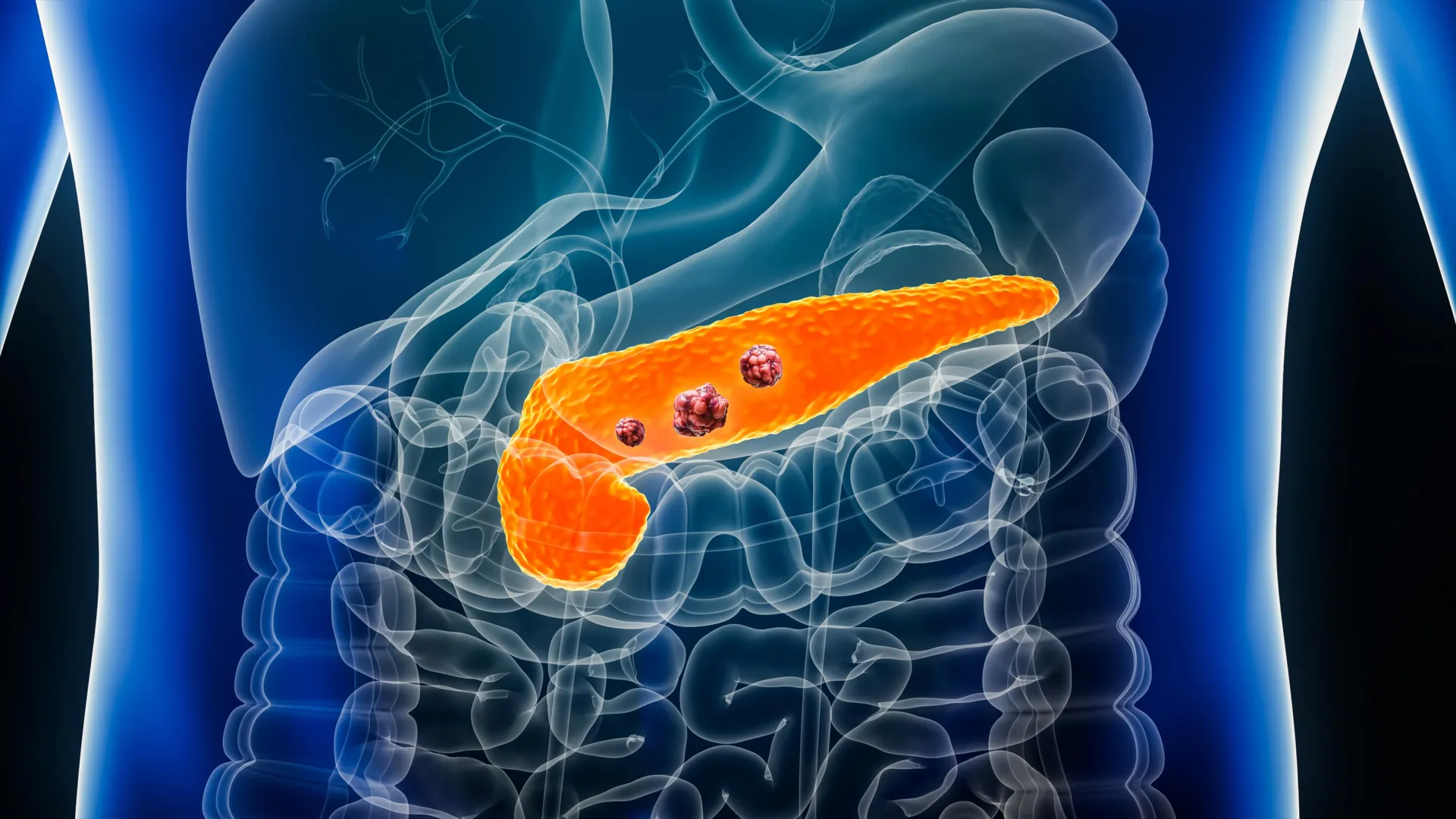
A groundbreaking artificial intelligence model, dubbed Radiomics-based Early Detection MODel (REDMOD), has demonstrated an unprecedented ability to identify extremely subtle changes in pancreatic tissue indicative of cancer, long before the disease becomes apparent to human doctors or conventional imaging technologies. This significant development, detailed in research published online in the esteemed journal Gut, marks a pivotal moment in the fight against pancreatic ductal adenocarcinoma (PDAC), the most prevalent and deadliest form of pancreatic cancer. The system’s capacity to detect early signs of the disease, potentially at its earliest, most treatable "stage 0," could fundamentally transform patient outcomes, offering a glimmer of hope where historically there has been little.
The Silent Killer: The Urgency of Early Pancreatic Cancer Detection
Pancreatic cancer remains one of oncology’s most formidable adversaries, largely due to its insidious nature and resistance to early detection. Pancreatic ductal adenocarcinoma accounts for over 90% of all pancreatic cancer cases and holds one of the lowest survival rates among all major cancers, with a 5-year survival rate of merely 12% in the United States, according to the American Cancer Society. Globally, it is projected to become the second leading cause of cancer-related death by 2030. The primary reason for this grim statistic is that the disease typically presents with few, if any, noticeable symptoms in its nascent stages. When symptoms do emerge, such as unexplained weight loss, jaundice, or new-onset diabetes, the cancer has often already progressed to an advanced, metastatic stage, making curative treatment virtually impossible.
The pancreas, a vital organ nestled deep within the abdomen, is responsible for producing digestive enzymes and hormones like insulin. Its anatomical location, surrounded by other organs and bone, makes it challenging to image effectively. Standard medical imaging techniques like conventional computed tomography (CT) scans, magnetic resonance imaging (MRI), and ultrasound are often insufficient to discern the microscopic tissue alterations that characterize early-stage pancreatic cancer. These changes are simply too subtle for the human eye or even current automated software to register reliably. The rapid progression of PDAC, often advancing from a localized lesion to metastatic disease within months, further amplifies the critical need for timely diagnosis. Current screening strategies are primarily limited to individuals with strong family histories or known genetic predispositions, leaving the vast majority of sporadic cases undetected until it’s too late. This technological gap has long been a source of frustration for clinicians and a death sentence for countless patients.
REDMOD: Leveraging AI to Uncover the Unseen
To address these profound challenges, researchers developed REDMOD, an advanced artificial intelligence framework grounded in the principles of radiomics. Radiomics is an emerging field that extracts a vast number of quantitative features from medical images using advanced algorithms. These features, often imperceptible to the human eye, describe the texture, shape, and intensity variations within tissues. By analyzing these extremely fine patterns in the texture of pancreatic tissue from routine CT scans, REDMOD can identify imaging signatures that correspond to nascent cancerous changes.
Unlike traditional image analysis, which relies on qualitative interpretation, REDMOD employs a sophisticated computational approach. The system automatically identifies and outlines the pancreas within a CT scan, meticulously separating it from adjacent organs and tissues. This automation is crucial; it eliminates the variability and potential inconsistencies that can arise when human specialists manually delineate organ boundaries—a labor-intensive and subjective task. By standardizing this initial step, REDMOD ensures a consistent and precise analysis of the pancreatic parenchyma, enhancing the reliability of its diagnostic output. This technological leap allows the AI to delve into the sub-visual realm of medical imaging, where the earliest whispers of disease often reside.
A Retrospective Revelation: AI Finds Hidden Signals Years Before Diagnosis
The validation of REDMOD’s capabilities involved a rigorous retrospective study, examining abdominal CT scans from a substantial cohort of patients. The research team analyzed images from 219 patients who were eventually diagnosed with pancreatic cancer, sourced from multiple hospitals. Critically, at the time these scans were originally taken, experienced radiologists had found no evidence of pancreatic cancer, deeming the pancreases "normal." This highlights the challenge of early detection and underscores the potential of REDMOD to identify what was previously invisible.
The scans were obtained at varying intervals prior to the patients’ eventual clinical diagnoses. For 87 patients (40% of the cohort), the images were acquired between 3 and 12 months before diagnosis. Another 76 patients (35%) had their scans 12 to 24 months before diagnosis, while 56 patients (25%) underwent imaging more than 24 months earlier, extending up to approximately three years pre-diagnosis. This broad temporal window allowed researchers to assess REDMOD’s ability to predict cancer far in advance. The study also noted that in nearly two-thirds (64%) of these patients, the cancer developed in the head of the pancreas, a common location for PDAC.
To ensure the robustness of their findings, the researchers compared these images with CT scans from 1,243 individuals who remained free of pancreatic cancer for up to three years following their scans. This comparison group was meticulously matched according to key demographic factors such as age, sex, and the dates their scans were performed, minimizing confounding variables. The patient cohort that eventually developed pancreatic cancer had an average age of 69, with a range from 34 to 88 years. The comparison group exhibited similar demographics, with an average age of 64 and the same age range, ensuring a balanced comparison.
The results were compelling: REDMOD successfully identified subtle imaging signatures associated with pancreatic cancer an average of 475 days—over 15 months—before patients received their clinical diagnoses. These early warning signs had unequivocally gone undetected during routine radiological assessments performed by human experts at the time. This "temporal window," as highlighted by the researchers, holds "profound significance," as attaining such early detection would "substantially augment the probability of cure and improved survival." They further emphasized, citing modeling studies, that "increasing the proportion of localized [pancreatic ductal carcinomas] from 10% to 50% would more than double survival rates, thereby underscoring that the timing of diagnosis is the single most critical determinant of survival outcomes."
AI’s Superior Performance: Outclassing Human Expertise
Beyond merely detecting signs earlier, REDMOD demonstrated a remarkable superiority over experienced human radiologists in recognizing these nascent cancer signals. The AI achieved a sensitivity of 73%, a measure of how effectively a diagnostic method identifies individuals who truly have the disease without missing genuine cases. In stark contrast, the sensitivity for human radiologists was only 39%. This nearly twofold difference underscores the AI’s advanced capability to discern subtle patterns that elude the human eye.
The disparity in performance became even more pronounced when the researchers focused on scans taken more than two years before the patients received their diagnoses. In these particularly challenging cases, REDMOD achieved an impressive detection rate of 68%, nearly three times higher than the 23% recorded by radiologists. This indicates the AI’s exceptional proficiency in identifying ultra-early changes, which are often the most difficult to spot.
Furthermore, the researchers rigorously assessed REDMOD’s ability to correctly classify scans from individuals without pancreatic cancer. In an independent group of 539 patients from various hospitals, the AI correctly identified just over 81% of scans as cancer-free. Its performance was even better on the publicly available US National Institutes of Health NIH-PCT dataset, comprising 80 patients, where it correctly identified 87.5% as free of pancreatic cancer. This high specificity is crucial to minimize false positives, which can lead to unnecessary anxiety and invasive follow-up procedures for healthy individuals.
Additional testing reinforced the consistency and reliability of REDMOD’s early warning signs. When researchers analyzed scans taken from the same patients several months apart, the system produced matching results in 90% to 92% of cases. This high degree of consistency strengthens the evidence that REDMOD is indeed identifying meaningful, stable changes associated with the development of pancreatic cancer, rather than random fluctuations or imaging artifacts.
The Broader Landscape: AI’s Growing Role in Medical Imaging
The success of REDMOD is part of a larger trend witnessing artificial intelligence increasingly integrated into medical diagnostics. AI-powered tools are already making inroads in fields such as ophthalmology (detecting diabetic retinopathy), dermatology (identifying skin cancer), and cardiology (analyzing ECGs and cardiac images). In radiology, AI algorithms are being developed to assist with everything from triaging urgent cases to quantifying disease burden in conditions like Alzheimer’s or multiple sclerosis. The promise of AI lies in its ability to process vast amounts of data, identify complex patterns, and perform repetitive tasks with greater speed and consistency than humans.
However, the application of AI in early cancer detection, particularly for a disease as elusive as pancreatic cancer, represents a significant leap forward. While other AI models have shown promise in identifying established tumors, REDMOD’s capacity to detect "stage 0" changes—effectively pre-cancerous or very early invasive lesions—is truly transformative. It moves AI from merely assisting in diagnosis to potentially enabling preventative or early curative interventions.
From Research to Clinic: The Path Forward and Remaining Questions
Despite these profoundly promising findings, the researchers prudently caution that several questions remain unanswered before REDMOD can be introduced into routine medical care. One significant limitation noted is the study population’s lack of sufficiently diverse ethnic backgrounds. This demographic constraint could impact the technology’s generalizability and performance across different global populations, underscoring the need for broader testing.
Crucially, the system must undergo rigorous prospective testing. This involves deploying REDMOD in real-time clinical settings, particularly among individuals identified as being at increased risk for pancreatic cancer. This includes patients experiencing unexplained weight loss, new-onset diabetes without typical risk factors (such as obesity), or those with a family history of the disease. Prospective validation is paramount to confirm its clinical utility and ensure its efficacy in everyday practice, where factors like varying image quality and diverse patient presentations can influence outcomes. Regulatory approval processes will also be extensive, requiring robust evidence of safety, efficacy, and clinical benefit.
Integrating such a system into existing healthcare workflows presents its own set of challenges, from technical infrastructure requirements to training radiologists and other medical staff on its use and interpretation. Ethical considerations, including the potential for false positives (leading to unnecessary anxiety and invasive follow-up) or false negatives (providing a false sense of security), also need careful management and ongoing scrutiny. Data privacy and the secure handling of sensitive patient information will be paramount.
A New Horizon for Pancreatic Cancer Patients
Even with these acknowledged limitations and the need for further validation, the findings from the REDMOD study represent a monumental stride towards revolutionizing pancreatic cancer detection. The potential to identify the disease while it is still localized and highly treatable offers a tangible hope for improving survival rates for patients who would otherwise receive a late, often terminal, diagnosis. This shift from a reactive, symptomatic diagnosis to proactive, pre-clinical interception could save countless lives and dramatically improve the quality of life for those affected.
The researchers conclude with an emphatic statement: "This study validates REDMOD as a fully automated AI framework capable of identifying the imaging signatures of stage 0 [pancreatic ductal adenocarcinoma] in normal pancreas, achieving this with substantial lead times and performance superior to expert radiologists." They further assert, "While prospective validation is paramount to confirm clinical utility, the REDMOD framework represents a significant advance towards shifting the paradigm for sporadic [pancreatic ductal adenocarcinoma] from a late-stage symptomatic diagnosis to proactive pre-clinical interception, offering tangible hope for improving outcomes in this challenging disease."
This research heralds a new era in oncology, where artificial intelligence acts not just as an assistant, but as a vanguard, peering into the body’s hidden signals to unmask disease before it takes hold. For pancreatic cancer patients and their families, REDMOD offers a powerful beacon of hope in what has long been a dark and unforgiving landscape. The journey from breakthrough research to widespread clinical adoption is often long and arduous, but the potential rewards—thousands of lives saved—make it a journey well worth undertaking.
