
 By George Ongkojoyo
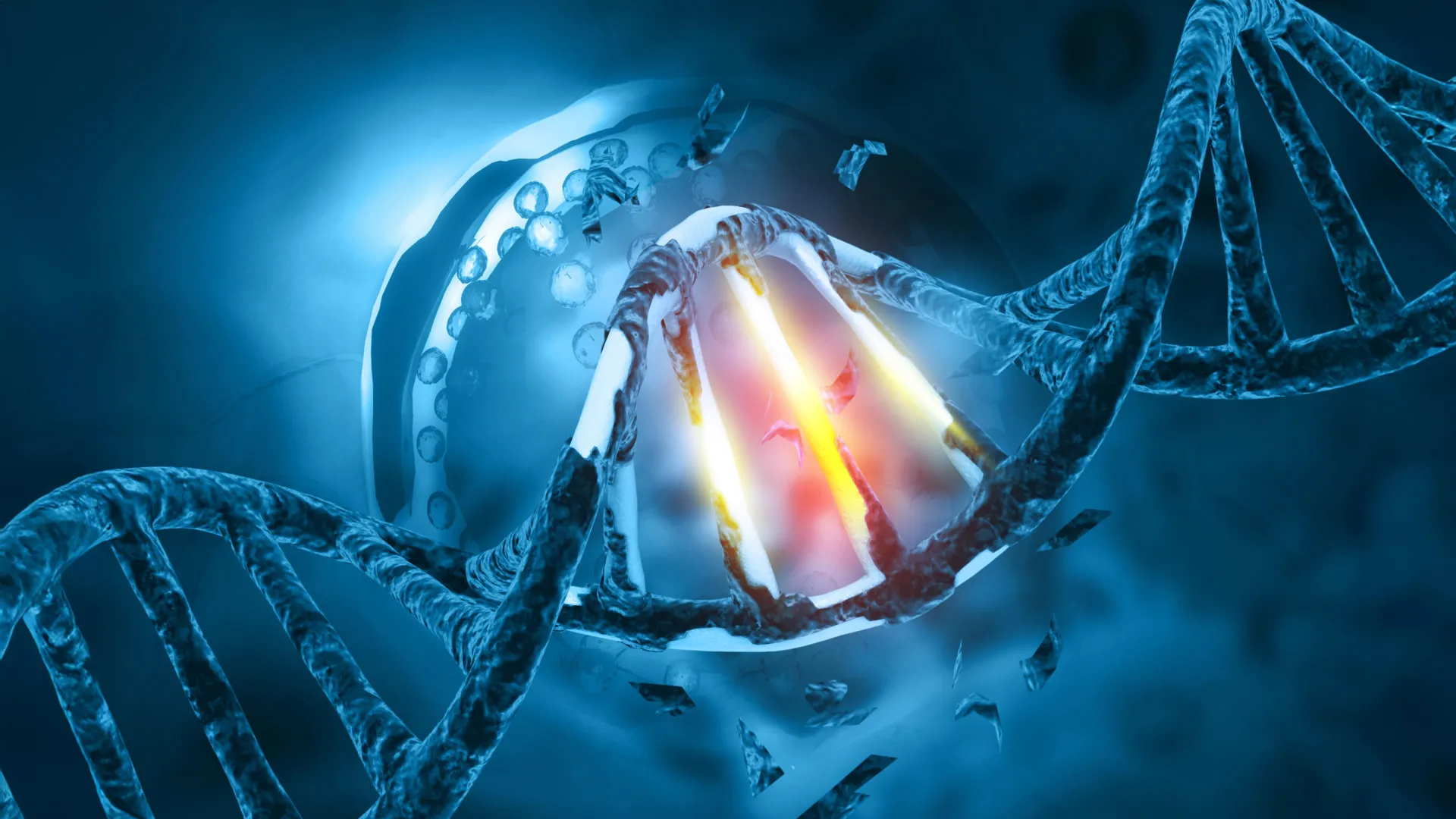
The human biological system relies on a sophisticated network of tumor suppressor genes, often characterized as the body’s primary defense mechanism against the onset of malignancy. These genes are responsible for the synthesis of proteins that monitor, maintain, and repair the integrity of DNA, ensuring that the genetic blueprint remains stable across generations of cell division. Under normal physiological conditions, these proteins identify and rectify the inevitable errors that occur during DNA replication, thereby preventing the accumulation of harmful mutations that lead to oncogenesis. However, a groundbreaking study from the Penn State College of Medicine has revealed a paradoxical reality: while the absence or malfunction of these repair proteins is a known driver of cancer, an overabundance of certain repair factors can be equally catastrophic for genomic stability.
Researchers led by George-Lucian Moldovan, a professor of molecular and precision medicine, have identified that the gene EXO1 (Exonuclease 1) acts as a double-edged sword. While its primary function is to assist in DNA maintenance, its overexpression—found in a significant percentage of various cancers—can lead to the systematic breakdown of genetic material. This discovery, recently published in the journal Nature Communications, suggests that excessive EXO1 activity mimics the effects of high-risk genetic mutations, such as those found in the BRCA1 and BRCA2 genes, even when those genes are functioning perfectly. The implications of this research are far-reaching, offering a potential new biomarker for identifying patients who may benefit from specialized chemotherapy treatments that were previously reserved for a narrow subset of the population.
The Mechanistic Paradox: When Repair Becomes Destruction
The fundamental role of EXO1 in the cell is to act as a set of "molecular scissors." In a healthy cellular environment, these scissors are highly regulated, performing precise cuts to trim damaged DNA strands so that they can be correctly re-synthesized. This process is essential for mismatch repair and the stabilization of replication forks—the structures formed when DNA unzips to copy itself.
However, the Penn State research team found that when EXO1 is overproduced, this regulation fails. Instead of performing targeted repairs, the excess protein begins to indiscriminately degrade DNA structures that are vital for cell survival. The study highlights two primary pathways through which this damage occurs: the expansion of single-stranded DNA gaps and the degradation of "reversed replication forks." These forks are temporary structures that form when DNA replication encounters an obstacle; if they are degraded by EXO1, the cell loses critical genetic information and experiences localized genomic erosion.
Lead author Alexandra Nusawardhana, who recently completed her doctorate in biomedical sciences at Penn State, noted that the accumulation of these "toxic lesions"—specifically double-strand breaks—is what eventually leads to genomic instability. This instability is a hallmark of cancer, providing the genetic diversity that allows tumors to grow, adapt, and resist treatment. Paradoxically, it is this very instability that may also serve as the tumor’s "Achilles’ heel," rendering it more susceptible to certain types of DNA-damaging therapies.
The Discovery of "BRCAness" in Non-Mutated Cells
One of the most significant findings of the study is the relationship between EXO1 and the BRCA pathway. Mutations in the BRCA1 and BRCA2 genes are well-documented risk factors for hereditary breast and ovarian cancers. These genes normally produce proteins that protect DNA during the replication process. When they are mutated, the cell loses its ability to safeguard its genome, a state often referred to as "BRCAness."
The research team discovered that cancer cells with unusually high levels of EXO1 behave almost identically to BRCA-mutant cells. Even in the absence of any inherited or acquired BRCA mutations, the sheer volume of EXO1 protein overwhelms the cell’s protective mechanisms. The study revealed that EXO1 works in tandem with another protein, MRE11, to create large gaps in the DNA and generate dangerous breaks.
"Mechanistically, this overexpression does exactly what the loss of the BRCA pathway does in BRCA-mutant tumor cells," Professor Moldovan explained. This finding is crucial because it suggests that a much larger population of cancer patients—beyond those with BRCA mutations—might exhibit the same clinical vulnerabilities. While BRCA mutations are often inherited and used to predict cancer risk, EXO1 overexpression is generally an acquired trait within the tumor itself. While it does not necessarily predict who will develop cancer, it serves as a critical indicator of how a tumor will behave once it exists.
Prevalence Across Multiple Cancer Types
To determine the prevalence of EXO1 overexpression, the research team conducted an extensive analysis of data from The Cancer Genome Atlas (TCGA), a comprehensive genomics program managed by the National Cancer Institute. Their analysis revealed that EXO1 is not merely an isolated factor in a few cases but is overexpressed in approximately 20% to 30% of breast and ovarian cancers.
The study further identified elevated EXO1 levels in a diverse array of other malignancies, including:
- Melanoma: A lethal form of skin cancer.
- Hepatobiliary Cancers: Cancers affecting the liver, gall bladder, and bile ducts.
- Testicular Cancer.
- Cervical Cancer.
Notably, the researchers found a strong correlation between high EXO1 levels and basal-like breast cancer, an particularly aggressive subtype often referred to as "triple-negative" breast cancer. This subtype is known for its poor prognosis and limited treatment options compared to hormone-receptor-positive breast cancers. The identification of EXO1 as a driver of genomic instability in these tumors provides a much-needed target for future therapeutic intervention.
Therapeutic Implications and the Shift to Precision Medicine
The discovery that EXO1-overexpressing tumors mimic BRCA-mutant tumors led the researchers to investigate whether they would respond to the same pharmacological treatments. They focused on a class of drugs known as PARP inhibitors, specifically olaparib. PARP inhibitors work by blocking an enzyme that helps repair DNA; in cells that already have compromised repair pathways (like those with BRCA mutations or, as discovered, high EXO1), the drug causes so much DNA damage that the cancer cell dies—a concept known as synthetic lethality.
In laboratory experiments using human cancer cell lines, the researchers found that tumors with elevated EXO1 were highly sensitive to olaparib. The response was comparable to that seen in BRCA-mutant cancers. This suggests that the eligibility for PARP inhibitor therapy could be significantly expanded to include the 20-30% of patients whose tumors overexpress EXO1, regardless of their BRCA status.
Furthermore, the study found that high EXO1 levels increased sensitivity to cisplatin, a common chemotherapy agent. Cisplatin works by cross-linking DNA, preventing cells from replicating. Because EXO1-overexpressing cells already have weakened DNA structures, the researchers believe that lower doses of cisplatin could be used to achieve the same therapeutic effect, potentially reducing the severe side effects associated with the drug, such as kidney damage and hearing loss.
"We shouldn’t treat cancers based on what tissue they come from but based on the landscape of the genetic mutations present in the tumors," Moldovan stated. "That would result in high-efficiency treatment. That’s the future of cancer treatment."
Chronology and Methodology of the Research
The study’s conclusions are the result of a multi-stage investigative process that combined bioinformatics with rigorous laboratory experimentation.
- Bioinformatics Phase: The researchers began by mining the TCGA database to identify genes that were consistently upregulated across various cancer types. This led them to EXO1, which showed a clear pattern of overexpression in aggressive tumor profiles.
- Cellular Modeling: Using commercially available human cancer cell lines, the team artificially increased EXO1 production to observe its effects on the genome. To ensure that the damage was caused by the protein’s biochemical activity and not just its physical presence, they created a "dead" version of the protein that was structurally identical but lacked its "cutting" ability. This control group confirmed that the DNA degradation was a direct result of EXO1’s enzymatic function.
- Mechanistic Identification: Through advanced imaging and molecular assays, the team identified the specific interaction between EXO1 and MRE11 and tracked the degradation of replication forks and the formation of single-stranded gaps.
- Pharmacological Testing: Finally, the team applied olaparib and cisplatin to these engineered cells, documenting the increased rate of cell death in EXO1-high environments compared to control groups.
Broader Impact on Oncology
The Penn State study contributes to a growing body of evidence supporting "tumor-agnostic" treatments—therapies that target specific genetic markers rather than the organ where the cancer originated. By identifying EXO1 as a biomarker for "BRCAness," the research provides a roadmap for clinical trials that could change the standard of care for thousands of patients.
The work was supported by the National Institutes of Health (NIH) and Four Diamonds, a foundation dedicated to childhood cancer research. Claudia Nicolae, assistant professor of molecular and precision medicine at Penn State, also played a key role in the study.
As the oncology community moves toward more personalized medicine, the ability to screen tumors for EXO1 levels could become a routine part of diagnostic pathology. For patients with aggressive cancers like basal-like breast cancer or hepatobiliary tumors, this could mean access to more effective, less toxic treatments, marking a significant step forward in the fight against genomic instability and its deadly consequences. The research team is now preparing for the next phase of their work, with the ultimate goal of initiating clinical trials to validate these findings in human subjects.
