
 By Hendra Lukman
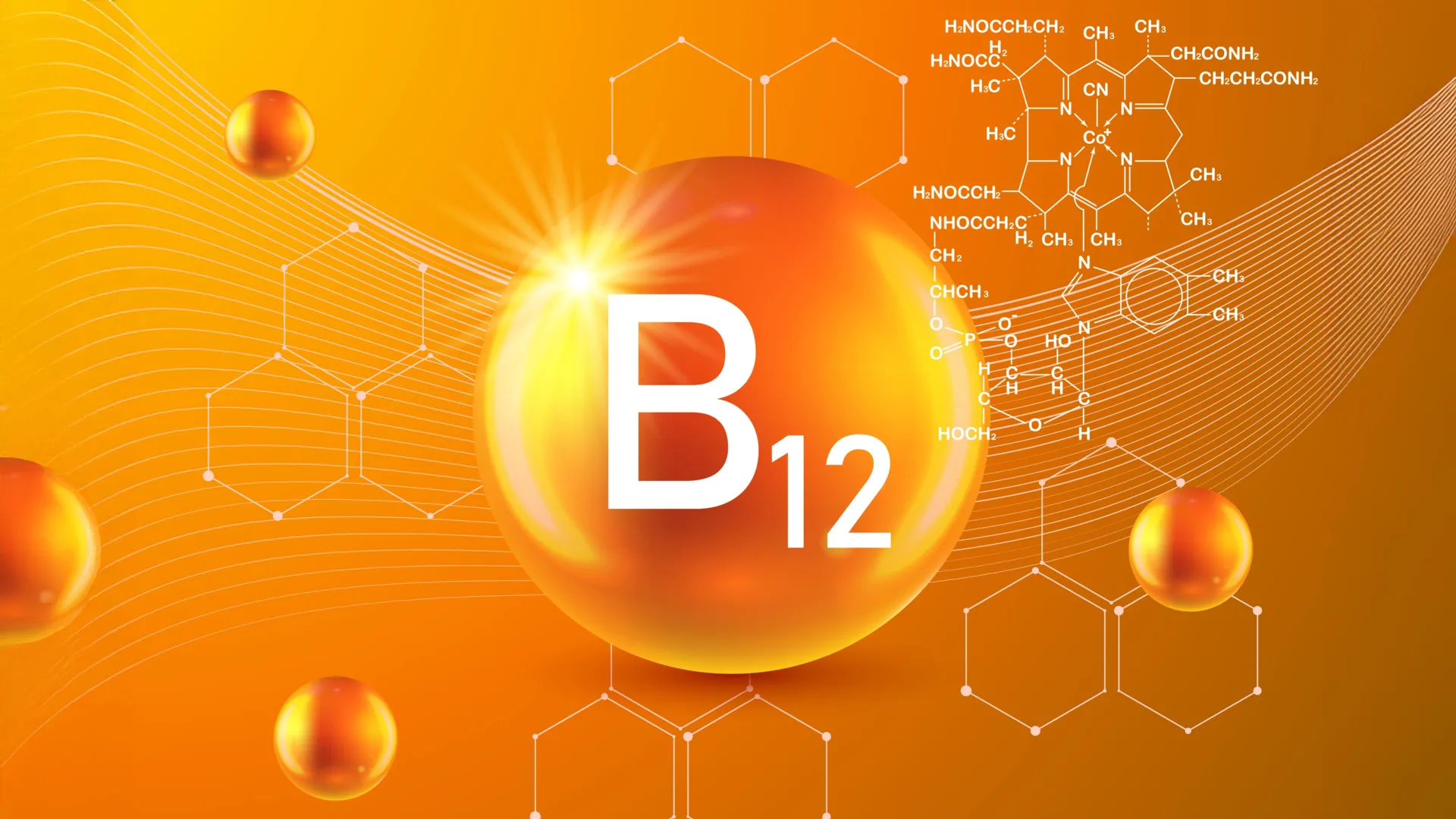
Scientists have achieved a significant breakthrough in sustainable nutrition, successfully cultivating Spirulina that produces biologically active vitamin B12 at levels comparable to beef. This development has the potential to overcome a major nutritional hurdle for the widely promoted algae, paving the way for a more accessible and environmentally friendly source of this crucial micronutrient. The research, detailed in the latest issue of the scientific journal Discover Food, represents a pivotal moment in the quest for sustainable food solutions, addressing a global deficiency with profound public health implications.
A Landmark Discovery in Algal Biotechnology
The pioneering research was spearheaded by Dr. Asaf Tzachor, Founder and Academic Director of the Aviram Sustainability and Climate Program at Reichman University, in collaboration with a multidisciplinary team of researchers from institutions in Iceland, Denmark, and Austria. Leveraging advanced biotechnology and meticulously controlled photonic environments, the team has engineered a method to cultivate Spirulina that not only thrives as a carbon-neutral, nutrient-rich biomass but also actively synthesizes biologically active vitamin B12. This marks the first documented instance of biologically active vitamin B12 being produced by Spirulina, a finding that could reshape dietary recommendations and food production strategies worldwide.
Vitamin B12, also known as cobalamin, is indispensable for human health. It plays a critical role in numerous physiological processes, including the formation of red blood cells, neurological function, and DNA synthesis. Despite its vital importance, vitamin B12 deficiency is a widespread global health concern, affecting an estimated over one billion people. This deficiency can lead to serious health issues such as pernicious anemia, fatigue, neurological damage, and cognitive impairment.
Traditionally, animal-based products like meat, poultry, fish, and dairy have been the primary dietary sources of vitamin B12 for a significant portion of the global population. The recommended daily intake for adults is approximately 2.4 micrograms (µg). However, meeting this demand through conventional animal agriculture presents considerable environmental challenges. The vast land and water resources required, coupled with greenhouse gas emissions, contribute to deforestation, water pollution, and climate change. This ecological footprint has amplified the urgency to identify and scale up sustainable alternatives.
Spirulina (Arthrospira platensis), a blue-green algae, has long been lauded for its impressive nutritional profile, boasting high levels of protein, vitamins, minerals, and antioxidants, all while requiring relatively minimal resources for cultivation. Its potential as a sustainable food source has been extensively explored. Yet, a significant limitation has historically hindered its widespread adoption as a reliable B12 supplement: the presence of "pseudo-vitamin B12." While chemically similar to the active form of vitamin B12, these analogues are largely inactive and poorly absorbed by the human body, rendering conventional Spirulina ineffective as a substitute for animal-sourced B12.
Harnessing Light: The Key to Bioactive Vitamin B12
The groundbreaking solution emerged from an exploratory study conducted by researchers from Reichman University, the University of Natural Resources and Life Sciences, Vienna, Ruppin Academic Center, the Danish Technological Institute, and MATIS, Iceland. Their investigation focused on a cutting-edge biotechnology platform developed by VAXA Technologies in Iceland. This platform’s core innovation lies in its sophisticated approach to "photonic management"—the precise control of light conditions during Spirulina cultivation.
By meticulously manipulating the light spectrum and intensity, the research team successfully induced the Spirulina to produce significant quantities of biologically active vitamin B12. This targeted approach bypasses the issue of pseudo-vitamin B12, ensuring that the vitamin produced is readily bioavailable and beneficial to human health. Beyond its vitamin B12 content, the cultivated Spirulina also exhibited enhanced levels of other beneficial bioactive compounds, including potent antioxidants, anti-inflammatory agents, and immune-boosting properties, further underscoring its potential as a comprehensive nutritional supplement.
The results were striking: the carbon-neutral Spirulina biomass produced through this method contained an impressive 1.64 µg of active vitamin B12 per 100 grams. This figure is directly comparable to, and in some cases exceeds, the vitamin B12 content found in beef, which typically ranges from 0.7 to 1.5 µg per 100 grams.
Dr. Asaf Tzachor emphasized the significance of these findings, stating, "The findings demonstrate that photosynthetically controlled Spirulina can produce desirable levels of active vitamin B12, offering a sustainable alternative to traditional animal-source foods." This statement encapsulates the profound implications of the research for global food security and public health.
The Potential for Scaled Production and Global Impact
Beyond the laboratory, the research team delved into the potential for scaling up this innovative cultivation method to meet global demand. Their analysis explored scenarios where electricity, a crucial input for such biotechnological processes, could be reallocated. In Iceland, for instance, reallocating electricity currently utilized by heavy industry could potentially support the annual production of an estimated 277,950 tonnes of Spirulina biomass. This substantial output would yield approximately 4,555 grams of active vitamin B12 annually.
To contextualize this quantity, the researchers calculated that this amount of vitamin B12 could satisfy the recommended dietary allowance (RDA) for over 13.8 million children aged 1-3 years. More ambitious scaling projections suggest that even greater production capacities could be achieved, potentially meeting the RDA for over 26.5 million children aged 1-3 and more than 50 million infants aged 0-6 months. While these figures represent projections based on hypothetical scale-up scenarios rather than current production levels, they vividly illustrate the immense nutritional potential of this technology.
A New Era for Sustainable Nutrition and Biotechnology
The successful cultivation of vitamin B12-rich Spirulina represents a significant stride toward addressing vitamin B12 deficiency on a global scale, while simultaneously mitigating the environmental burden associated with conventional animal agriculture. This breakthrough underscores the transformative power of biotechnology in modifying the nutritional composition of microorganisms and other rapidly growing food sources. Instead of simply relying on the inherent nutritional properties of organisms like Spirulina, researchers are now actively engineering their growth conditions to optimize the production of specific, high-value compounds essential for human health.
This innovative approach moves beyond traditional food cultivation by employing a more sophisticated, interventionist strategy. By precisely controlling environmental factors such as light, researchers can guide biological processes within the Spirulina to yield desired nutritional outcomes. This paradigm shift signifies a move from passive cultivation to active bio-optimization, unlocking new possibilities for food science and sustainable resource utilization.
The findings are a testament to the growing understanding of how to manipulate biological systems for enhanced nutritional output. This opens avenues for similar biotechnological interventions with other microalgae and microbial food sources, potentially addressing deficiencies in other essential nutrients.
Broader Implications and Future Directions
The implications of this research extend far beyond the immediate concern of vitamin B12 deficiency. It signals a potential paradigm shift in how we approach food production and nutritional supplementation. As global populations continue to grow and the environmental impact of traditional food systems becomes increasingly apparent, innovative solutions like this become not just desirable but essential.
The successful implementation of this technology at a large scale could lead to:
- Reduced reliance on animal agriculture: A sustainable and potent source of vitamin B12 could decrease the pressure on land and resources currently dedicated to livestock farming, thereby reducing greenhouse gas emissions and deforestation.
- Improved global health outcomes: Widespread availability of bioavailable vitamin B12 could significantly reduce the incidence of deficiency-related diseases, particularly in vulnerable populations and regions where dietary diversity is limited.
- Enhanced food security: Spirulina’s rapid growth cycle and minimal resource requirements make it an ideal candidate for food production in diverse environments, including arid regions or areas with limited arable land.
- Economic opportunities: The development and scaling of this biotechnology could foster new industries and employment opportunities in sustainable food production and bio-manufacturing.
However, the path forward requires continued research and development. While the current findings are highly promising, larger-scale production trials are crucial to assess the economic viability and logistical feasibility of integrating this modified Spirulina into existing food supply chains. Further investigation into optimal cultivation methods, processing techniques, and consumer acceptance will be necessary to fully realize the potential of this breakthrough.
The establishment of the Aviram Sustainability and Climate Program at Reichman University, in partnership with the Aviram Foundation, highlights the commitment to addressing these complex global challenges. By training students from diverse disciplines, the program aims to foster innovative strategies for resource scarcity, climate change, and the interconnected crises in food, water, and energy. This research on Spirulina exemplifies the type of interdisciplinary collaboration and forward-thinking approach that will be vital in navigating the environmental and public health challenges of the 21st century.
In conclusion, the development of Spirulina capable of producing biologically active vitamin B12 at levels comparable to beef represents a monumental step towards a more sustainable and nutritionally secure future. It is a testament to scientific ingenuity and a beacon of hope for millions worldwide suffering from vitamin B12 deficiency, offering a plant-based, environmentally conscious solution that could redefine our relationship with food and nutrition.
