
 By Nana O
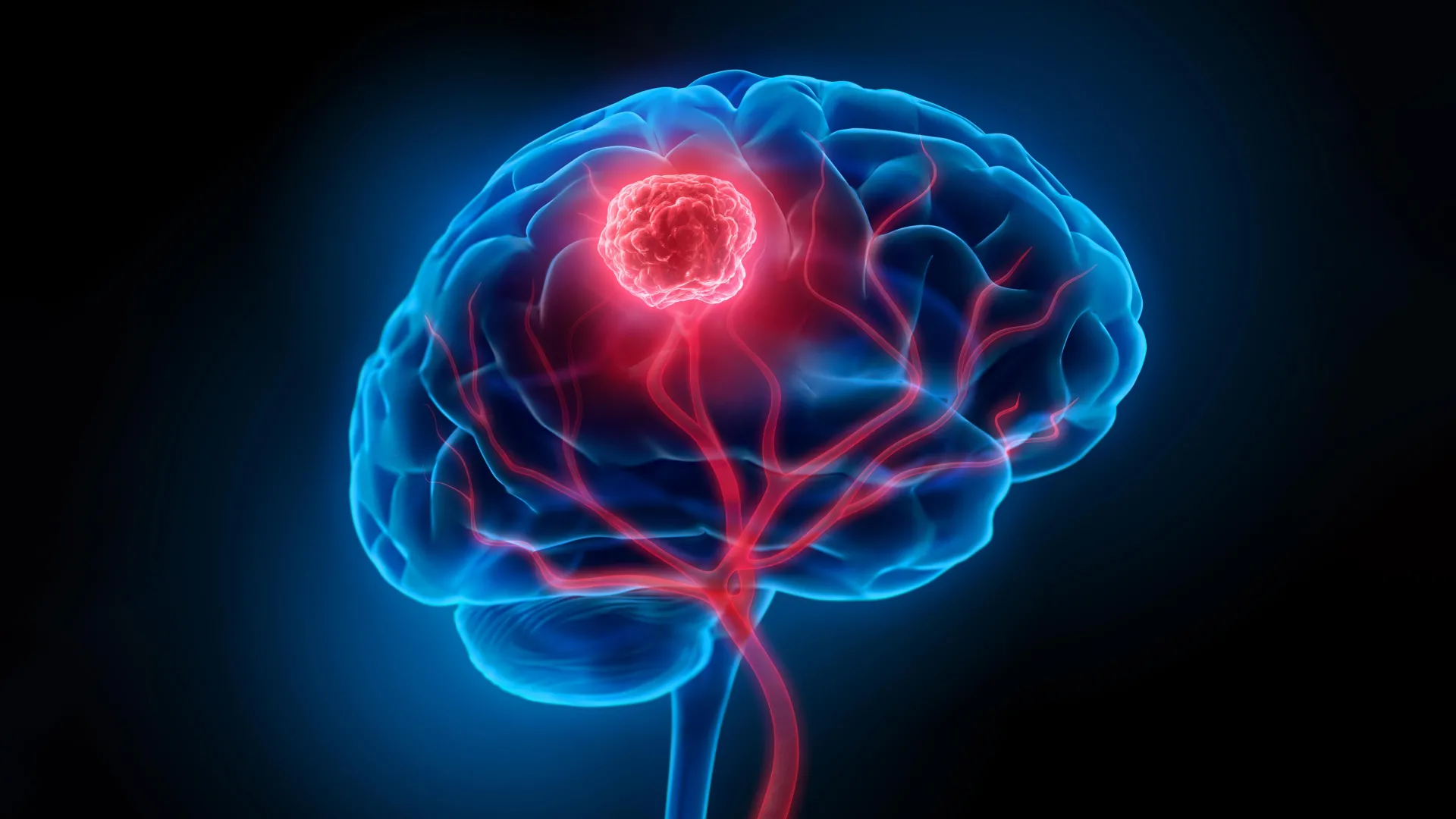
A groundbreaking study by Canadian researchers has illuminated a previously unrecognized mechanism by which glioblastoma, the most aggressive and notoriously difficult-to-treat form of brain cancer, thrives. The team has not only pinpointed a novel way to impede the growth of these devastating tumors but has also identified an existing drug, currently used to combat HIV, that could offer a new lifeline for patients with limited therapeutic options. This discovery, published in the esteemed journal Neuron, represents a significant stride in understanding and potentially treating a disease with a grim prognosis, where survival is often measured in mere months.
The core of this research lies in the surprising role of certain brain cells, previously thought to be exclusively supportive of normal neuronal function. These cells, the study reveals, can actively participate in fostering glioblastoma’s growth and facilitating its spread. They achieve this by transmitting specific signals that bolster the resilience and proliferative capacity of cancer cells. When scientists successfully disrupted this vital communication pathway in laboratory models, they observed a substantial reduction in tumor growth, underscoring the critical importance of this cellular crosstalk.
Unraveling the Glioblastoma Ecosystem
Glioblastoma is a formidable adversary, characterized by its rapid infiltration of healthy brain tissue and its inherent resistance to conventional treatments like surgery, radiation, and chemotherapy. Its diffuse nature makes complete surgical removal nearly impossible, and its genetic heterogeneity contributes to its tendency to develop resistance to therapies. The average survival rate for glioblastoma patients has remained stubbornly low for decades, hovering around 15 months, despite advancements in cancer research. This stark reality fuels the urgent need for innovative therapeutic strategies.
The research conducted by a collaborative effort between McMaster University and The Hospital for Sick Children (SickKids) in Toronto delves deep into the intricate "ecosystem" of glioblastoma. As Sheila Singh, co-senior author of the study and Professor of Surgery at McMaster University, aptly describes it, "Glioblastoma isn’t just a mass of cancer cells, it’s an ecosystem." This perspective shift is crucial, moving beyond a singular focus on the tumor cells themselves to acknowledge the complex interplay between cancer cells and their microenvironment.
The study’s co-first authors, Kui Zhai, a research associate in the Singh Lab at McMaster, and Nick Mikolajewicz, who was a postdoctoral fellow in the Moffat Lab at SickKids during the study, meticulously investigated the cellular interactions that fuel glioblastoma. Their work builds upon established knowledge that glioblastomas rely on interconnected networks of cells to sustain their growth. Previous research had demonstrated that interrupting these cellular connections could indeed slow the disease’s progression. However, the precise identity of the cellular players involved in facilitating this communication remained a critical question.
Oligodendrocytes: A Surprising Ally to Tumors
This new study has identified oligodendrocytes as key contributors to glioblastoma’s success. Oligodendrocytes are specialized glial cells in the central nervous system responsible for producing the myelin sheath, a fatty insulating layer that protects nerve fibers and allows for efficient electrical signal transmission. In healthy brain function, they are indispensable for rapid and effective communication between neurons.
However, the research found that under the influence of glioblastoma, these crucial support cells can undergo a significant behavioral change. Instead of solely fulfilling their neuroprotective role, they begin to actively support tumor growth and proliferation. The mechanism by which they do this is through a well-defined signaling system, establishing a dialogue with the glioblastoma cells. This communication creates an environment conducive to the tumor’s survival and expansion, effectively turning a vital component of the brain into an inadvertent accomplice.
The ramifications of this discovery are profound. By understanding that oligodendrocytes can be co-opted by glioblastoma, researchers gain a tangible target for therapeutic intervention. When the scientists experimentally blocked this signaling pathway between oligodendrocytes and cancer cells in laboratory models, they observed a significant deceleration in tumor growth. This experimental validation strongly suggests that disrupting this specific cellular communication is a viable strategy to impede glioblastoma progression.
Repurposing an HIV Drug: A Pathway to Hope
Perhaps the most compelling aspect of this research is the identification of a potential therapeutic agent. The study revealed that a crucial component of the signaling process between oligodendrocytes and glioblastoma cells involves a receptor known as CCR5. This receptor plays a significant role in various cellular processes, including immune responses and cell migration.
Crucially, CCR5 is already a well-established target for Maraviroc, an antiretroviral drug approved for the treatment of HIV infection. Maraviroc functions by binding to CCR5 on certain immune cells, preventing HIV from entering them and thereby controlling viral replication. The fact that Maraviroc targets this specific receptor means it could potentially be repurposed for glioblastoma treatment.
The potential for drug repurposing is particularly exciting in the context of glioblastoma. Developing entirely new drugs is a lengthy, expensive, and often high-risk endeavor. Existing drugs that have already undergone rigorous safety and efficacy testing for other conditions offer a more streamlined path to clinical application. If Maraviroc proves effective against glioblastoma, its established safety profile and availability could expedite its introduction as a novel treatment option for patients.
Jason Moffat, co-senior author of the study, Senior Scientist, and Head of the Genetics & Genome Biology program at SickKids, emphasized the significance of this finding: "The cellular ecosystem within glioblastoma is far more dynamic than previously understood. In uncovering an important piece of the cancer’s biology, we also identified a potential therapeutic target that could be addressed with an existing drug. This finding opens a promising path to explore whether blocking this pathway can speed progress toward new treatment options for patients."
Building on a Foundation of Discovery
This latest research is not an isolated breakthrough but rather an extension of a growing body of work by the Singh and Moffat labs. Their earlier investigation, published in Nature Medicine in 2024, shed light on another critical aspect of glioblastoma’s pathogenesis: its ability to exploit developmental pathways normally used for brain development to facilitate its own spread. Together, these studies converge on a new paradigm for glioblastoma research, one that prioritizes disrupting the intricate communication systems that tumors rely upon for survival and dissemination.
The broader implication of this research is a shift in how glioblastoma is conceptualized and treated. Instead of solely focusing on eradicating cancer cells directly, future therapeutic strategies may involve a multi-pronged approach that targets the supporting cellular environment. This could involve combinations of drugs that not only attack the tumor cells but also disarm their microenvironment, making it inhospitable for cancer growth and spread.
Funding and Support for Advanced Research
The research was generously supported by the 2020 William Donald Nash Brain Tumour Research Fellowship, underscoring the vital role of dedicated funding in advancing brain tumor research. Further support was provided by the Canadian Institutes of Health Research, a national agency dedicated to funding health research in Canada. Sheila Singh holds the prestigious Tier 1 Canada Research Chair in Human Cancer Stem Cell Biology, a testament to her significant contributions to the field. Jason Moffat holds the GlaxoSmithKline Chair in Genetics & Genome Biology at The Hospital for Sick Children, recognizing his leadership in genetic and genomic research.
Implications and Future Directions
The identification of oligodendrocytes as glioblastoma facilitators and the potential repurposing of Maraviroc carry significant implications for the future of brain cancer treatment.
Enhanced Therapeutic Strategies:
The discovery opens the door to developing combination therapies. Researchers could explore combining Maraviroc with existing glioblastoma treatments, potentially leading to synergistic effects that are more potent than monotherapy. Furthermore, this understanding could inform the development of novel drugs specifically designed to target the CCR5 receptor or other signaling pathways involved in oligodendrocyte-cancer cell communication.
Accelerated Drug Development:
The repurposing of Maraviroc offers a considerably faster route to clinical trials and potential patient access compared to de novo drug development. Regulatory bodies often expedite the review of repurposed drugs due to their existing safety data, potentially shaving years off the drug development timeline.
Improved Patient Outcomes:
For patients with glioblastoma, who currently face limited and often ineffective treatment options, this research offers a beacon of hope. The possibility of a new, accessible treatment could significantly improve quality of life and potentially extend survival.
Further Research Avenues:
This study also prompts further investigation into the precise molecular mechanisms by which oligodendrocytes are reprogrammed by glioblastoma. Understanding these intricate pathways could reveal additional therapeutic targets and lead to even more refined treatment strategies. Moreover, exploring whether other brain cell types can also be influenced by glioblastoma to support tumor growth warrants further investigation.
The Canadian research team’s work represents a significant leap forward in the fight against glioblastoma. By dissecting the complex cellular ecosystem of this devastating disease and identifying a readily available drug as a potential weapon, they have paved a promising new path toward improving outcomes for patients who desperately need it. The scientific community will undoubtedly be watching closely as this research progresses towards clinical validation, holding the potential to redefine glioblastoma treatment paradigms.
