
 By Lina carolina
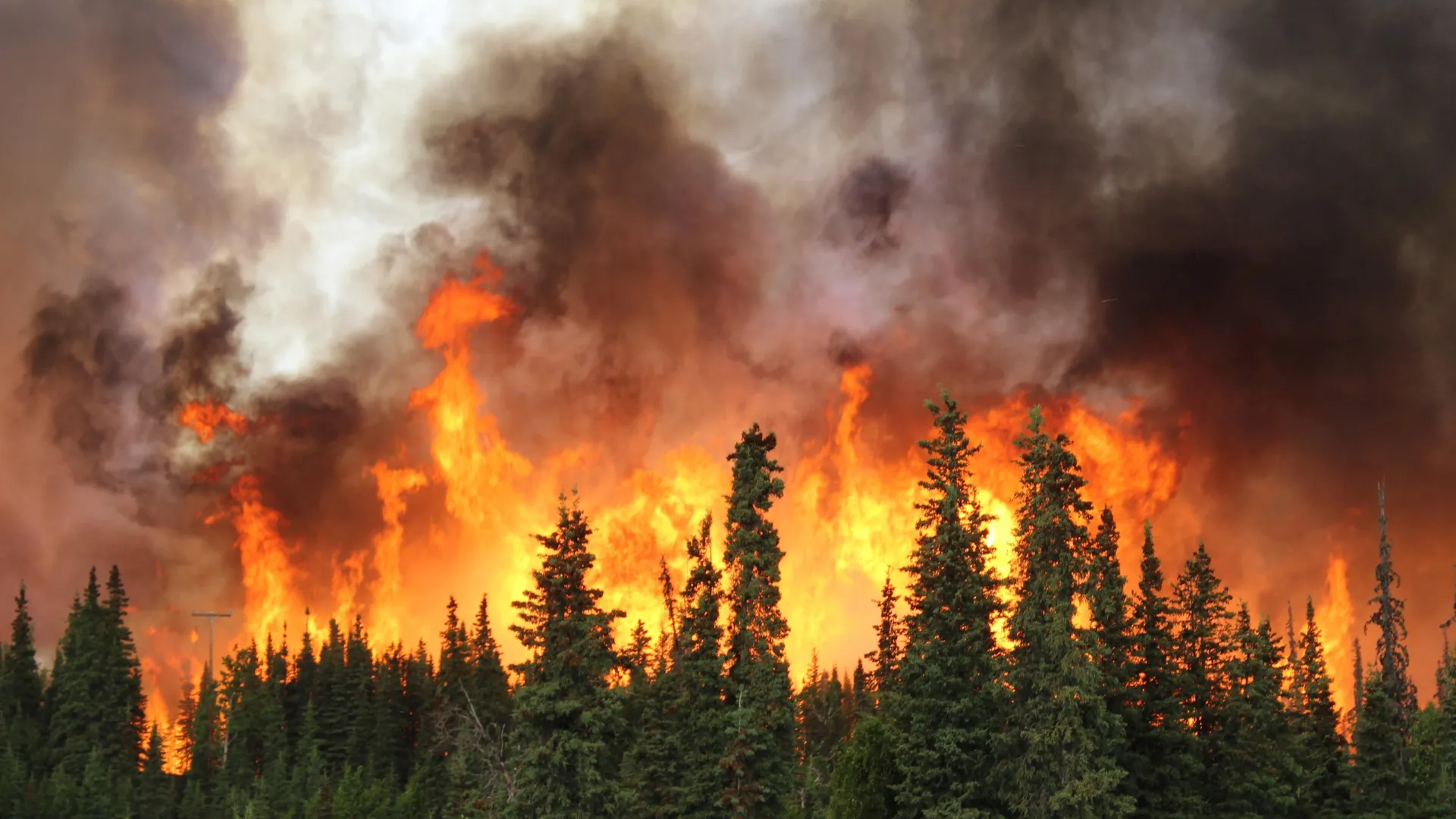
The encroaching haze from widespread wildfires burning across Canada and the Western United States has become a stark and recurring reality for millions of Americans. This "ashy haze," once a seasonal anomaly, is now a regular, pervasive experience, and its health impacts are proving to be far more profound and extensive than previously understood by the scientific community. Recent research from Stanford University paints a grim picture, projecting a significant surge in premature deaths and escalating economic damages directly attributable to wildfire smoke pollution in the coming decades, driven by the escalating impacts of climate change.
The Escalating Threat of Climate-Fueled Wildfires
While wildfires have historically been a natural and integral part of the Western United States’ ecological landscape, a confluence of factors, predominantly amplified by a warming planet, is fundamentally altering their nature. Warmer temperatures and prolonged periods of drought are creating ideal conditions for larger, more intense blazes that ignite with greater frequency and persist for extended durations. Consequently, the smoke plumes generated by these infernos are traveling farther and lingering longer than ever before, blanketing vast swathes of the continent.
A groundbreaking study published on September 18th in the prestigious journal Nature by researchers at Stanford University offers a stark quantitative forecast. Their analysis indicates that if global warming continues on its current trajectory, the United States could witness approximately 30,000 additional deaths each year by 2050. This surge in mortality is directly linked to the projected increases in climate-driven wildfire activity, which will inevitably lead to a more widespread and severe generation of smoke pollution across North America.
"There’s a broad understanding that wildfire activity and wildfire smoke exposure are changing quickly," stated Marshall Burke, senior author of the study and a professor of environmental social sciences in the Stanford Doerr School of Sustainability. "This is a lived experience, unfortunately, for folks on the West Coast over the last decade and folks on the East Coast in the last few years. Our paper puts some numbers on what that change in exposure means for health outcomes, both now and in the future as the climate warms."
The implications of this research extend beyond localized impacts. The Stanford team’s findings reveal a disturbing truth: no community in the U.S. is entirely insulated from the dangers of wildfire smoke exposure. When the economic ramifications of these projected deaths are quantified, the annual damages stemming from wildfire smoke could reach a staggering $608 billion by 2050, assuming a "business-as-usual" emissions scenario. This scenario anticipates global temperatures rising approximately 2 degrees Celsius above pre-industrial levels. This estimated economic toll alone surpasses current projections for the combined economic costs of all other climate-driven damages in the U.S., a category that includes temperature-related mortality, agricultural losses, and damage from severe weather events.
"What we see, and this is consistent with what others find, is a nationwide increase in wildfire smoke," affirmed lead study author Minghao Qiu, an assistant professor at Stony Brook University, who conducted this research as a postdoctoral scholar in Burke’s lab. "There are larger increases on the West Coast, but there’s also long-range transport of wildfire smoke across the country, including massive recent smoke events in the Eastern and Midwestern U.S. from Canadian fires."
The Uniquely Dangerous Nature of Wildfire Smoke Pollution
The lethality of wildfire smoke stems from its composition. It is not a singular pollutant but a complex and toxic cocktail of chemicals. Wildfires possess the capacity to expose vast populations to these harmful airborne agents for prolonged periods, often spanning days or even weeks. The study highlights a particularly concerning aspect: the health consequences can manifest up to three years after the initial exposure, indicating a lingering and insidious threat.
While scientists have extensively studied the health effects of fine particulate matter, commonly known as PM2.5, from various sources, the specific dangers posed by PM2.5 originating from wildfire smoke have remained less understood. Recent scientific inquiry, however, has begun to reveal that wildfire smoke can contain a diverse array of toxic chemicals that pose significant risks to human health. Qiu, Burke, and their research colleagues leveraged U.S. death records to meticulously assess these elevated risks associated with smoke exposure.
A Deep Dive into the Methodology and Findings
The researchers employed a sophisticated approach, integrating county-level mortality data from 2006 to 2019 with detailed measurements of ground-level smoke emissions, wind patterns, and the atmospheric movement of particulate matter. They utilized advanced machine learning algorithms to predict how changes in wildfire emissions in one region would subsequently influence smoke concentrations in other areas. By correlating these shifts in smoke concentrations with historical mortality variations, they were able to establish a direct link between smoke exposure and increased death rates. Furthermore, they incorporated global climate models to project future wildfire activity, anticipated smoke levels, and their subsequent health impacts under various warming scenarios extending to 2050.
The study’s projections are stark. Under a business-as-usual emissions scenario, the number of excess deaths attributable to smoke PM2.5 exposure is expected to rise by more than 70%. This translates to approximately 70,000 deaths annually, a significant increase from the roughly 40,000 annual deaths attributed to smoke during the 2011-2020 period. The geographical distribution of these projected increases is also noteworthy, with California anticipating the largest rise in annual smoke exposure deaths (5,060 additional deaths), followed by New York (1,810), Washington (1,730), Texas (1,700), and Pennsylvania (1,600). This data underscores the widespread and increasingly equitable distribution of this health hazard.
Understanding the Broader Climate Impacts
By meticulously quantifying the economic burden imposed by smoke-related mortality, the findings illuminate a significant, often overlooked, "hidden tax" levied upon families and businesses across the nation. The researchers’ analysis reveals a sobering reality: even if the global community embarks on aggressive emission reduction strategies to stabilize global temperatures below the critical 2°C threshold by the end of the century, deaths from climate-driven smoke exposure in the U.S. are still projected to exceed 60,000 per year by 2050.
"If you look at the leading climate impact assessment tools that are used to inform policy, none of them incorporate how changes in climate could influence wildfire smoke and related human mortality," emphasized Qiu. "Our study shows climate models are missing a huge part of the climate impacts in the U.S. – it’s like leaving the main character out of a movie." This statement highlights a critical gap in current climate policy and risk assessment frameworks.
A Timeline of Escalating Concern
The phenomenon of widespread, impactful wildfire smoke events is not entirely new, but its frequency and intensity have demonstrably increased in recent years, particularly within the last decade for the Western U.S.
- Early 2000s – Mid-2010s: While wildfires have always occurred, smoke events were often more localized and less persistent. The Western U.S. experienced significant fire seasons, but the long-range transport of smoke to the Eastern U.S. was less common and less severe.
- Mid-2010s – Present: A discernible shift began to occur. More frequent and intense heatwaves, coupled with drier conditions, fueled larger and more uncontrollable wildfires. Smoke plumes began to travel unprecedented distances, impacting communities far from the fire origins. Major events like the 2017 and 2018 California wildfire seasons brought severe smoke pollution to coastal cities.
- 2020s: The trend of widespread smoke pollution has continued and intensified. The summer of 2023, in particular, saw historic smoke events originating from Canadian wildfires that blanketed much of the Eastern and Midwestern United States, leading to unhealthy air quality advisories in major metropolitan areas like New York City, often reaching levels comparable to heavily polluted cities in Asia. This event served as a stark wake-up call for many communities that had previously considered wildfire smoke a distant problem.
This observable chronology underscores the increasing urgency of the situation and the need for immediate and comprehensive action.
A Shared Burden and Potential Mitigation Strategies
The growing threat of wildfire smoke pollution represents a shared burden, impacting individuals across the United States, regardless of their geographic proximity to the fires themselves. The vulnerability to these toxic plumes is also broader than initially assumed, extending beyond individuals with pre-existing respiratory conditions.
"Our understanding of who is vulnerable to this exposure is much broader than we thought," stated Burke. "It’s pregnant people, it’s kids in schools, it’s anyone with asthma, it’s people with cancer. We look at one specific health outcome in this study – mortality – and unfortunately find a shared burden of exposure for individuals across the U.S."
Official Responses and Community Actions
While the Stanford study highlights the severity of the problem, it also points towards potential avenues for mitigation. Public health officials and communities can implement strategies to lessen the impact of this growing threat.
- Improved Indoor Air Filtration: Investing in advanced indoor air filtration systems can significantly reduce exposure for vulnerable individuals and communities, particularly during periods of poor outdoor air quality. Public health campaigns promoting the use of HEPA filters and encouraging people to stay indoors during smoke events are crucial.
- Prescribed Burns and Forest Management: Implementing strategic prescribed burns and other proactive fuels management approaches can help reduce the intensity and spread of wildfires, thereby lessening the severity of resultant smoke waves. These practices, when carefully managed, can restore ecological balance while mitigating catastrophic fire events.
- Early Warning Systems and Public Communication: Enhancing and expanding early warning systems for smoke pollution, coupled with clear and accessible public communication strategies, can empower individuals to take necessary precautions. This includes disseminating real-time air quality data and providing guidance on protective measures.
- Policy and Research Investment: Governments and research institutions must prioritize funding for climate change mitigation and adaptation strategies, with a specific focus on understanding and addressing the impacts of wildfire smoke. This includes supporting further research into the long-term health effects of smoke exposure and developing innovative solutions for air quality management.
The findings from Stanford University, along with numerous other scientific studies, serve as a critical call to action. The escalating frequency and intensity of wildfires, driven by climate change, are no longer distant threats but present dangers with profound and far-reaching health and economic consequences. Addressing this challenge requires a multi-faceted approach, encompassing global efforts to combat climate change, robust community-level preparedness, and continued scientific inquiry to inform effective policy and protect public health. The "ashy haze" is a tangible manifestation of a larger environmental crisis, demanding an urgent and unified response.
