
 By Gabriel Paijo
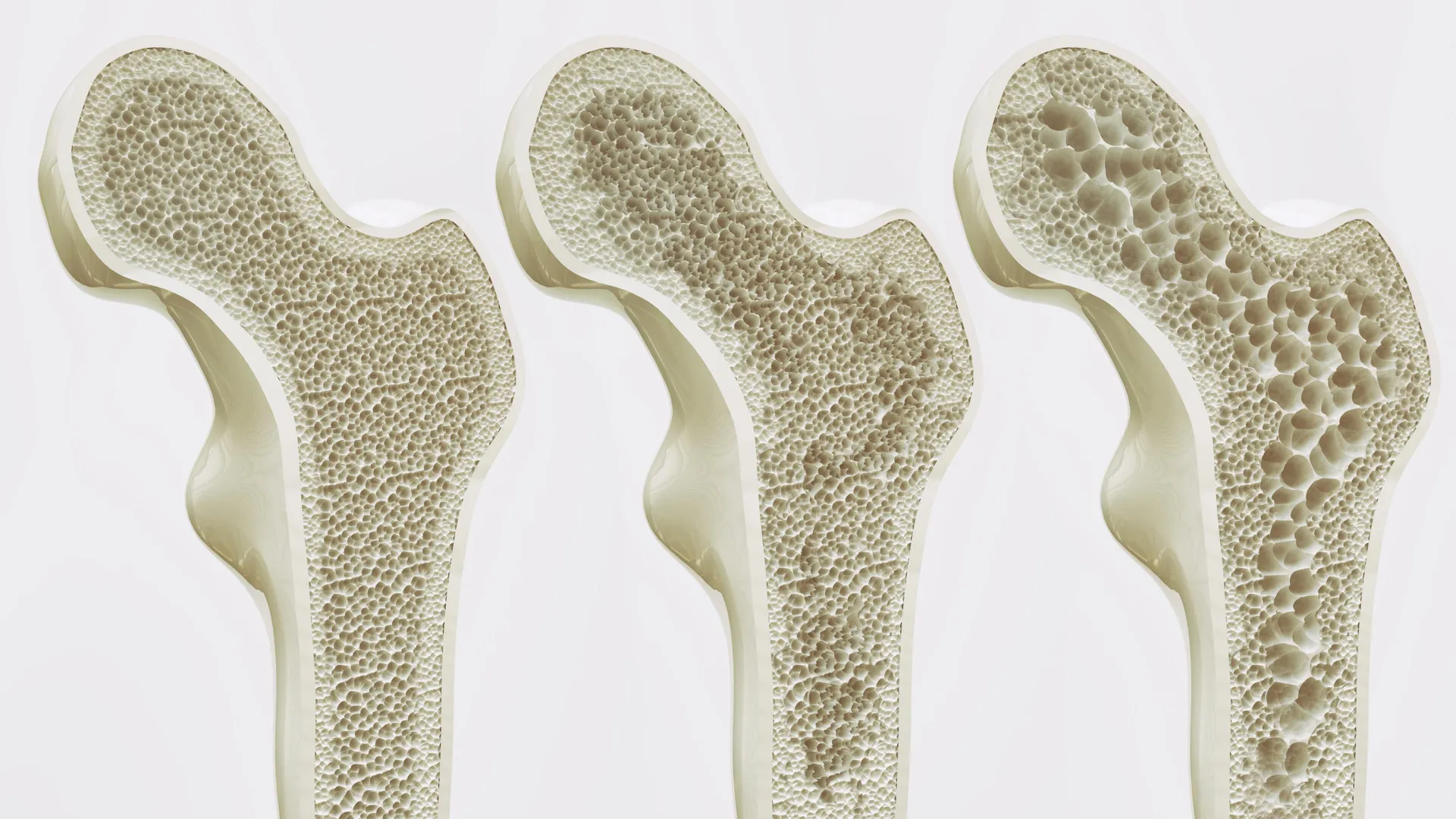
A comprehensive systematic review and meta-analysis published in the prestigious medical journal The BMJ has cast significant doubt on the efficacy of routine calcium and vitamin D supplementation for the prevention of falls and fractures in older adults. Despite decades of clinical guidelines recommending these supplements as a cornerstone of geriatric care, researchers found that for the vast majority of the aging population, these interventions provide little to no clinically meaningful protection. The study, led by a team of researchers in Canada, synthesized data from dozens of randomized controlled trials involving hundreds of thousands of participants, marking one of the most robust challenges to date against the prevailing medical orthodoxy regarding bone health supplements.
The findings come at a time when the use of vitamin D and calcium is at an all-time high. In many developed nations, these supplements are among the most commonly prescribed and self-selected over-the-counter products. However, the disconnect between biological theory—that calcium builds bone and vitamin D aids its absorption—and clinical reality has become increasingly apparent. This latest review suggests that while these nutrients are essential for human health, the act of supplementing them in pill form does not necessarily translate into the prevention of the traumatic injuries that frequently plague the elderly.
The Public Health Crisis of Geriatric Falls
To understand the weight of this study, one must consider the scale of the problem it addresses. Falls are not merely accidents in the elderly; they are a major public health crisis and a leading cause of morbidity and mortality. Statistics indicate that approximately one-third of adults aged 65 and older experience at least one fall annually. These incidents often trigger a "downward spiral" of health outcomes. A single fall can result in a hip fracture, an injury that carries a high risk of permanent disability.
Data from the Centers for Disease Control and Prevention (CDC) and similar international health bodies show that nearly 300,000 older people are hospitalized for hip fractures each year in the United States alone. The prognosis following such an injury is often grim; roughly 20% to 30% of patients die within one year of a hip fracture. For those who survive, the loss of independence is a frequent consequence, with many requiring long-term residential care. Beyond the human cost, the economic burden on healthcare systems is measured in tens of billions of dollars. Consequently, the search for effective preventative measures has been a primary focus of geriatric medicine for over half a century.
A Chronology of Bone Health Recommendations
The reliance on calcium and vitamin D supplements has deep historical roots. The discovery of vitamin D in the early 20th century revolutionized the treatment of rickets in children, establishing a firm link between the "sunshine vitamin" and skeletal integrity. By the mid-20th century, as life expectancy increased, medical attention shifted toward osteoporosis—a condition characterized by brittle bones in the elderly.
In the 1990s and early 2000s, several high-profile studies suggested that combined calcium and vitamin D supplementation could increase bone mineral density and reduce fracture risk. This led to a surge in clinical recommendations. By the 2010s, vitamin D testing became a routine part of primary care, and "deficiency" was frequently diagnosed based on escalating laboratory thresholds. However, as more rigorous, long-term data emerged, the evidence began to fracture. Recent large-scale trials, such as the VITAL study in the United States, failed to show that vitamin D supplementation reduced the risk of fractures in the general population. The new BMJ review serves as a definitive synthesis of this shifting evidentiary landscape.
Methodology of the BMJ Meta-Analysis
To resolve the lingering uncertainties, Canadian researchers conducted a systematic review of 69 randomized controlled trials (RCTs). These trials are considered the "gold standard" of medical evidence because they utilize a control group (receiving a placebo or no treatment) to isolate the effects of the intervention. The study pool was massive, encompassing 153,902 participants, providing the statistical power necessary to draw firm conclusions.
The researchers categorized the evidence based on the type of supplementation:
- Calcium alone: Analyzed through 11 trials involving 9,067 participants.
- Vitamin D alone: Analyzed through 36 trials involving 92,045 participants.
- Combined Calcium and Vitamin D: Analyzed through 15 trials involving 51,126 participants.
The team utilized the GRADE (Grading of Recommendations, Assessment, Development, and Evaluations) approach to assess the certainty of the evidence. They also established "minimal clinically important differences"—a threshold used to determine if a reduction in risk is large enough to actually matter in a real-world clinical setting.
Findings: High Certainty of Little Benefit
The results of the meta-analysis were remarkably consistent across different categories. Regarding vitamin D alone, the researchers found "high certainty evidence" that it provides little to no meaningful effect on preventing any type of fracture. Similarly, the combination of calcium and vitamin D, which has long been the "standard of care" for bone health, also showed no meaningful benefit based on high certainty evidence from over 51,000 participants.
When the researchers narrowed their focus to specific outcomes, such as hip fractures—the most debilitating type of fracture—the results remained discouraging. Neither calcium nor vitamin D, nor the two combined, appeared to significantly move the needle. Furthermore, the theory that vitamin D improves muscle strength and balance to prevent the act of falling itself was not supported by the data. The review found little to no effect on the number of falls or the number of people experiencing falls.
Crucially, these findings held steady even when the researchers accounted for variables such as age, biological sex, previous history of fractures, and the amount of calcium participants already consumed through their diet. This suggests that the lack of efficacy is not limited to a specific subgroup but is a general characteristic of the supplements when applied to a broad population.
Important Exceptions and Clinical Nuance
While the study’s conclusions are sweeping, the researchers emphasized that they do not apply to every individual. There remain specific clinical scenarios where supplementation is not only beneficial but necessary. These exceptions include:
- Diagnosed Bone Disorders: Individuals with conditions like osteomalacia (softening of the bones due to severe vitamin D deficiency) or Paget’s disease.
- Osteoporosis Treatment: Patients currently prescribed potent bone-strengthening medications (such as bisphosphonates) often require calcium and vitamin D as part of their treatment regimen to ensure the medications work effectively and safely.
- Severe Deficiency: People with profound nutritional deficiencies, often seen in those with severe malabsorption syndromes or extremely restricted diets, may still require targeted supplementation.
The researchers warned that patients currently on a prescribed regimen should not discontinue their supplements without consulting their physician, as their specific medical history may necessitate continued use.
Shifting Focus: From Pills to Physical Activity
In an editorial linked to the study, experts argued that the medical community’s preoccupation with supplements may have come at an "opportunity cost." By focusing so heavily on a simple pill-based solution that yields minimal results, resources and clinical attention have been diverted away from interventions that are proven to work.
The editorial advocates for a shift toward "multi-component" fall prevention strategies. The most effective of these is physical exercise—specifically balance training and resistance (strength) training. Unlike supplements, which only target bone density, exercise improves the "functional" aspects of fall prevention: muscle power, reaction time, and coordination.
Programs such as Tai Chi or specifically designed physical therapy regimens have demonstrated a much higher degree of efficacy in reducing fall risk than any nutritional supplement. Additionally, "environmental modifications"—such as removing trip hazards in the home, improving lighting, and installing grab bars—provide tangible reductions in injury rates.
Economic and Regulatory Implications
The implications of this study extend into the realms of economics and regulation. The global supplement industry is worth billions of dollars, and a significant portion of its revenue is derived from the bone health sector. If clinical guidelines move away from recommending routine calcium and vitamin D, it could lead to a substantial decrease in healthcare spending.
In many countries, these supplements are subsidized by national health services or covered by insurance. The researchers suggest that guideline panels and regulatory agencies, such as the U.S. Preventive Services Task Force (USPSTF) and the National Institute for Health and Care Excellence (NICE) in the UK, should re-evaluate their current standings. A shift in these guidelines would likely lead to a change in how primary care physicians approach the "annual physical" for older adults, moving the conversation away from blood tests and pills toward mobility assessments and exercise prescriptions.
Conclusion: A New Paradigm for Aging Well
The BMJ review represents a significant milestone in the evolution of geriatric medicine. It highlights a growing consensus that "more is not always better" when it comes to vitamins and minerals. While calcium and vitamin D remain essential nutrients that should ideally be obtained through a balanced diet and moderate sun exposure, the evidence now strongly suggests that as a universal preventative measure against falls and fractures, they fall short.
As the global population continues to age, the focus of public health must transition toward more holistic and effective strategies. Strength, stability, and environmental safety are the new frontiers in fracture prevention. For the millions of older adults hoping to maintain their independence and quality of life, the most important "prescription" may not be found in a bottle, but in the gym or the physical therapy clinic. The study serves as a reminder that in the complex process of human aging, there are rarely simple, one-size-fits-all solutions.
