
 By Nana O
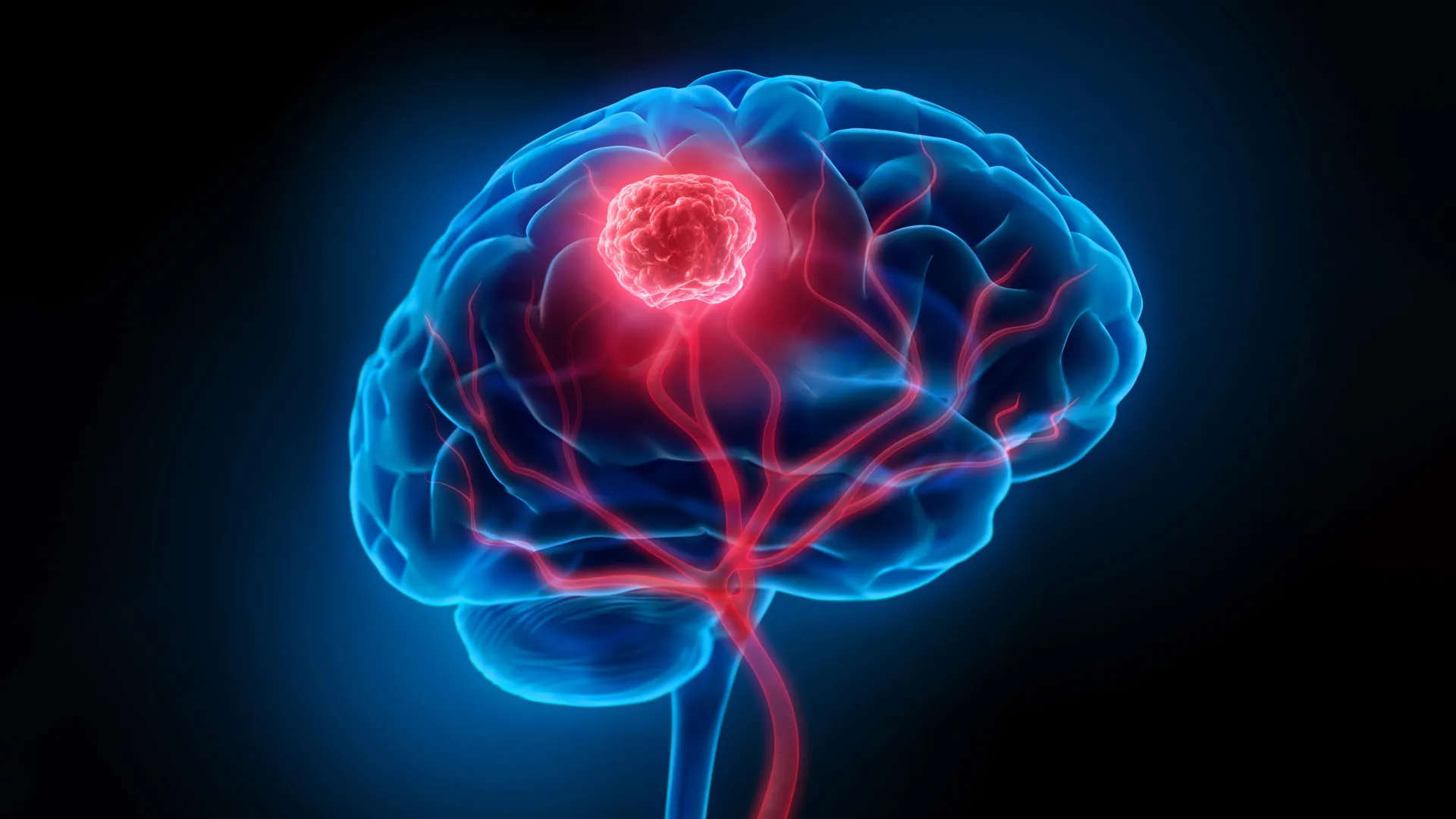
IDH-mutant glioma, a particularly tenacious form of malignant brain tumor, represents the most prevalent cancer of its kind affecting adults under the age of 50. Its formidable nature stems not only from its aggressive growth but also from its disheartening tendency to recur even after rigorous therapeutic interventions. For an extended period, the cornerstone of treatment has been the surgical excision of the tumor mass, as visualized through advanced imaging techniques. However, groundbreaking new research emanating from South Korea is poised to revolutionize this understanding, revealing that this conventional approach may be overlooking the critical earliest stages of the disease.
The Silent Spread: A New Paradigm in Glioma Development
A collaborative scientific endeavor, spearheaded by researchers from KAIST (Korea Advanced Institute of Science and Technology) and Yonsei University Severance Hospital, has unveiled a startling discovery: normal-appearing brain cells can acquire the initial IDH gene mutation and embark on a clandestine journey, disseminating throughout the brain’s intricate cortical network long before any discernible tumor mass materializes. This previously unrecognized, hidden phase of development offers a compelling explanation for the profound difficulty in eradicating these cancers and simultaneously illuminates promising new avenues for earlier detection and the prevention of debilitating recurrences.
The implications of this finding are profound. Historically, the medical community has viewed brain tumors as discrete entities that emerge at a specific point and location. This new research challenges that perception, suggesting a far more insidious and gradual genesis. It posits that the earliest cellular alterations, the seeds of the malignancy, are present and potentially spreading while the brain appears entirely healthy, a phenomenon that could render conventional diagnostic methods ineffective until the disease has progressed significantly.
Tracing the Malignancy Back to Its Cellular Roots
On January 9th, KAIST officially announced the culmination of years of intensive research by a joint team led by Professor Jeong Ho Lee of the Graduate School of Medical Science and Engineering and Professor Seok-Gu Kang of Yonsei University Severance Hospital. This formidable partnership has successfully identified the fundamental cellular origin of IDH-mutant glioma. Their meticulous investigations have definitively established that these aggressive tumors originate from Glial Progenitor Cells (GPCs), a type of cell normally resident within healthy brain tissue.
Understanding Glial Progenitor Cells (GPCs):
GPCs are multipotent cells found in the adult brain. Under normal circumstances, they play a crucial role in maintaining and repairing the brain, capable of differentiating into various glial cell types, including astrocytes, oligodendrocytes, and microglia. However, when these cells acquire specific genetic mutations, such as the IDH mutation, they can deviate from their normal developmental path and initiate the process of oncogenesis, leading to the formation of malignant brain tumors. Their inherent plasticity and proliferative capacity make them particularly susceptible to becoming the starting point for such devastating diseases.
The research team’s methodology involved a rigorous examination of tumor samples obtained during extensive surgical resections, alongside adjacent brain tissue that, to the naked eye, appeared entirely unremarkable. This comparative analysis yielded a pivotal observation: cells harboring the IDH mutation were already present in brain regions that exhibited no visual anomalies. This suggests that the cancerous transformation begins at a microscopic level, long before it is detectable by standard diagnostic tools or even visible to the human eye.
The Gradual Evolution of Brain Tumors: A Temporal Perspective
These groundbreaking findings provide the first concrete evidence that malignant brain tumors do not materialize instantaneously. Instead, they appear to embark on a slow, stealthy evolution within normal brain tissue, a process that may span many years before a palpable or imaging-detectable mass emerges. This protracted period of silent development underscores the challenge in early intervention and highlights the potential for microscopic disease to persist and re-emerge.
To meticulously confirm the identity of these nascent, mutated cells, the researchers employed "spatial transcriptomics." This advanced analytical technology offers an unprecedented ability to simultaneously map gene expression patterns within specific anatomical locations. By illuminating "which genes are operating where," this technique provided irrefutable confirmation that the mutation-bearing cells were indeed Glial Progenitor Cells (GPCs) situated within the cerebral cortex. This precise localization is critical, as it suggests that the environmental cues and cellular interactions within the cortex play a significant role in the early stages of IDH-mutant glioma development.
The team further validated their findings through rigorous animal modeling. By introducing the identical genetic "driver mutation" – the IDH mutation – into the GPCs of laboratory mice, they were able to successfully recapitulate key developmental stages observed in human brain tumor formation. This experimental approach not only corroborated the human cellular observations but also provided a platform for further investigation into the molecular mechanisms driving tumor initiation and progression.
Distinct Pathways for Diverse Brain Cancers
This latest research builds upon a significant body of work previously established by the same research group. In 2018, Professor Lee and his colleagues published seminal findings in the journal Nature, identifying the cellular origin of IDH wildtype glioblastoma, another highly aggressive brain cancer. Their earlier work demonstrated that IDH wildtype glioblastomas originate from neural stem cells residing in the subventricular zone, a region known for generating new brain cells in the adult brain.
The newly published findings underscore a critical biological distinction: while both IDH wildtype glioblastoma and IDH-mutant glioma are classified as malignant brain tumors, they arise from fundamentally different cell types and initiate in distinct anatomical locations within the brain. This confirmation reinforces the understanding that brain cancers are not monolithic entities but rather exhibit diverse biological trajectories, with their origins and progression dictated by their specific molecular subtypes. This nuanced understanding is paramount for developing targeted and effective therapeutic strategies.
Revolutionizing Early Diagnosis and Recurrence Suppression
Professor Seok-Gu Kang, a co-corresponding author of the study, articulated the transformative implications of this paradigm shift in understanding. "Brain tumors may not start exactly where the tumor mass is visible," he stated. "A targeted approach focused on the origin cells and the site of origin according to the brain tumor subtype will serve as a crucial clue to changing the paradigm of early diagnosis and recurrence suppression treatment." This statement encapsulates the core message of the research: a move away from solely focusing on the macroscopic tumor and towards understanding and intervening at the earliest cellular precursors.
The practical applications of these findings are already beginning to materialize. Sovagen Co., Ltd., a faculty startup originating from KAIST, is actively developing a novel RNA-based therapeutic agent. This drug is designed to specifically target and inhibit the progression and recurrence of IDH-mutant malignant brain tumors. Concurrently, Severance Hospital is spearheading the development of innovative technologies aimed at detecting and controlling these early-stage mutant cells. This endeavor is being pursued through the Korea-US Innovative Result Creation R&D project, signifying a commitment to international collaboration in tackling this complex disease.
The Genesis of Discovery: A Neurosurgeon’s Inquiry
Dr. Jung Won Park, a postdoctoral researcher at KAIST’s Graduate School of Medical Science and Engineering and the study’s sole first author, highlighted the interdisciplinary nature of the research. As a practicing neurosurgeon, Dr. Park brought invaluable clinical insight to the laboratory. "This achievement was made possible by combining KAIST’s world-class basic science research capabilities with the clinical expertise of Yonsei Severance Hospital," he remarked. "The question I kept asking while treating patients – ‘Where does this tumor originate?’ – was the starting point of this research." This personal inquiry, rooted in the daily challenges of patient care, catalyzed a scientific investigation with the potential to profoundly impact patient outcomes.
The comprehensive findings of this seminal research were officially published on January 8th in the prestigious journal Science, a testament to the rigor and significance of the work. The research received substantial financial support from a consortium of esteemed organizations, including the Suh Kyung-bae Science Foundation, the National Research Foundation of Korea, the Ministry of Science and ICT, the Ministry of Health and Welfare, and the Korea Health Industry Development Institute (through its Physician-Scientist Training Program). This broad backing underscores the national and international recognition of the importance of this research in advancing the fight against brain cancer.
Broader Implications for Cancer Research and Patient Care
The implications of this research extend far beyond IDH-mutant glioma. The methodology and conceptual framework developed by the South Korean team could serve as a blueprint for investigating the origins of other cancer types, particularly those that are notoriously difficult to treat and prone to recurrence. By shifting the focus to the earliest molecular and cellular events, researchers may unlock new strategies for early detection through advanced biomarkers and develop therapies that target pre-cancerous or nascent malignant cells, thereby preventing tumor formation altogether.
For patients diagnosed with IDH-mutant glioma, this research offers a renewed sense of hope. The identification of the precise cellular origin and the understanding of its slow, diffusive spread pave the way for more personalized and effective treatment plans. Future diagnostic tools could potentially identify the presence of IDH-mutated GPCs in normal-appearing brain tissue, allowing for intervention long before a tumor mass becomes clinically significant. Furthermore, therapies designed to eliminate these precursor cells or prevent their malignant transformation could dramatically reduce the rates of recurrence, improving the long-term prognosis for affected individuals. The collaborative spirit between basic science institutions and clinical centers, as exemplified by this research, is crucial for translating fundamental discoveries into tangible benefits for patients.
