
 By Budi Oetomo Narendra
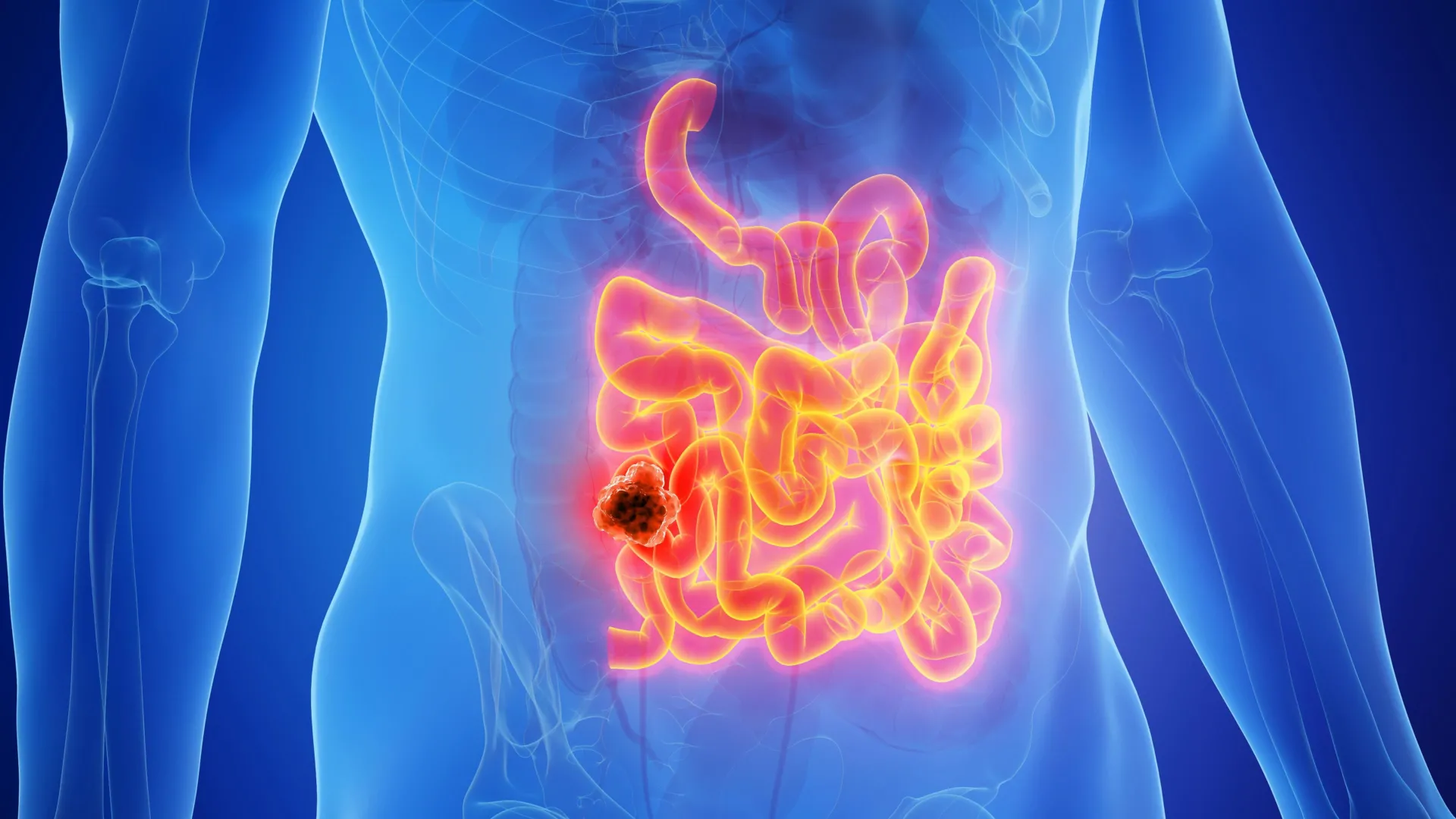
A new study from the Massachusetts Institute of Technology (MIT) published in the prestigious journal Nature has unveiled a complex and contrasting impact of ketogenic diets on cancer risk within the gastrointestinal tract, challenging previous assumptions and underscoring the necessity for tissue-specific understanding in dietary science. While earlier research suggested potential protective effects against colon cancer, this groundbreaking investigation points to a significantly different and concerning outcome in the small intestine, where the same high-fat, very low-carbohydrate dietary regimen may paradoxically elevate cancer risk. This nuanced finding serves as a critical reminder that the generalized application of dietary advice, particularly for metabolically potent interventions like the ketogenic diet, warrants extreme caution and comprehensive scientific scrutiny.
Omer Yilmaz, director of the MIT Stem Cell Initiative, an associate professor of biology at MIT, and a distinguished member of MIT’s Koch Institute for Integrative Cancer Research, emphasized the study’s central message: "Ketogenic diets have distinct effects on different tissues even within the gastrointestinal tract. I think the message here is that we need to be very careful in generalizing the effects that these diets can have, because what might be beneficial for one tissue may be detrimental for another tissue." This statement encapsulates the study’s profound implications for public health, dietary guidelines, and ongoing research into the intricate interplay between diet, metabolism, and carcinogenesis. The research, co-led by MIT postdoctoral researchers Jessica Shay and Fangtao Chi, also benefited from the collaborative efforts of scientists from the laboratories of Alex K. Shalek, director of MIT’s Institute for Medical Engineering and Science, and Matthew Vander Heiden, director of the Koch Institute, highlighting the interdisciplinary nature of modern biomedical discovery.
The Enduring Appeal and Metabolic Foundations of Ketogenic Diets
The ketogenic diet, commonly referred to as "keto," is characterized by its exceptionally high fat content, severely restricted carbohydrate intake, and moderate protein levels. This macronutrient distribution is meticulously designed to induce a metabolic state known as ketosis. In this state, the body, deprived of its primary fuel source—glucose derived from carbohydrates—switches its metabolic machinery to primarily burn fat for energy. This process generates compounds called ketone bodies, including beta-hydroxybutyrate (BHB) and acetoacetate, which then serve as an alternative energy source for the brain and other tissues. This metabolic adaptation is also observed during periods of fasting or very low-calorie diets, as the body taps into its stored fat reserves.
Historically, the ketogenic diet was not conceived as a weight-loss strategy or a general health panacea. Its origins trace back to the 1920s, when it was developed as a therapeutic intervention for intractable epilepsy, particularly in children who did not respond to conventional anti-seizure medications. The effectiveness of the diet in managing seizures, though not fully understood at the time, cemented its place in medical history. For several decades, its application remained largely confined to clinical settings.
However, in more recent times, particularly from the late 20th century into the 21st, the ketogenic diet experienced a resurgence in popularity, propelled by its perceived efficacy in rapid weight loss and its touted benefits for various metabolic conditions, including type 2 diabetes. Proponents also suggest its potential role in enhancing cognitive function, reducing inflammation, and even extending lifespan. The allure of burning fat for fuel, often leading to significant reductions in body weight and improved blood sugar control for some individuals, has cemented its status as one of the most widely discussed and adopted dietary approaches globally. The proliferation of online resources, cookbooks, and commercial products dedicated to the ketogenic lifestyle underscores its widespread adoption, with market analyses often indicating a growing segment of the population experimenting with or adhering to this dietary pattern.
Navigating the Shifting Landscape of Diet and Cancer Research
The increasing adoption of ketogenic diets has naturally spurred intensive scientific inquiry into their broader health implications, particularly concerning complex diseases like cancer. The rationale behind investigating keto diets in cancer contexts often stems from the observation that many cancer cells exhibit a high dependence on glucose for their rapid proliferation—a phenomenon sometimes referred to as the "Warburg effect." The hypothesis was that by severely limiting carbohydrate availability, a ketogenic diet might effectively "starve" cancer cells, thereby slowing tumor growth or even enhancing the efficacy of conventional cancer treatments.
This line of reasoning gained significant traction with previous research, including a notable 2022 study also published in Nature. That research presented compelling evidence suggesting that a ketogenic diet could indeed offer protection against colon cancer. Crucially, the 2022 study proposed that BHB, the most abundant ketone body produced during ketosis, played a central role in mediating this beneficial effect. It was hypothesized that BHB might directly inhibit pathways involved in colon cancer progression or exert anti-inflammatory effects that contribute to tumor suppression. These findings fueled optimism within both the scientific community and the general public regarding the potential of ketogenic diets as a therapeutic or preventative strategy against certain cancers.
Against this backdrop of promising, albeit preliminary, findings, the MIT researchers embarked on their new study. Their primary objective was to determine whether the seemingly protective effect observed in the colon might extend to other parts of the gastrointestinal tract, specifically the small intestine. This investigation was not merely an extension but a critical test of the generalizability of the earlier findings, recognizing that different organs, even within the same system, can exhibit unique metabolic profiles and responses to dietary interventions.
Unveiling Contrasting Outcomes: Small Intestine Versus Colon
To rigorously investigate the effects of ketogenic diets on intestinal cancer, the MIT team utilized a robust experimental model involving mice genetically predisposed to developing intestinal cancer. These animals were divided into three distinct dietary groups: one receiving a ketogenic diet, another a standard control diet, and a third an obesogenic high-fat/high-calorie diet, which served as a known cancer-promoting reference. The meticulously controlled experimental setup allowed the researchers to isolate and compare the specific impacts of each dietary regimen.
The results from the small intestine were stark and unexpected. Mice consuming the ketogenic diet developed small intestinal tumors more frequently than those on the control diet. Furthermore, the tumor rates in the keto-fed mice were found to be similar to, and in some cases even higher than, those observed in mice consuming the obesogenic high-fat/high-calorie diet, despite the keto-fed mice not becoming obese. This finding directly contradicted the prevailing hypothesis of a generalized protective effect and highlighted a potentially detrimental impact of ketogenic diets on small intestinal health.
Further in-depth experiments were crucial to unraveling the underlying mechanisms behind this increased tumor growth. Initially, given the focus on ketone bodies in previous research, the team hypothesized that ketone bodies themselves might be responsible for the observed acceleration in tumor development. However, their subsequent investigations yielded an unexpected result: ketone bodies did not appear to be the direct cause of the increased tumor growth in the small intestine.
Instead, the culprit was traced to fatty acid oxidation (FAOx), the metabolic process by which intestinal cells burn dietary fat for energy. The high-fat nature of the ketogenic diet led to a significant increase in the activity of this pathway within the intestinal cells. This heightened FAOx, in turn, switched on a specific family of proteins known as peroxisome proliferator-activated receptors (PPARs). These PPAR proteins then acted as molecular signals, encouraging intestinal stem cells to divide more rapidly. The consequence of this accelerated stem cell division is a greater opportunity for random genetic mutations to occur during replication, thereby increasing the likelihood of some cells becoming cancerous and forming tumors.
It is important to contextualize the role of highly active stem cells. While excessive cell division can indeed heighten cancer risk, rapid stem cell growth is not inherently harmful. In fact, it is a vital biological process that allows the intestinal lining to regenerate and recover efficiently after injury, infection, or illness, maintaining the integrity and function of the digestive tract. "Having more stem cells means that when you injure the small intestine, it can repair itself better, but the downside is that having more active stem cells can lead to tumor formation," Yilmaz clarified, underscoring the delicate balance inherent in stem cell dynamics.
A striking contrast emerged when the researchers extended their examination to the colon, an adjacent but distinct segment of the gastrointestinal tract. In a finding that resonated with the earlier 2022 Nature study, the ketogenic diet actively suppressed tumor formation in the colon. This dual outcome—promoting tumor development in the small intestine while inhibiting it in the colon—underscored the profound tissue-specific effects of the diet. However, while consistent with the protective effect, the new experiments introduced a critical re-evaluation of the mechanism. The MIT study challenged the idea that ketone bodies were solely responsible for this protective effect in the colon, suggesting a more complex interplay of metabolic factors.
Dr. Yilmaz articulated this recalibration of understanding: "Given how much attention has been paid to ketone bodies like BHB, both as a commercial health trend and in recent high-profile studies suggesting BHB suppresses colon cancer, we fully expected them to be the direct drivers. Instead, our experiments in genetically engineered mice revealed that these molecules are essentially metabolic bystanders. The real surprise is that tumor acceleration is driven entirely by how stem cells process and burn the heavy influx of dietary fat itself." This statement signifies a pivotal shift in the scientific understanding, emphasizing the direct metabolism of dietary fats rather than solely the resulting ketone bodies as the primary modulator of cancer risk in these distinct tissues.
Broader Implications, Commercial Products, and Future Directions
The findings of this MIT study carry significant implications for public health, dietary guidance, and the burgeoning market of ketogenic supplements. The most immediate and profound implication is the necessity for extreme caution in generalizing the health effects of any dietary intervention. What might confer a benefit in one physiological context or tissue can simultaneously pose a risk in another. This challenges the often-simplistic narratives surrounding popular diets and underscores the need for personalized nutrition approaches informed by rigorous, tissue-specific research.
For consumers, particularly those considering or currently adhering to a ketogenic diet, these results highlight the importance of consulting healthcare professionals, especially if they have a family history or genetic predisposition to gastrointestinal cancers. The complexity of the findings suggests that broad, unqualified recommendations for ketogenic diets, particularly for cancer prevention or treatment, are premature and potentially misleading.
Furthermore, the research has direct implications for the commercial market of ketone supplements and drinks. These products, often marketed for their ability to induce ketosis without strict dietary adherence, are predicated on the assumption that ketone bodies themselves are the primary mediators of ketogenic diet benefits. However, the MIT study clearly demonstrated that both the increased tumor growth in the small intestine and the reduced tumor development in the colon were linked to the metabolism of dietary fat itself through fatty acid oxidation, rather than to the ketone bodies produced. This critical distinction suggests that ketone supplements or exogenous ketone products would not be expected to reproduce either the detrimental effect observed in the small intestine or the beneficial effect identified in the colon. Consumers purchasing such products for specific health outcomes, particularly cancer prevention, may be investing in a mechanism that the latest science indicates is not the primary driver of these tissue-specific responses.
The relevance of these findings is further amplified by epidemiological trends. The incidence of small intestinal tumors, though historically rarer than colon cancer, has shown a concerning rise in recent decades. This increase makes the MIT study’s identification of a potential dietary risk factor for this specific cancer particularly timely and impactful. The implications are especially significant for individuals with inherited disorders that increase their susceptibility to intestinal cancer, such as familial adenomatous polyposis (FAP), where vigilant monitoring and understanding of risk factors are paramount.
Looking ahead, the MIT team is now focused on the "deeper question," as articulated by lead author Fangtao Chi: "why the same diet has opposite consequences in two adjacent parts of the gut." This line of inquiry promises to uncover more fundamental insights into the distinct cellular environments, metabolic programming, and stem cell regulatory mechanisms that differentiate the small intestine from the colon. Such understanding could pave the way for highly targeted dietary or pharmacological interventions that leverage beneficial metabolic pathways while mitigating potential risks.
The research was supported by a consortium of funding bodies, underscoring its significance and the collaborative spirit of scientific advancement. These included, in part, the National Institutes of Health, a Pew-Stewart Trust scholar award, the Kathy and Curt Marble cancer research award, a Koch Institute-Dana Farber/Harvard Cancer Center Bridge project grant, the American Federation for Aging Research, the MIT Stem Cell Initiative, a Damon Runyon Postdoctoral Research Fellowship, and the Koch Institute Support (core) grant from the National Cancer Institute. This robust support highlights the study’s contribution to an evolving understanding of how diet profoundly shapes our health, emphasizing that the path to optimal nutrition is far more complex and nuanced than often portrayed.
