
 By Budi Oetomo Narendra
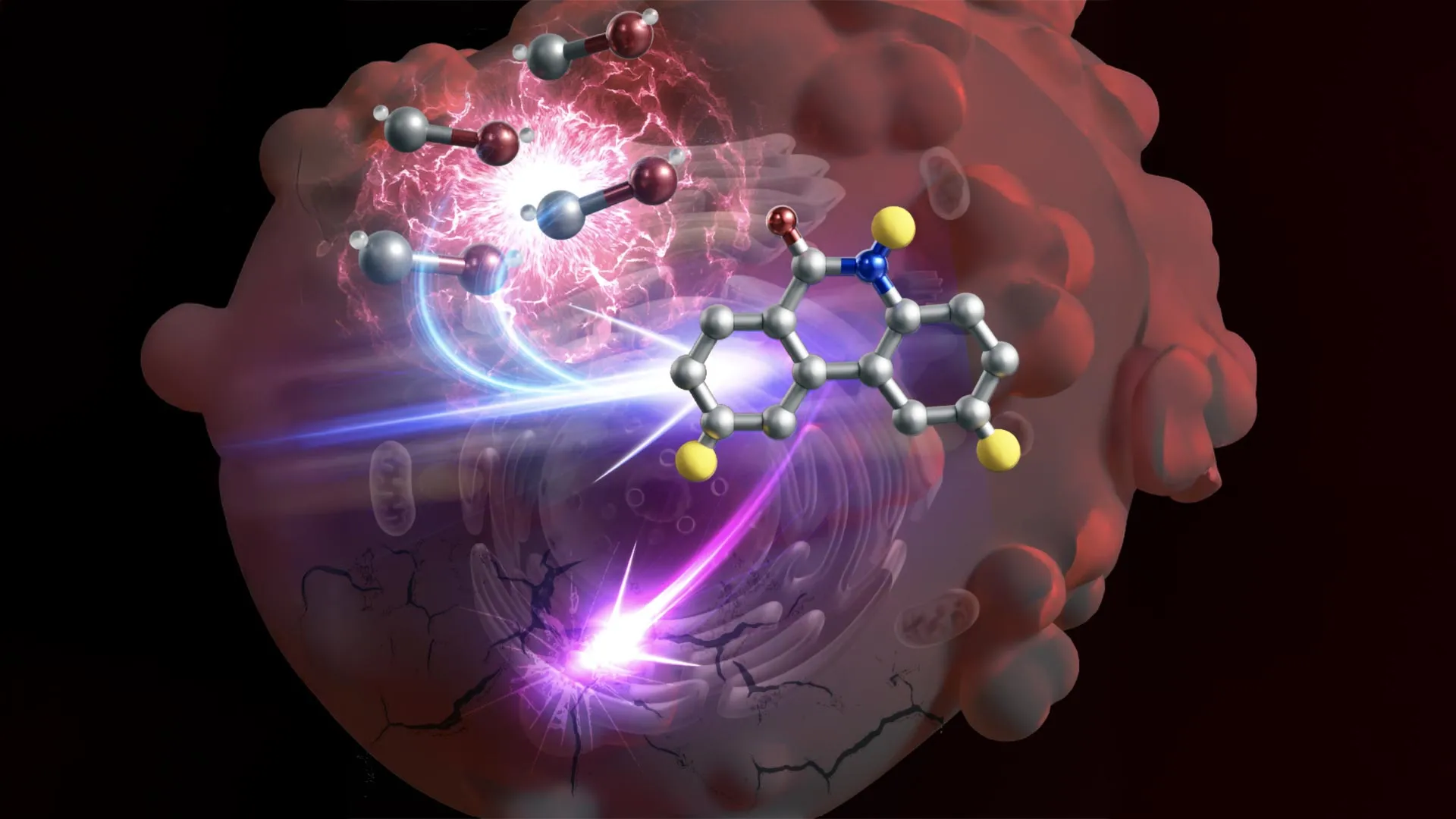
Researchers in Japan have developed an innovative way to turn a chemical produced by cancer cells into a weapon against them. Instead of delivering toxic drugs throughout the body, their experimental approach uses carbon monoxide released by cancer cells to manufacture anticancer compounds directly inside the cells themselves. This paradigm-shifting strategy, detailed in a recent publication in Nature Communications, offers a tantalizing glimpse into a future of cancer therapy characterized by unprecedented precision and significantly reduced side effects, addressing one of the most persistent challenges in oncology.
The Enduring Challenge of Cancer Treatment
Cancer remains a formidable global health crisis, responsible for millions of deaths annually and imposing an immense burden on healthcare systems worldwide. According to the World Health Organization, cancer is the second leading cause of death globally, with an estimated 10 million deaths in 2020. Despite significant advancements in medical science, the fight against cancer is fraught with complexities, primarily stemming from the aggressive and heterogeneous nature of malignant cells.
For decades, the cornerstone of cancer treatment has revolved around therapies designed to eliminate rapidly dividing cells. Conventional chemotherapy, radiation therapy, and surgery have saved countless lives, yet they are often accompanied by severe limitations. Chemotherapy, while effective, is notorious for its systemic toxicity. Traditional cytotoxic drugs cannot perfectly distinguish between cancerous and healthy cells, leading to collateral damage in rapidly proliferating healthy tissues such such as bone marrow, hair follicles, and the gastrointestinal lining. This indiscriminate action results in debilitating side effects like nausea, hair loss, fatigue, immune suppression, and potential damage to vital organs, profoundly impacting a patient’s quality of life and often necessitating treatment interruptions or dosage reductions that can compromise efficacy.
The drive to mitigate these harsh side effects has spurred intense research into more targeted therapies. The past two decades have witnessed the rise of precision medicine, with the development of monoclonal antibodies, small molecule inhibitors, and immunotherapies designed to specifically target molecular pathways or immune checkpoints involved in cancer progression. While these advancements represent significant leaps forward, even targeted therapies can have off-target effects, resistance mechanisms often emerge, and a substantial proportion of patients still do not respond adequately. The unmet need for highly effective treatments that spare healthy tissue remains a critical priority in oncology research.
A Revolutionary Concept: In Vivo Drug Synthesis
The research, led by Dr. Katsunori Tanaka at the RIKEN Pioneering Research Institute (PRI) in Japan, introduces a radical departure from conventional drug delivery. Instead of synthesizing and delivering pre-formed toxic drugs, Tanaka’s team has pioneered a method for in vivo drug synthesis, where therapeutic compounds are manufactured directly at the site of the tumor, using substances already present within the cancer cells themselves. This innovative strategy aims to replace the direct delivery of toxic drugs with relatively harmless compounds that become active only after encountering the specific biochemical environment of cancer cells.
The concept hinges on identifying and exploiting unique metabolic signatures of malignant cells. In this specific breakthrough, the researchers focused on carbon monoxide (CO), a gas often associated with environmental toxicity but which also plays crucial roles as an endogenous signaling molecule in biological systems at low concentrations.
Carbon Monoxide: A Double-Edged Sword and Cancer’s Achilles’ Heel
Carbon monoxide is best known as a colorless, odorless, and poisonous gas produced by incomplete combustion. However, in the human body, CO is naturally generated through the breakdown of heme, a component of hemoglobin, by an enzyme called heme oxygenase-1 (HO-1). At physiological concentrations, endogenous CO has beneficial roles, acting as a vasodilator, an anti-inflammatory agent, and a neurotransmitter.
Crucially, many types of cancer cells produce unusually high amounts of carbon monoxide. This elevated CO production in tumors is often linked to altered metabolic pathways and increased expression of HO-1, which can be upregulated in response to cellular stress, hypoxia (low oxygen levels common in tumors), and inflammation – conditions frequently encountered in the tumor microenvironment. This differential CO production presents an intriguing opportunity: if tumors generate significantly more CO than healthy tissues, this gas could serve as a unique and exploitable "biological marker" or "feedstock" for targeted therapeutic intervention.
Scientists in RIKEN’s Biofunctional Synthetic Chemistry Laboratory investigated whether this difference could be leveraged. Their ambitious strategy involved delivering a carefully designed, inert precursor molecule into the body. This precursor would then interact with a metal catalyst, and critically, use the excess carbon monoxide found within cancer cells to drive a precise chemical reaction. This reaction would culminate in the de novo synthesis of a toxic compound specifically within the malignant cells, effectively turning cancer’s own metabolic byproduct against it. The principle was elegantly simple: the reaction would occur primarily in cancer cells, where sufficient CO is available, thereby sparing normal cells that produce CO at significantly lower, physiological levels.
Overcoming Chemical Engineering Challenges: The Albumin-Palladacycle Complex
Translating this ingenious concept into a viable therapeutic strategy required overcoming several significant chemical and biological hurdles. The researchers identified a class of metal-containing compounds known as palladacycles as their catalytic agents. These compounds are capable of reacting with carbon monoxide to produce organic molecules called phenanthridinones. The choice of phenanthridinones was strategic, as certain derivatives of this organic molecule are known to be toxic to cells and have already been successfully incorporated into existing anticancer drugs.
However, a major obstacle quickly emerged during initial in vitro experiments. When palladacycles were introduced directly into cells, ubiquitous cellular reductants and nucleophiles, particularly glutathione, rapidly deactivated their central palladium catalyst. Glutathione is a powerful antioxidant abundant in cells, often found in even higher concentrations within cancer cells, where it helps them survive oxidative stress and resist chemotherapy. Without an active catalyst, the desired chemical reaction – and thus the production of the anticancer drug – could not proceed effectively.
Dr. Tanaka’s team, building on their extensive previous work using metal catalysts to carry out complex chemical reactions in living systems, devised an elegant solution. They opted to enclose the palladacycle within albumin, a protein commonly found in blood. Albumin is an ideal biological carrier: it is highly abundant, biocompatible, biodegradable, and can naturally circulate through the bloodstream. This protective protein encapsulation served a dual purpose: it allowed the entire complex to travel safely through the bloodstream without premature interaction, and crucially, it shielded the sensitive palladium catalyst from deactivating substances like glutathione upon entry into cells. This innovative "Trojan horse" approach ensured the catalyst remained active and ready to perform its function once it reached its intended target inside the cancer cell.
Rigorous Laboratory Validation and Proof of Concept
The scientific rigor of the RIKEN team was evident in their comprehensive series of experiments designed to validate the system.
1. Catalyst Optimization: The initial phase involved meticulously testing various palladacycle derivatives to identify the most efficient one, capable of generating the greatest amount of the desired phenanthridinone under simulated cellular conditions. This optimization step was critical for maximizing therapeutic output.
2. Selective Drug Production in Cancer Cells: Next, the researchers exposed cultured human cancer cell lines – specifically liver, cervical, breast, and lung cancer cells – to the albumin-palladacycle complex for a period of 48 hours. To confirm selectivity, they concurrently tested the compound on a non-cancerous cell line. The results were highly encouraging: after 48 hours, phenanthridinone was consistently detected in all tested cancer cell lines but was notably absent in the normal, healthy cells. These findings provided robust evidence that the albumin carrier successfully protected the catalyst from deactivation by glutathione and, more importantly, that the chemical reaction occurred selectively within the cancer cells under the experimental conditions.
3. Enhancing Therapeutic Efficacy: The team further refined the system. They engineered the complex such that the newly formed phenanthridinone compound could efficiently separate from its albumin carrier and move freely throughout the cell, maximizing its cytotoxic reach. Additional molecular modifications allowed the reaction to generate a particularly potent and toxic phenanthridinone derivative, a compound already recognized for its efficacy and incorporated into existing anticancer drugs.
4. Direct Observation of Intracellular Drug Formation and Damage: In a critical experiment, when this refined and modified system was introduced into cultured liver cancer cells, the researchers were able to directly observe the anticancer compound forming inside the cells. Subsequently, these treated cancer cells exhibited clear signs of damage and toxicity caused by the newly synthesized drug. This observation provided definitive proof-of-concept: the approach could indeed generate a potent cancer-fighting substance directly within its intended cellular target.
Addressing Safety Concerns: The Bloodstream Conundrum
A paramount safety concern for any in vivo therapeutic strategy involving gas-driven reactions is the potential for premature drug formation in the bloodstream. Carbon monoxide is naturally present in blood, albeit largely bound to hemoglobin. If this circulating CO were to trigger the chemical reaction before the complex reached cancer cells, the resulting toxic drug could indiscriminately damage blood cells or other healthy tissues, negating the entire purpose of targeted delivery.
Fortunately, laboratory testing provided reassuring results: the toxic drug was not produced in the blood. The researchers posited that this crucial safety mechanism is due to the fact that carbon monoxide in the bloodstream is predominantly attached to hemoglobin, the protein responsible for oxygen transport. In this tightly bound form, the gas appears to be unavailable or inaccessible for the specific chemical reaction required to manufacture the anticancer drug. This finding suggests that the system may be able to travel through the complex environment of the blood without prematurely generating harmful substances, a critical prerequisite for future clinical translation. While these in vitro results are promising, the team acknowledged that further comprehensive studies will be essential to definitively establish its safety and pharmacokinetic profile in living organisms.
Expert Perspectives and the Road Ahead
Dr. Tanaka articulated the profound implications of this work: "This work represents an important advance in therapeutic in vivo synthetic chemistry. In our therapeutic strategy, molecules naturally present or generated within the body – including disease-associated metabolites – are used as endogenous chemical feedstocks to synthesize therapeutic molecules directly at the site of disease." This statement underscores the paradigm shift envisioned by the RIKEN team: moving beyond traditional drug delivery to a model where the body’s own biochemistry is harnessed to create medicines precisely where they are needed.
The broader scientific community is likely to view this innovative approach with significant interest and cautious optimism. Experts in chemical biology and oncology recognize the transformative potential of such highly selective, in situ drug synthesis methods. The meticulous validation published in a high-impact journal like Nature Communications lends substantial credibility to the findings, signaling a robust scientific foundation. While still in its nascent stages, this research offers a compelling vision for future cancer treatments that minimize systemic toxicity while maximizing therapeutic efficacy.
The immediate next steps for the RIKEN team involve moving beyond cultured cells to test their approach in sophisticated animal models. These in vivo studies will be crucial for evaluating the system’s efficacy, safety, pharmacokinetics (how the body absorbs, distributes, metabolizes, and excretes the drug), and pharmacodynamics (how the drug affects the body) in a complex biological environment. Key challenges will include ensuring the stability and targeted delivery of the albumin-palladacycle complex, monitoring the precise localization and concentration of the in situ synthesized drug, and assessing long-term toxicity and potential off-target effects.
If future experiments in animal models prove successful, this technology could establish a completely new class of cancer treatments. This novel therapeutic modality would exploit the unique chemical and metabolic landscapes of tumors to produce highly targeted drugs directly at the disease site. Such an advancement holds the potential to dramatically reduce the debilitating side effects associated with conventional cancer therapies, significantly improving the quality of life for patients. Furthermore, it could open new avenues for treating cancers that are currently resistant to existing treatments or those located in sensitive areas where systemic toxicity is particularly problematic.
The implications extend beyond just immediate patient benefits. This research could inspire entirely new strategies in drug discovery, shifting focus from screening pre-synthesized compounds to designing elegant chemical systems that self-assemble or activate in vivo. It represents a powerful testament to the interdisciplinary nature of modern science, merging principles of synthetic chemistry, material science, and molecular biology to tackle one of humanity’s most persistent medical challenges. As the scientific journey progresses from bench to bedside, the innovative work from RIKEN offers a beacon of hope for a future where cancer treatments are not only more effective but also far more humane.
