
 By Lina carolina
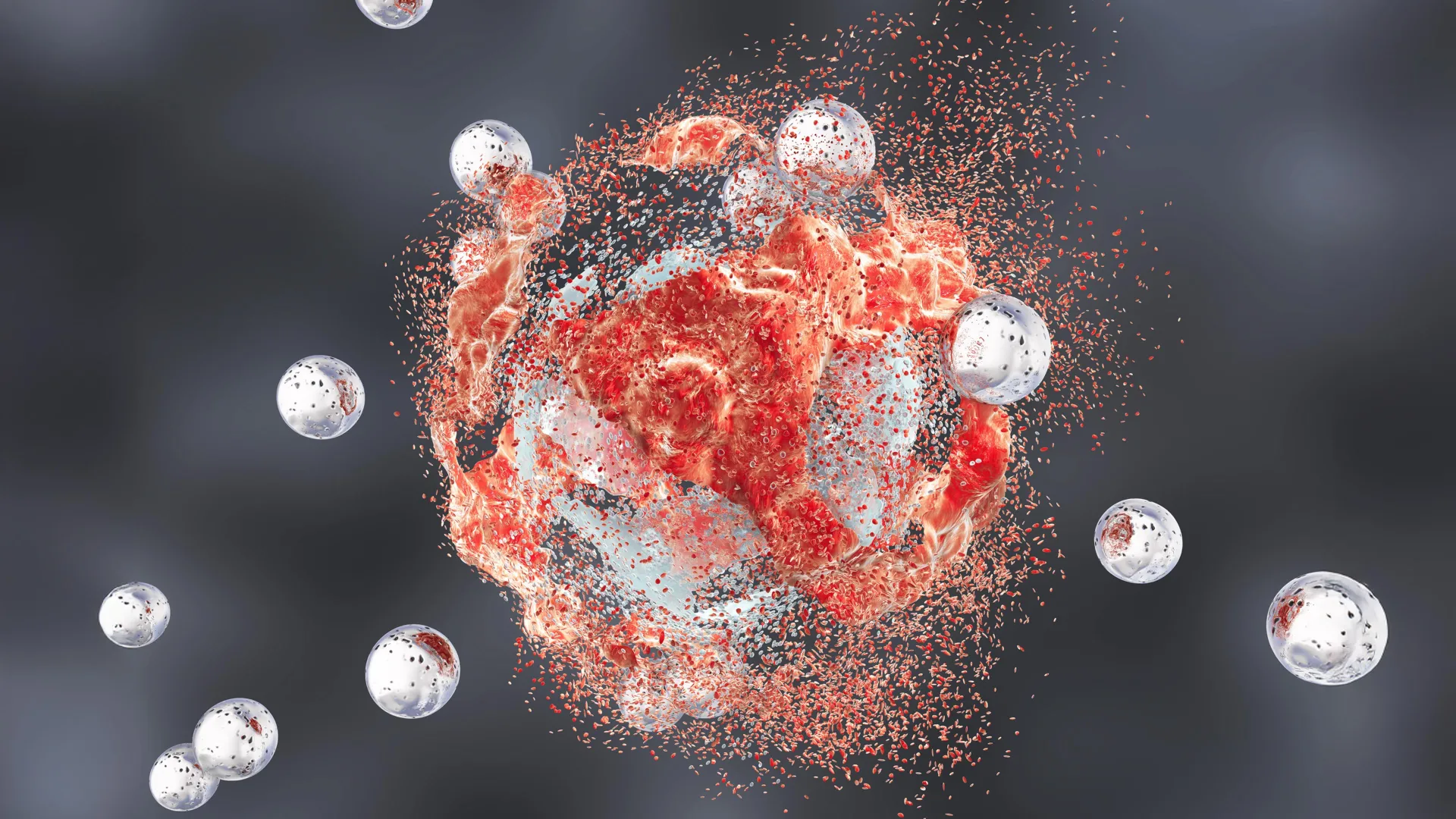
Scientists at the Walter and Eliza Hall Institute of Medical Research (WEHI) have announced a groundbreaking discovery: the identification of a previously unappreciated type of immune cell, the gamma delta T cell, that demonstrates a potent ability to detect and destroy small cell lung cancer (SCLC). This aggressive form of lung cancer, notorious for its rapid progression and resistance to conventional therapies, has long posed a significant challenge in oncology. The findings, published in the prestigious journal Cancer Cell, offer a beacon of hope for patients and represent a significant leap forward in understanding the intricate interplay between the immune system and SCLC.
Unveiling a Hidden Defense Mechanism
For decades, medical research has grappled with the formidable nature of SCLC. Characterized by its swift metastasis and a dismal five-year survival rate of less than 7%, SCLC has proven stubbornly resistant to many therapeutic advancements, including conventional immunotherapy, which has revolutionized the treatment of other cancers. A primary reason for this limited success lies in SCLC’s remarkable capacity to evade immune surveillance. Tumors often develop sophisticated mechanisms to remain undetected by the conventional immune cells that form the backbone of many current immunotherapy strategies.
The WEHI research team’s meticulous investigation has illuminated a crucial, yet previously overlooked, immune pathway. Their work suggests that gamma delta T cells possess a unique ability to "see through" the defenses erected by SCLC tumors, providing a novel avenue for therapeutic intervention. Professor Kate Sutherland, the study’s senior author and a leading laboratory head at WEHI, emphasized the significance of this discovery. "For decades, we’ve known that small cell lung cancer is exceptionally good at hiding from the immune system," Professor Sutherland stated. "We’ve found an immune cell that appears to be able to see through that disguise. Strikingly, patients whose tumors contained more of these specialized immune cells often had better treatment outcomes." This observation strongly indicates that gamma delta T cells are not merely present but actively engaged in combating SCLC within the tumor microenvironment.
The Miniature Tumor Model: A Realistic Window into Cancer’s Battleground
To rigorously assess the anti-cancer capabilities of gamma delta T cells, the researchers employed a cutting-edge experimental approach: the creation of "miniature tumors" or organoids. These laboratory-grown models, derived from tissue samples generously donated by SCLC patients through the Victorian Cancer Biobank in collaboration with the Royal Melbourne Hospital, are considered among the most realistic representations of SCLC currently available. This innovative methodology allowed the scientists to observe, in a controlled environment, how these tumors behave and how they interact with immune cells.
In these miniature tumor models, the research team introduced gamma delta T cells isolated from the blood of the same patients. The results were compelling: these immune cells demonstrated a remarkable efficacy in identifying and eradicating SCLC cells. This direct observation provided robust evidence of the gamma delta T cell’s intrinsic ability to target and destroy SCLC.
Enhancing the Immune Assault: Repurposing Existing Therapies
Beyond identifying a new cellular player, the study delved into strategies to amplify the natural anti-cancer activity of gamma delta T cells. The researchers investigated the potential of two existing medications: tarlatamab, a cancer treatment already approved for SCLC, and zoledronate, a bisphosphonate used to treat osteoporosis and cancer-related bone disease. The rationale behind exploring these drugs was to determine if they could enhance the immune response without requiring entirely new drug development.
The findings revealed that both tarlatamab and zoledronate played distinct yet complementary roles in bolstering the gamma delta T cell-mediated attack. Zoledronate was found to increase the availability of gamma delta T cells and improve their ability to recognize SCLC tumors. Tarlatamab, on the other hand, facilitated the close interaction between immune cells and cancer cells, effectively directing the immune system’s focus onto the tumors. When used in combination, these medications significantly amplified the capacity of gamma delta T cells to kill cancer cells in laboratory experiments. This synergistic effect suggests that combining existing treatments could represent a potent new strategy for augmenting the immune system’s response against SCLC, potentially improving outcomes for patients who have not responded well to current therapies.
A Timeline of Discovery and Future Prospects
The journey leading to this pivotal discovery began with a retrospective analysis of data from two landmark clinical trials: IMpower133 and CASPIAN. These trials were instrumental in establishing immunotherapy as a standard of care for patients with SCLC. During their examination of the trial data, researchers observed subtle indications that gamma delta T cells might be playing a more significant role than previously recognized.
Leveraging sophisticated genomic and bioinformatics techniques, WEHI’s expert teams conducted in-depth analyses of patient samples from these trials. Their investigations uncovered a correlation: patients who exhibited stronger "gamma delta T cell signatures" were among those who derived the greatest benefit from immunotherapy. This initial observation, coupled with the subsequent experimental findings from the miniature tumor models, solidified the hypothesis that gamma delta T cells are critical effectors in the immune response against SCLC.
Dr. Jin Ng, the study’s lead author, highlighted the potential implications of these findings for future treatment modalities. "For patients with lower gamma delta T cell levels, therapies such as zoledronate may offer a way to boost their cancer-fighting immune cells and responsiveness to treatments," Dr. Ng explained. Furthermore, he pointed to the exciting possibility of accelerating the development of new therapies based on this discovery. "As therapies that expand and reinfuse gamma delta T cells already exist, our findings raise the exciting possibility of rapidly translating this discovery into new treatment strategies. This could open an entirely new avenue for personalized treatment approaches in small cell lung cancer and other solid cancers that are often missed by conventional immune cells." This suggests that adoptive cell transfer, a technique where a patient’s own immune cells are harvested, expanded in number, and reinfused, could be a viable and rapidly implementable strategy for SCLC.
Broader Implications and Next Steps
The implications of this research extend beyond SCLC. The ability of gamma delta T cells to target cancers that evade conventional immune responses suggests their potential utility in treating a broader spectrum of solid tumors. Many other challenging cancers, like pancreatic cancer and glioblastoma, are known for their immune-evasive properties, making them prime candidates for similar investigational approaches.
The WEHI team is actively pursuing the translation of these findings into tangible clinical benefits. They are collaborating with scientists at the Doherty Institute to further refine their understanding and develop a new class of immunotherapy drugs specifically designed to harness the power of gamma delta T cells for SCLC treatment. This collaborative effort underscores the commitment to moving swiftly from laboratory discovery to patient care.
The research received crucial financial support from esteemed organizations including Cancer Council Victoria, the National Health and Medical Research Council (NHMRC), The CASS Foundation, and The International Association for the Study of Lung Cancer, highlighting the collaborative and well-supported nature of this vital scientific endeavor. This discovery marks a significant turning point in the fight against small cell lung cancer, offering a renewed sense of optimism and paving the way for more effective and targeted immunotherapies.
