
 By admin
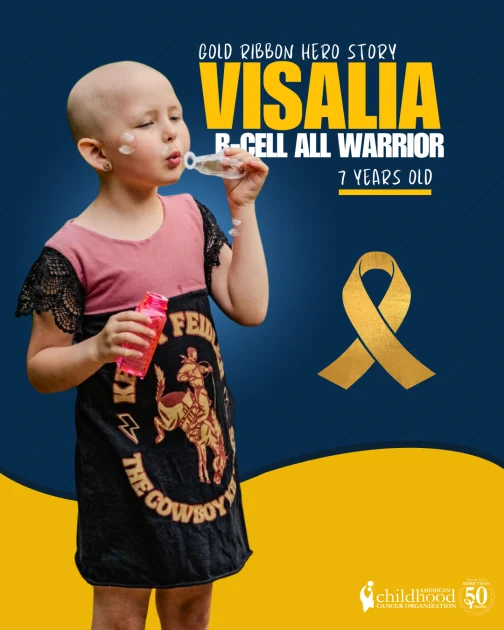
The intersection of familial grief and a sudden medical crisis presents a profound challenge for any household, yet for the family of seven-year-old Visalia, this scenario became a lived reality within a matter of weeks. Visalia, a pediatric patient currently battling B-Cell Acute Lymphoblastic Leukemia (ALL), has become a symbol of resilience within the childhood cancer community. Her diagnosis, which occurred just four days before her sixth birthday and only three weeks after the passing of her grandfather from cancer, highlights the rapid and often devastating onset of pediatric hematologic malignancies. Her story serves as a focal point for understanding the clinical, emotional, and systemic complexities associated with childhood leukemia in the United States.
The Clinical Onset and Emergency Intervention
The transition from health to critical illness in pediatric leukemia can be deceptively subtle. In Visalia’s case, the initial symptoms were masked by the psychological weight of family bereavement. Following the death of her grandfather, Visalia exhibited signs of lethargy and a lack of her usual spirit. While her parents initially attributed this change to the grieving process, her physical condition deteriorated rapidly. The emergence of physical instability—characterized by weakness and frequent falls—prompted an immediate consultation with her primary care physician.
The clinical urgency of Visalia’s condition was recognized instantly by medical professionals. Upon examination, the severity of her symptoms necessitated an emergency life-flight transfer to a specialized children’s hospital located four hours away from her home. Such transfers are common in rural or semi-rural areas where local facilities may lack the advanced hematiatric-oncology units required to stabilize a patient with suspected leukemia. During the flight, medical staff informed her mother, Erin, that the primary diagnosis being investigated was leukemia. The speed of this progression, from a standard doctor’s visit to an aerial medical evacuation, underscores the aggressive nature of B-Cell ALL if left untreated.
Understanding B-Cell Acute Lymphoblastic Leukemia
B-cell Acute Lymphoblastic Leukemia is a type of cancer of the blood and bone marrow. It is the most common form of cancer diagnosed in children, accounting for approximately 80% of all childhood leukemia cases. The disease is characterized by the overproduction of immature white blood cells, known as B-cell lymphoblasts. These "blasts" fail to function as healthy immune cells and instead crowd out healthy red blood cells, white blood cells, and platelets.
The physiological consequences of this cellular crowding explain the symptoms Visalia experienced. The "weakness and falling" reported by her mother are often the result of anemia (a lack of red blood cells to carry oxygen) and thrombocytopenia (a lack of platelets, which can lead to internal bleeding or joint pain). Furthermore, because the body is unable to produce functional white blood cells, patients become highly susceptible to infections.
Treatment for B-Cell ALL is intensive and typically spans two to three years. For Visalia, the protocol began immediately upon her arrival at the specialized children’s center. The initial phase of treatment involves "Induction," a high-intensity chemotherapy regimen designed to clear the blood and bone marrow of leukemic cells. This process often requires the surgical implantation of a "port"—a central venous access device—to allow for the frequent administration of chemotherapy and the drawing of blood samples without repeated needle sticks.
A Chronology of Treatment and Medical Oversight
The journey of a pediatric cancer warrior is marked by a rigorous schedule of medical procedures that test the endurance of both the child and the family. Visalia’s ongoing treatment plan includes several invasive but necessary components:
- Port Surgery: The installation of a subcutaneous port allowed medical teams to deliver life-saving medications directly into her bloodstream.
- Monthly Lumbar Punctures: Also known as spinal taps, these procedures involve injecting chemotherapy directly into the cerebrospinal fluid. This is a preventative measure to ensure that leukemic cells do not "hide" in the central nervous system, where standard systemic chemotherapy may not reach effectively.
- Bone Marrow Biopsies: These are conducted periodically to monitor the presence of cancer cells at the source. A needle is used to extract a small sample of bone marrow, usually from the hip bone, to determine if the patient is in remission or if the treatment plan needs adjustment.
As of her seventh year, Visalia remains in the maintenance or consolidation phases of her treatment. Despite the physical toll of these procedures, her family reports that she maintains a positive disposition, often engaging in creative arts as a form of self-expression and coping.
Supporting Data on Pediatric Cancer and Survival Rates
While a diagnosis of B-Cell ALL is life-altering, the prognosis for pediatric patients has improved significantly over the last several decades. According to the American Cancer Society and the National Cancer Institute (NCI), the five-year survival rate for children with ALL now exceeds 90%. This is a stark contrast to the 1960s, when the survival rate was less than 10%.
However, these statistics do not account for the "late effects" of treatment. Research indicates that more than 60% of childhood cancer survivors will develop at least one chronic health condition later in life as a result of the toxic nature of chemotherapy and radiation. These conditions can include secondary cancers, cardiovascular disease, and cognitive impairments. Furthermore, the National Pediatric Cancer Foundation notes that pediatric cancer research receives only about 4% of the federal funding allocated for cancer research by the U.S. government, leaving organizations like the American Childhood Cancer Organization (ACCO) to fill the gaps in support and advocacy.
The Psychological and Financial Impact on the Family Unit
The diagnosis of a child with cancer creates a "ripple effect" of trauma throughout the family. In Visalia’s case, this was compounded by the recent loss of a grandfather. Psychologists refer to this as "cumulative stress," where the family’s coping mechanisms are already taxed before the new crisis begins.
Erin’s description of the diagnosis—feeling as though she had "fallen from the plane"—is a sentiment echoed by many parents in the oncology ward. The sudden shift from a normal life to a world of sterile hospital rooms and life-and-death decisions can lead to Post-Traumatic Stress Disorder (PTSD) in parents and siblings.
The financial burden is equally significant. A four-hour distance between home and the hospital necessitates significant travel expenses, lodging, and often the loss of income as parents take time off work to become full-time caregivers. The average cost of treating childhood leukemia can exceed hundreds of thousands of dollars, even for families with insurance, due to out-of-pocket maximums, non-covered specialized treatments, and the ancillary costs of long-term care.
The Role of Advocacy and Community Support
Organizations like the ACCO play a vital role in providing resources to families like Visalia’s. These organizations provide educational materials that help parents navigate the complex medical terminology of a leukemia diagnosis. They also offer peer support networks, which are essential for reducing the isolation often felt by families of "warriors."
One of the most effective ways children cope with the rigors of hospital life is through "Child Life" programs. These programs utilize play, art, and music to help children process their experiences. Visalia’s passion for crafting and drawing is more than just a hobby; it is a therapeutic outlet. Creative expression allows pediatric patients to regain a sense of agency and control in an environment where they have very little. By making "something new every single day," Visalia is able to maintain her identity as an artist, rather than being defined solely by her status as a patient.
Broader Implications and the Future of Treatment
The case of Visalia highlights the ongoing need for advancements in precision medicine and less toxic therapies. While chemotherapy remains the gold standard, the medical community is moving toward more targeted treatments, such as CAR-T cell therapy. This involves reprogramming a patient’s own immune cells to recognize and attack leukemia cells. Such innovations offer hope for patients who do not respond to traditional chemotherapy or who experience relapses.
Furthermore, Visalia’s story underscores the importance of early detection and the critical role of primary care physicians in recognizing the warning signs of pediatric malignancies. The immediate decision to life-flight Visalia likely prevented further complications and allowed for the swift initiation of the induction phase of her treatment.
Conclusion
Visalia’s journey from a grieving grandchild to a resilient B-Cell ALL warrior is a testament to the strength of the human spirit and the capabilities of modern pediatric medicine. However, her story also serves as a reminder of the thousands of children who face similar battles every year. The fight against childhood cancer is a collective effort involving medical professionals, researchers, advocacy groups, and the community at large.
As Visalia continues her treatment, her creative spirit remains a beacon of hope for her family and those who follow her journey. The broader implications of her case suggest that while survival rates are high, the journey is fraught with physical, emotional, and financial hurdles that require sustained national attention and increased research funding. Through continued advocacy and medical innovation, the goal remains not only to cure every child with leukemia but to ensure they can lead long, healthy lives free from the long-term side effects of their treatment. Together, the message remains clear: the fight against pediatric cancer is a battle that no child should have to face alone.
