
 By admin
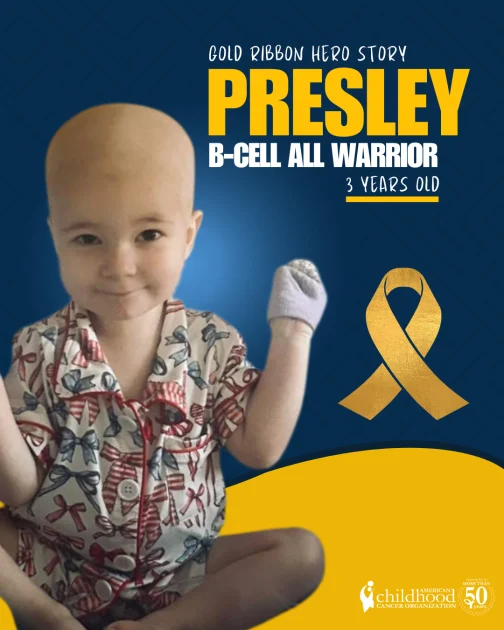
The medical journey of a three-year-old patient named Presley, diagnosed with B-Cell Acute Lymphoblastic Leukemia (ALL) in early 2025, serves as a poignant case study in the complexities of pediatric oncology and the vital role of parental advocacy in clinical settings. What began as a routine domestic accident—a fall caused by the family dog—unveiled a life-threatening hematologic malignancy, leading to a rigorous multi-year treatment regimen that has tested the limits of modern pediatric medicine and physical rehabilitation. Presley’s case underscores the often-nebulous presentation of childhood leukemia and the intensive nature of the protocols required to achieve and maintain remission in young patients.
The Diagnostic Path: From Physical Trauma to Oncological Emergency
In March 2025, Presley was initially evaluated for a leg injury following a minor collision with the family dog. In pediatric medicine, bone pain following a fall is frequently attributed to soft tissue bruising or minor fractures. However, when Presley’s pain persisted and intensified over several weeks, the clinical picture began to shift. It was the persistence of the symptoms—and the intervention of her mother, who urged medical professionals to look beyond the initial injury—that led to the discovery of a mass in the child’s leg.
On-site imaging and subsequent blood work at a specialized medical facility quickly corrected the initial orthopedic hypothesis. Within 24 hours of her hospital admission for the suspected mass, Presley was diagnosed with B-Cell Acute Lymphoblastic Leukemia. This rapid transition from an injury-related concern to a systemic cancer diagnosis is a hallmark of ALL, which can manifest as localized bone or joint pain due to the overcrowding of the bone marrow with malignant lymphoblasts.
Understanding B-Cell Acute Lymphoblastic Leukemia
B-Cell ALL is a type of cancer in which the bone marrow produces too many immature lymphocytes, a type of white blood cell. These "blasts" are non-functional and crowd out healthy red blood cells, white blood cells, and platelets. In Presley’s case, the B-cell subtype indicates that the malignancy originated in the B-lymphocytes, which are responsible for producing antibodies and maintaining the body’s immune system.
According to data from the National Cancer Institute (NCI), ALL is the most common form of childhood cancer, accounting for approximately 25% of all cancer diagnoses in children under the age of 15. While the prognosis for B-cell ALL has improved significantly over the last several decades—with five-year survival rates now exceeding 90% in many developed nations—the treatment remains one of the most grueling in the field of pediatrics, often spanning two to three years.
Chronology of Treatment and Physical Rehabilitation
Presley’s treatment began immediately following her diagnosis, adhering to the standard of care for pediatric ALL, which is typically divided into several phases: induction, consolidation, and maintenance.
Initial Intervention and Induction
The induction phase is designed to kill the leukemia cells in the blood and bone marrow, placing the patient into remission. For Presley, this involved weekly chemotherapy sessions and frequent spinal taps (lumbar punctures). The spinal taps are a critical component of ALL treatment, used to both screen for the presence of leukemia cells in the cerebrospinal fluid and to administer intrathecal chemotherapy, which prevents the cancer from spreading to the central nervous system.
The Impact on Mobility
One of the most severe complications Presley faced during the early stages of her treatment was the total loss of her ability to walk. For more than three months, the combination of the disease’s impact on her bone density and the neurotoxic side effects of certain chemotherapy agents, such as vincristine, rendered her immobile. This phenomenon, while not uncommon in pediatric oncology, requires intensive physical therapy. Presley’s recovery involved the arduous process of learning to walk a second time, a feat she accomplished while simultaneously battling the systemic effects of her medication.
The Maintenance Phase
As of the current reporting period, Presley has moved into the maintenance phase of her treatment. This stage is designed to eliminate any residual, microscopic leukemia cells that may have survived the more intensive phases of chemotherapy. While maintenance is generally less toxic than induction or consolidation, it still requires daily oral chemotherapy, periodic intravenous treatments, and regular monitoring to prevent relapse.
Supporting Data: The Landscape of Pediatric Leukemia
The challenges faced by Presley and her family reflect a broader national and global health issue. Data from the American Childhood Cancer Organization (ACCO) and the Centers for Disease Control and Prevention (CDC) provide context for the scale of this medical challenge:
- Incidence Rates: Approximately 3,000 to 3,500 new cases of pediatric ALL are diagnosed in the United States annually. The peak incidence occurs between the ages of two and five, placing Presley in the highest-risk age demographic for the onset of the disease.
- Treatment Duration: Unlike many adult cancers, where treatment may last a few months, pediatric ALL treatment for girls typically lasts two years, while boys often require three years due to the risk of relapse in specific sanctuary sites.
- Late Effects: Research indicates that over 60% of childhood cancer survivors will face at least one chronic health condition later in life as a result of their treatment, including secondary cancers, cardiovascular issues, or cognitive impairments. This necessitates lifelong follow-up care.
Clinical Analysis: The Importance of Maternal Instinct and Early Detection
Medical analysts point to Presley’s case as a prime example of the importance of "parental intuition" in the diagnostic process. Because childhood cancer is relatively rare, its symptoms—fever, fatigue, and bone pain—are frequently mistaken for common childhood ailments or minor injuries.
In Presley’s instance, the "incidentaloma" (an incidental discovery) of the leukemia following a leg injury likely accelerated her diagnosis. Without her mother’s insistence on further testing when the pain failed to subside, the leukemia could have progressed significantly before being detected through more systemic symptoms like bruising, pallor, or severe infection. This case reinforces the clinical recommendation that persistent, unexplained pain in children should be investigated with a high index of suspicion.
Official Responses and Advocacy Perspectives
The American Childhood Cancer Organization, which has documented Presley’s journey, emphasizes that "kids can’t fight cancer alone." This sentiment is echoed by healthcare providers who stress that pediatric oncology requires a multidisciplinary team, including oncologists, nurses, physical therapists, and social workers.
Advocates for pediatric cancer research often highlight the "funding gap" as a significant hurdle. Despite the prevalence of ALL, pediatric cancer research receives a disproportionately small percentage of federal funding compared to adult cancers. Organizations like the ACCO argue that more dedicated funding is necessary to develop "kinder" treatments—therapies that are just as effective at killing cancer cells but less damaging to a child’s developing body, potentially preventing complications like the loss of mobility Presley experienced.
Broader Implications for Healthcare and Family Support
Presley’s transition to the maintenance phase, marked by her ability to ride her tricycle again, represents a significant milestone in her recovery. However, her story also highlights the socioeconomic impact on families. The intensity of the first three months of treatment often requires a parent to leave the workforce, and the cost of travel, specialized nutrition, and rehabilitation can create a significant financial burden.
Furthermore, the psychological impact on a three-year-old undergoing invasive procedures like spinal taps cannot be overstated. Pediatric hospitals are increasingly utilizing "child life specialists" to help patients cope with the trauma of treatment through play therapy and age-appropriate education.
Conclusion and Future Outlook
Today, Presley continues her maintenance treatments with a positive prognosis. Her ability to regain her mobility and return to typical childhood activities like riding a tricycle is a testament to the efficacy of current ALL protocols and the resilience of pediatric patients.
As the medical community continues to refine the treatment of B-Cell Acute Lymphoblastic Leukemia, the focus is shifting toward precision medicine and immunotherapy. While Presley’s journey followed the traditional cytotoxic chemotherapy path, future patients may benefit from targeted therapies that reduce the need for such intensive, debilitating regimens. For now, Presley’s story remains a powerful reminder of the necessity for early detection, the strength of the human spirit, and the ongoing need for robust support systems for the youngest victims of cancer. Together, through continued research and community support, the goal remains not only to cure every child but to ensure they can return to a life of health, mobility, and joy.
