
 By Billy Candra
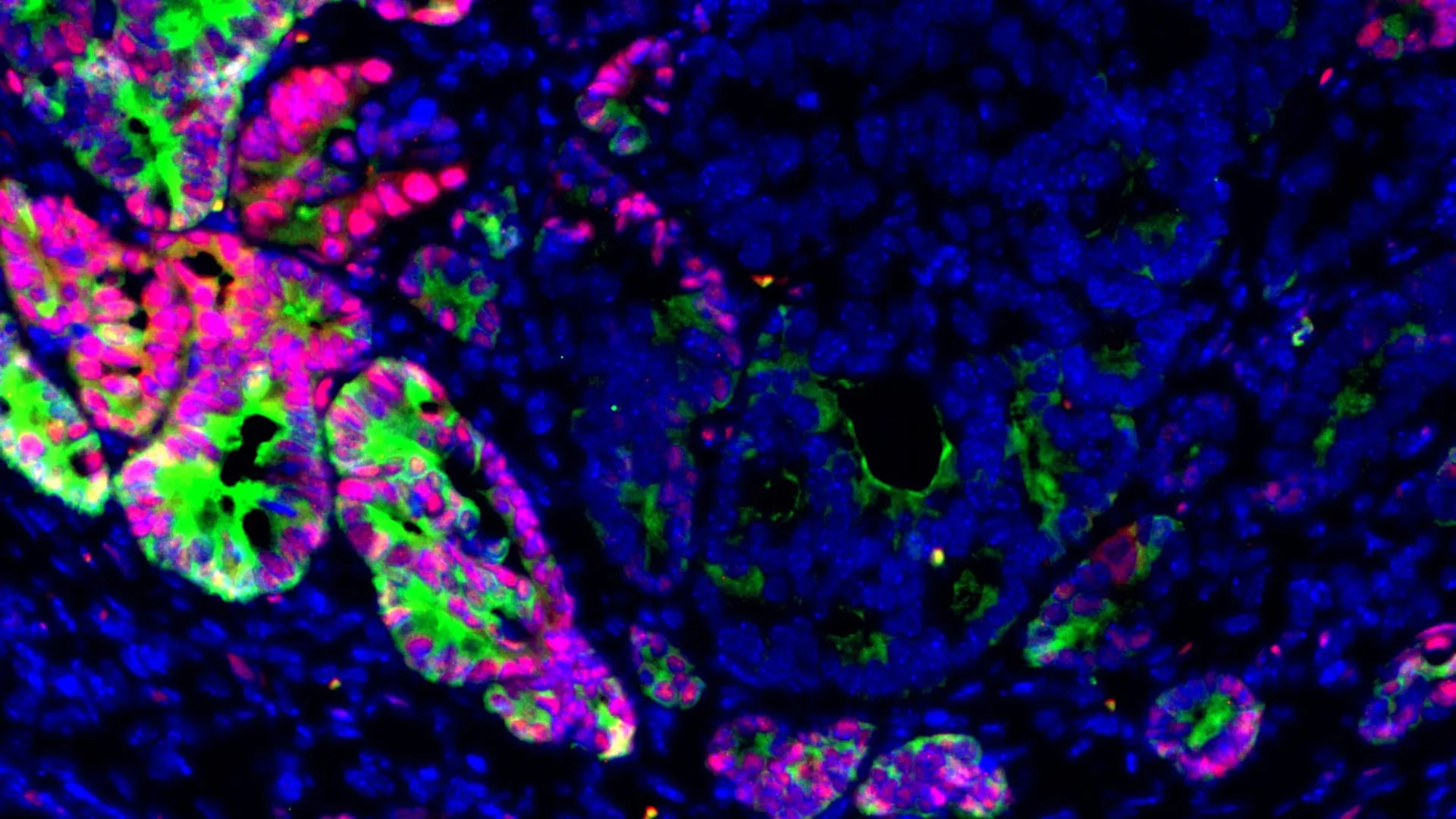
Researchers at Weill Cornell Medicine and the Massachusetts Institute of Technology have made a pivotal discovery, identifying a key factor that significantly contributes to colorectal cancer’s ability to spread to the liver, a process known as metastasis. Their comprehensive findings suggest that the loss of GATA6, a crucial transcription factor responsible for regulating gene expression, can transform cancer cells into a more primitive and highly adaptable state, thereby enabling metastasis. This profound understanding of the cellular transformation involved could pave the way for innovative strategies aimed at preventing one of the most lethal aspects of colorectal cancer, a disease that claims hundreds of thousands of lives globally each year.
The Lethal Challenge of Colorectal Cancer Metastasis
Colorectal cancer (CRC) remains a formidable public health challenge, ranking as the third most commonly diagnosed cancer and the second leading cause of cancer-related deaths worldwide. In the United States alone, the American Cancer Society estimates over 150,000 new cases and more than 50,000 deaths annually. While early-stage CRC is often treatable with surgery, chemotherapy, and radiation, the prognosis dramatically worsens once the cancer metastasizes, particularly to the liver. Liver metastasis is observed in approximately 25-30% of CRC patients at diagnosis and develops in another 20-25% during the course of their disease. For patients with metastatic colorectal cancer, the five-year survival rate plummets to just 14%, compared to 91% for localized disease. This stark difference underscores the urgent need for a deeper understanding of the metastatic process and the development of targeted interventions.
For decades, the scientific community has grappled with the mystery of how colorectal cancer cells acquire the ability to break away from the primary tumor, survive the perilous journey through the bloodstream, and establish new, aggressive colonies in distant organs, predominantly the liver. Extensive research has focused on identifying specific genetic mutations that might act as "driver" mutations for metastasis, yet no clear, consistent genetic culprits have emerged. This persistent enigma has led researchers to explore alternative mechanisms, such as epigenetic changes, which influence gene activity without altering the underlying DNA sequence. The new study, published on June 22 in the esteemed journal Cell Stem Cell, shifts the paradigm by pointing to just such a mechanism.
GATA6: A Molecular Identity Keeper Turned Rogue
GATA6 normally plays a vital role as a molecular "identity keeper" within the specialized epithelial cells that line the intestine. It ensures these cells maintain their distinct functions and mature characteristics, acting as a guardian against cellular anarchy. However, the study revealed a striking correlation: GATA6 levels were significantly lower in liver metastases analyzed from both mouse models and human patients suffering from colorectal cancer. This reduction in GATA6 expression was not merely an observation; it was also directly linked to poorer patient outcomes, reinforcing its critical role in disease progression.
"We discovered that GATA6 loss acts as a critical switch that can change cancer cells in the primary tumor from non-metastatic to pro-metastatic," explained Dr. Norihiro Goto, assistant professor of medicine in the Division of Gastroenterology & Hepatology at Weill Cornell, who co-led the groundbreaking research. "Our findings suggest that epigenetic changes may be more important for promoting liver metastasis than previously thought." This statement highlights a significant conceptual shift in the understanding of metastasis, moving beyond the sole focus on genetic mutations to encompass the dynamic interplay of gene regulation. Unlike genetic mutations, which permanently alter the DNA sequence, epigenetic changes are reversible modifications that dictate which genes are turned on or off, thereby controlling the proteins a cell produces and ultimately its behavior. Dr. Saori Goto, an instructor in medicine at Weill Cornell, served as the first author of this pivotal study, with Dr. Omer H. Yilmaz, associate professor of biology at the Massachusetts Institute of Technology, also co-leading the extensive work.
Unraveling Early Metastatic Events Through Organoid Models
A major hurdle in metastasis research has been the difficulty in studying the early stages of this complex process. Traditional analyses often rely on tissue samples taken from established liver metastases, which provide a snapshot of the end-stage disease but offer limited insight into how cancer cells initially acquire their metastatic capabilities. "When researchers analyze patient samples from liver metastases, we fail to capture the important signals occurring in the early stages of the metastatic process," Dr. Norihiro Goto elaborated.
To overcome this limitation and gain a more dynamic view, the research team employed an innovative laboratory model utilizing organoids. These miniature, three-dimensional clusters of cancer cells are grown in vitro and are remarkably effective at reproducing many characteristics of real tumors, including their complex architecture and cellular diversity. The scientists derived these organoids from liver metastases, allowing them to start with cells that had already demonstrated metastatic potential. They then implanted these organoids into the colons of mice, where they developed into increasingly aggressive primary tumors that subsequently spread to the liver. Crucially, by repeating this process over several generations, the team was able to observe and meticulously track how cancer cells progressively acquired and refined their metastatic abilities. This sophisticated approach provided an unprecedented window into the evolutionary journey of metastatic cells.
Lineage Plasticity: The Key to Cancer Cell Adaptability
The meticulously designed experiments using organoid models unveiled a profound mechanism: the loss of GATA6 promotes a phenomenon called lineage plasticity. This refers to the remarkable, and in the context of cancer, dangerous ability of cells to fundamentally alter their identity and behavior. When GATA6 was absent, colorectal cancer cells underwent a dramatic transformation. They activated alternative genetic programs, effectively shedding their specialized intestinal cell identity and adopting a more flexible, primitive, and even "fetal-like" state. These reprogrammed cells were found to be exceptionally well-equipped to navigate the hostile environment of the bloodstream, evade immune surveillance, and successfully establish new tumors in distant organs like the liver.
This type of cellular reshaping is not inherently pathological; in fact, it is a fundamental biological process vital for normal physiological functions such as wound repair, tissue regeneration, and adaptation to various environmental stresses. During these processes, cells transiently adopt a more plastic state to heal or adapt. However, in the context of cancer, this same inherent cellular plasticity becomes a formidable driver of disease progression, particularly metastasis. Cancer cells hijack these ancient developmental programs to gain survival advantages, enabling them to transition between different states, resist therapies, and spread aggressively.
LGR5 and the Fetal-Like State: Markers of Metastatic Potential
Further evidence of this GATA6-driven plasticity was the appearance of cells lacking LGR5, a well-established marker commonly associated with intestinal stem cells. Earlier research had already indicated that LGR5-negative cells possess a heightened capacity to initiate liver metastases. The new study solidified this connection, unequivocally demonstrating that silencing GATA6 activity caused cancer cells to transition from an LGR5-positive state to an LGR5-negative state. These LGR5-negative cells not only displayed distinct fetal-like characteristics but also exhibited a significantly enhanced ability to spread to other organs. Conversely, the researchers showed that restoring GATA6 activity, or activating related signaling pathways that GATA6 normally regulates, effectively reduced the metastatic potential of colorectal cancer cells. This reversal provided strong evidence for GATA6’s direct role in controlling cellular identity and metastatic capacity.
"When we genetically delete GATA6, the frequency and burden of liver metastases in mouse models significantly increase, while having little effect on primary tumor growth," stated Dr. Norihiro Goto, who is also a member of the Jill Roberts Institute for Research in Inflammatory Bowel Disease and the Sandra and Edward Meyer Cancer Center, both at Weill Cornell. This observation is particularly crucial as it highlights that GATA6 loss specifically drives metastasis, rather than merely accelerating primary tumor growth. This distinction implies that metastasis may be less about the sheer size or growth rate of the primary tumor and more about specific transitions between cellular states – a profound insight with significant implications for therapeutic development.
Potential Biomarker and Future Therapeutic Target
The findings of this comprehensive study carry significant clinical implications, primarily raising the exciting possibility that GATA6 could serve as a valuable biomarker for assessing metastatic risk in colorectal cancer patients. Tumors exhibiting low GATA6 levels might harbor a greater proportion of cells capable of undergoing the metastasis-promoting cellular state switch. Such a biomarker could provide invaluable information to clinicians, allowing them to identify patients at higher risk of developing liver metastases. This knowledge could, in turn, guide personalized treatment strategies, prompting closer monitoring for these patients or the implementation of more aggressive therapeutic approaches to prevent or intercept metastatic spread before it becomes clinically apparent.
Beyond its potential as a diagnostic tool, the study also points toward an entirely new therapeutic strategy. This approach would focus on maintaining cellular identity or, conversely, preventing cancer cells from adopting these highly flexible, pro-metastatic states. Imagine a drug that could "lock" cancer cells into their non-metastatic identity, thereby disarming their ability to spread. However, Dr. Norihiro Goto wisely cautioned that developing such therapies would require meticulous research to ensure that they selectively target cancer cells’ plasticity without interfering with normal tissue repair mechanisms, which rely on similar biological programs for their beneficial effects. The delicate balance between therapeutic efficacy and avoiding unwanted side effects will be a critical challenge.
Future research endeavors stemming from this study will focus on several key areas. The team plans to identify unique vulnerabilities present specifically in GATA6-deficient cancer cells that could be exploited by novel therapeutic agents. Understanding what makes these plastic, fetal-like cells susceptible could unlock new drug targets. Furthermore, the researchers intend to investigate the intricate role of the tumor microenvironment – the complex ecosystem surrounding the tumor, including immune cells, stromal cells, and liver-specific signals – and how it influences these crucial cellular transitions in preclinical models. This holistic approach recognizes that cancer cells do not act in isolation but are profoundly influenced by their surroundings.
"In addition to treating primary tumors, we need to find strategies to target the mechanism of liver metastasis," Dr. Norihiro Goto emphasized, encapsulating the broader mission of this research. "Our study is a step toward developing therapies that block the spread of cancer at the earliest stages." This work represents a significant stride forward in the battle against metastatic colorectal cancer, offering renewed hope for improved patient outcomes through a deeper, more nuanced understanding of this deadly disease.
This extensive research was made possible through the generous support of various organizations, including the Astellas Foundation; Research Abroad from Japan Society for the Promotion of Science; the National Institutes of Health (grants R00AG076987, 01CA254314, 5U01CA25055, R01CA258523, R01CA25723, R01DK133919, R01DK140310, R01CA299955, and 3OT2CA297570); Pew-Stewart Trust; AFAR and Glenn Foundation for Medical Research Breakthroughs in Gerontology; Kenneth Rainin Foundation; Crohn’s & Colitis Foundation; and Mark Foundation for Cancer Research. Such multifaceted funding underscores the collaborative and resource-intensive nature of cutting-edge cancer research.
