
 By Billy Candra
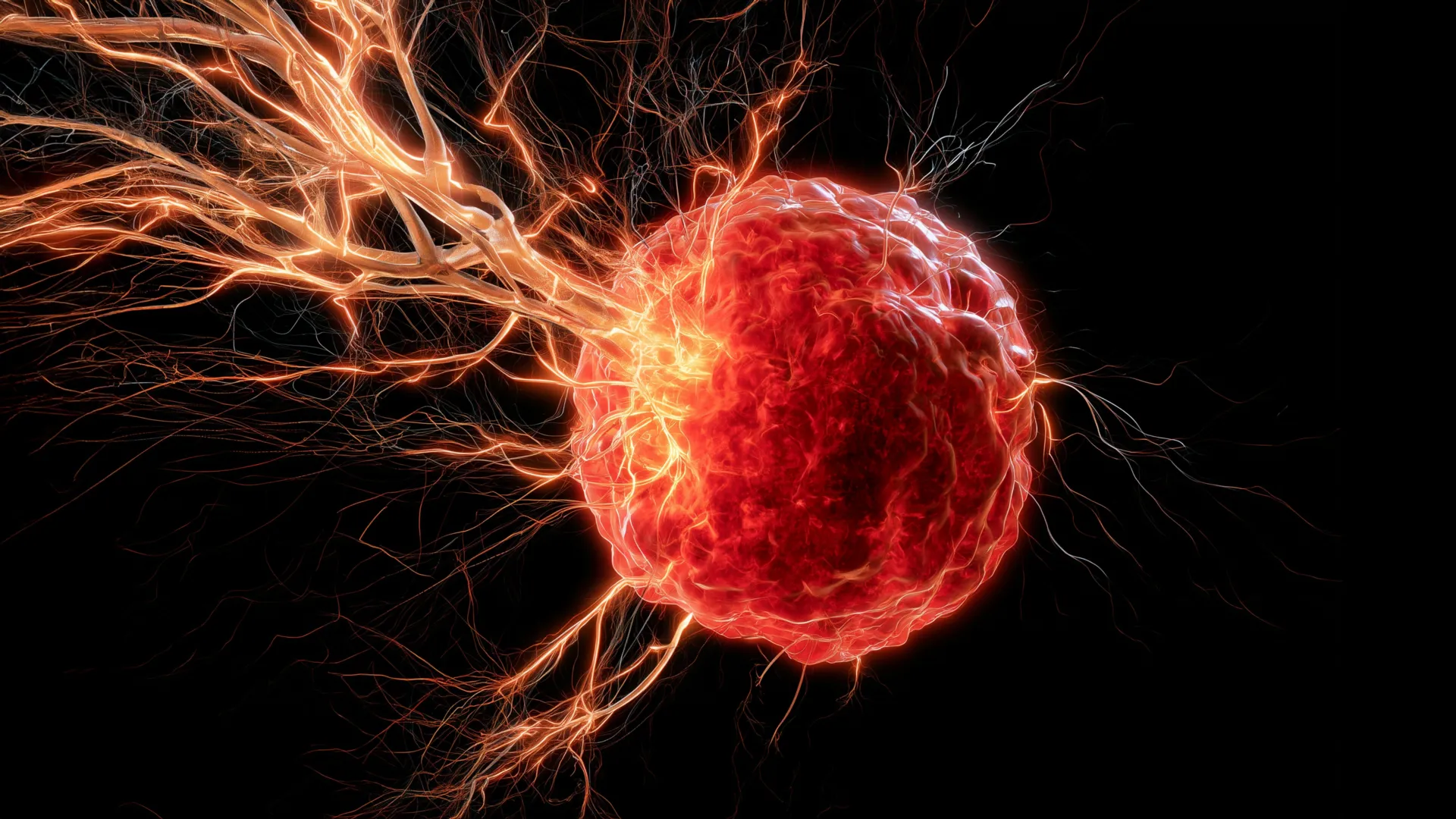
Norman, Oklahoma – In a significant scientific breakthrough, researchers at the University of Oklahoma have shed new light on the intricate mechanisms by which an aggressive form of breast cancer manipulates the body’s own immune system to foster its growth. The groundbreaking study reveals how triple-negative breast cancer (TNBC), notoriously difficult to treat, co-opts immune cells to draw nerves into tumors, creating a supportive microenvironment that may accelerate cancer progression and bolster resistance to existing therapies. This discovery not only clarifies a long-standing mystery regarding tumor innervation but also paves the way for innovative treatment strategies that target the tumor’s neural infrastructure rather than solely focusing on cancer cell eradication.
The findings, published recently in the esteemed scientific journal Cell Death & Differentiation, address a critical gap in oncology: while the presence of extensive nerve networks within many solid tumors has been observed for years, the precise mechanisms governing their infiltration remained largely unknown. This new research provides a compelling explanation for this process specifically in triple-negative breast cancer, a subtype characterized by its lack of estrogen, progesterone, and HER2 receptors, rendering it unresponsive to many targeted hormonal or HER2-directed therapies.
Understanding Triple-Negative Breast Cancer: A Formidable Foe
Triple-negative breast cancer represents approximately 10-15% of all breast cancers, yet it accounts for a disproportionately high number of breast cancer deaths. It is particularly prevalent among younger women, women of African American descent, and those with BRCA1 gene mutations. Its "triple-negative" status means it lacks the molecular targets (estrogen receptor, progesterone receptor, and HER2 protein) that drive the growth of most other breast cancers. Consequently, treatment options are largely limited to surgery, radiation therapy, and chemotherapy, which, while often effective initially, carry a higher risk of recurrence and metastasis compared to other breast cancer types. The aggressive nature of TNBC, its rapid proliferation, and its propensity for early metastasis underscore the urgent need for novel therapeutic approaches.
The lack of targeted therapies for TNBC has made it a formidable challenge in oncology. Patients often face a poorer prognosis, and the side effects of conventional chemotherapy can be severe. The median overall survival for metastatic TNBC remains significantly lower than for other breast cancer subtypes, highlighting the critical importance of research that uncovers unique vulnerabilities and pathways specific to this disease. The OU study, by identifying a novel mechanism of tumor support, offers a glimmer of hope for developing more precise and effective interventions.
The Unseen Network: Nerves within Tumors
For decades, cancer research primarily focused on the malignant cells themselves, their genetic mutations, and their uncontrolled proliferation. However, a more holistic understanding of cancer has emerged, recognizing that tumors are not merely collections of rogue cells but complex organs, complete with their own supportive infrastructure. This "tumor microenvironment" (TME) comprises a diverse array of non-cancerous cells, including immune cells, fibroblasts, blood vessels, and, increasingly recognized, nerves.
The concept of tumor innervation – the growth of nerves into tumor tissue – has gained traction in recent years. Researchers have observed that nerves within the TME can profoundly influence various aspects of cancer biology, from initial tumor growth and angiogenesis (the formation of new blood vessels) to immune evasion and metastatic spread. However, the precise signals that lure nerves into the chaotic environment of a growing tumor have remained elusive, particularly in aggressive cancers like TNBC. This OU research meticulously dissects one such signaling pathway, providing crucial mechanistic insight into how cancer actively recruits neural components to its aid. It suggests that nerves are not passive bystanders but active participants in the cancer’s journey, potentially acting as highways for metastasis or sources of growth-promoting signals.
Unveiling the Mechanism: Immune Cells as Unwitting Allies
The University of Oklahoma team’s pivotal discovery centers on the unexpected role of macrophages, a type of immune cell traditionally known for its beneficial functions in fighting infections, engulfing cellular debris, and repairing damaged tissues. In a perverse twist of biological fate, the researchers found that within the context of TNBC, these usually protective cells become unwitting accomplices in the cancer’s sinister agenda.
The investigation revealed that once macrophages infiltrate the tumor microenvironment, they undergo a transformation, adopting characteristics that promote rather than suppress tumor growth. Crucially, these tumor-associated macrophages (TAMs) begin to secrete substantial amounts of brain-derived neurotrophic factor (BDNF). BDNF is a protein primarily recognized for its vital role in the central and peripheral nervous systems, where it supports the growth, survival, and differentiation of neurons. It is essential for learning, memory, and neuronal plasticity. However, the OU study demonstrated that TNBC tumors exploit this fundamental biological signal, hijacking its nerve-promoting capabilities for their own pathological ends. By releasing BDNF, these reprogrammed macrophages essentially send out a potent "grow here" signal to nearby nerves, compelling them to extend their processes directly into the cancerous mass.
Dr. Maureen Cox, Ph.D., an assistant professor in the Department of Microbiology and Immunology at the OU College of Medicine and a research member of OU Health Stephenson Cancer Center, emphasized the paradoxical nature of this finding. "Macrophages are the critical source for drawing nerves into the tumor," Dr. Cox stated. "Although macrophages typically play a positive role in the body, they are facilitating a negative function in this scenario of breast cancer." This transformation of immune cells from guardians to enablers underscores the profound complexity of the tumor microenvironment and how cancer can subvert normal physiological processes to its advantage. The increased nerve density within the tumor, instigated by this BDNF signaling, may contribute to several aspects of cancer progression, including sustained growth, enhanced angiogenesis, and potentially increased resistance to therapies by creating a more robust and protected environment for cancer cells.
Preclinical Promise: Blocking the Signal to Halt Growth
The elucidation of this macrophage-BDNF-nerve pathway immediately suggested a novel therapeutic vulnerability. If nerves are indeed critical for tumor progression, then interrupting the signals that recruit them could represent a potent new treatment strategy. The OU team put this hypothesis to the test in preclinical models, yielding highly encouraging results.
In experiments conducted with mouse models of triple-negative breast cancer, the researchers administered a drug designed to block BDNF signaling. The outcomes were striking: the treated mice exhibited a significant reduction in nerve infiltration into their tumors. More importantly, this blockade of BDNF signaling correlated directly with a substantial reduction in overall tumor growth. These findings provide compelling preclinical evidence that targeting this specific pathway can effectively impede cancer progression.
The prospect of using an "already on the market" drug to target BDNF, as Dr. Cox alluded, adds another layer of excitement to these findings. While the specific drug used in the study was not named, the potential for repurposing existing pharmaceuticals or developing new ones based on this mechanism could significantly accelerate the translation of this research from the lab to the clinic. Repurposing drugs offers several advantages, including a known safety profile, established manufacturing processes, and potentially a faster route through clinical trials compared to entirely novel compounds. "It looks really promising that we can use this drug, which is already on the market, to target BDNF," Dr. Cox remarked, highlighting the immediate translational potential. The implication is that disrupting this nerve-recruitment process could not only slow tumor growth but also potentially re-sensitize tumors to existing treatments or enhance the body’s natural anti-cancer immune response. "We believe that the nerves are immunosuppressive, so if we can stop the nerves from growing in the first place, maybe we can boost the immune response to help fight the cancer," she added, pointing towards potential synergies with immunotherapy.
Translational Insights: Evidence from Human Patients
To ascertain the clinical relevance of their preclinical observations, the researchers extended their investigation to human data. They meticulously analyzed records and tumor samples from patients diagnosed with triple-negative breast cancer, searching for correlations that would validate their findings in a real-world context.
The analysis of human patient data provided critical corroboration: tumors from TNBC patients that exhibited higher levels of both macrophages and BDNF were consistently linked with poorer survival outcomes. This direct correlation between the identified mechanism and patient prognosis significantly strengthens the argument that the macrophage-BDNF-nerve axis is not merely an artifact of laboratory models but a clinically meaningful pathway influencing the course of triple-negative breast cancer in humans. This evidence is crucial for building a case for future clinical trials, demonstrating that the biological pattern observed in mice is indeed relevant to human disease progression and patient survival. It suggests that these biomarkers (macrophage and BDNF levels) could potentially be used to identify patients who might benefit most from BDNF-blocking therapies, or even as prognostic indicators.
A New Therapeutic Paradigm: Targeting the Tumor’s Support System
The implications of this research extend far beyond simply understanding a new biological pathway; they herald a potential shift in therapeutic strategy for aggressive cancers. For too long, cancer treatments have predominantly focused on directly killing cancer cells through chemotherapy, radiation, or targeted therapies that inhibit specific oncogenic drivers. While these approaches have saved countless lives, they often face challenges such as drug resistance, severe side effects, and the inability to completely eradicate all cancer cells.
This new research from the University of Oklahoma proposes an alternative, or complementary, approach: instead of solely attacking the cancer cells, future therapies could focus on dismantling the supportive infrastructure that allows tumors to thrive. By interrupting the signaling between macrophages and nerves, clinicians might be able to starve the tumor of crucial growth factors, hinder its ability to metastasize, and potentially render it more vulnerable to existing treatments. This concept aligns with the broader movement in oncology towards targeting the tumor microenvironment, recognizing that the surrounding stromal and immune cells play a pivotal role in cancer initiation, progression, and therapeutic response.
The idea that nerves are immunosuppressive within the tumor microenvironment is particularly intriguing. If nerve infiltration actively dampens the body’s anti-tumor immune response, then blocking nerve growth could effectively "release the brakes" on the immune system, allowing it to mount a more robust attack against the cancer. This opens exciting possibilities for combination therapies, where BDNF blockade could be synergistically combined with immunotherapies, such as checkpoint inhibitors, to achieve more profound and durable responses in patients with TNBC and potentially other aggressive cancers.
Unanswered Questions and Future Frontiers
While the OU study has illuminated a critical mechanism, it also opens new avenues for further investigation. Dr. Cox and her team are now focused on delving deeper into the precise functions of nerves once they infiltrate a tumor. The current understanding suggests several possibilities:
- Angiogenesis: Nerves might stimulate the formation of new blood vessels, providing the tumor with an enhanced supply of oxygen and nutrients, thereby fueling its rapid growth. This could be a direct link between innervation and increased tumor vascularity.
- Metastasis: Some evidence indicates that nerves could act as conduits or "highways" for cancer cells, facilitating their escape from the primary tumor and subsequent metastasis to distant organs. This neural tropism could be a key factor in the aggressive spread of TNBC.
- Immune Evasion: Nerves within the TME might actively contribute to immune suppression, creating a shield that protects cancer cells from immune surveillance and attack. Unraveling this interaction could unlock new strategies for immune reactivation.
Beyond triple-negative breast cancer, the researchers are also keen to explore the applicability of their findings to other aggressive malignancies. High-grade ovarian cancer is a prime candidate for such investigations. Similar to TNBC, high-grade ovarian cancer is often diagnosed at advanced stages, is highly aggressive, and frequently develops resistance to chemotherapy. If a similar macrophage-BDNF-nerve axis is at play in ovarian cancer, then the same therapeutic intervention could hold promise for improving outcomes for patients battling this equally challenging disease.
Expert Perspectives and Hopes for Patients
The research from the University of Oklahoma marks a significant stride in the ongoing battle against aggressive cancers. Oncologists and researchers worldwide are constantly seeking innovative strategies to improve patient outcomes, particularly for diseases like TNBC where existing options are limited. This discovery offers a fresh perspective, shifting focus to the often-overlooked neural component of the tumor microenvironment.
While clinical translation will require rigorous testing in human trials, the initial preclinical success and the corroborating human patient data provide a strong foundation. The potential to repurpose existing drugs or develop new ones that specifically target BDNF signaling could dramatically accelerate the path to patient benefit. Dr. Cox’s ultimate vision encapsulates the broader goal of this research: "Ultimately, we want to turn the anti-tumor immunity back on in cancer patients so their own immune systems can reject the tumors." This speaks to the transformative potential of combining targeted microenvironment modulation with the body’s inherent defense mechanisms, offering a more holistic and potentially more effective approach to cancer treatment. Patient advocacy groups are likely to view such research with immense hope, as every new avenue explored brings them closer to more effective, less toxic treatments and improved quality of life for those affected by these devastating diseases.
Underpinning the Discovery: Research Support
This pioneering research was made possible through substantial support from several key institutions, underscoring the collaborative and well-funded nature of modern biomedical discovery. The National Institute of General Medical Sciences of the National Institutes of Health (NIH) provided critical funding through award numbers P20GM103447 and P20GM103639. Further vital support was extended by Oklahoma’s Tobacco Settlement Endowment Trust (TSET), a primary funder of the Stephenson Cancer Center and the TSET Health Promotion Research Center at the University of Oklahoma. Additionally, the Oklahoma Shared Clinical and Translational Resources, through an Institutional Development Award from the National Institute of General Medical Sciences (grant no. U54GM104938), contributed to the infrastructure and resources necessary for this impactful study. This collective investment highlights the commitment to advancing cancer research and improving health outcomes in Oklahoma and beyond.
