
 By Suherman Candra Maholtra
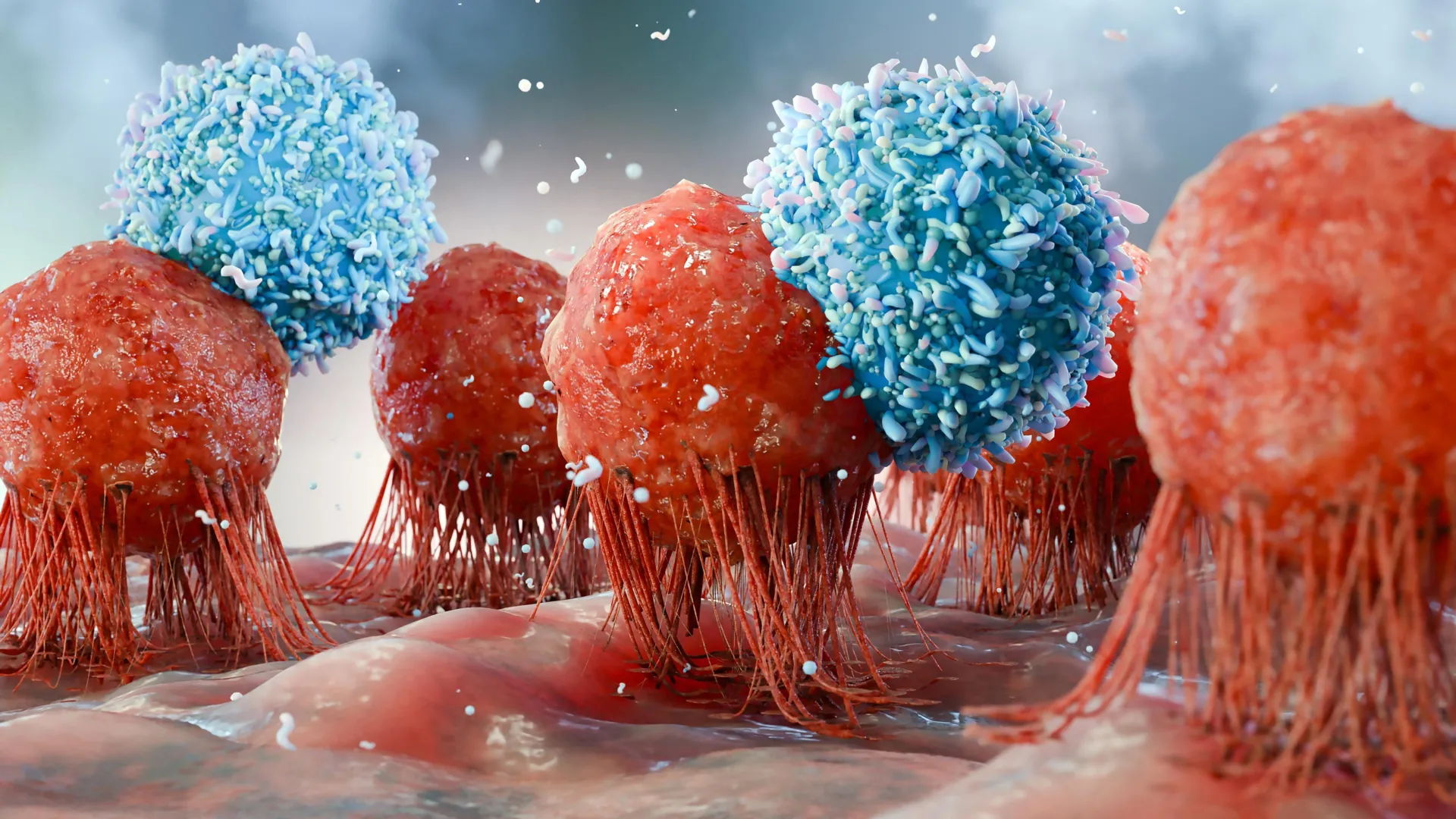
The long-standing medical consensus that antioxidants are universally beneficial for health is facing a significant challenge following a landmark study published in the journal Science. Researchers from the University of Cambridge and Oregon Health & Science University (OHSU) have identified a sophisticated survival mechanism employed by cancer cells: the use of antioxidant proteins to neutralize the very molecules the immune system requires to identify and destroy tumors. This discovery not only clarifies why many antioxidant-based cancer prevention trials have failed over the decades but also opens a critical new frontier in the development of next-generation immunotherapies.
For years, reactive oxygen species (ROS)—often referred to as free radicals—have been characterized primarily as cellular villains. These volatile molecules are known to cause oxidative stress, damaging DNA, proteins, and lipid membranes, which can contribute to the initiation of cancerous mutations. However, the new research demonstrates that ROS also function as essential signaling molecules. Specifically, specialized immune cells known as T cells rely on localized bursts of ROS to transition into an "attack mode." By releasing a potent antioxidant protein called Peroxiredoxin 1 (PRDX1), tumors effectively "mop up" these signals, creating a chemical dead zone that renders T cells dormant and unable to execute their anti-tumor functions.
The Dual Nature of Reactive Oxygen Species in Oncology
To understand the weight of this discovery, it is necessary to examine the historical context of oxidative stress in biology. Since the mid-20th century, the "Free Radical Theory of Aging" and subsequent oncology research suggested that neutralizing ROS with antioxidants would logically reduce cancer risk. This led to a multi-billion-dollar supplement industry and numerous large-scale clinical trials. However, the results of these trials were often confounding. In several instances, such as the Beta-Carotene and Retinol Efficacy Trial (CARET), participants receiving antioxidant supplements actually showed higher rates of lung cancer compared to the placebo group.
The findings by the Cambridge and OHSU teams provide a biological explanation for these paradoxical results. While ROS can indeed cause the damage that leads to cancer, they are also the "ignition switch" for the body’s natural defense system. T cells, the elite soldiers of the immune system, must recognize specific antigens on the surface of cancer cells. Once this recognition occurs, the T cell generates a small amount of ROS internally and in its immediate vicinity to facilitate the signaling pathways required for activation. By removing these molecules, the tumor essentially cuts the communication lines of the immune system.
Unmasking the PRDX1 Chemical Shield
The research team, led by Dr. Xan Wesolowski and Professor Rahul Roychoudhuri of the University of Cambridge, alongside Dr. Robert Eil of OHSU, utilized advanced genetic and biochemical tools to map this interaction. The study focused on the microenvironment of the tumor—the complex "neighborhood" of cells and fluids surrounding a malignant growth.
Using CRISPR-Cas9 gene-editing technology, the researchers created mouse models of cancer where the tumors were unable to produce the PRDX1 protein. In these models, the results were stark: without the PRDX1 "shield," the T cells within the tumor remained highly active, leading to a significant reduction in tumor growth and, in some cases, total rejection of the cancer by the immune system.
To confirm the relevance of these findings to human health, the researchers analyzed three distinct data sources:
- Proteomic Data: They reviewed existing databases of proteins secreted by various human cancer cell lines, finding that PRDX1 is a common byproduct of many aggressive cancers.
- Genomic Patterns: The team analyzed gene activity in thousands of human tumor samples archived in global databases, identifying a correlation between high PRDX1 expression and suppressed immune activity.
- Clinical Samples: Most critically, the researchers analyzed fluid collected directly from human tumors during surgery. They found that the concentrations of PRDX1 in the human tumor microenvironment were sufficient to inhibit T cell activation in laboratory settings.
Chronology of the Discovery and Experimental Validation
The path to this discovery involved several years of incremental findings. The project began with the observation that T cells isolated from the interior of tumors appeared "exhausted" or "paralyzed," even when they possessed the correct receptors to identify the cancer. Initial hypotheses suggested that nutrient deprivation or acidity in the tumor microenvironment was responsible.
By 2021, the researchers began focusing on the redox (reduction-oxidation) state of the tumor. They noticed that while the interior of cancer cells is often under high oxidative stress, the fluid immediately surrounding them was surprisingly rich in antioxidant activity. This led to the identification of PRDX1 as the primary culprit.
Throughout 2022 and 2023, the team conducted the CRISPR trials and validated the findings using human "organoids"—miniature, lab-grown versions of human tumors. The final phase of the study involved testing the interaction between PRDX1 and existing immunotherapies, such as checkpoint inhibitors (e.g., anti-PD-1 therapies). They discovered that blocking PRDX1 could turn "cold" tumors—those that do not respond to immunotherapy—into "hot" tumors that are highly susceptible to treatment.
Implications for Future Cancer Treatments and Immunotherapy
The implications for clinical oncology are profound. Currently, immunotherapy has revolutionized the treatment of cancers like melanoma and non-small cell lung cancer. However, only about 20% to 40% of patients typically respond to these treatments. The presence of an "antioxidant shield" may explain why the remaining 60% to 80% of patients do not see benefits.
"We have found a new way by which cancers shut down the immune system," stated Professor Rahul Roychoudhuri. "When we block this process, tumors that don’t respond to some immunotherapies start responding to treatment. That tells us this is a pathway worth targeting therapeutically."
The research suggests two potential avenues for new treatments:
- PRDX1 Inhibitors: Developing drugs that specifically target and neutralize the PRDX1 protein in the tumor microenvironment, allowing the body’s natural T cells to function.
- Pro-oxidant Therapy: Instead of the traditional focus on antioxidants, doctors might use "pro-oxidant" agents to selectively increase ROS levels within the tumor, thereby jump-starting the immune response.
Dr. Robert Eil noted that this represents a paradigm shift. "Our study suggests a possible way to boost T cell immunotherapies. Rather than using antioxidants, it could be that pro-oxidants can kickstart the T cells into action against tumor cells."
The Supplement Debate: A Call for Caution
While the study is primarily focused on cancer treatment, it inevitably touches upon the widespread use of antioxidant supplements by the general public. For decades, vitamins A, C, and E, as well as selenium and various plant extracts, have been marketed as cancer-preventative agents.
The new data suggests that the biological reality is far more nuanced. While a diet rich in natural antioxidants from fruits and vegetables is still widely considered healthy due to the complex matrix of nutrients provided, the high-dose isolated antioxidants found in supplements may be a "double-edged sword." By lowering the overall ROS levels in the body, these supplements might inadvertently make it easier for early-stage, undiagnosed microscopic tumors to evade the immune system’s surveillance.
However, the researchers are careful to note that their work is preclinical. "People living with cancer should not change their diets, supplement use, or medical treatments based on these findings without consulting a healthcare professional," the report emphasizes. The biological balance of ROS is delicate, and systemic changes to that balance can have unpredictable effects on other organ systems, such as the heart and brain.
Analytical Perspective: The Future of Redox Biology
This study marks a significant milestone in the field of "redox biology," which examines how the gain and loss of electrons in molecules drive life processes. For years, this field was overshadowed by genomic research, but as the limits of gene-targeted therapies become apparent, the metabolic and chemical environment of the tumor is becoming a primary focus.
The discovery that PRDX1 serves as a "decoy" or "sponge" for immune signals adds a new layer to our understanding of the "Hallmarks of Cancer," a famous framework describing the essential traits of malignant cells. To the list of traits—such as sustaining proliferative signaling and evading growth suppressors—we must now emphasize "redox manipulation."
Moving forward, the scientific community will likely look toward clinical trials that combine PRDX1-blocking agents with existing drugs like Pembrolizumab or Nivolumab. If the results seen in mouse models translate to humans, this could significantly expand the number of patients who can be successfully treated with immunotherapy.
The research was made possible through extensive funding from international bodies, including the Medical Research Council, the European Research Council, Wellcome, and the National Institutes of Health (NIH). As the global medical community digests these findings, the focus will shift from the "damage" caused by free radicals to their indispensable role in the complex machinery of human immunity. This study serves as a potent reminder that in biology, few molecules are purely "good" or "bad"—their impact is entirely dependent on where they are, what they are doing, and what the body needs at that specific moment.
