
 By Budi Oetomo Narendra
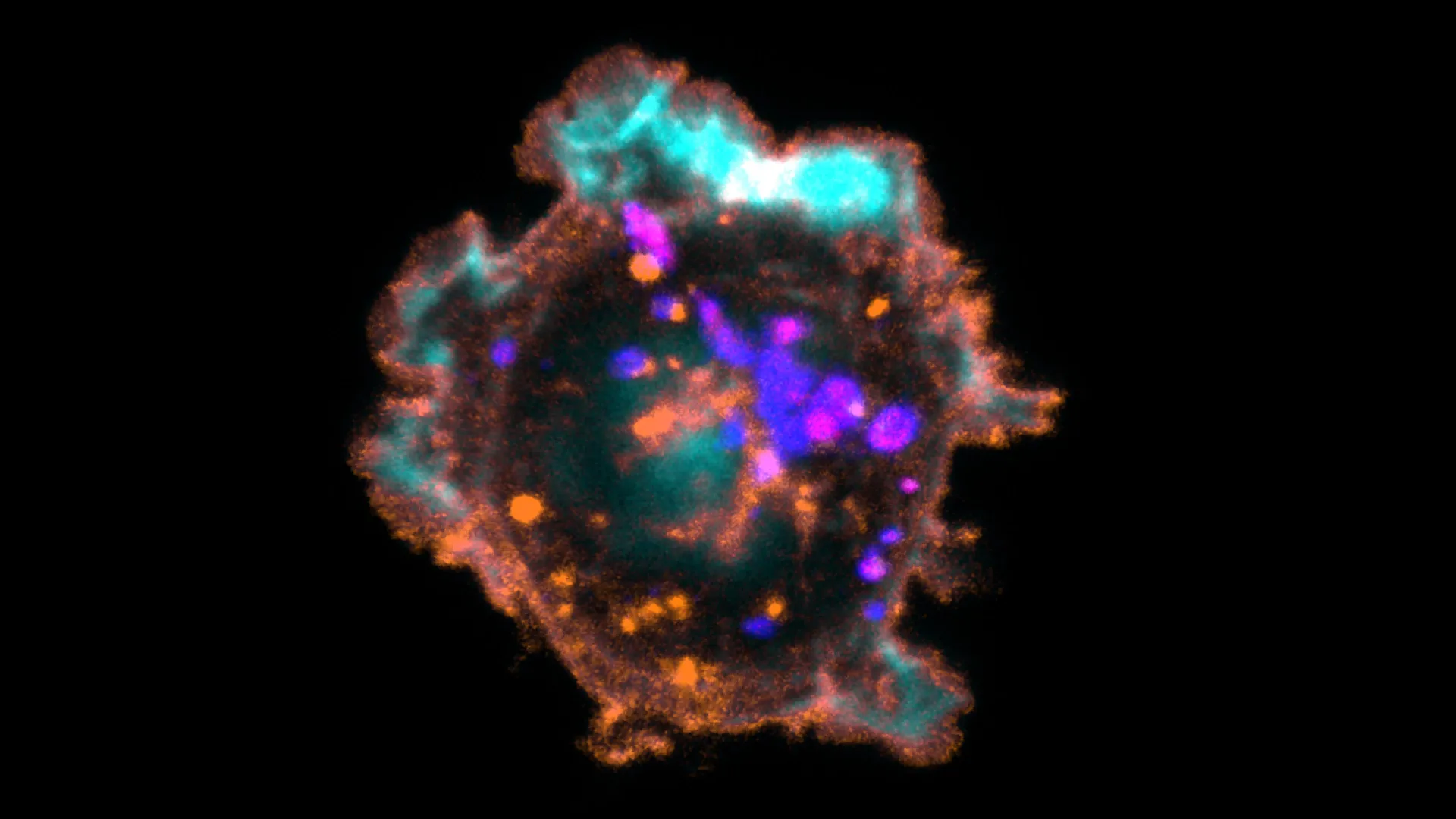
For decades, scientists believed they understood what caused the dangerous inflammation associated with a rare genetic disorder known as mevalonate kinase deficiency (MKD). Now, researchers at the Garvan Institute of Medical Research have uncovered evidence that fundamentally challenges 30 years of established scientific thinking, redirecting the focus from previously implicated immune cells to a novel mechanism involving natural killer (NK) cells, and thereby opening the door to a new, targeted treatment strategy. This groundbreaking study, published in the esteemed journal Immunity, not only redefines our understanding of MKD but also offers a glimmer of hope for hundreds of patients worldwide, particularly those for whom existing therapies have proven inadequate.
Mevalonate Kinase Deficiency: A Lifelong Battle with Inflammation
Mevalonate kinase deficiency (MKD), also known as hyperimmunoglobulin D syndrome (HIDS), is a rare autosomal recessive genetic disorder that manifests as a lifelong condition characterized by recurrent, severe inflammatory episodes. These attacks, often triggered by infections, vaccinations, or even physical and emotional stress, can be debilitating and sometimes life-threatening. Patients typically experience high fevers, skin rashes, joint pain, abdominal inflammation, and gastrointestinal issues, with some of the most serious episodes leading to potentially fatal complications such as neurological damage or amyloidosis, a condition where abnormal protein deposits accumulate in organs. While researchers estimate hundreds of children and adults globally are affected, it is widely suspected that many individuals remain undiagnosed due to the rarity and complex presentation of the disorder, often leading to a protracted "diagnostic odyssey" for families seeking answers.
The underlying cause of MKD lies in a genetic mutation affecting the MVK gene, which codes for the enzyme mevalonate kinase. This enzyme plays a critical role in the mevalonate pathway, a crucial metabolic pathway responsible for the synthesis of cholesterol and, more importantly in this context, isoprenoid precursors. These isoprenoids are essential for various cellular functions, including protein prenylation, which is vital for the proper functioning of many cellular proteins, including those involved in immune responses. A deficiency in mevalonate kinase leads to an accumulation of mevalonate and a depletion of downstream isoprenoids, creating a metabolic imbalance that scientists have long linked to the inflammatory flares.
The Established Paradigm: Macrophages and IL-1 Beta
For approximately three decades, research into MKD has predominantly centered on the role of macrophages. These immune cells are well-known for their pivotal role in coordinating the body’s inflammatory defenses, acting as first responders to infection and injury. The prevailing hypothesis suggested that in MKD, the metabolic imbalance led to the activation of the inflammasome within macrophages, resulting in the excessive release of interleukin-1 beta (IL-1β), a potent pro-inflammatory cytokine. This understanding formed the bedrock of existing treatments, which primarily aim to block the IL-1β inflammatory signal. Medications such as anakinra (an IL-1 receptor antagonist) and canakinumab (an anti-IL-1β monoclonal antibody) have been instrumental in managing symptoms for many patients.
However, a significant challenge persisted: approximately half of MKD patients do not respond adequately to these IL-1β-targeting therapies. This considerable subset of non-responders highlighted a critical gap in the scientific understanding of the disease, indicating that IL-1β activation in macrophages might not be the sole or even primary driver of inflammation in all cases, underscoring a major unmet need for more effective and targeted treatment options. The persistent symptoms and lack of relief for these patients spurred the Garvan Institute team to look beyond the established dogma.
The Paradigm Shift: Unmasking the Role of Natural Killer Cells
Driven by the limitations of existing knowledge, Professor Mike Rogers, Lab Head at Garvan and senior author of the study, alongside Dr. Marcia Munoz, Group Leader in the Rogers Lab and lead researcher, embarked on an intensive investigation. Their team meticulously examined blood samples from individuals with MKD and conducted comprehensive studies using preclinical models of the disorder. Their rigorous experiments brought forth a revelation: a significant, previously underrecognized defect in natural killer (NK) cells.
NK cells are a crucial component of the innate immune system, serving as the body’s rapid-response team against viral infections and cancerous cells. They operate by identifying and destroying infected or abnormal cells, a process critical for preventing the spread of disease. The Garvan team discovered that in people with MKD, these vital immune cells fail to mature properly. More critically, they struggle to perform one of their most important functions: the efficient destruction of infected cells.
"We found that these immune cells are essentially misfiring," explains Professor Rogers. "NK cells are loaded with toxic ammunition, stored in granules that are released to kill infected cells. However, in MKD these toxic granules can’t be released from NK cells and remain trapped inside. When an NK cell fails to kill its target, it compensates by shouting for help, pumping out large amounts of interferon gamma – a powerful inflammatory signal. This activates other immune cells and causes the dangerous fever and widespread inflammation seen in patients."
This dysfunction has profound consequences. When NK cells cannot effectively eliminate their targets, the immune system’s early defense against pathogens is severely compromised. Compounding this issue, the frustrated NK cells unleash copious amounts of inflammatory signaling molecules, particularly interferon gamma (IFN-γ), thereby activating other parts of the immune system and inadvertently triggering the widespread and severe inflammation characteristic of MKD flare-ups. This finding directly challenges the long-held belief that macrophage activity alone was the primary orchestrator of the inflammatory response, suggesting that NK cell dysfunction plays a central, if not primary, role in driving the pathology of MKD.
"This really turns on its head 30 years of dogma about what was thought to be the underlying mechanism of disease. In MKD, the primary problem is in NK cells and not in macrophages, as previously believed," states Dr. Munoz, emphasizing the magnitude of this discovery for the field of immunology.
To further validate these findings and understand how this cellular defect contributes to the disorder’s severe symptoms, the Garvan researchers collaborated with Professor Mariapia Degli-Esposti and her team of scientists at Monash University. Using advanced preclinical models, they meticulously established a direct connection between malfunctioning natural killer cells and the extreme inflammatory responses and organ damage associated with MKD. Their experiments unequivocally demonstrated that when the immune system cannot effectively clear a viral infection due to defective NK cell function, the resulting exaggerated inflammatory response can lead to extensive damage to vital organs, providing a coherent explanation for why a disorder involving compromised immune defenses can paradoxically produce episodes of extreme and dangerous inflammation.
A New Therapeutic Avenue: The Promise of JAK Inhibitors
The most immediate and exciting implication of this discovery is the identification of a novel therapeutic target. The excessive release of interferon gamma by dysfunctional NK cells points directly to the JAK-STAT signaling pathway, which is crucial for mediating the effects of IFN-γ and many other cytokines. This insight immediately brought to mind a class of existing medications known as JAK inhibitors.
JAK inhibitors are a family of drugs that interfere with the Janus kinase (JAK) signaling pathway, a critical intracellular pathway involved in transmitting signals from cytokine receptors on the cell surface into the nucleus, thereby regulating gene expression and influencing immune responses. These drugs are already approved and widely used for the treatment of various immune-related conditions, including rheumatoid arthritis, psoriatic arthritis, ulcerative colitis, atopic dermatitis, and myelofibrosis, demonstrating a well-established safety profile and efficacy in modulating inflammatory processes.
The discovery has already helped guide an experimental treatment approach for a severely affected infant suffering from MKD. Working in close collaboration with clinicians at the Royal Children’s Hospital in Melbourne, the researchers explored whether baricitinib, an oral JAK inhibitor, could effectively reduce the excessive inflammatory signaling associated with the child’s condition. Baricitinib specifically targets JAK1 and JAK2 enzymes, thereby blocking signaling pathways that transmit signals from several cytokines, including interferon gamma.
Doctors added baricitinib to the infant’s existing treatment regimen, and the results were encouraging. A notable improvement in the child’s condition was observed: inflammatory flare-ups became less frequent and less severe, and critically, severe inflammation affecting the gastrointestinal tract, a common and debilitating symptom in MKD, began to heal. While the positive outcome in a single patient cannot definitively establish the broader efficacy of the treatment, it provides compelling early evidence for a therapeutic strategy that targets a previously unrecognized inflammatory pathway in MKD. This success offers significant hope, particularly for the estimated 50% of patients who do not respond adequately to current IL-1β-blocking therapies.
Professor Rogers underscores the potential impact: "This study has revealed a new target for this inflammatory disorder and sets the scene for future clinical studies to explore the use of JAK inhibitors or other drugs to neutralize interferon gamma in patients with MKD. This could lead to a targeted treatment that hasn’t been tried before." The researchers firmly believe their findings lay a robust foundation for future clinical studies investigating the use of JAK inhibitors and other medications designed to block interferon gamma activity in MKD patients, especially those grappling with treatment-resistant forms of the disease.
Chronology of Discovery and Evolving Understanding
The journey to this groundbreaking discovery spans decades, reflecting the iterative nature of scientific progress:
- Early 1990s: Mevalonate kinase deficiency is first characterized, with initial research focusing on its genetic basis and the metabolic pathway disruption.
- Mid-1990s to Present: The "macrophage dogma" takes hold, identifying IL-1β as a key inflammatory mediator. Treatments targeting IL-1β are developed and become standard care, providing relief for many but leaving a significant proportion of patients unresponsive.
- Early 2010s: Persistent challenges with non-responders prompt researchers, including the Garvan team, to question the completeness of the existing model.
- 2017-2023: Extensive research by the Garvan Institute, involving patient samples and preclinical models, meticulously uncovers the critical role of dysfunctional natural killer cells and excessive interferon gamma signaling.
- Late 2023: The study’s findings are published in Immunity, formally announcing the paradigm shift.
- Present: Early experimental use of JAK inhibitors in an MKD infant shows promising results, paving the way for future clinical trials.
- Future: Ongoing research aims to define ‘prenylopathies’ more broadly and develop diagnostic and therapeutic strategies across related disorders.
Broader Implications: Beyond MKD and Towards ‘Prenylopathies’
The potential implications of this research extend far beyond mevalonate kinase deficiency itself. Researchers at the Garvan Institute have introduced the term ‘prenylopathies’ to describe a broader family of genetic disorders that involve the same metabolic pathway affected in MKD, specifically the mevalonate pathway and its critical role in producing isoprenoid precursors for protein prenylation. Early findings strongly suggest that these related diseases may share a similar underlying problem: natural killer cells that fail to function properly and, as a consequence, generate excessive inflammatory signals.
If further studies confirm this crucial connection, it could revolutionize the approach to diagnosing and treating a range of rare genetic conditions. Scientists may be able to identify common disease mechanisms across multiple disorders, leading to the development of more universal diagnostic tools and targeted therapeutic strategies. This interconnected understanding could significantly alleviate the "diagnostic odyssey" that many patients and their families endure for years, sometimes even decades, before receiving an accurate diagnosis and effective treatment.
"Confirming this link could help end the diagnostic odyssey many patients endure for years or even decades before receiving effective treatment," says Professor Rogers, highlighting the profound human impact of this scientific endeavor. The discovery not only offers immediate hope for MKD patients but also promises to reshape our understanding of a wider spectrum of inflammatory and genetic disorders, fostering a new era of precision medicine for rare diseases. The collaborative efforts of researchers, clinicians, and patient advocacy groups will be crucial in translating this pivotal laboratory discovery into tangible improvements in patient care globally.
Professor Mike Rogers is a Conjoint Professor at St Vincent’s Clinical School, Faculty of Medicine and Health, UNSW Sydney. Dr. Marcia Munoz is a Conjoint Senior Lecturer at St Vincent’s Clinical School, Faculty of Medicine and Health, UNSW Sydney.
