
 By admin
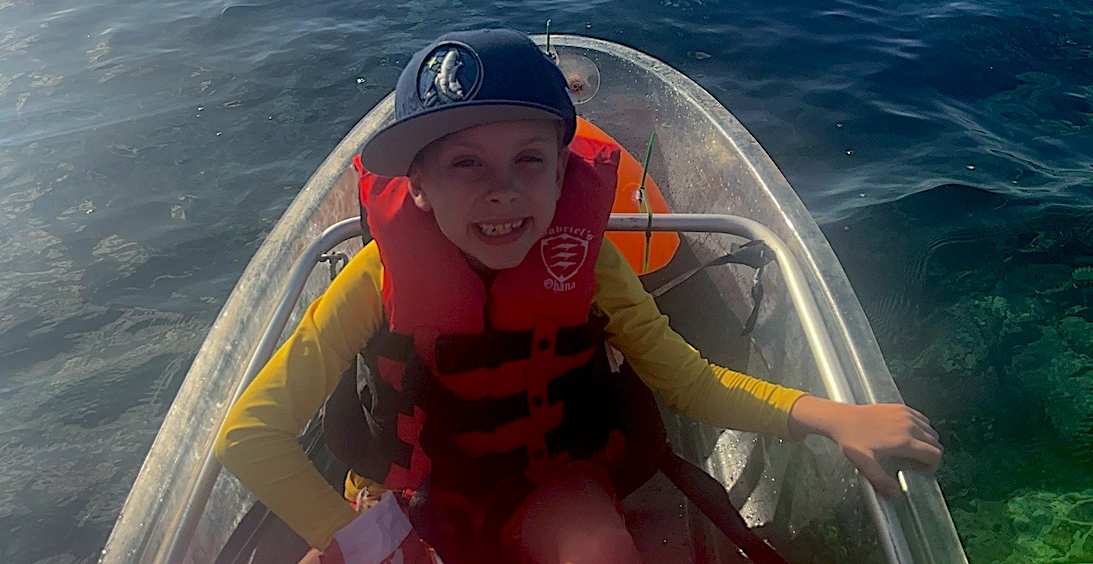
In the world of pediatric oncology, the diagnosis of Diffuse Intrinsic Pontine Glioma (DIPG) has historically been regarded as a terminal sentence, offering families little more than a few months of palliative care. However, a groundbreaking clinical trial at Children’s Minnesota is beginning to shift that narrative, centered around the journey of a nine-year-old boy named Jase. Diagnosed in November 2024, Jase has become the first patient to enroll in a first-of-its-kind therapy that combines a tumor-shield-breaking peptide with a vaccine designed to stimulate the immune system. His progress, marked by a stable tumor and a return to the normalcy of childhood activities like baseball and basketball, serves as a living testament to twenty years of incremental scientific discovery and the critical role of non-governmental research funding.
The Sudden Onset of a Pediatric Emergency
The medical odyssey for Jase and his parents, Becky and Andy, began on a routine Monday morning in November 2024. What initially appeared to be a minor injury—a potential concussion from a snowball impact during weekend play—rapidly escalated into a neurological crisis. Within two hours of his mother receiving a call from his school reporting dizziness and vomiting, Jase lost the ability to walk.
Upon arrival at the emergency room at Children’s Minnesota, a computed tomography (CT) scan identified a mass in Jase’s brainstem. The location of the tumor caused an immediate and dangerous buildup of cerebrospinal fluid, necessitating multiple surgeries to relieve intracranial pressure. A subsequent biopsy confirmed the worst-case scenario for pediatric brain tumors: Diffuse Intrinsic Pontine Glioma.
DIPG is a highly aggressive and difficult-to-treat tumor found in the pons, a part of the brainstem that controls essential bodily functions such as breathing, heart rate, and blood pressure. Because of its location and the way it infiltrates healthy brain tissue, surgical resection is impossible. For decades, the standard of care has remained stagnant, primarily relying on radiation therapy to temporarily shrink the tumor and provide a brief window of symptomatic relief.
Understanding DIPG and the Clinical Landscape
To appreciate the significance of Jase’s participation in a clinical trial, one must understand the grim statistics associated with DIPG. According to data from the National Cancer Institute and various pediatric brain tumor registries, DIPG accounts for approximately 10% to 15% of all pediatric central nervous system tumors. The median survival rate following diagnosis is roughly nine to eleven months, and the five-year survival rate remains below 1%.
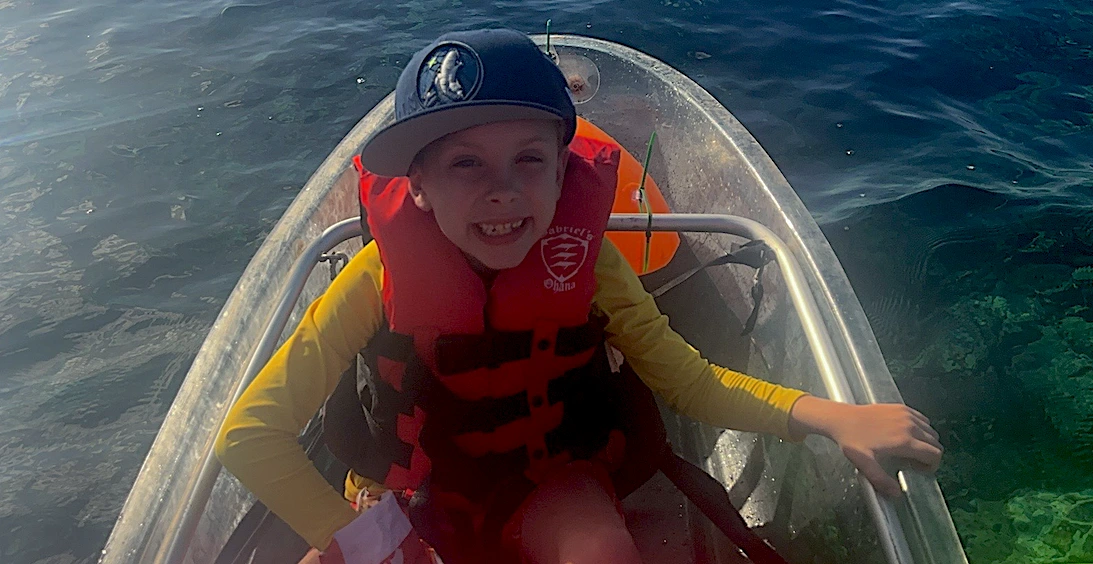
For Jase, the initial treatment followed this standard protocol. Radiation therapy successfully reduced the size of the tumor, but the side effects were debilitating. The nine-year-old suffered from persistent nausea and extreme fatigue, which stripped away his ability to engage in his passions—specifically sports. While radiation "bought time," it did not offer a cure, and the inevitability of tumor regrowth loomed over the family.
However, a technological breakthrough was maturing just miles away from Jase’s home, the result of a research initiative that had begun long before he was born.
A Two-Decade Chronology of Research and Development
The therapy currently sustaining Jase is the culmination of nearly twenty years of laboratory work and clinical experimentation. The timeline of this discovery highlights the slow, often painstaking nature of medical advancement:
- Early 2000s: Researchers Dr. Michael Olin and Dr. Christopher Moertel began investigating the mechanisms that allow certain brain tumors to evade the human immune system. Supported by grants from the Children’s Cancer Research Fund (CCRF), they focused on the "protective shield"—a molecular barrier that prevents chemotherapy and the body’s natural T-cells from attacking the malignancy.
- 2017: As Jase was born, Dr. Olin was in the midst of testing a specific peptide designed to "turn off" this protective shield. These trials were initially conducted on pet dogs with naturally occurring brain tumors, providing a vital bridge between laboratory theory and human application.
- 2020: The Food and Drug Administration (FDA) granted approval for the drug to be tested in human subjects, marking a transition from veterinary success to pediatric potential.
- Late 2024/Early 2025: Just as Jase’s family was grappling with his diagnosis, a CCRF-funded clinical trial opened at Children’s Minnesota. This trial, co-led by Dr. Anne Bendel and Dr. Maggie Skrypek, targeted Diffuse Midline Gliomas (DMG), the category of tumors to which DIPG belongs.
The "One-Two Punch" Mechanism of Action
The clinical trial Jase joined represents a sophisticated "one-two punch" approach to oncology. The first component is the peptide developed by Drs. Olin and Moertel. This peptide targets the immunosuppressive environment created by the tumor, effectively stripping away its defenses. Once the "shield" is lowered, the second component—a vaccine—is administered.
This vaccine is designed to prime the patient’s immune system to recognize and attack the specific proteins associated with the tumor. By combining these two elements, the researchers hope to achieve what radiation alone cannot: a sustained, systemic immune response that prevents the tumor from regrowing.
Dr. Anne Bendel, a lead investigator on the trial, emphasized that the current study is as much about learning as it is about treating. "Through this study, our hope is that we’re going to cure these patients," Bendel stated. "But in the process, we’re going to learn more about how the immune system reacts to the vaccine and then tweak it in a subsequent study to make it even more effective."
Patient Experience and Quality of Life
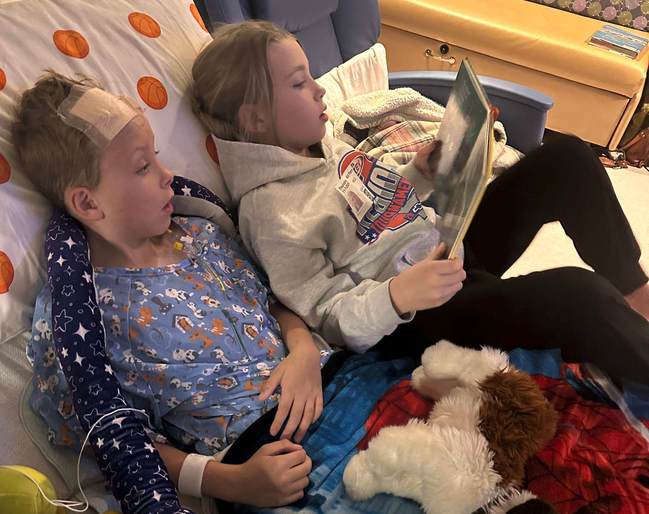
For Jase, being "Patient Zero" in this trial involves a rigorous medical schedule. Every two months, he undergoes a battery of tests, including an MRI and extensive bloodwork, followed by two days of clinical treatment. While the physical toll of needles and the psychological stress of imaging remain challenges, the recovery time has significantly decreased compared to traditional radiation.
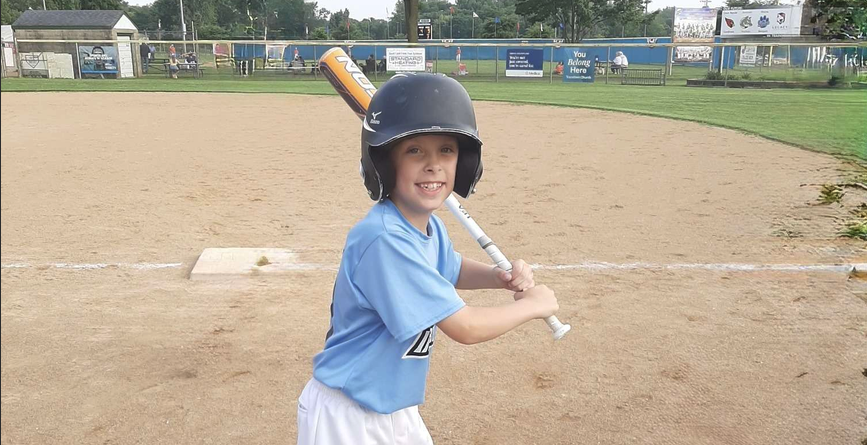
According to his parents, Jase typically requires only a few hours of rest post-treatment before returning to his normal activities. By the spring of 2026, over two years after his initial diagnosis—a milestone few DIPG patients reach—Jase was healthy enough to pitch his first season of youth baseball.
Dr. Moertel noted that the trial’s success is measured not just in months added to a lifespan, but in the quality of those months. "Giving children with incurable cancers more time, without taking away from how they spend it, is the goal," Moertel explained. "It’s also allowing kids to not appear different from their peers. Being included, being able to keep up—that makes everything feel a little less heavy."
The Economic Reality of Pediatric Cancer Research
A critical takeaway from Jase’s story is the precarious nature of pediatric medical funding. Becky, Jase’s mother, noted a common public misconception: the belief that federal funding covers the bulk of cancer research. In reality, the National Cancer Institute (NCI) allocates only about 4% of its annual budget to pediatric cancer research, with the remainder directed toward adult cancers.
Consequently, the advancement of treatments for rare conditions like DIPG relies almost entirely on private philanthropy, non-profits like the Children’s Cancer Research Fund, and grassroots fundraising by affected families. The peptide and vaccine therapy Jase is receiving would not exist without two decades of consistent, non-governmental financial support.
This funding gap creates a "bottleneck" in the development of new drugs. While adult oncology sees a rapid influx of new pharmaceuticals and immunotherapy options, pediatric oncology often lags behind, relying on repurposed adult medications or decades-old protocols. The success of the current trial at Children’s Minnesota provides a blueprint for how sustained private investment can bypass federal shortfalls to produce life-saving innovations.
Broader Implications and Future Outlook
As of the latest medical update in 2026, Jase’s MRI scans show that his tumor remains stable. While the long-term prognosis for DIPG remains a subject of intense monitoring and caution, the fact that Jase has surpassed the two-year mark with a high quality of life is statistically significant.
The implications of this trial extend beyond a single patient. If the "shield-breaking" peptide proves effective across a larger cohort, it could potentially be adapted for other types of "cold" tumors—malignancies that the immune system typically ignores. This could revolutionize the treatment of various pediatric solid tumors that have historically resisted immunotherapy.
For Jase’s family, the focus remains on the immediate future and the necessity of continued research. They are advocates for increased awareness regarding the funding disparities in childhood cancer. "I don’t want them to hear there’s nothing that can be done," Becky said, referring to future families facing a DIPG diagnosis. "When you Google DIPG, all you see is the bad… We are so grateful that there are incredibly smart people working towards a goal we never knew we’d need."
The journey of Jase highlights a pivotal moment in pediatric medicine where the intersection of long-term scientific dedication and charitable support has created a tangible alternative to a hopeless prognosis. While the road to a definitive cure for DIPG remains long, the evidence on the baseball field—seen in the mud on a nine-year-old’s uniform—suggests that for the first time in decades, the momentum may finally be shifting in favor of the patients.
